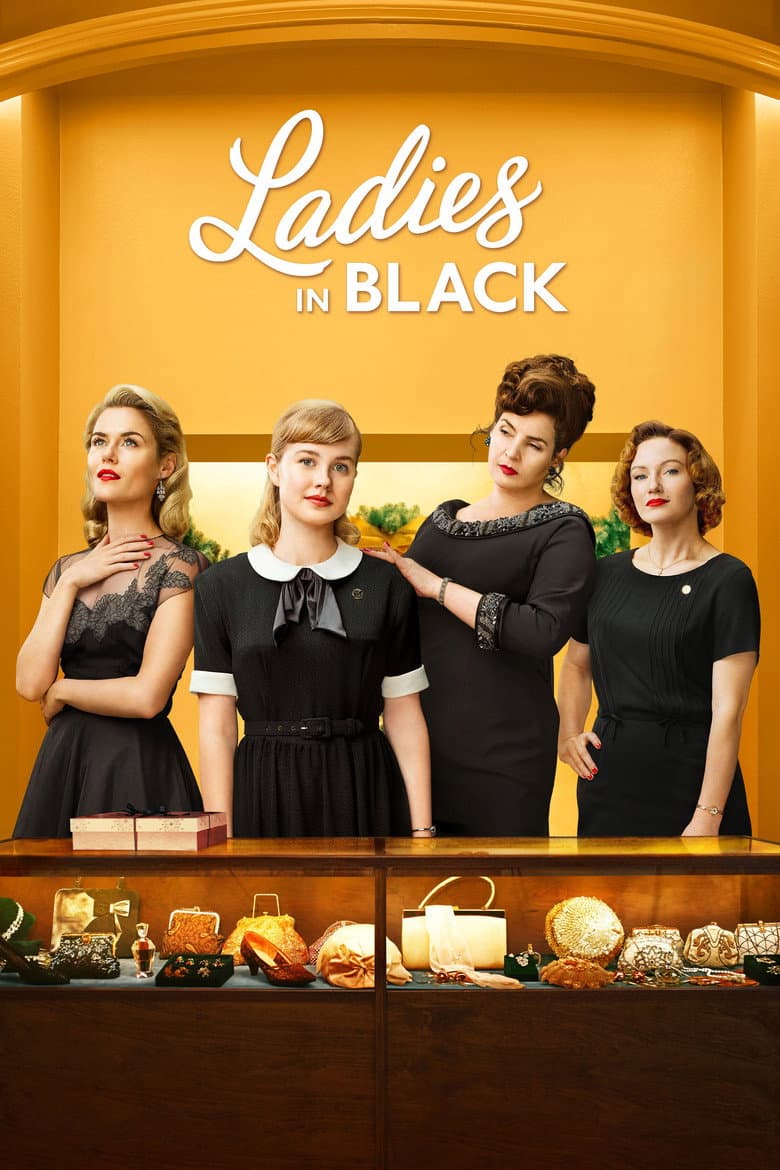
Ladies in Black follows 16-year-old Lisa Miles, who takes a summer job at Goode’s department store while she waits for her school results. She wants a scholarship to Sydney University, but her father thinks a girl does not need higher education. The story moves through 1959 Sydney, where saleswomen, shoppers, and new European migrants meet during the Christmas rush. The tone is bright, gentle, and funny, even when the film shows unhappy marriages, narrow social rules, and fear of outsiders.
The film gives clear weight to women’s education, work, and personal freedom. Lisa grows through Magda, a well-read Slovenian refugee who teaches her about clothes, books, and a wider life. Fay’s fear of migrants fades when she falls for Rudi, a Hungarian refugee, and the film treats that change as good for both people and Australia. These ideas are central and repeat across the story, but the film presents them through romance, friendship, fashion, and light comedy instead of strong modern political speeches.
Community feedback
Was our 33% Woke rating accurate?
Breakdown
These are the editorial factors and ratings behind our score for Ladies in Black.
Woke representation / casting
Not present. The main cast is mostly Australian and European, which fits 1959 Sydney and the migrant story. The female-heavy department store group comes from the story itself, and no clear identity mismatch appears in the film.
0%
Woke political dialogue
Not present. The film discusses university, migrants, and Communism in the period story, but it does not use modern activist or identity-politics speeches.
0%
Identity-driven story themes
The story treats female education and personal freedom as signs of social progress. Lisa seeks a university scholarship even though her father says a girl does not need higher education. The migrant characters are shown as educated people who broaden the lives of the Australian women. Fay changes her view of refugees through her relationship with Rudi, and the film presents that change as good. These themes shape the main relationships but stay gentle and tied to 1959.
44%
Western institutional / cultural critique
The film questions old gender roles through Lisa’s university goal, Patty’s unhappy marriage, and Fay’s treatment by men. Lisa’s father and several Australian men are shown as narrow, crude, or entitled. The film also treats fear of European migrants as a social fault. The criticism is recurring but light, and it does not turn into a broad attack on modern Western institutions.
28%
Woke character or canon changes
Not relevant. The film adapts fictional characters from The Women in Black. No established character or real historical figure is changed to promote identity politics.
0%
Anti-woke backlash and complaints
Not present. The separate X pass found no anti-woke reaction or named complaints. Broader coverage does not show a sustained complaint that the film pushes woke or DEI ideas.
0%
Creator track record context
Bruce Beresford has a low stored woke score of 11/100 and no strong activist pattern. Madeleine St John has 0/100, and Sue Milliken has 18/100 with public support for Indigenous filmmakers. Most listed producers also have low stored scores. Allanah Zitserman has 55/100, while Bruno Charlesworth has 22/100 based on one lesbian-centered drama credit. The overall creator signal is low to mild.
20%
Production
Movie · 2023
Two large, ignorant bullies ruthlessly pursue a small, brilliant boy in this young adult Roald Dahl short story.
Movie · 2018
With their golden era long behind them, comedy duo Stan Laurel and Oliver Hardy embark on a variety hall tour of Britain and Ireland.
Movie · 2024
Four tales unfold in Wes Anderson's anthology of short films adapted from Roald Dahl's beloved stories, "The Wonderful Story of Henry Sugar", "The Swan", "The Rat Catcher", and…
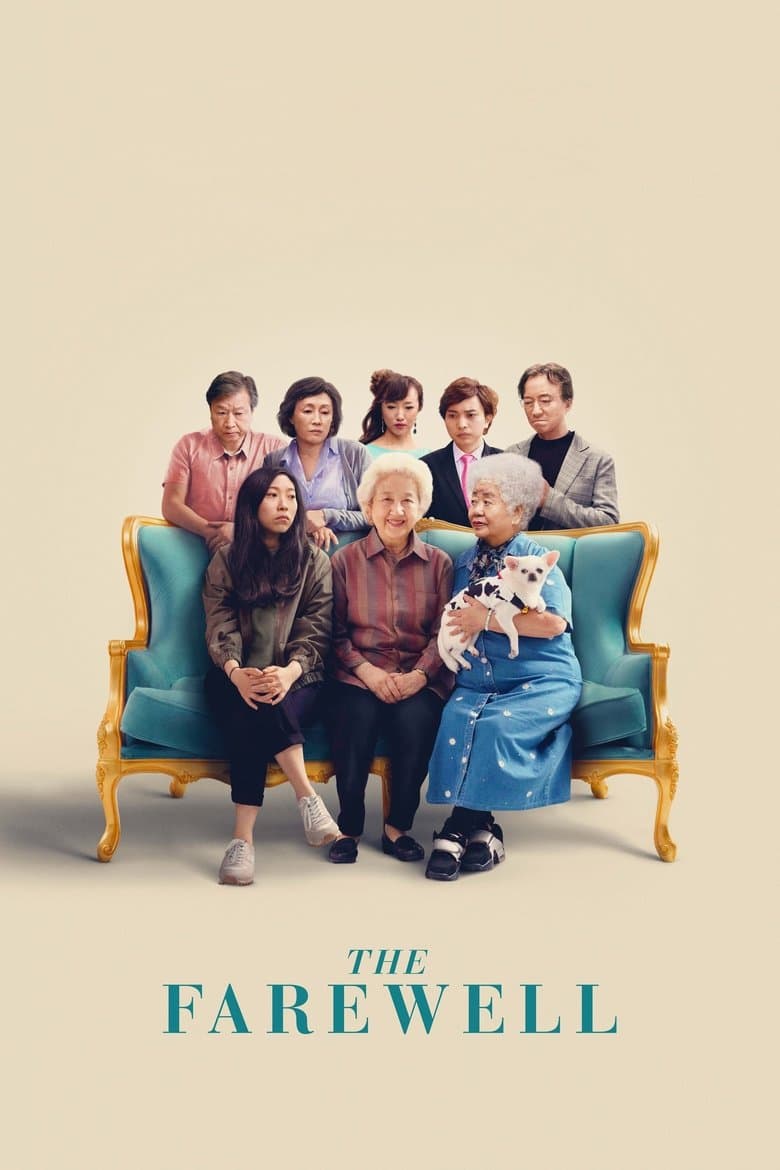
Movie · 2019
A headstrong Chinese-American woman returns to China when her beloved grandmother is given a terminal diagnosis.
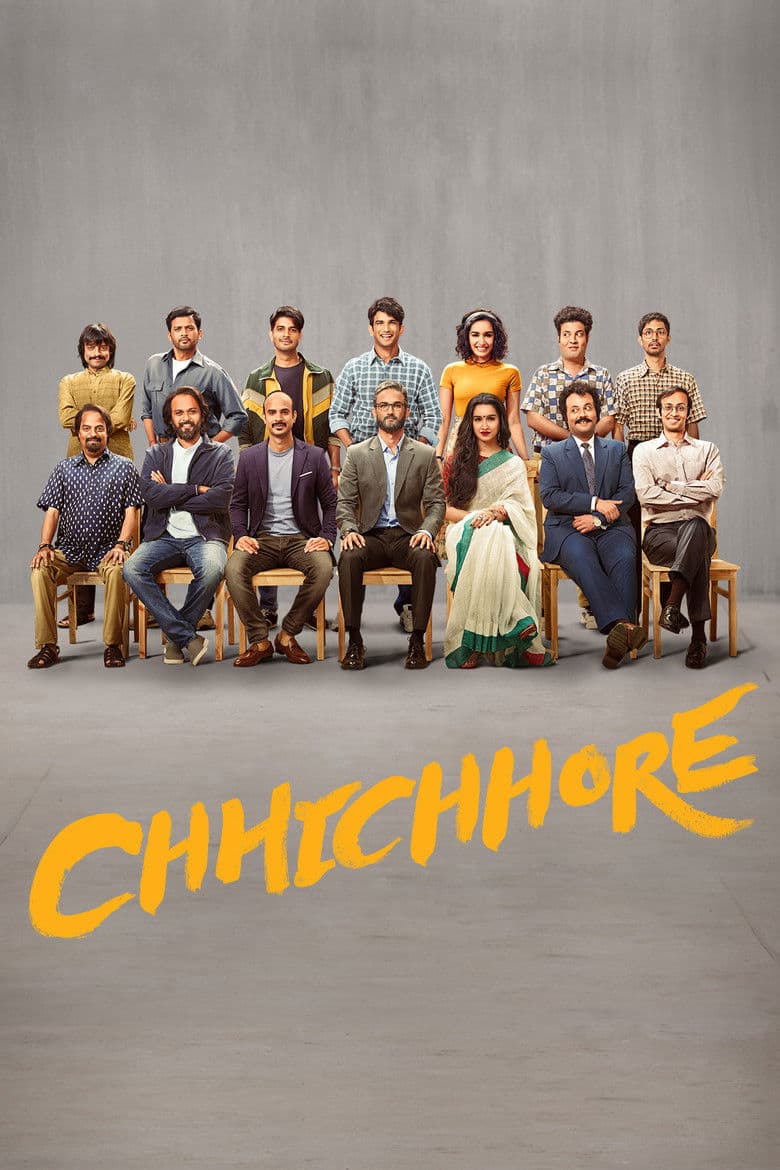
Movie · 2019
Following a group of friends from university as they progress into middle-age life and go their own separate ways.
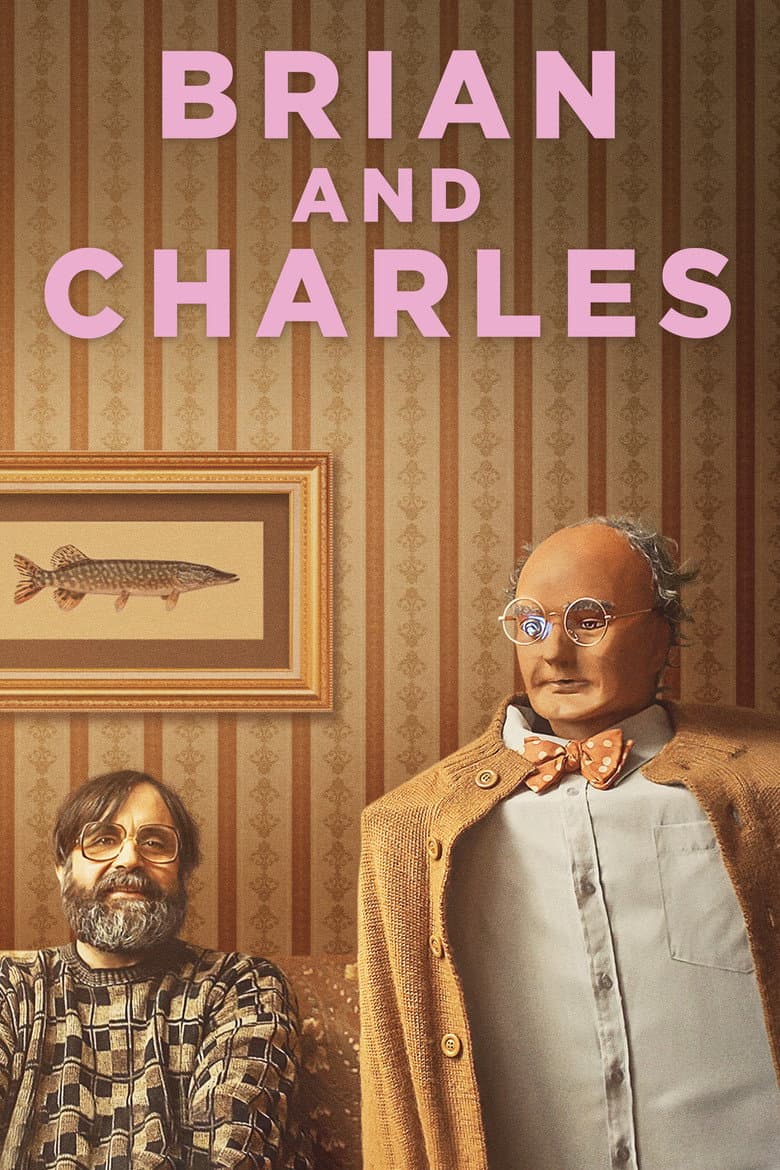
Movie · 2022
An endearing outlier, Brian lives alone in a Welsh valley, inventing oddball contraptions that seldom work. After finding a discarded mannequin head, Brian gets an idea.
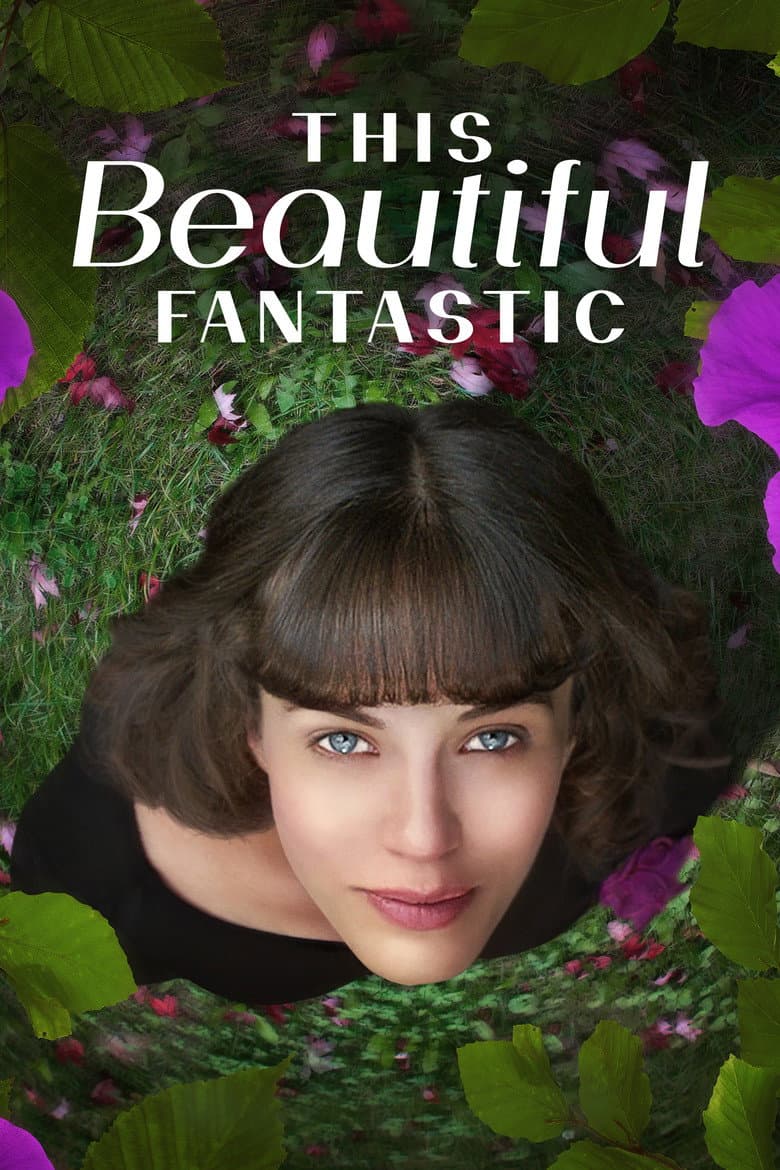
Movie · 2016
Set against the backdrop of a beautiful garden in the heart of London, this contemporary fairy tale revolves around the unlikely friendship between a reclusive young woman and a…
Movie · 2017
In 1843, despite the fact that Dickens is a successful writer, the failure of his latest book puts his career at a crossroads, until the moment when, struggling with inspiration…
