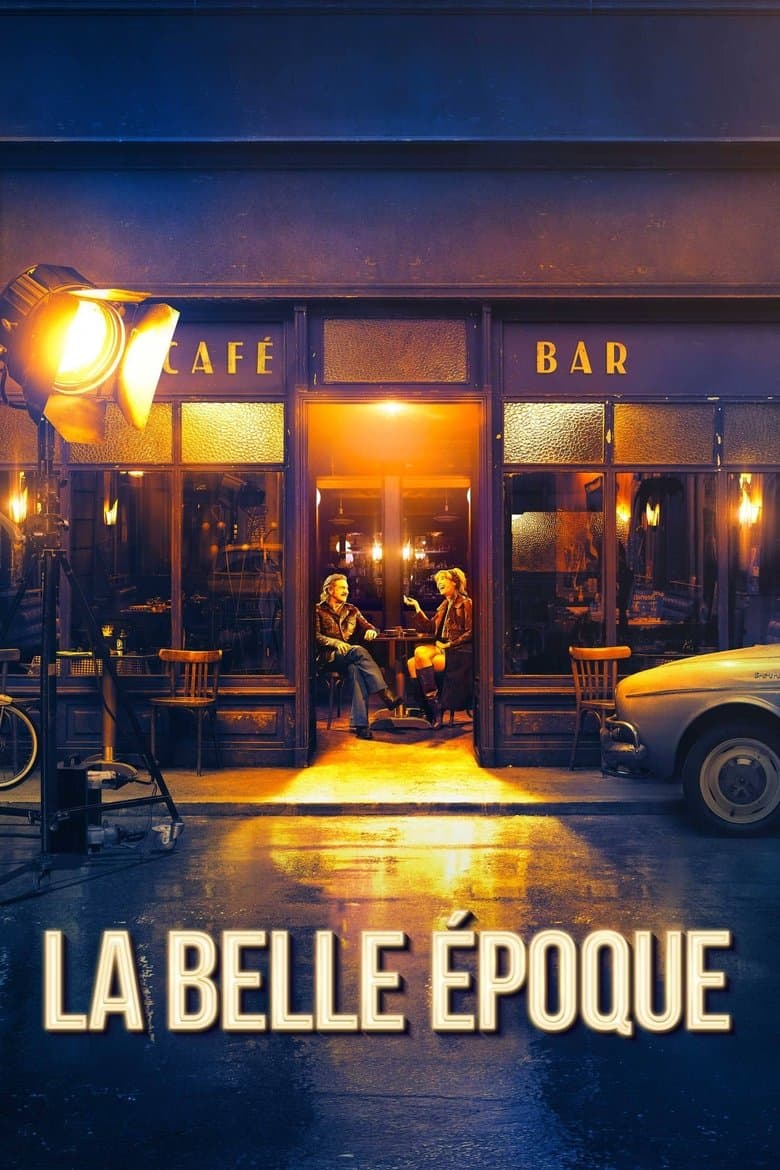
Victor is a bitter, aging cartoonist whose long marriage to Marianne is falling apart. He feels lost in the modern world, where phones and new media have replaced the slower life he remembers. After Marianne throws him out, their son sends him to Antoine’s company, which rebuilds past moments with actors, sets, and props. Victor chooses a café in Lyon in 1974, where he first met Marianne, and the comic fantasy slowly becomes a tender story about love, regret, and starting again.
The film gives Marianne a clear voice against Victor’s ideal view of the past. She says that the 1970s offered women less freedom, that rape often went unpunished, and that abortion was not available. The film also mentions greater homophobia in that period. Margot resists Antoine’s controlling behavior, while Victor learns that a perfect memory cannot replace a living relationship. These points create a visible but limited identity-driven message inside a larger story about aging, marriage, memory, and the danger of hiding from the present.
Community feedback
Was our 33% Woke rating accurate?
Breakdown
These are the editorial factors and ratings behind our score for La Belle Époque.
Woke representation / casting
Not present. The main cast is made up of French actors in a French relationship story. Women hold important roles, but the film does not frame their casting as a diversity or identity statement.
0%
Woke political dialogue
Marianne directly challenges Victor’s praise of the 1970s. She says women had fewer freedoms, rape often went unpunished, and abortion was not available. The film also mentions greater homophobia in that period. This is a clear social message, but it appears mainly in a short late exchange.
34%
Identity-driven story themes
Marianne’s push for freedom and her choice to leave a stale marriage create a recurring gender theme. Margot also pushes against Antoine’s controlling behavior and uses her acting role to express her own feelings. The story gives these women emotional weight, but it remains mainly about love, aging, memory, and a failing marriage. The identity-driven message is noticeable but not the central plot.
31%
Western institutional / cultural critique
The film treats Victor’s nostalgia as incomplete rather than fully true. Marianne points to the limits of the old gender order, including weak protection for women and no legal abortion. The film also jokes about a present shaped by phones, internet, virtual reality, and online therapy. Its main target is fast modern life, not Christianity, capitalism, or Western institutions, so this factor stays low.
24%
Woke character or canon changes
Not relevant. The film is an original story about fictional people. It does not recast or rewrite a known character, book, historical figure, or real event.
0%
Anti-woke backlash and complaints
Not present. No sustained anti-woke or anti-left complaint was found in the wider coverage. The X pass found no anti-woke complaints, and the one small review objecting to a feminist ending did not spread.
0%
Creator track record context
Bedos has a mixed liberal and authority-skeptical record. His usual subjects are love, vanity, age, power, and troubled relationships, not DEI or representation campaigns. His public comments support the film’s limited discussion of women’s rights. The other producers and the casting director have little public activist profile, so this context is mild.
25%
Production
Movie · 2018
With their golden era long behind them, comedy duo Stan Laurel and Oliver Hardy embark on a variety hall tour of Britain and Ireland.
Movie · 2019
Following a group of friends from university as they progress into middle-age life and go their own separate ways.

Movie · 2016
Set against the backdrop of a beautiful garden in the heart of London, this contemporary fairy tale revolves around the unlikely friendship between a reclusive young woman and a…
Movie · 2022
An endearing outlier, Brian lives alone in a Welsh valley, inventing oddball contraptions that seldom work. After finding a discarded mannequin head, Brian gets an idea.
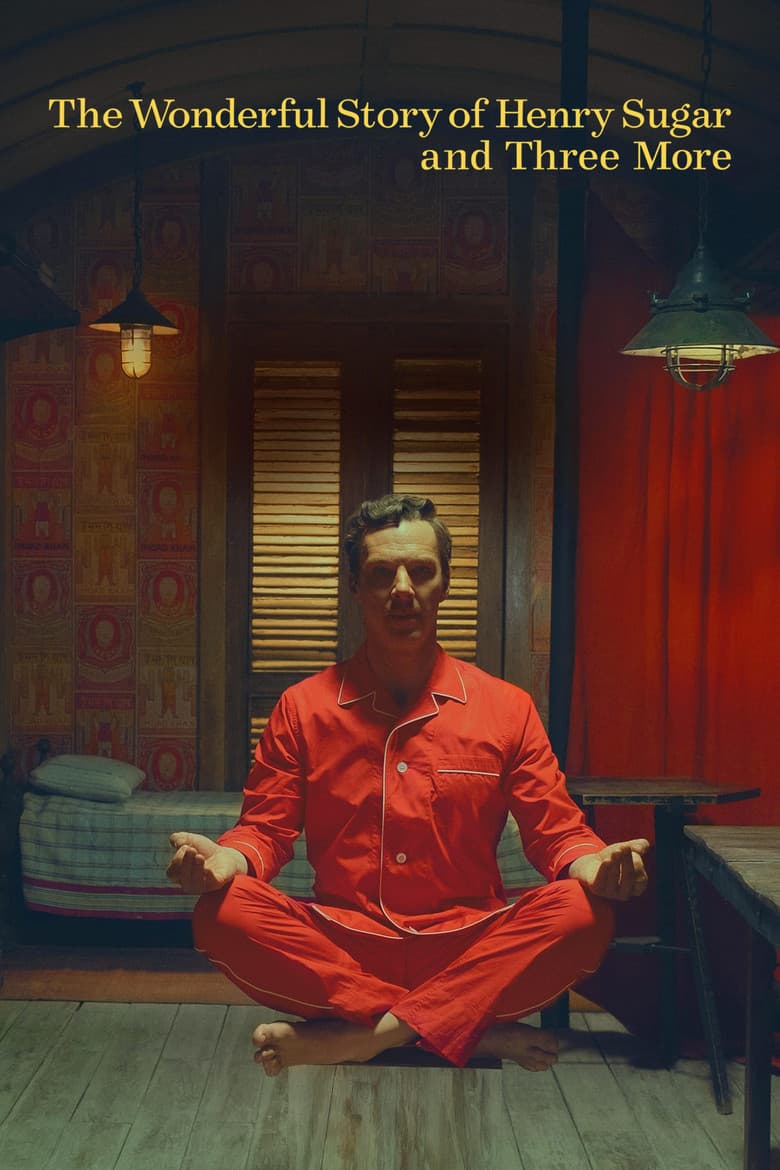
Movie · 2024
Four tales unfold in Wes Anderson's anthology of short films adapted from Roald Dahl's beloved stories, "The Wonderful Story of Henry Sugar", "The Swan", "The Rat Catcher", and…
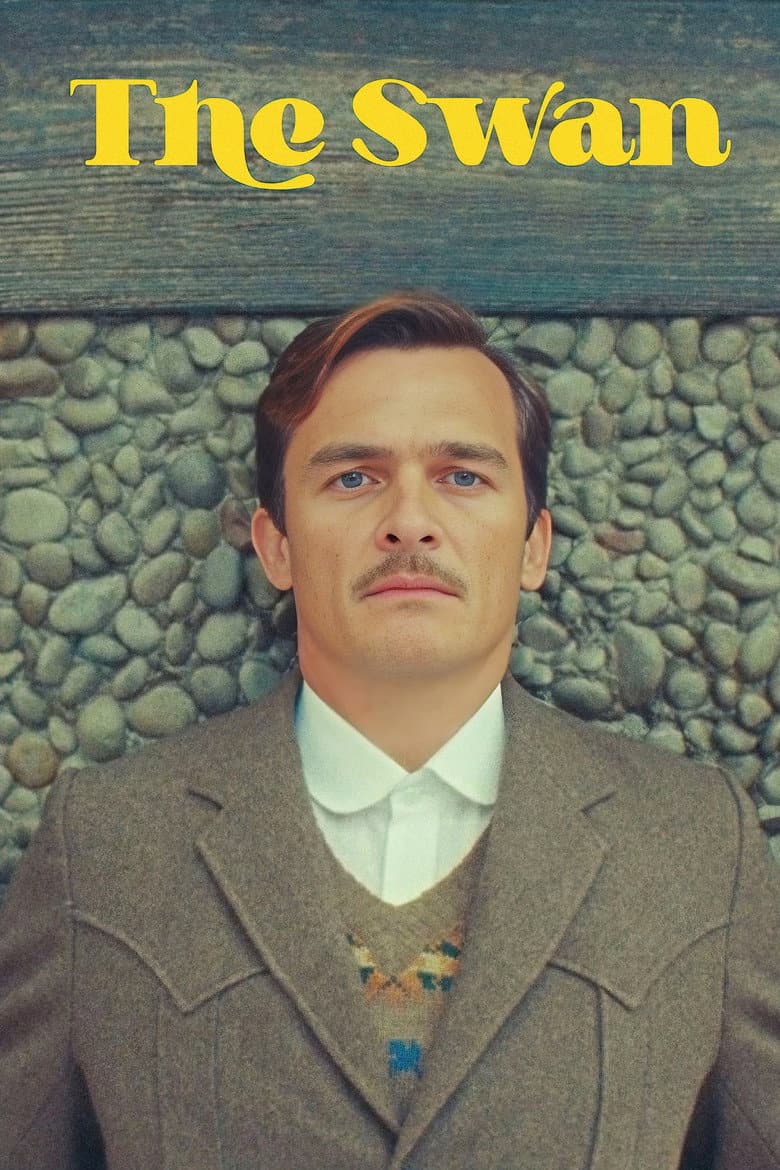
Movie · 2023
Two large, ignorant bullies ruthlessly pursue a small, brilliant boy in this young adult Roald Dahl short story.
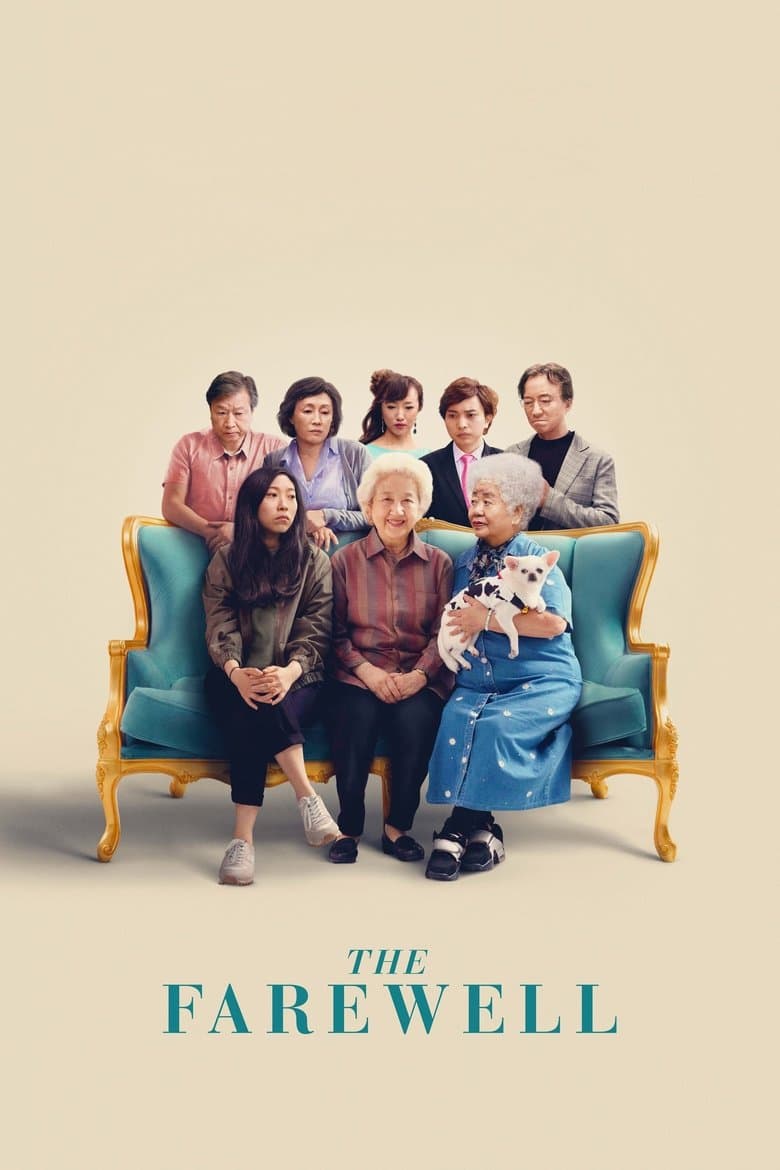
Movie · 2019
A headstrong Chinese-American woman returns to China when her beloved grandmother is given a terminal diagnosis.
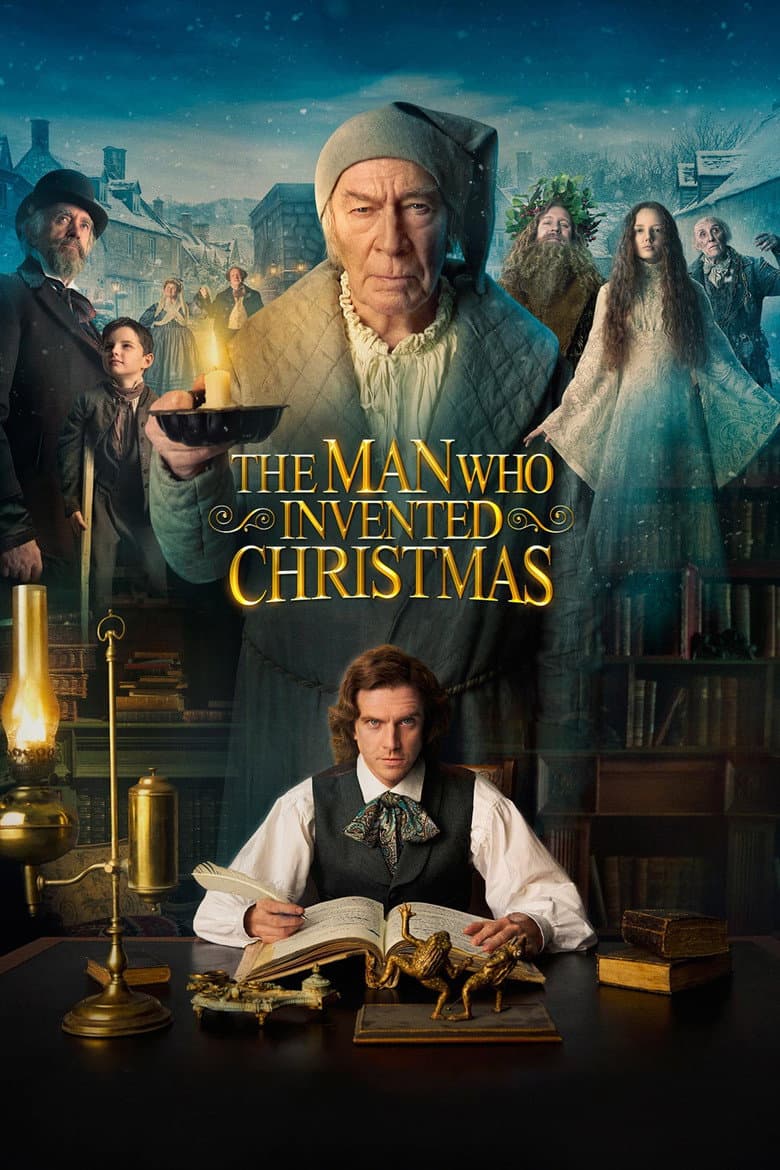
Movie · 2017
In 1843, despite the fact that Dickens is a successful writer, the failure of his latest book puts his career at a crossroads, until the moment when, struggling with inspiration…
