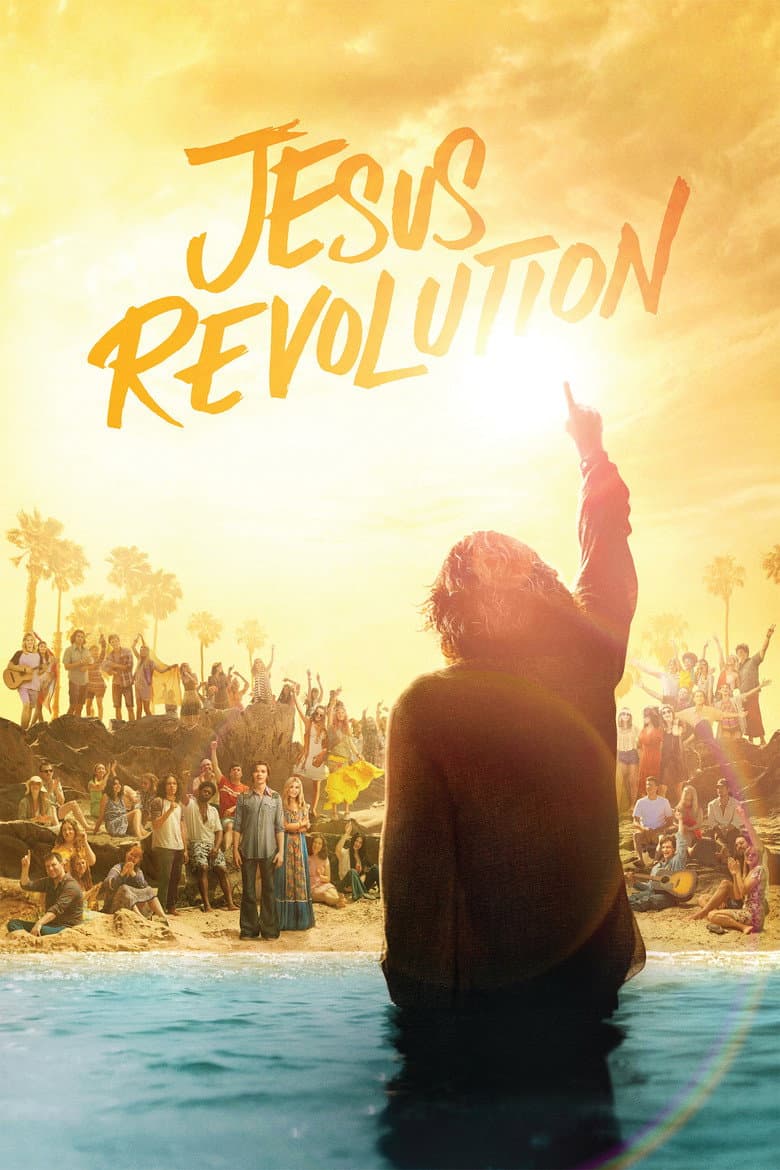
In the late 1960s and early 1970s in Southern California, teenage Greg Laurie feels lost. He tries drugs and empty hippie life while looking for meaning. He meets Lonnie Frisbee, a bold hippie preacher, and Pastor Chuck Smith, whose small church is struggling. Together they open the church to young people and help spark a big Christian revival. The tone is warm, faith-filled, and hopeful.
This is a faith movie about finding Jesus, leaving drugs behind, and bringing broken people into church. The story centers on real pastors and a real revival, not modern identity politics. Normal viewers mainly see gospel talk, ocean baptisms, church growth, and Greg’s path from a hard home life to faith and marriage. Any diversity on screen is light and not the point of the plot.
Community feedback
Was our 2% Woke rating accurate?
Breakdown
These are the editorial factors and ratings behind our score for Jesus Revolution.
Woke representation / casting
Leads match the real historical figures (mainly white men and women in the revival story). DeVon Franklin appears as a supporting TIME reporter named Josiah, a made-up device for the magazine cover. That is mild, background casting, not a clear identity-first pattern in the main roles.
0%
Woke political dialogue
Talk on screen is about Jesus, sin, drugs, baptism, church doors, and faith. There is no modern DEI, race, gender, or identity-politics lecture style dialogue aimed at current left activism.
0%
Identity-driven story themes
Core themes are Christian conversion, broken homes, leaving drugs, marriage, and revival. Welcome for hippies is classic church outreach, not modern race, gender, or queer identity politics. LGBTQ themes are not part of the on-screen story.
0%
Western institutional / cultural critique
Some older church people resist dirty, long-haired youth; the film gently shows closed hearts as wrong. Overall it lifts up Christianity, pastors, and church growth. It does not attack the West, capitalism, or faith as systems of oppression in modern activist terms.
3%
Woke character or canon changes
Not relevant. The film softens hard facts about Lonnie Frisbee (including sexuality and later failure) for a faith audience. That is not a woke or DEI-driven rewrite of characters; progressive critics called the omission a problem, which is the opposite signal.
0%
Anti-woke backlash and complaints
No major anti-woke campaign treats this title as pushing woke, DEI, or identity propaganda. Complaints that count here are basically missing. Left-leaning criticism about erasing Frisbee’s gay life does not count for this factor.
0%
Creator track record context
Key directors, writers, and producers are known for evangelical, faith-based work (redemption, Christian history, ministry stories). Cached scores are 0–1 with no progressive identity or DEI activism pattern tied to this title.
1%
Production
Movie · 2022
A quiet, neglected girl is sent away from her dysfunctional family to live with relatives for the summer. She blossoms in their care, but in this house where there are meant to be…
Movie · 2016
In a desolate war zone where screams of the innocent echo, on the very line between disaster and valor, 7 Maroon Berets will dance with death.
Movie · 2016
On 15 January 2009, the world witnessed the 'Miracle on the Hudson' when Captain 'Sully' Sullenberger glided his disabled plane onto the Hudson River, saving the lives of all 155…
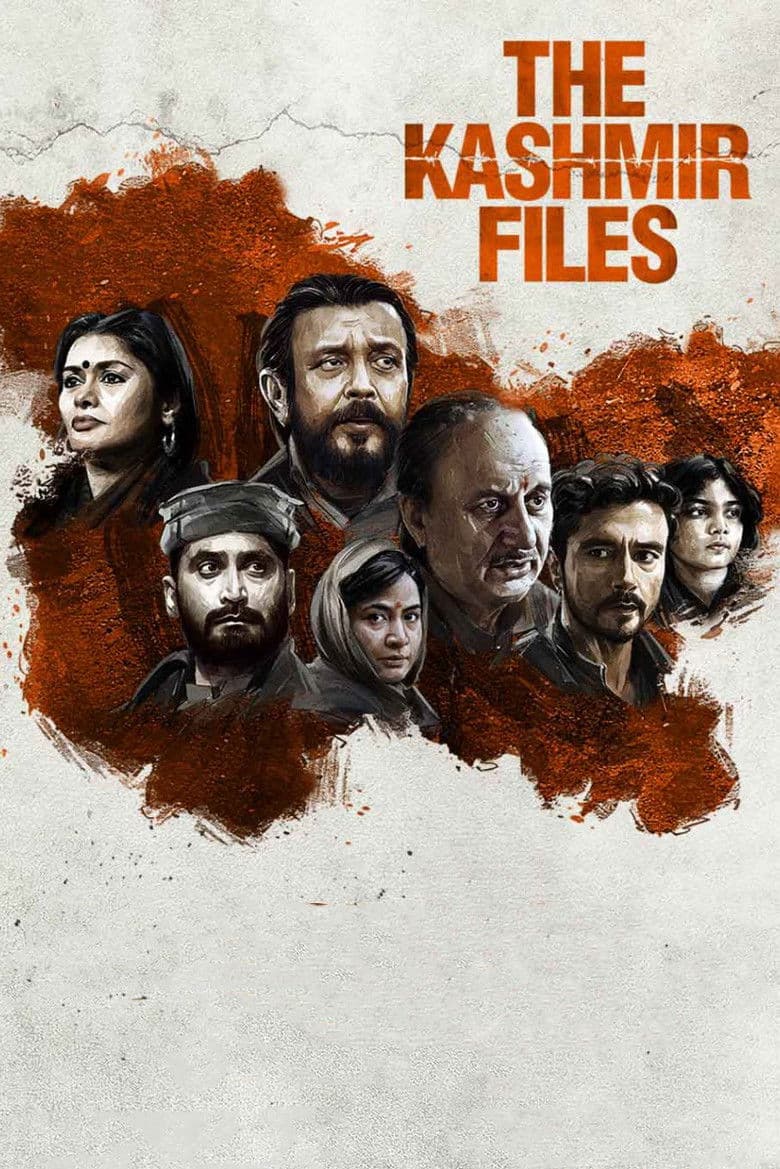
Movie · 2022
Based on a true tragedy, the emotionally triggering film sheds light on the plight of Kashmiri Pandits (Hindus), a religious minority in the 1990s Kashmir valley, who were…
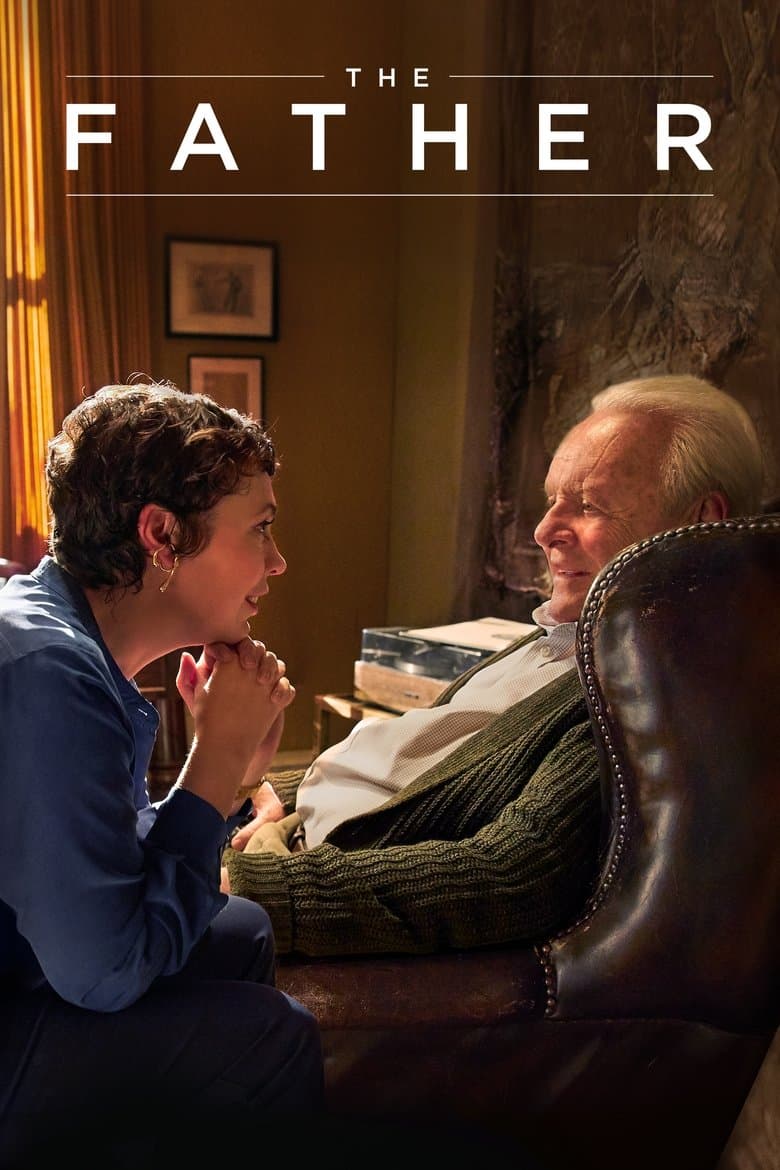
Movie · 2020
A man refuses all assistance from his daughter as he ages and, as he tries to make sense of his changing circumstances, he begins to doubt his loved ones, his own mind and even…
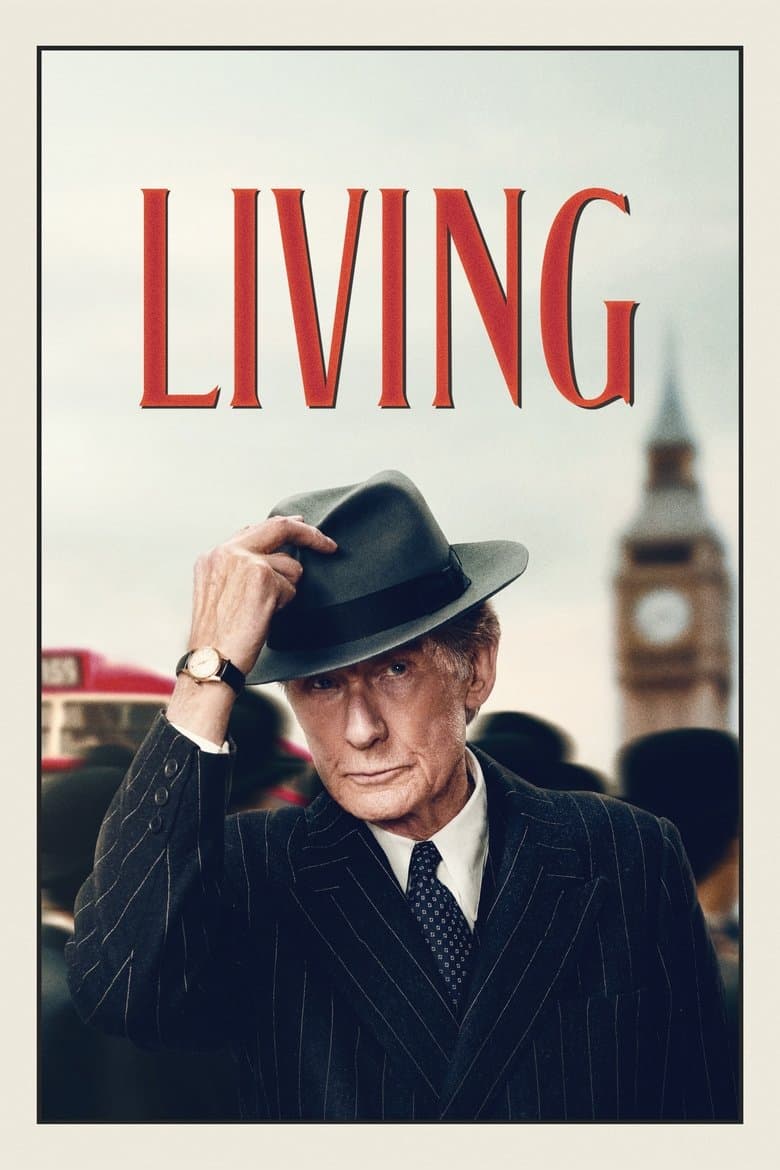
Movie · 2022
London, 1953. Mr. Williams, a veteran civil servant, is an important cog within the city's bureaucracy as it struggles to rebuild in the aftermath of World War II.

Movie · 2023
The story of J. Robert Oppenheimer's role in the development of the atomic bomb during World War II.
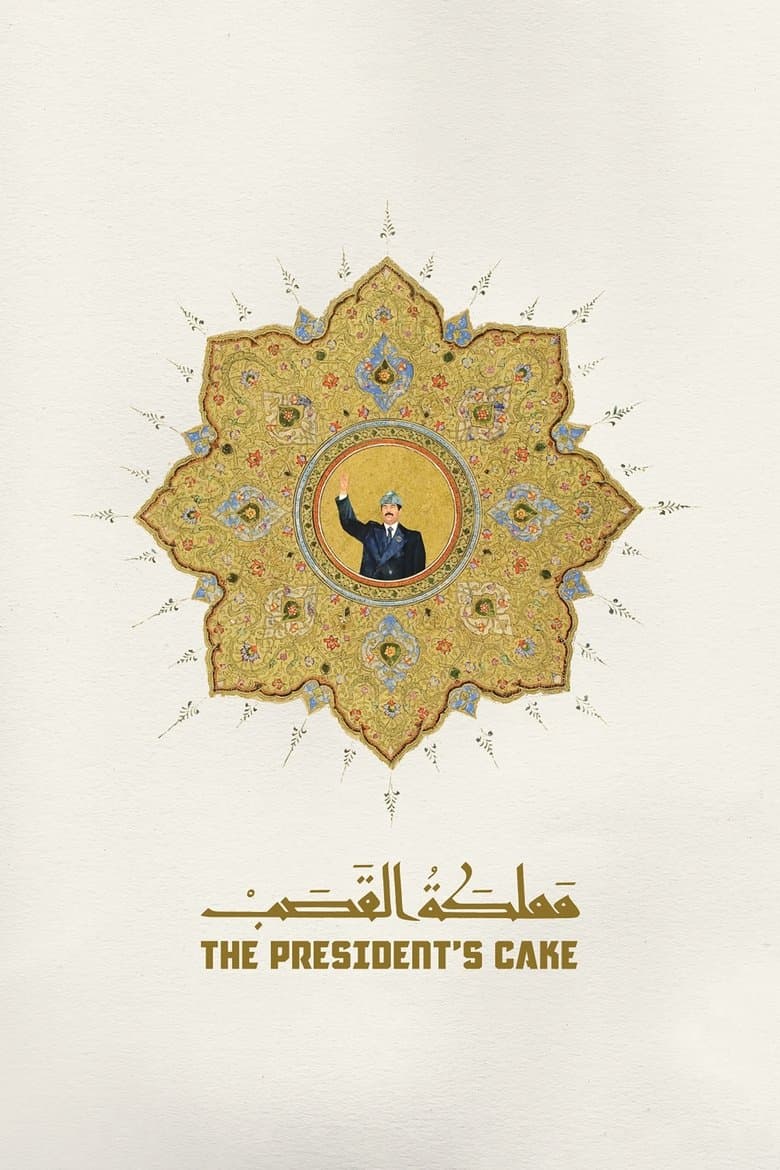
Movie · 2026
While people across 1990s Iraq struggle to survive the war and food shortages, Saddam Hussein requires each school in the country to prepare a cake to celebrate his birthday.
