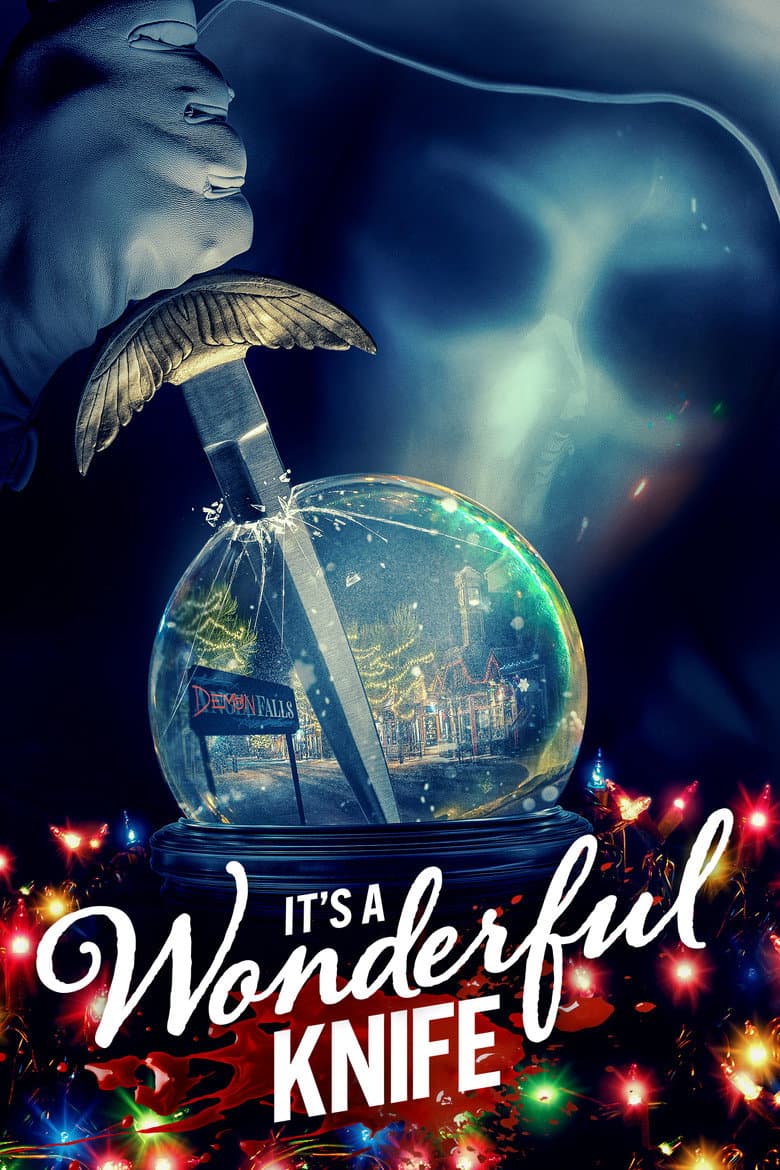
Winnie Carruthers is a teenage photographer in Angel Falls, a small town dressed up for Christmas. One year after she kills the masked Angel and saves the town, her family and neighbors push her to forget the deaths. After her boyfriend betrays her, Winnie wishes she had never been born and wakes in a parallel world where the killer still lives. She joins Bernie, a mocked town outsider, to stop the murders and find a way home. The film mixes bloody slasher scenes with jokes, romance, and a sweet holiday ending.
The film gives its main emotional weight to queer characters and relationships. Winnie's gay brother Jimmy, her lesbian aunt Gale and Gale's wife Karen, and the romance between Winnie and Bernie are all shown on screen. Winnie moves from a boyfriend to a girl she loves, and the story treats that change as part of her self-discovery. The film also says that a person can save others without knowing it, because Winnie's presence protects the town and helps Bernie abandon a plan to kill herself. These identity themes matter to the central friendship and ending, but the murder mystery and parallel-world plot remain the main structure.
Community feedback
Was our 88% Woke rating accurate?
Breakdown
These are the editorial factors and ratings behind our score for It's a Wonderful Knife.
Woke representation / casting
The film puts several queer characters in visible roles. Winnie and Bernie become the central couple, while Winnie's brother Jimmy is an openly gay football player and Aunt Gale is married to Karen. The film also includes an interracial couple and a black granddaughter in the town. The repeated identity pattern is prominent across the family and school cast.
82%
Woke political dialogue
Winnie says that women should not receive gifts tied to their bodies after her father gives her a scale. Gale and Karen joke that Karen's parents call them roommates instead of accepting their marriage. The film uses these lines to support a mild feminist and pro-gay message, but it has no repeated speeches about politics or activism.
15%
Identity-driven story themes
Queer identity is central to the story's emotional arc. Winnie moves from a boyfriend to a romance with Bernie, and the film treats her self-discovery as a good and lasting part of her life. Jimmy's death, Gale and Karen's marriage, and Bernie's fear and loneliness keep queer characters tied to the main family and mystery. The ending makes Winnie and Bernie a couple and says their lives matter.
85%
Western institutional / cultural critique
Winnie's father gives her a scale and pink workout clothes while giving Jimmy a truck, and Winnie calls the body-focused gift unacceptable. Robbie's cheating and Henry's control also make some male characters look selfish or weak. These points add a mild critique of family gender roles and male behavior. Henry's attack on homes is mainly a generic greedy villain plot, not a broad critique of Western institutions.
20%
Woke character or canon changes
The film changes George Bailey into Winnie, a teenage girl, and turns the original wish story into a queer slasher. The main romance also changes from a straight relationship to Winnie's romance with Bernie. Interviews describe the film as a queer version of It's a Wonderful Life and say the new romance was added during filming. These identity-driven changes are central, although the movie is a loose horror version rather than a direct remake.
45%
Anti-woke backlash and complaints
A right-leaning review called the film woke and said its gay romances, interracial couple, Black granddaughter, and bisexual romance felt like diversity box checking. Slashfilm reported review bombs that called it gay, anti-suicide propaganda, along with an online claim that the film was trying to make children gay. Some horror forum users said the LGBT material went too far, while others welcomed it. The backlash is clear but comes from a small and mixed group.
43%
Creator track record context
Michael Kennedy has a stored woke score of 53 and a clear history of queer representation. Tyler MacIntyre has a stored score of 0 and mainly works in genre film. Daniel Bekerman has a stored score of 54 for public diversity support, while most other listed producers have low or zero stored scores. The strongest creator context supports the film's queer focus, but the full team does not show one shared activist record.
38%
Production
Movie · 2022
Legendary rock band Foo Fighters move into an Encino mansion steeped in grisly rock and roll history to record their much anticipated 10th album.
Movie · 2026
Moments after surviving an all-out attack from the Le Domas family, Grace discovers she’s reached the next level of the nightmarish game — and this time with her estranged sister…
Movie · 2025
When twin brothers find a mysterious wind-up monkey, a series of outrageous deaths tear their family apart. Twenty-five years later, the monkey begins a new killing spree forcing…
Movie · 2022
A college reunion goes awry when Pete suspects his friends may be out to get him... As their weekend getaway grows more and more uncomfortable, should Pete be worried about his…
Movie · 2025
When 24-year-old Jason Hochberg arrives for counsellor weekend at his beloved Camp Pineway, his biggest problem is feeling out of touch with his teenage co-workers.
Movie · 2018
Fans flock to a festival celebrating the most iconic horror movies, only to discover that the charismatic showman behind the event has a diabolical agenda.
Movie · 2024
A live broadcast of a late-night talk show in 1977 goes horribly wrong, unleashing evil into the nation's living rooms.
Movie · 2023
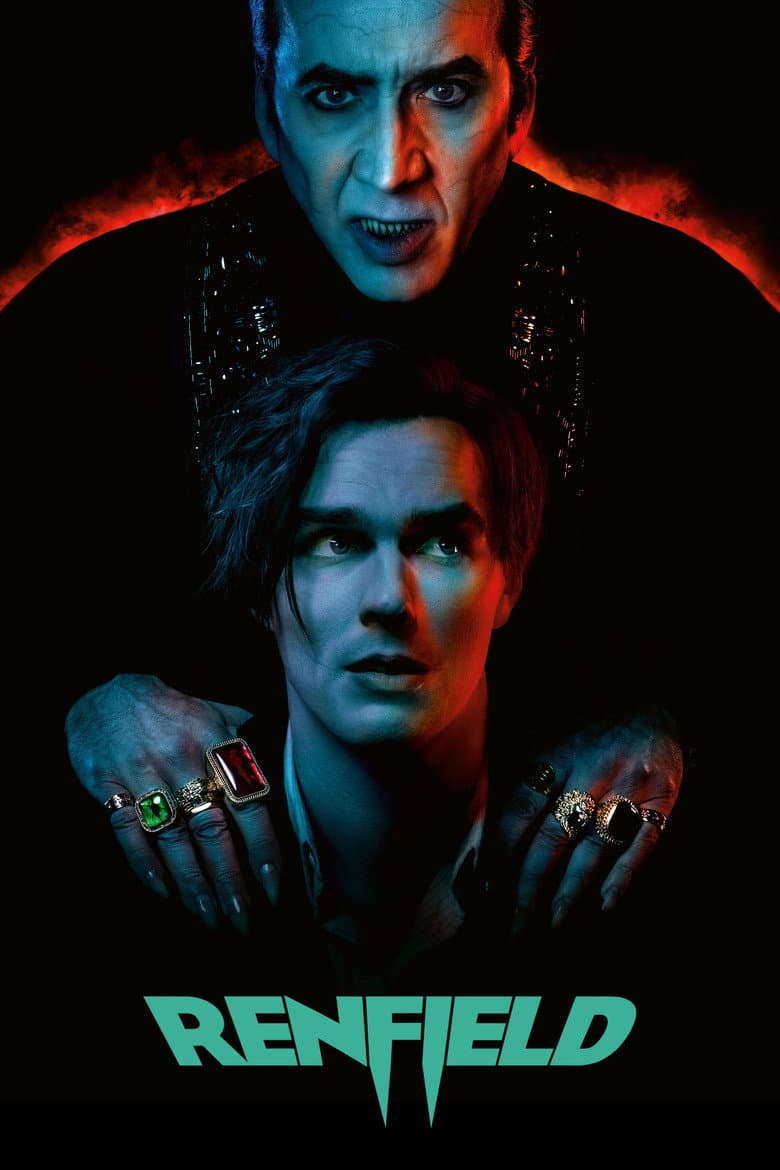
Having grown sick and tired of his centuries as Dracula's lackey, Renfield finds a new lease on life — and maybe even redemption — when he falls for feisty, perennially angry…
