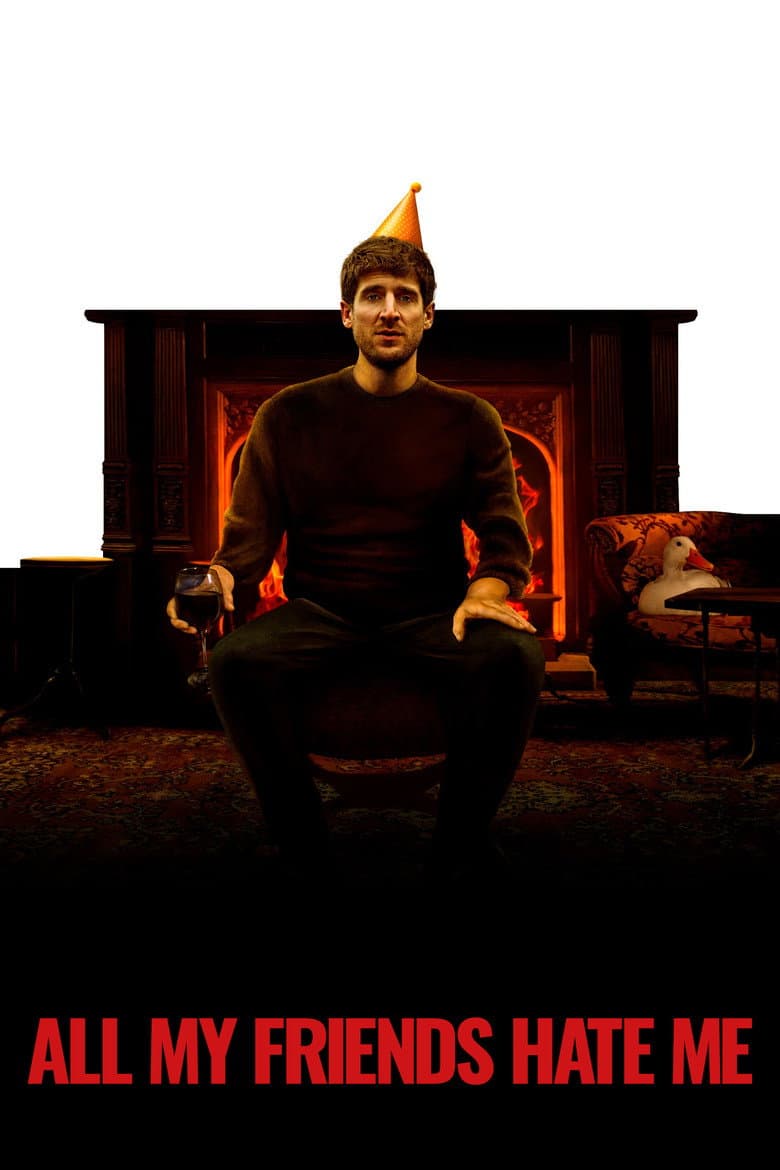
Pete returns from volunteer work in a refugee camp to celebrate his 31st birthday with old college friends at a large country house. The friends act warm, but their jokes become strange and cruel after they bring Harry, a local man from a pub, into the group. Pete starts to fear that Harry and the others are planning to hurt him. His fear grows through drinking, drugs, old secrets, and his own social anxiety. The film mixes dark comedy with slow, uneasy horror.
Pete presents his refugee work as proof that he has become a better person. His friends expose his class snobbery, self-centered behavior, past cruelty, and failure to ask about their lives. The story also shows wealthy college friends mocking a local man and treating serious pain as a joke. These themes give the film mild class and personal-morality criticism, but the plot stays focused on guilt, friendship, paranoia, and whether people can change.
Community feedback
Was our 21% Woke rating accurate?
Breakdown
These are the editorial factors and ratings behind our score for All My Friends Hate Me.
Woke representation / casting
Not present. Fig is played by Georgina Campbell, but the film does not frame her race or gender as a cause or message. The modern British friend group does not show a clear diversity-first casting pattern.
0%
Woke political dialogue
Pete talks about his refugee work several times and uses it to show that he has changed. His friends mock that work and his moral posing instead of giving an activist speech. The group also uses class-based insults and jokes about serious harm. These lines support a mild activist and social-justice signal, but they mainly expose Pete’s self-image and the group’s cruelty.
12%
Identity-driven story themes
Pete treats his refugee work as proof that he has become a better person. The group keeps testing that claim by exposing his class snobbery, self-centered habits, and past cruelty toward a girl and his ex-girlfriend. The film makes privilege, guilt, and social status part of the pressure around the birthday party. The main story still follows paranoia, old friendship, anxiety, and personal guilt, so the identity-driven themes remain mild.
27%
Western institutional / cultural critique
Not present. The film mocks class habits and personal rudeness, but it does not attack Western institutions, religion, family life, or traditional social rules. Pete’s bad behavior is treated as a personal flaw, not as part of a wider activist critique.
0%
Woke character or canon changes
Not relevant. The film is an original story about a modern birthday reunion. It does not change an established character, source, historical person, or known event for an identity message.
0%
Anti-woke backlash and complaints
One small review calls the friends’ charity-minded behavior “woke-dom” and mocks their elite travel and humanitarian image. That complaint treats the film’s social attitudes as fake elite virtue, so it is relevant to this factor. The supplied X research found no anti-woke reaction, boycott talk, or review-bombing. Reddit discussion mostly covers the ending, class, bullying, and social anxiety. The evidence is isolated and fringe rather than broad.
12%
Creator track record context
Andrew Gaynord, Tom Stourton, and Tom Palmer have cached scores of 0 and are mainly linked to comedy about anxiety, privilege, and awkward behavior. Jon Plowman has a low cached score of 14 and has defended political correctness in comedy. Peregrine Kitchener-Fellowes and Lucy Rands also have low cached scores of 0 and 12. The key creative record does not show a strong identity-driven pattern.
6%
Production
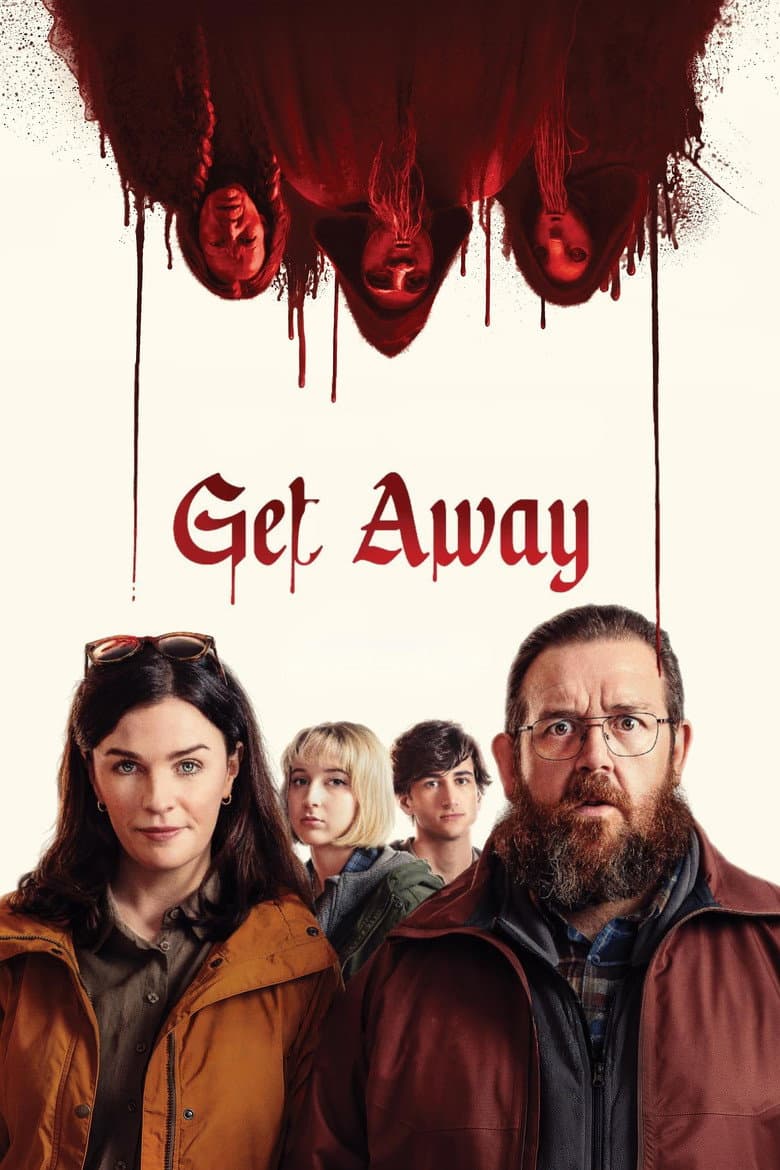
Movie · 2024
A family's vacation to a remote getaway takes an unexpected turn when they discover the present-day implications of the island's cannibalistic past.

Movie · 2022
Legendary rock band Foo Fighters move into an Encino mansion steeped in grisly rock and roll history to record their much anticipated 10th album.

Movie · 2021
The Blind Man has been hiding out for several years in an isolated cabin and has taken in and raised a young girl orphaned from a devastating house fire.
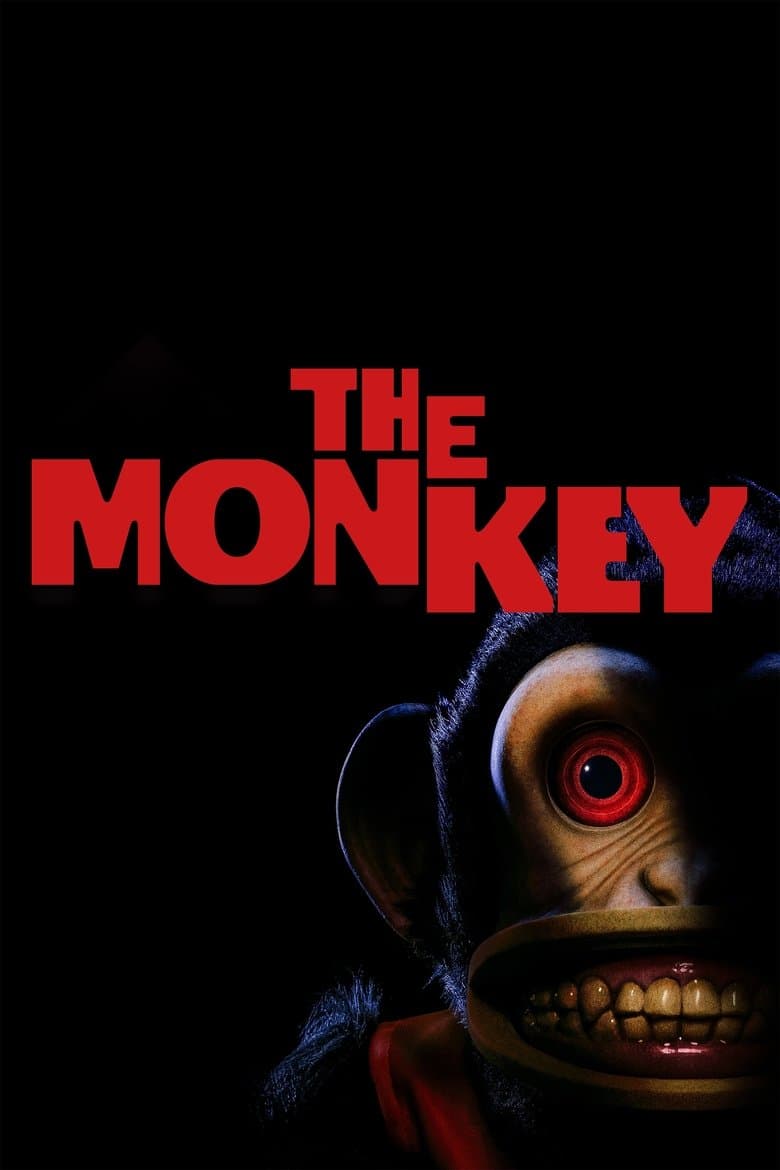
Movie · 2025
When twin brothers find a mysterious wind-up monkey, a series of outrageous deaths tear their family apart. Twenty-five years later, the monkey begins a new killing spree forcing…

Movie · 2019
When a huge hurricane hits her hometown in Florida, Haley ignores evacuation orders to look for her father. After finding him badly wounded, both are trapped by the flood.

Movie · 2017
When Cole stays up past his bedtime, he discovers that his hot babysitter is part of a Satanic cult that will stop at nothing to keep him quiet.

Movie · 2024
A group of criminals kidnap a teenage ballet dancer, the daughter of a notorious gang leader, in order to obtain a ransom of $50 million, but over time, they discover that she is…

Movie · 2019
Columbus, Tallahassee, Wichita, and Little Rock move to the American heartland as they face off against evolved zombies, fellow survivors, and the growing pains of the snarky…
