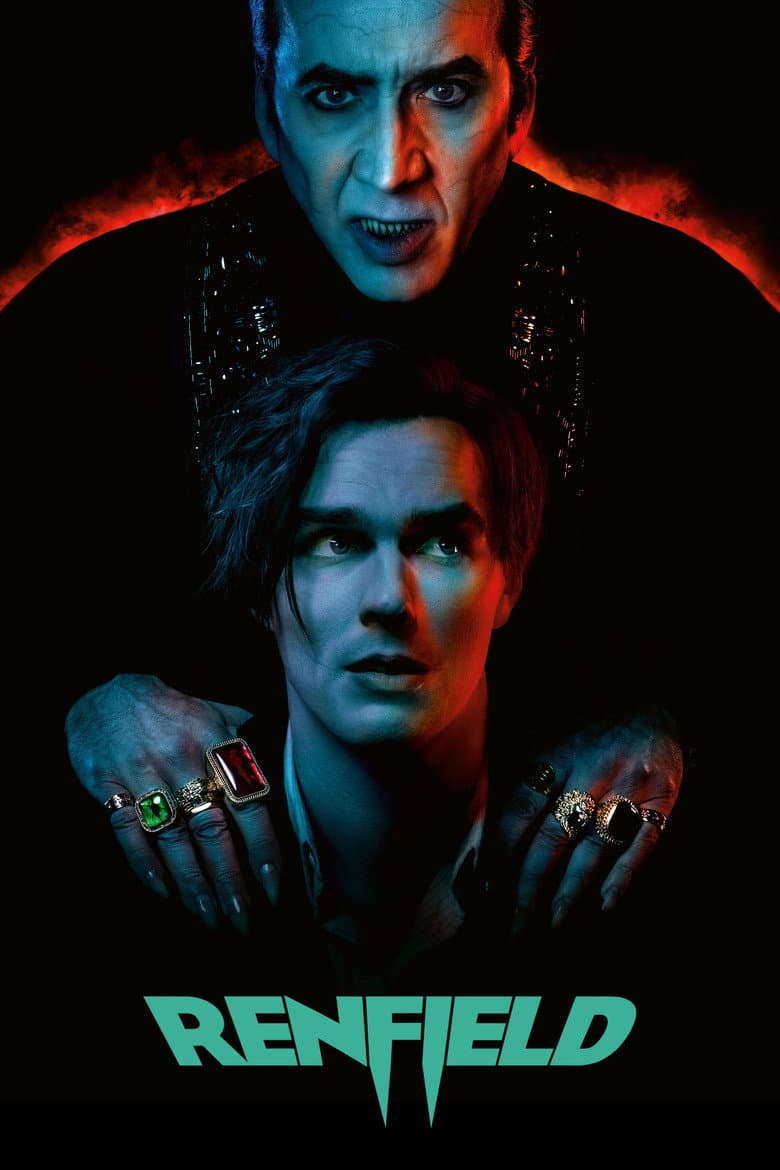
Renfield is a horror comedy that plays like a loose follow up to the classic 1931 Dracula story. Nicholas Hoult plays Renfield, the immortal servant of Count Dracula. After years of abuse and fetching blood for his master, he is worn out and wants a normal life. In New Orleans he joins a support group for people stuck in unhealthy bonds. He also teams up with tough traffic cop Rebecca Quincy, who is chasing the Lobo crime family that killed her father, while Dracula and the Lobos close in on them both.
What shows up most is modern therapy and self help talk, not race or queer politics. The story frames leaving a toxic boss like bond through recovery language, then pairing with a determined woman cop for a second chance. Rebecca is a major Asian American female action lead, her sister is an FBI agent, and a crime matriarch outranks her weak son. Those roles are clear on screen, but the leads Dracula and Renfield stay white men in line with the old source. Corrupt cops on a crime payroll and light jokes about a bad male boss are ordinary crime comedy beats, not a big attack on Western institutions.
Community feedback
Was our 27% Woke rating accurate?
Breakdown
These are the editorial factors and ratings behind our score for Renfield.
Woke representation / casting
Awkwafina plays a major Asian American woman cop who is a co-lead and moral center. Her sister is an FBI agent, and a woman crime boss outranks her weak son. Diverse casting feels normal for modern New Orleans, but strong women of color still hold key heroic and power roles. Dracula and Renfield stay white men in line with the classic source, and no strong studio diversity-first campaign was found.
22%
Woke political dialogue
The talk focuses on support group ideas like narcissists, codependency, recovery steps, and self-improvement. It does not push race, gender, or identity politics lectures. Reviewers noticed the film using the language of trauma, recovery, and self-empowerment.
18%
Identity-driven story themes
The main plot is escaping an abusive bond through therapy culture and self-empowerment, then teaming with a determined woman cop for redemption. That is modern progressive-coded framing of a gothic myth, not a race or queer identity plot. Classic Dracula material becomes workplace and relationship recovery comedy rather than identity activism.
30%
Western institutional / cultural critique
Corrupt police on a crime family payroll is normal crime movie plotting, not a big activist attack on policing. Dracula as a narcissistic male abuser and Teddy as a cowardly son under a powerful mother add light male toxicity comedy. A priest dies in a set piece, and the church is mainly a support group location, not an anti-Christian thesis.
15%
Woke character or canon changes
Not relevant. Dracula and Renfield are not race- or gender-swapped; Rebecca and the Lobos are original modern characters. Comedy, gore, and therapy modernization are ordinary adaptation choices, not identity-driven canon rewrites.
0%
Anti-woke backlash and complaints
Not present. No meaningful anti-woke, DEI, or agenda backlash campaign turned up in news or social search. Public talk centered on Cage’s performance, splatstick gore, mixed reviews, and the box-office flop, not identity politics.
0%
Creator track record context
Cached creatives score low, with McKay, Ridley, Kirkman, and producers mostly in the single digits or low teens. Interviews about the film stress toxic boss comedy, splatstick fun, and 1931 Dracula homage. They do not push activism or representation campaigns.
10%
Production
Movie · 2024
A gothic tale of obsession between a haunted young woman and the terrifying vampire infatuated with her, causing untold horror in its wake.
Movie · 2023
Hapless family man Paul Matthews finds his life turned upside down when millions of strangers suddenly start seeing him in their dreams.
Movie · 2024
In the misty forests of North America, a family of Sasquatches—possibly the last of their enigmatic kind—embark on an absurdist, epic, hilarious, and ultimately poignant journey…
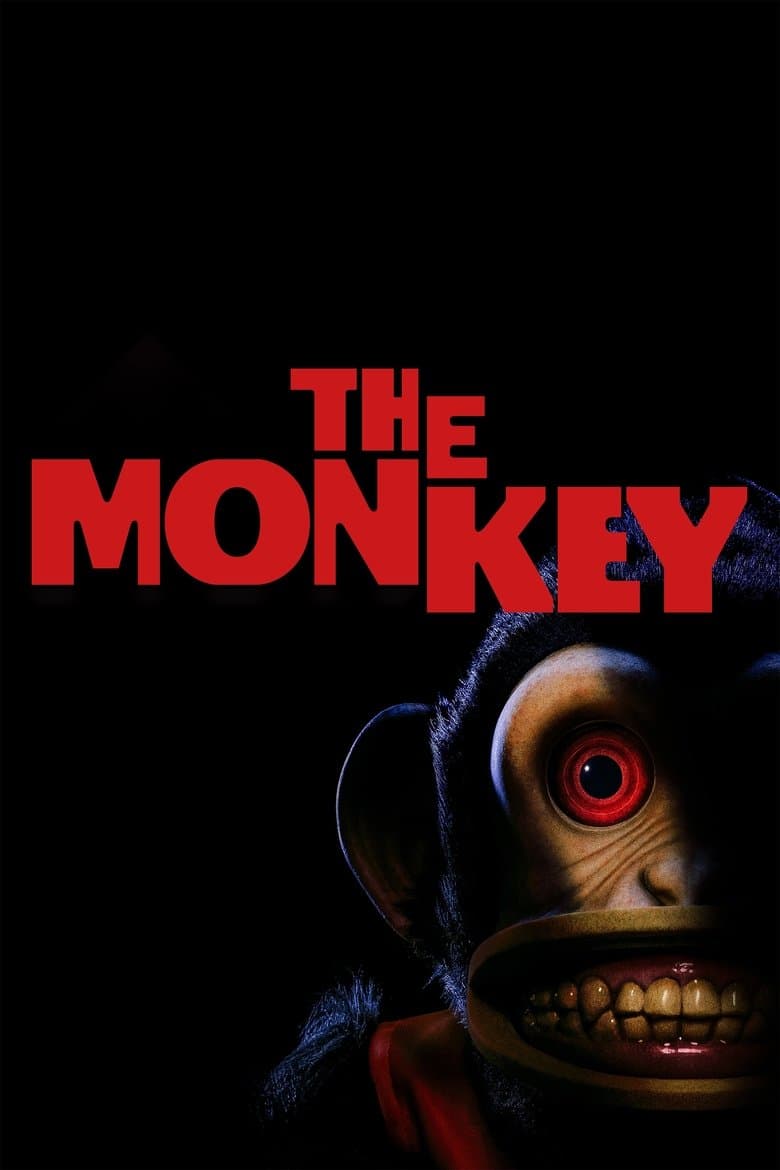
Movie · 2025
When twin brothers find a mysterious wind-up monkey, a series of outrageous deaths tear their family apart. Twenty-five years later, the monkey begins a new killing spree forcing…
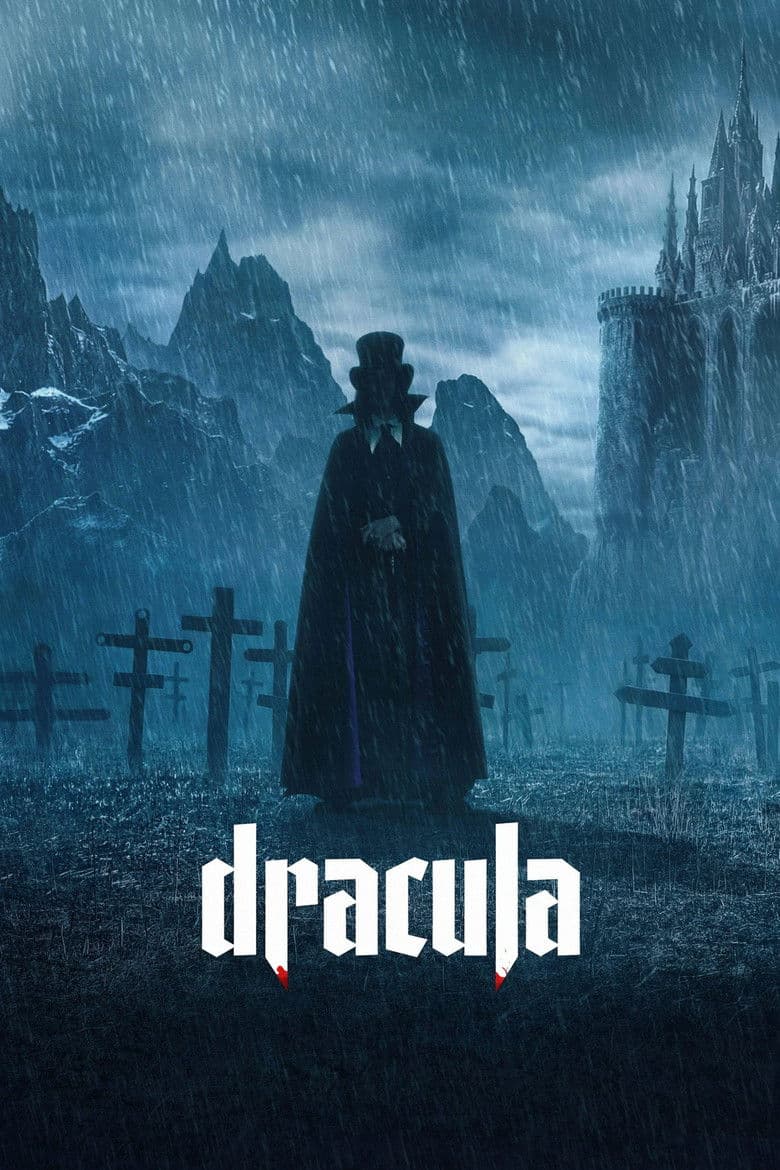
Movie · 2025
In late 15th-century Eastern Europe, Prince Vlad II’s bride is brutally murdered. As a result, he renounces God and damns Heaven itself.
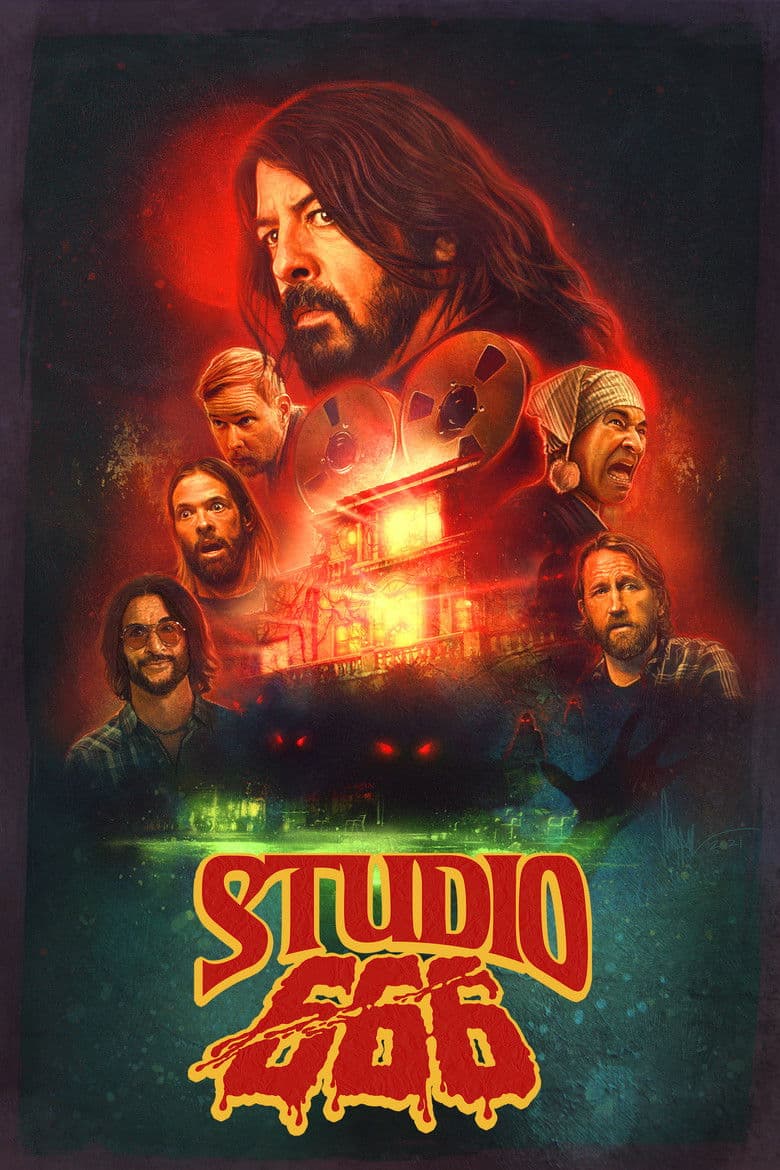
Movie · 2022
Legendary rock band Foo Fighters move into an Encino mansion steeped in grisly rock and roll history to record their much anticipated 10th album.
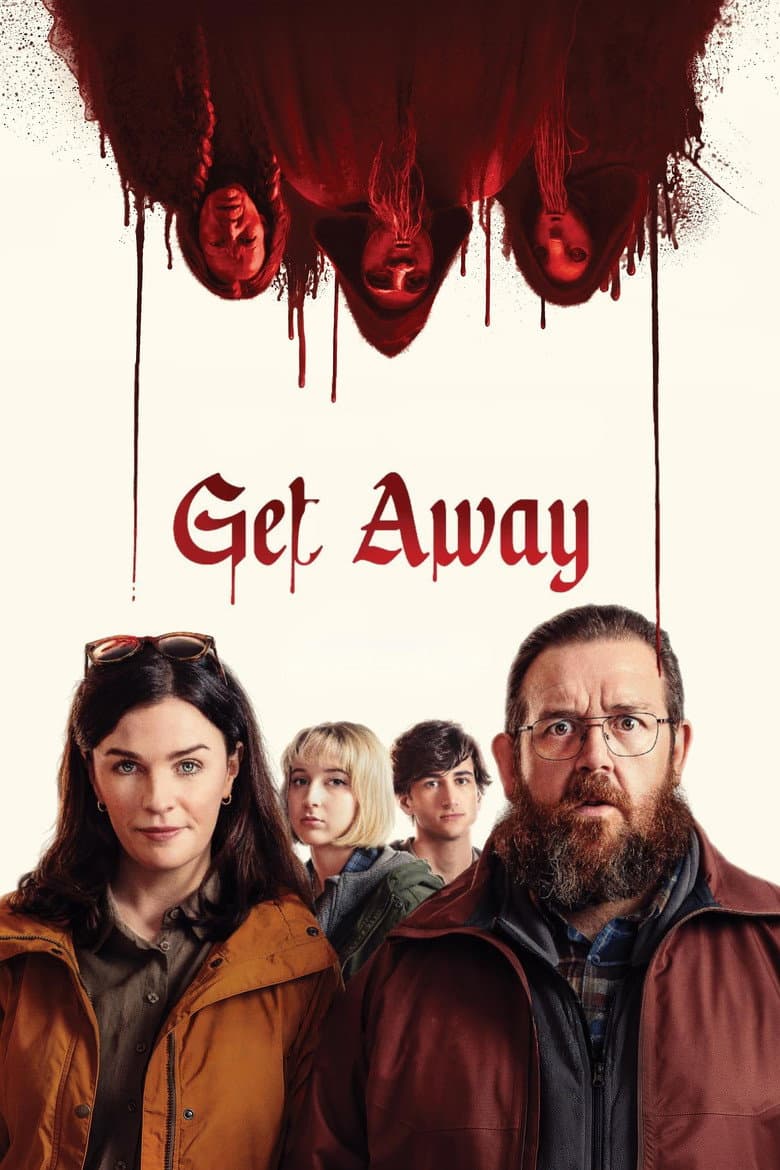
Movie · 2024
A family's vacation to a remote getaway takes an unexpected turn when they discover the present-day implications of the island's cannibalistic past.

Movie · 2019
On the outskirts of a kingdom, a quiet but fierce medieval warrior protects the realm from monsters and the occult.
