
Ready or Not: Here I Come follows Grace MacCaullay moments after she survives the deadly wedding game from the first movie. She reunites with her estranged younger sister Faith, but a new group of wealthy families kidnaps both women and forces them into another hunt. The game takes place at a rich family's estate, where rival clans fight for a seat on a secret council that controls the world. The film uses fast action, bloody kills, dark jokes, and a serious sister conflict.
The main audience-visible woke-related element is a mild female-empowerment theme. Grace and Faith are the central heroes, and they fight a ruling system built on inherited wealth, marriage deals, blood rules, and family power. Grace rejects a marriage that would give her safety and ends the council's rule, while Faith helps her survive and leave the system. The film also presents the rich families as a broad anti-elite target, but it does not use current identity politics, activist speeches, or queer themes as major parts of the story.
Community feedback
Was our 20% Woke rating accurate?
Breakdown
These are the editorial factors and ratings behind our score for Ready or Not: Here I Come.
Woke representation / casting
Not present. Grace and Faith are played by white actresses. The council includes people from several backgrounds because it is presented as an international group of wealthy families. The film does not make diversity or identity a stated goal in the story or its promotion.
0%
Woke political dialogue
Not present. The dialogue explains the game rules, family rivalries, marriage loopholes, and the fight for the High Seat. The movie does not give modern activist speeches about identity, social justice, or political parties.
0%
Identity-driven story themes
Grace and Faith are the two central heroes, and the movie gives their sister bond the main emotional arc. The story presents their survival and victory as a mild female-empowerment message. Grace rejects a marriage deal used by the ruling family and helps destroy its power. The film does not make race, sexuality, or current identity politics part of the main story.
18%
Western institutional / cultural critique
The film makes inherited wealth and a closed council the main threat. The families pass power through blood pacts, secret rules, and a marriage deal that turns entry into the ruling group into a trap. Grace rejects that deal, destroys the power ring, and helps end the council, so the anti-elite message shapes the ending. The film uses a fictional Satanic group and broad gore instead of naming real institutions or giving a detailed political program.
22%
Woke character or canon changes
Not relevant. Faith is a new sister created for the sequel, but coverage says the sister story began as an original idea and was later placed in the Ready or Not world. The change does not alter an established character or canon point for an identity reason.
0%
Anti-woke backlash and complaints
Only a few tiny or anonymous X accounts complained about the film's “girlboss” angle or called it “girlboss franchise slop.” Another small post described it as “Good For Her” horror while saying the story undercuts pure girlboss competence. No boycott, review-bombing effort, or large right-leaning campaign appeared.
12%
Creator track record context
Samara Weaving, who is also a producer, has spoken about feminist heroines and women being heard in Hollywood. That gives the project a mild female-empowerment context. The directors and writers have no documented activist pattern.
10%
Production

Movie · 2019
Columbus, Tallahassee, Wichita, and Little Rock move to the American heartland as they face off against evolved zombies, fellow survivors, and the growing pains of the snarky…

Movie · 2022
Legendary rock band Foo Fighters move into an Encino mansion steeped in grisly rock and roll history to record their much anticipated 10th album.

Movie · 2025
When twin brothers find a mysterious wind-up monkey, a series of outrageous deaths tear their family apart. Twenty-five years later, the monkey begins a new killing spree forcing…

Movie · 2017
When Cole stays up past his bedtime, he discovers that his hot babysitter is part of a Satanic cult that will stop at nothing to keep him quiet.

Movie · 2022
Trapped on her family’s isolated farm, Pearl must tend to her ailing father under the bitter and overbearing watch of her devout mother.
Movie · 2026
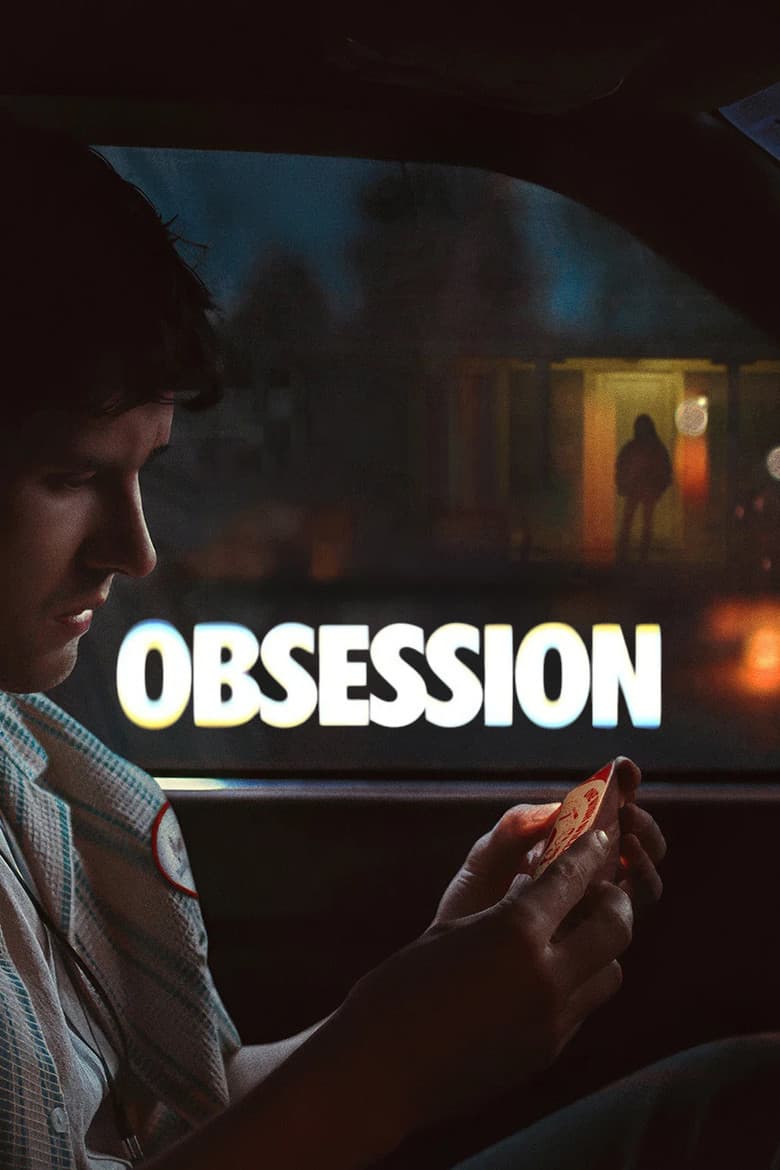
After breaking the mysterious "One Wish Willow" to win his crush's heart, a hopeless romantic finds himself getting exactly what he asked for but soon discovers that some desires…

Movie · 2024
A family's vacation to a remote getaway takes an unexpected turn when they discover the present-day implications of the island's cannibalistic past.

Movie · 2016
Ronnie runs a Disco walking tour with his son, Brayden. When a sexy woman takes the tour, it begins a competition between father and son for her love.
