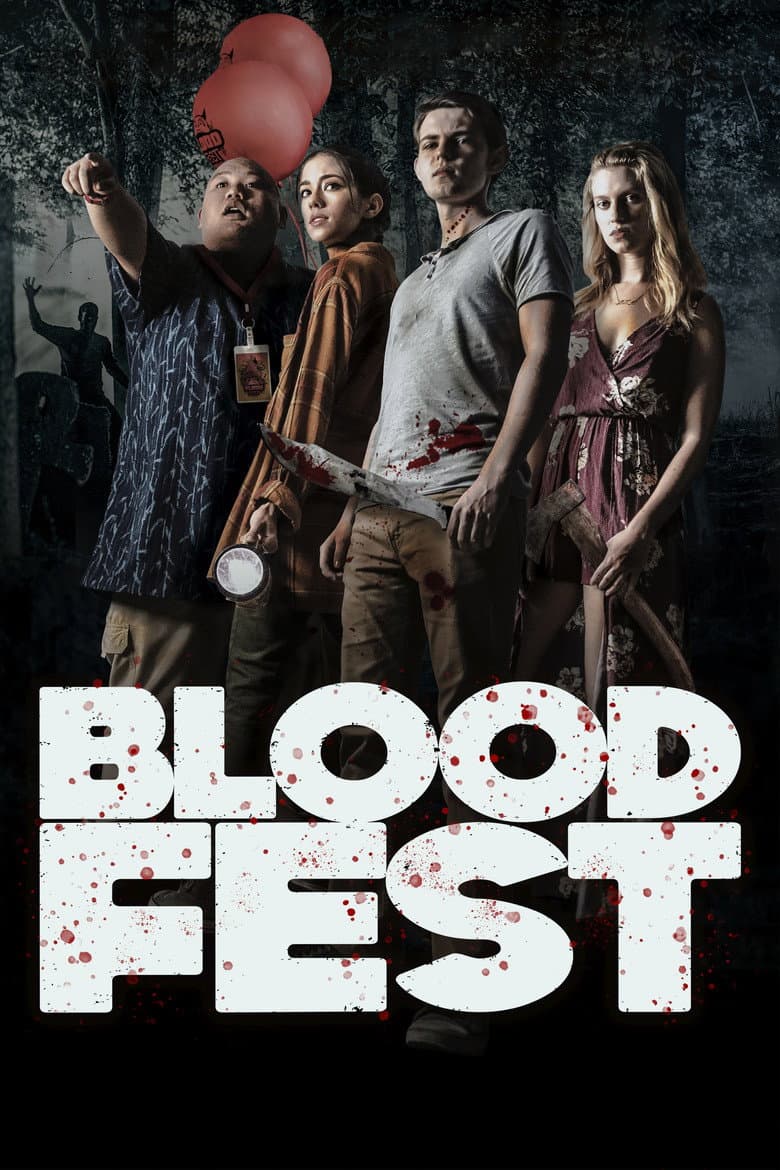
Blood Fest follows Dax Conway, a teenager who loves horror movies after losing his mother in a violent attack. His father blames horror for the death and tries to stop Dax from attending a huge festival on a remote ranch. Dax sneaks in with Sam, Krill, and Ashley, but the festival turns into a real killing ground filled with zombies, vampires, clowns, and traps. The movie uses gore, jokes, horror rules, and a fast pace to make the night feel like a loud and messy horror ride.
The main woke element is a mild cultural message about censorship and fear of horror. Dr. Conway calls fans freaks and degenerates, then joins the massacre because he wants to destroy horror films. The story presents his attack as a cruel overreaction and shows him becoming as violent as the people he condemns. Sam and Jayme also take visible action roles, but the film does not make race, gender, sexuality, or modern activist politics central to the story.
Community feedback
Was our 25% Woke rating accurate?
Breakdown
These are the editorial factors and ratings behind our score for Blood Fest.
Woke representation / casting
Not present. The main group has a mixed cast in a present-day American setting, but the story gives no identity-based reason for the choices. The film does not present the group as a diversity message.
0%
Woke political dialogue
Not present. The characters argue about horror movies, violence, and censorship. They do not push modern identity, DEI, or activist ideas.
0%
Identity-driven story themes
Sam is a tough horror fan who fights beside Dax and kills the vampire Rain. Jayme turns on her father and helps Dax escape. These female action roles appear across the survival story, but the film does not make gender politics or female empowerment its main subject.
28%
Western institutional / cultural critique
Dr. Conway attacks Blood Fest on television and calls its fans freaks and degenerates. He blames horror movies for his wife’s death and joins the massacre to end the genre. The story treats his ban on horror as cruel censorship and shows him becoming as violent as the people he condemns. The film also mocks the festival’s commercial side, but it does not attack wider Western institutions.
30%
Woke character or canon changes
Not relevant. The film is an original story about a fictional horror festival. It does not change established characters or real history.
0%
Anti-woke backlash and complaints
Not present. No reviewed source shows complaints that the film pushes woke, DEI, identity politics, or left-wing messaging. Audience comments mostly discuss gore, jokes, pacing, and acting.
0%
Creator track record context
Owen Egerton’s supplied record centers on horror, comedy, and writing rather than activist work. Burnie Burns and Matt Hullum are mainly tied to online comedy, production, and fan media. Seth Caplan’s earlier producing work includes a queer coming-of-age film, while the other listed producers show little identity-driven work. The overall creator context is low for this title.
15%
Production
Movie · 2017
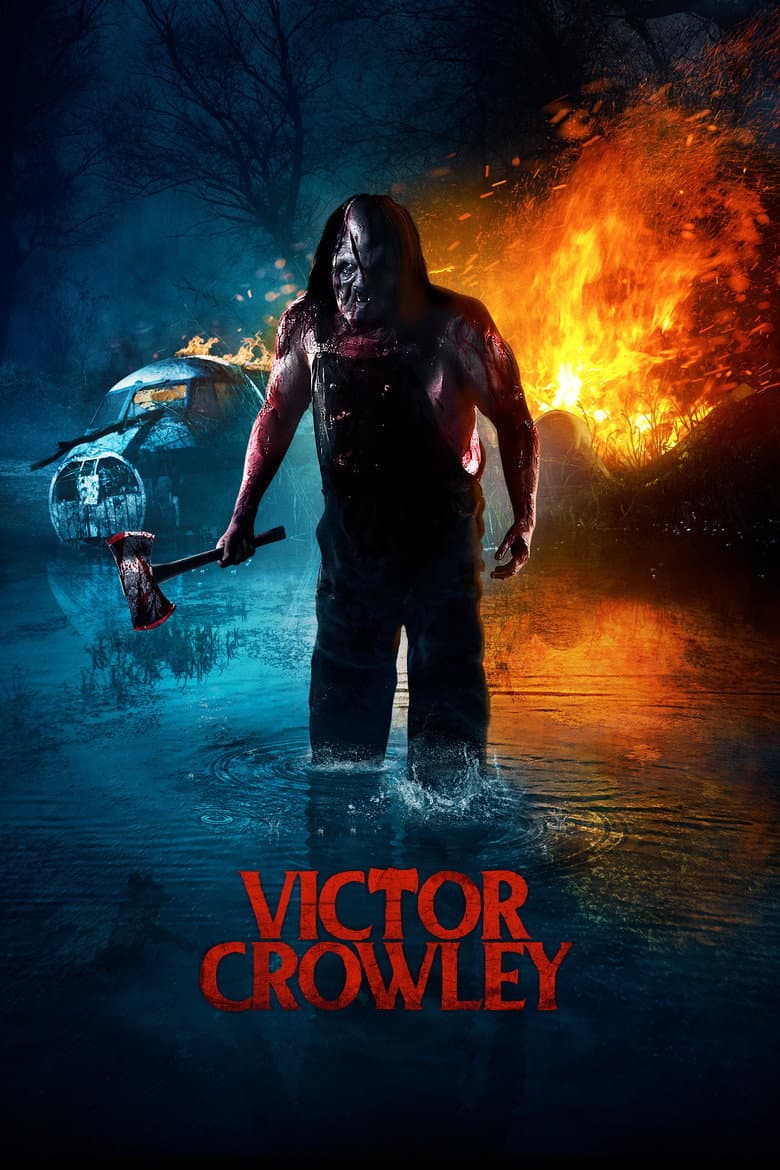
Ten years ago, over forty people were brutally torn to pieces in Louisiana’s Honey Island Swamp. Over the past decade, lone survivor Andrew’s claims that local legend Victor…
Movie · 2016
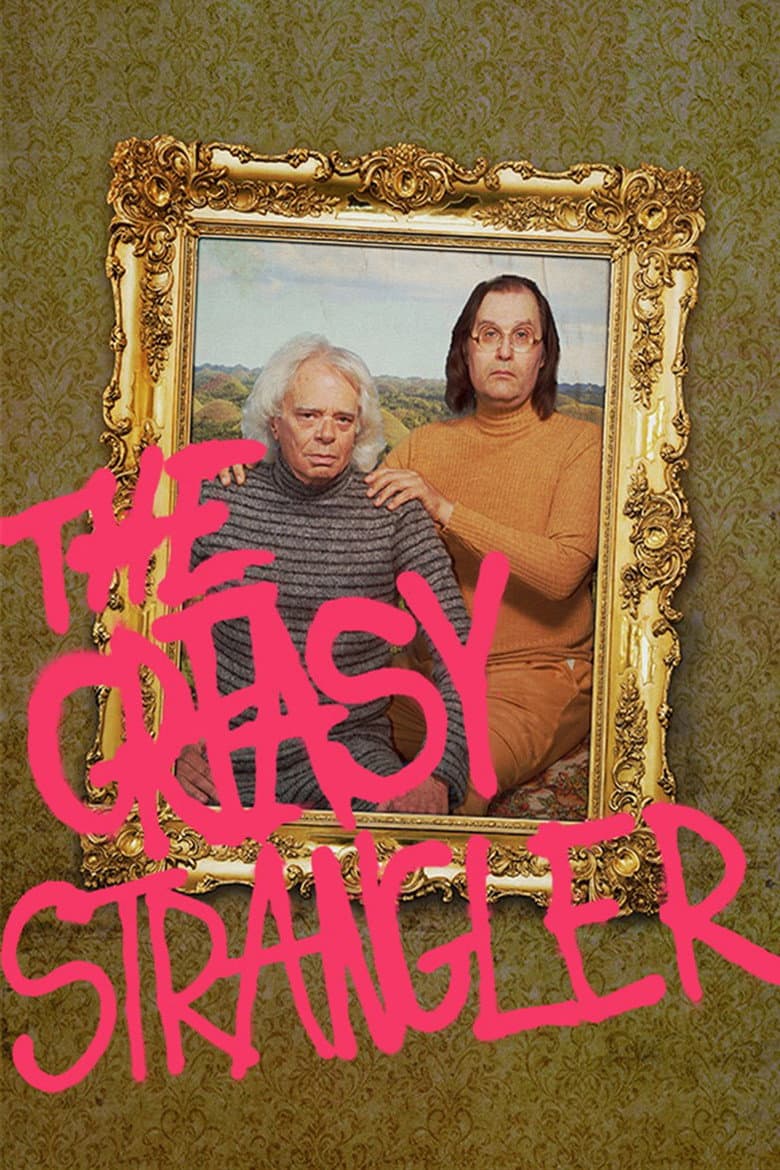
Ronnie runs a Disco walking tour with his son, Brayden. When a sexy woman takes the tour, it begins a competition between father and son for her love.
Movie · 2017
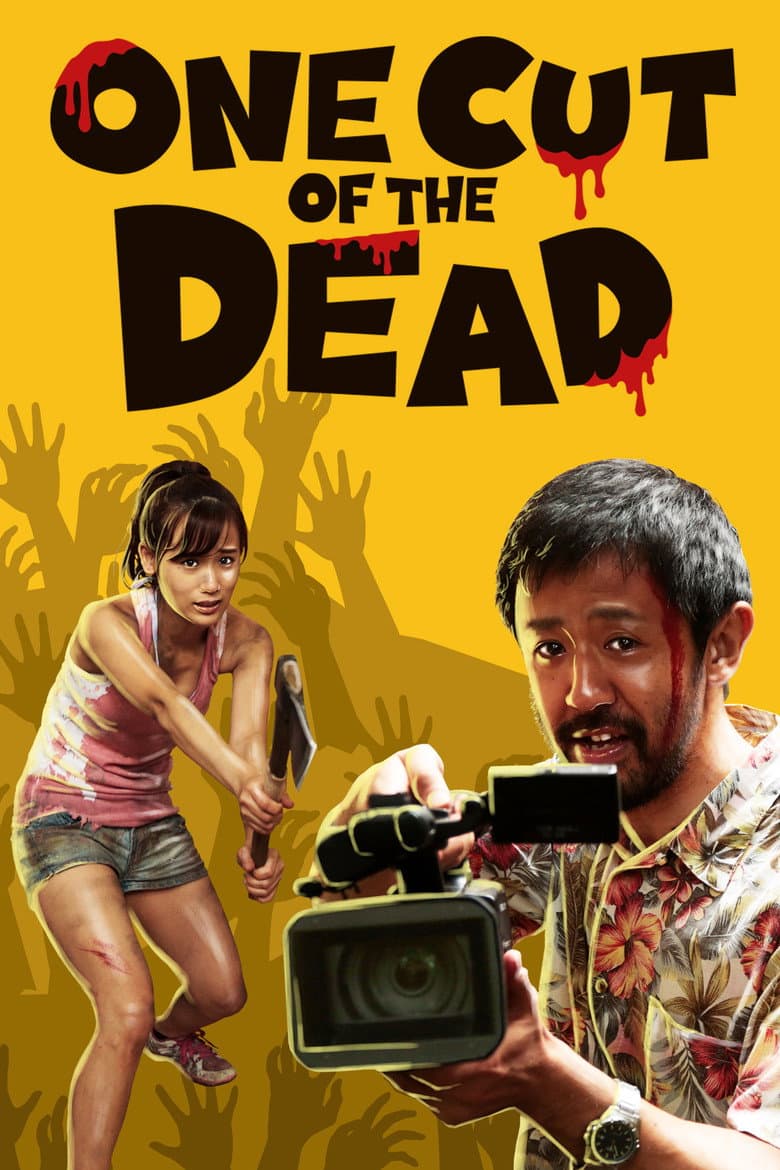
Real zombies arrive and terrorize the crew of a zombie film being shot in an abandoned warehouse, said to be the site of military experiments on humans.
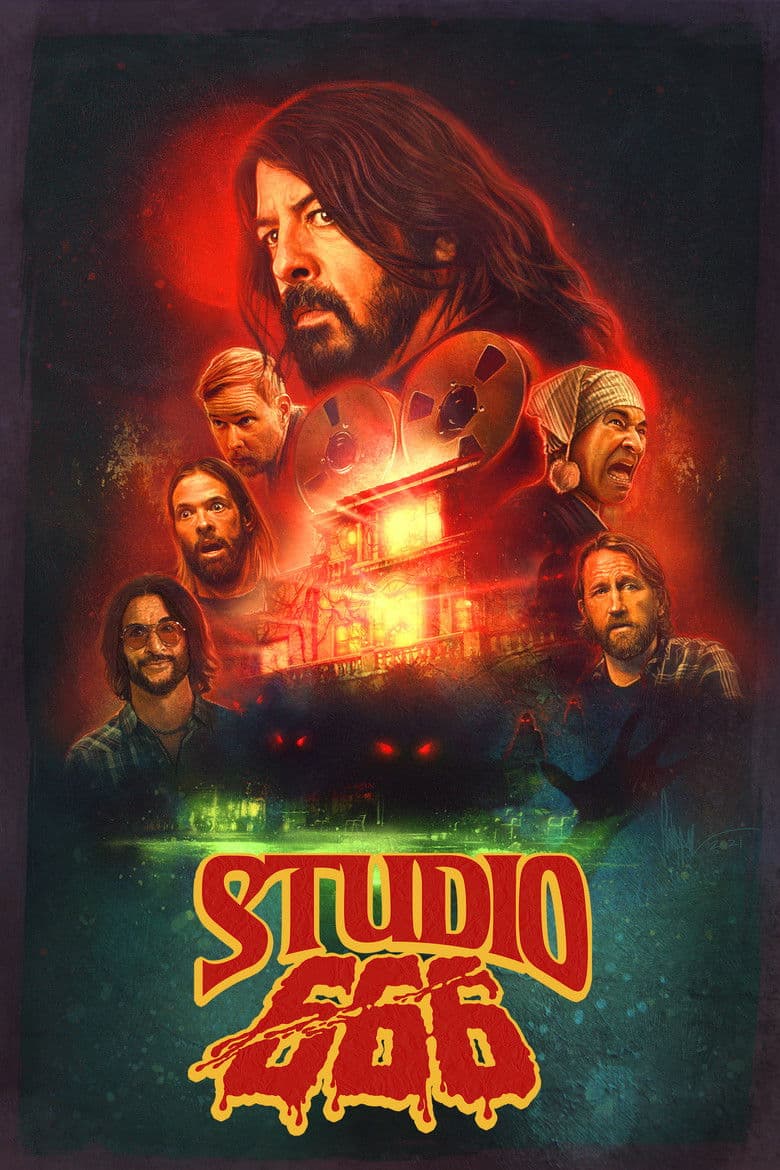
Movie · 2022
Legendary rock band Foo Fighters move into an Encino mansion steeped in grisly rock and roll history to record their much anticipated 10th album.
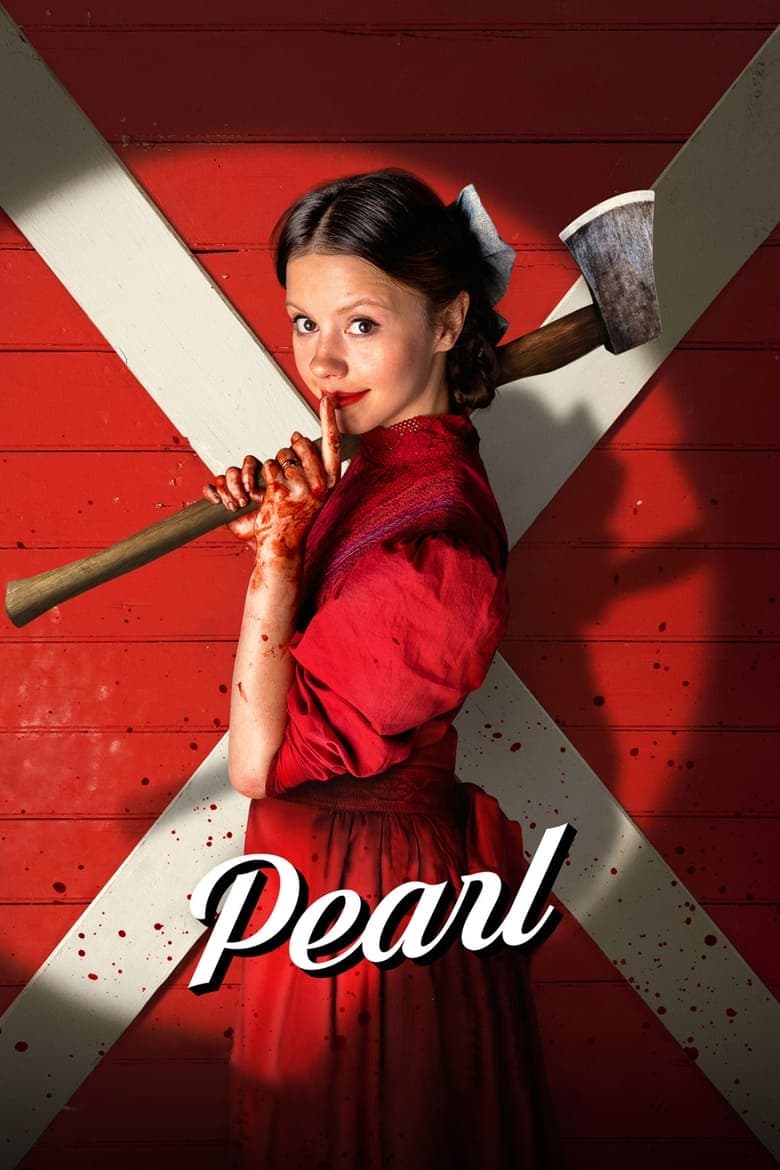
Movie · 2022
Trapped on her family’s isolated farm, Pearl must tend to her ailing father under the bitter and overbearing watch of her devout mother.
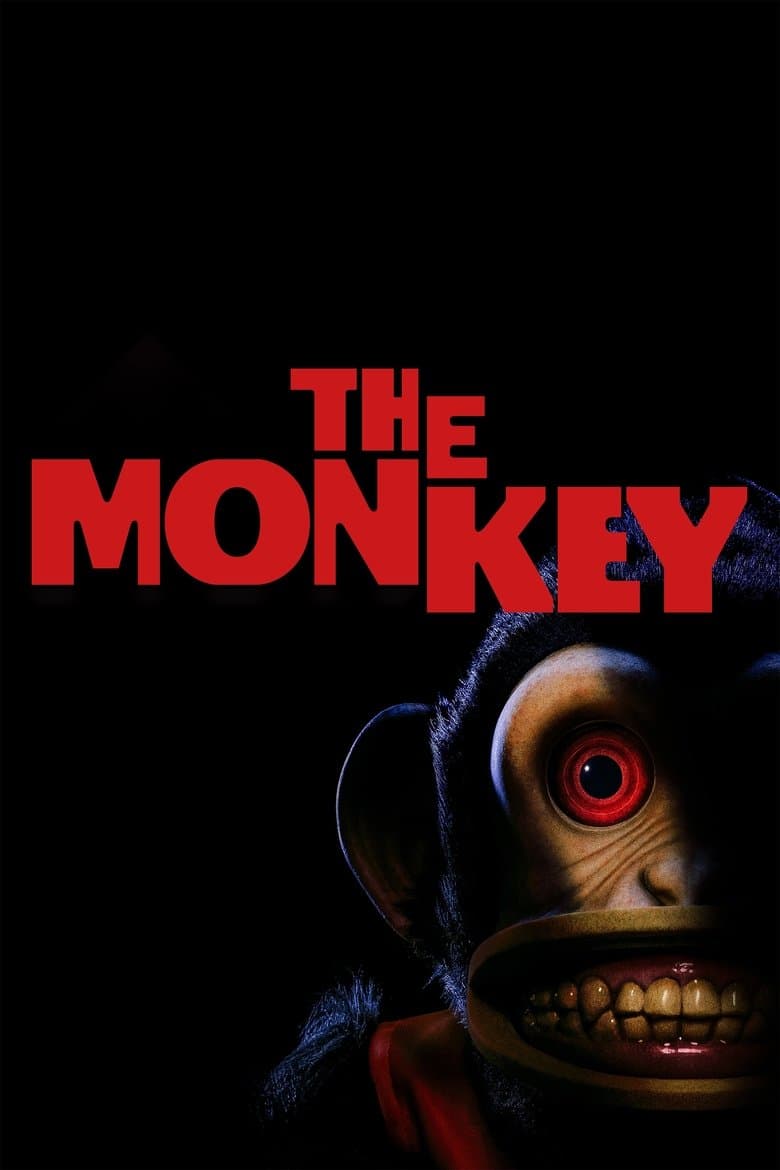
Movie · 2025
When twin brothers find a mysterious wind-up monkey, a series of outrageous deaths tear their family apart. Twenty-five years later, the monkey begins a new killing spree forcing…
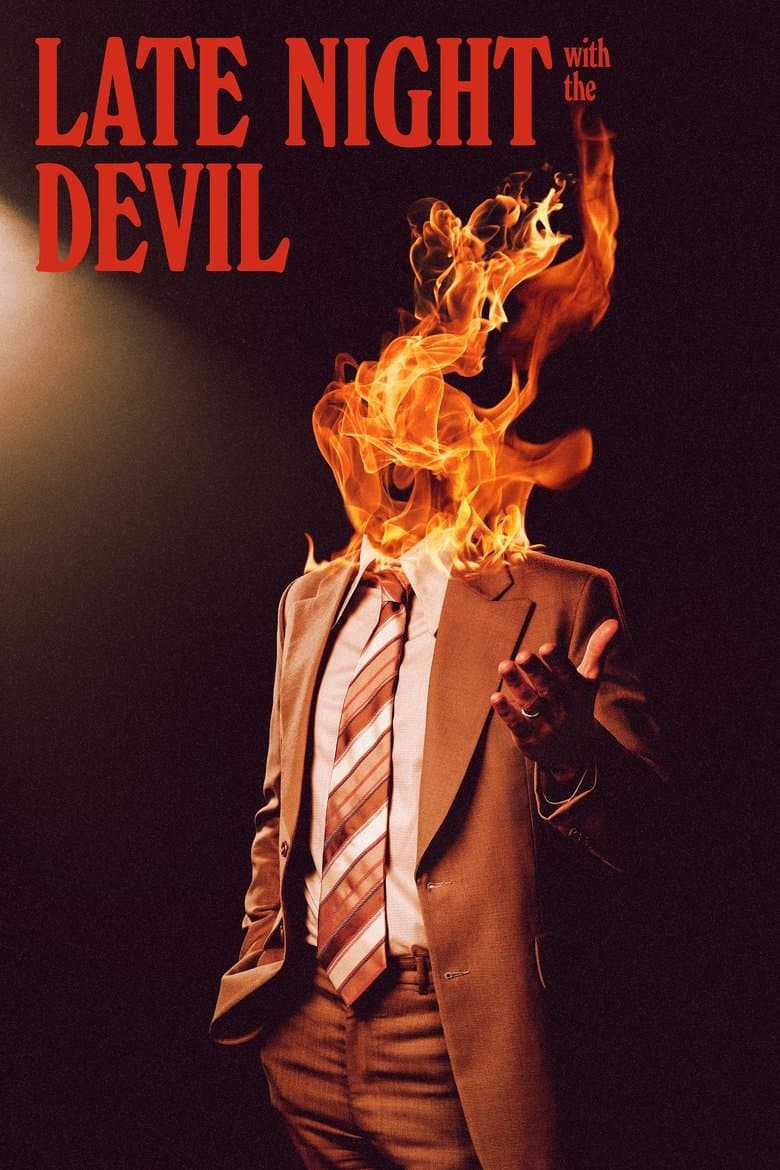
Movie · 2024
A live broadcast of a late-night talk show in 1977 goes horribly wrong, unleashing evil into the nation's living rooms.
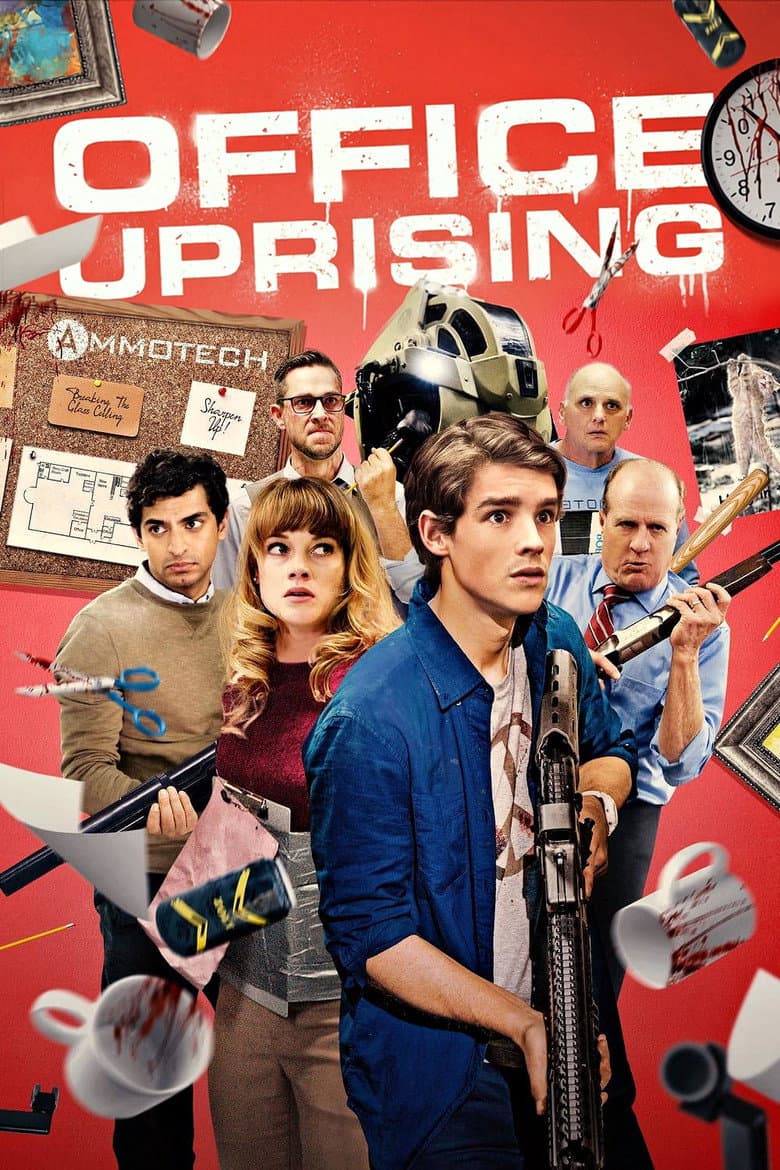
Movie · 2018
The compound of an arms manufacturer turns into a zombie nightmare when its workers are given the wrong formula.
