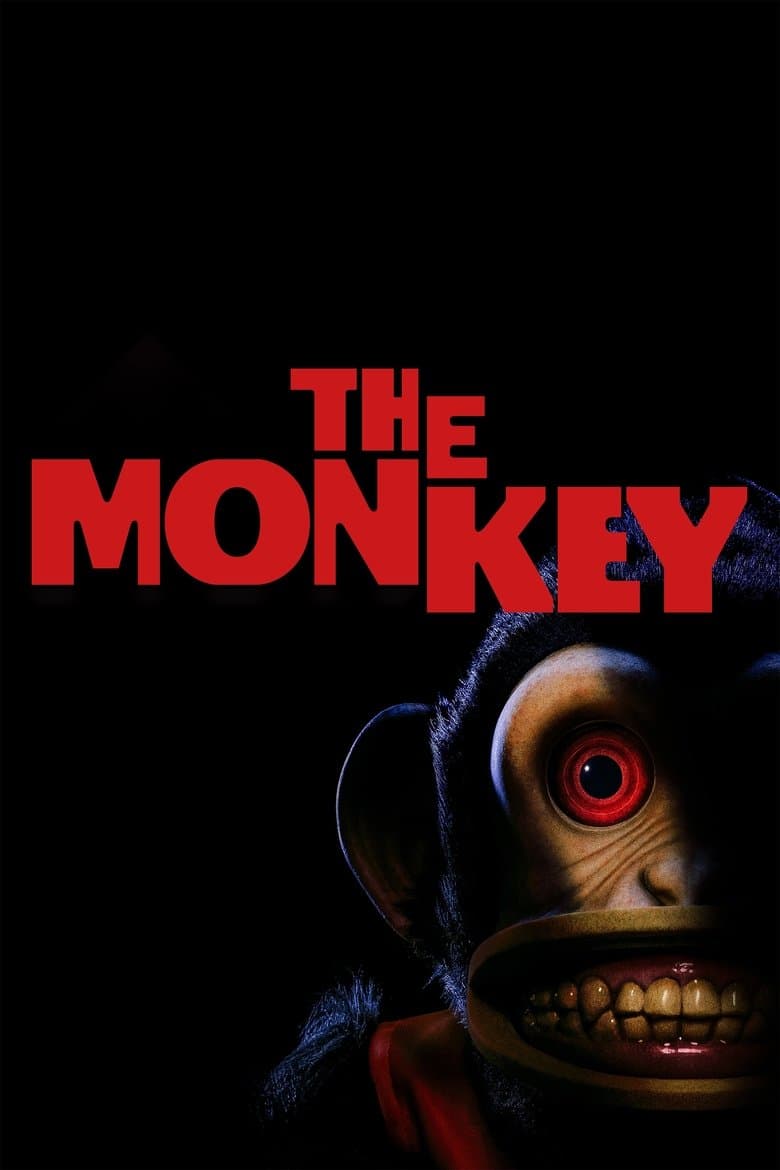
The Monkey is a comedy horror movie based on a Stephen King short story. Twin brothers face a cursed wind-up monkey that brings random, brutal deaths. The story mixes splatstick gore with dark jokes about empty funerals and family fights. Theo James plays both adult brothers in a dual lead role. The film’s heart is absurd death, brother distance, mother-loss guilt, and a late push to reconnect as father and son.
Woke content on screen is thin and not the main point. Supporting people of color and a pack of girl bullies appear as side flavor around a white family core, not as a showcase of first-of-kind heroic leads. Talk stays on dark jokes and death quips, with no activist slogans or identity lectures. Themes are the curse, grief, and fate, not race, gender ideology, or queer arcs. A planned gender fluid costume beat for adult Bill was cut and is not an audience-facing storyline. A rookie priest and absent or weak men are played for laughs or family plot, not as a sustained attack on churches or the West.
Community feedback
Was our 8% Woke rating accurate?
Breakdown
These are the editorial factors and ratings behind our score for The Monkey.
Woke representation / casting
The leads are twin brothers and a white family core. Supporting people of color and girl bullies appear as side roles. This reads as ordinary modern small-town horror casting, not an engineered diversity pitch built around heroic firsts.
5%
Woke political dialogue
Not present. Dialogue is dark jokes, empty eulogies, family sniping, and death quips with no activist slogans or identity-politics speech.
0%
Identity-driven story themes
Not present. Themes are the cursed toy, random death, brother estrangement, grief, and fate, not race, gender ideology, queer identity, or representation-first arcs, and a planned gender-fluid costume beat for Bill was cut.
0%
Western institutional / cultural critique
A rookie priest’s funerals are played for laughs as weak comfort. Faith shows up as a joke prop more than a long attack on churches or the West. Absent and dysfunctional men serve the curse and family plot rather than a lecture on toxic masculinity.
8%
Woke character or canon changes
Not relevant. Changes from King’s story are genre and adaptation choices, not identity or DEI rewrites of established figures.
0%
Anti-woke backlash and complaints
Not present. No meaningful right-leaning campaign framed the film as woke propaganda, and culture-war coverage largely calls it low-politics gore comedy.
0%
Creator track record context
Osgood Perkins frames the work around horror craft and personal grief rather than activist messaging. Stephen King is a vocal liberal public figure but did not turn this story into identity politics. Producers are mostly genre and commercial, with only a mild diversity-mentorship note that does not appear in the film’s text.
14%
Production
Movie · 2022
Legendary rock band Foo Fighters move into an Encino mansion steeped in grisly rock and roll history to record their much anticipated 10th album.
Movie · 2024
A family's vacation to a remote getaway takes an unexpected turn when they discover the present-day implications of the island's cannibalistic past.
Movie · 2019
Columbus, Tallahassee, Wichita, and Little Rock move to the American heartland as they face off against evolved zombies, fellow survivors, and the growing pains of the snarky…
Movie · 2017
Real zombies arrive and terrorize the crew of a zombie film being shot in an abandoned warehouse, said to be the site of military experiments on humans.
Movie · 2026
After breaking the mysterious "One Wish Willow" to win his crush's heart, a hopeless romantic finds himself getting exactly what he asked for but soon discovers that some desires…
Movie · 2022
Trapped on her family’s isolated farm, Pearl must tend to her ailing father under the bitter and overbearing watch of her devout mother.
Movie · 2017
When Cole stays up past his bedtime, he discovers that his hot babysitter is part of a Satanic cult that will stop at nothing to keep him quiet.
Movie · 2024
A live broadcast of a late-night talk show in 1977 goes horribly wrong, unleashing evil into the nation's living rooms.
