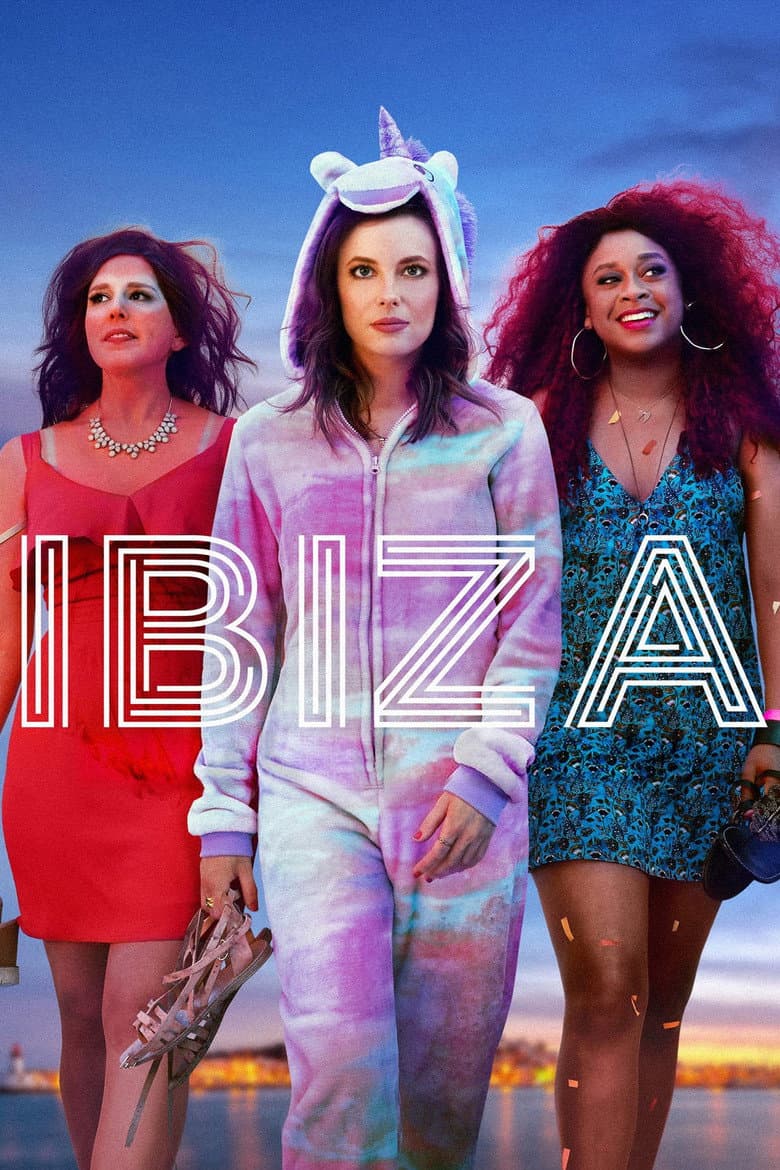
Harper is a tired New York publicity worker who works for a cruel boss. Her best friends, Nikki and Leah, join her on a work trip to Barcelona. Harper meets Leo, a famous DJ, and follows him to Ibiza even though she may lose her job. The friends spend the weekend partying and making reckless choices. Their friendship stays at the center of the adult comedy.
The film puts three female friends at the center and lets them speak openly about their private lives and work. Harper loses her job after missing a meeting, but she starts her own publicity firm instead of giving up. Harper also tells Leo to come to New York if he wants to see her, and the film treats that choice as a small act of independence. The story makes female friendship and career control more important than the usual romance ending. It also treats female sexual freedom as a normal part of the weekend.
Community feedback
Was our 53% Woke rating accurate?
Breakdown
These are the editorial factors and ratings behind our score for Ibiza.
Woke representation / casting
The film gives its three central friendship roles to women, and their shared point of view drives nearly every scene. The trio includes two white women and Black comedian Phoebe Robinson, while the main love interest is a white man. This mix fits a present-day New York story, so the score does not rest on a clear setting mismatch. The writer and publicity describe the female-led cast as part of a push for more movies about women.
44%
Woke political dialogue
The friends use the word feminism in a short joke after Harper refuses to fly to Tokyo for Leo. Harper says Leo should come to New York, and Leah jokes that the choice is too feminist. The exchange turns a dating choice into a gender point. The film has no repeated political speeches, so the dialogue signal stays brief.
28%
Identity-driven story themes
The film repeatedly makes female friendship and female choice the answer to work and dating pressure. Harper leaves a cruel boss, starts her own firm, and chooses not to fly after Leo again. Nikki and Leah push the trip, help with the business deal, and openly pursue sex without shame. Leo is mainly the romance target, while the women control the story and its final choice.
56%
Western institutional / cultural critique
The film presents Harper’s boss and office life as cruel obstacles, and it rewards Harper for leaving that job. The film also rejects the idea that Harper should keep traveling for a man. These points give a small modern criticism of workplace control and dating expectations. The story does not attack capitalism, religion, family, or wider Western institutions.
15%
Woke character or canon changes
Not relevant. Ibiza is an original romantic comedy, not a remake or adaptation with established identity-based characters. No known canon or historical figure is changed.
0%
Anti-woke backlash and complaints
One small review calls the ending a “faux-woke empowerment message” because Harper asks Leo to come to New York after chasing him to Ibiza. The review questions the film’s feminist framing, but it also mainly attacks the weak jokes and thin plot. The X research found no anti-woke posts, and wider complaints focused on quality and the Ibiza location. The backlash evidence is isolated and fringe.
12%
Creator track record context
Writer Lauryn Kahn has a clear pattern of female-centered stories and public talk about identity-inclusive casting. Her comments about wanting more films that represent women fit Ibiza’s focus on female friendship, sexual freedom, and career choice. Director Alex Richanbach has no established activist persona, and the other listed creators have mostly low or limited context scores. This supports a moderate creator track record score rather than a high one.
29%
Production
Movie · 2023
On the brink of losing her childhood home, Maddie discovers an intriguing job listing: wealthy helicopter parents looking for someone to “date” their introverted 19-year-old son…

Movie · 2024
Ana is an ambitious intern dreaming of a career in the art world while trying to impress her demanding boss Claire.

Movie · 2018
When teenager Elle's first kiss leads to a forbidden romance with the hottest boy in high school, she risks her relationship with her best friend.
Movie · 2023
A novelist's longstanding marriage is suddenly upended when she overhears her husband giving his honest reaction to her latest book.

Movie · 2024
In the summer of 1986, three sixteen year old friends spend their Saturdays sneaking into movies at the local multiplex.
Movie · 2026
A happily engaged couple is put to the test when an unexpected turn sends their wedding week off the rails.

Movie · 2023
College freshman Abby tries to distance herself from her dark past while resisting her attraction to bad boy Travis.
Movie · 2026
Poppy's a free spirit. Alex loves a plan. After years of summer vacations, these polar-opposite pals wonder if they could be a perfect romantic match.
