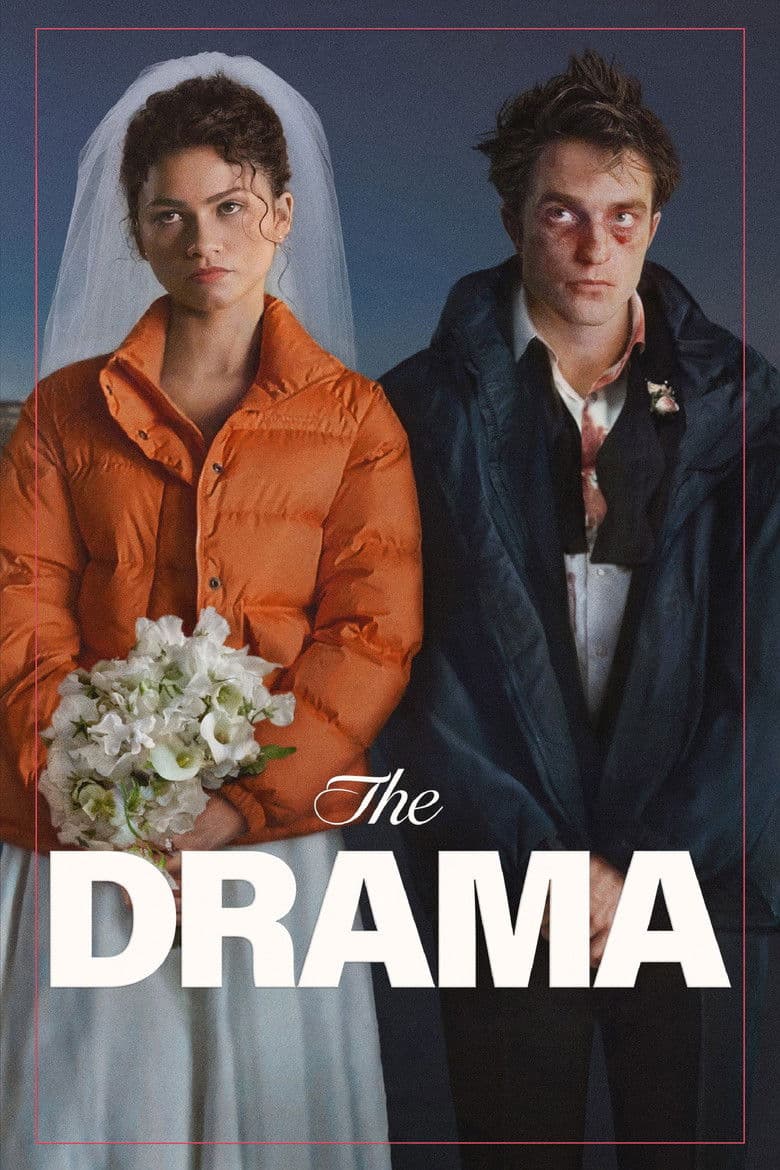
The Drama is a dark romantic comedy film about Emma and Charlie, an engaged couple in Boston whose wedding plans fall apart. Days before the ceremony, they play a game of confessing their worst secrets with their close friends. Emma drops a massive bomb, revealing she planned a school shooting when she was a teenager. This shocking news ruins their trust and starts a deep downward spiral. The film uses this dark premise to explore the hypocrisy of modern social judgment. Viewers will see how the characters quickly turn on each other to protect their own reputations. It highlights how people pretend to be good while hiding their own dark histories. The story focuses on the painful difficulty of forgiveness in relationships. The cast performs their roles with intense emotion that keeps the audience hooked.
Community feedback
Was our 25% Woke rating accurate?
Breakdown
These are the editorial factors and ratings behind our score for The Drama.
Woke representation / casting
The film features clear diversity in prominent roles, with biracial actress Zendaya as the lead and Mamoudou Athie in a major supporting role. The casting fits the modern Boston setting. The story does not focus on or emphasize their racial identities, treating the casting as natural. There is no forced diversity signaling or quota-style representation. However, the casting director Kate Antognini has a known history of prioritizing representation. The score reflects a baseline rating for visible diversity in main roles without any obvious identity politics.
25%
Woke political dialogue
The movie does not contain woke political dialogue. While the characters discuss gun control and school shootings, these topics are part of Emma's backstory. They are not used to lecture the audience or push a political agenda. The conversations focus on personal relationships, trust, and how people hide their secrets. There is no activist language or standard social-justice talking points in the script.
12%
Identity-driven story themes
The story does not focus on identity-driven themes. It is a dark psychological comedy about pre-marital trust, secrets, and moral hypocrisy. There are no themes related to gender theory, feminism, or systemic oppression. The plot centers entirely on the personal fallout of a shocking secret and how it ruins a relationship. The characters are not defined by their race or gender, and no queer themes are present in the movie.
0%
Western institutional / cultural critique
The film is not a typical activist critique of Western systems. Instead, it acts as a dark satire of modern social norms. It mocks performative judgment and the way people quickly turn on their friends to look righteous. Some viewers might see Charlie's flaws as a critique of traditional relationships, but the film's main target is the hypocrisy of modern moral purity tests. It avoids systemic critiques of whiteness, patriarchy, or capitalism.
18%
Woke character or canon changes
Not present in this title.
0%
Anti-woke backlash and complaints
There is almost no notable anti-woke backlash. While left-wing gun safety groups and shooting survivors criticized the film for humanizing a school shooter, conservative and anti-woke viewers had few complaints. Many anti-woke viewers actually enjoyed the film because it mocks cancel culture and progressive moral purity. A few minor online comments accused the film of misandry due to the male lead's flaws, but this was a very small and fringe complaint.
10%
Creator track record context
The core creative team has a very low woke rating. Writer-director Kristoffer Borgli is known for satirizing cancel culture and victimhood. Producer Ari Aster also avoids social justice messaging in his work. While casting director Kate Antognini explicitly prioritizes diverse representation, the main creative control lies with filmmakers who reject activist agendas. This results in a low track record score.
18%
Production
Movie · 2023
After a disastrous first date, wild-child Nicole and socially-anxious Max vow to lose each other’s numbers until they learn that their dogs found a love match, and now puppies are…
Movie · 2022
Two strangers believe in love but never seem to be able to find its true meaning. In a wild twist of events, fate puts each in the other's path on one stormy New Year's Eve.
Movie · 2020
Lonely college freshman Alex has closed himself off from his peers, who all appear to have this whole "college thing" figured out.
Movie · 2016
A girl falls for the "perfect" guy, who happens to have a very fatal flaw: he's a hitman on the run from the crime cartels who employ him.
Movie · 2019
Two young people arrive in New York to spend a weekend, but once they arrive they're met with bad weather and a series of adventures.
Movie · 2019
Charlie suffers from a serious disease that causes acute narcolepsy whenever he is happy. Although he develops a variety of techniques to deny himself pleasure and deal with his…
Movie · 2023
On the brink of losing her childhood home, Maddie discovers an intriguing job listing: wealthy helicopter parents looking for someone to “date” their introverted 19-year-old son…
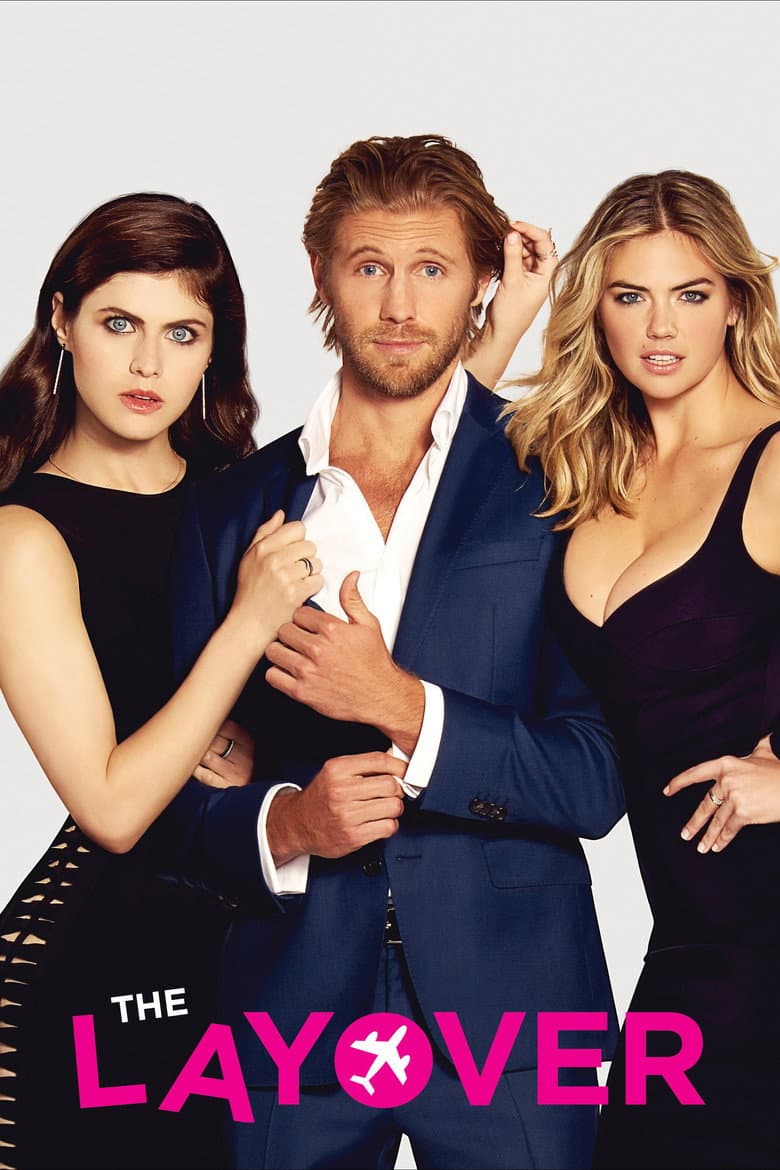
Movie · 2017
When their plane is rerouted due to a hurricane warning, two single female best friends find themselves competing for the same guy during an extended layover in St. Louis.
