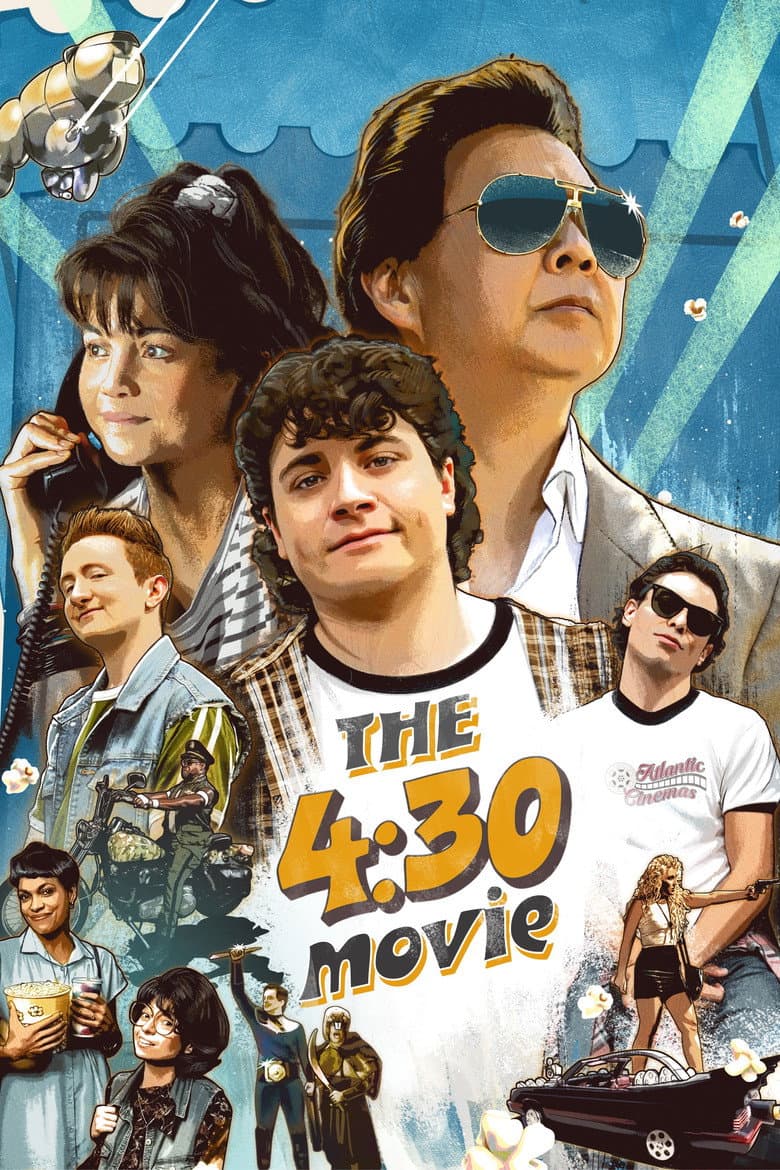
Brian David is a sixteen-year-old movie fan in New Jersey. During the summer of 1986, he spends a Saturday sneaking between films with his friends Burny and Belly. Brian also invites Melody, the girl he likes, and the date upsets the boys’ usual plans. The story mixes teenage romance, crude jokes, friendship trouble, and warm movie-house nostalgia.
Melody is confident and speaks clearly about what she wants, while Brian is shy and unsure. She later stands up to the harsh theater manager, and a female usher says she plans to study film and become a director. Burny’s macho talk and his habit of treating girls as trophies are shown as immature and damaging to the friendship. These ideas add a mild identity-driven message, but the movie mainly follows Brian’s romance, his friendship with two boys, and his dream of making films.
Community feedback
Was our 28% Woke rating accurate?
Breakdown
These are the editorial factors and ratings behind our score for The 4:30 Movie.
Woke representation / casting
The film centers three white teen boys, but the main girl role goes to mixed-race actor Siena Agudong. Named supporting roles also include Korean American Ken Jeong, Cuban Venezuelan American Genesis Rodriguez, and Black performers Sam Richardson and Method Man. The mix makes diversity visible, but the story does not present anyone as an identity symbol or use the casting as a stated message. The factor stays mild because the plot remains focused on ordinary teen life.
16%
Woke political dialogue
Not present. The dialogue centers on dating, friendship, sex jokes, movies, and theater trouble. It does not push modern identity or activist ideas.
0%
Identity-driven story themes
Melody speaks directly, accepts the date, and defends Brian when the theater manager mistreats him. A female usher says she plans to attend film school and become a director, and she encourages Brian to follow his own dream. Burny treats girls as trophies and blocks Brian’s relationship, so the story presents macho behavior as immature and harmful. These moments recur around the romance and friendship fight, but they do not take over the movie.
32%
Western institutional / cultural critique
Burny treats girls as prizes and resists Brian’s relationship, so the story presents macho male behavior as immature. Melody challenges the theater manager when he abuses his power, and a female usher speaks about her own career goal. These moments question male entitlement and fixed gender roles, but the movie does not make a modern attack on Western institutions or family life.
23%
Woke character or canon changes
Not relevant. The film is an original semi-autobiographical story, not an adaptation with established characters or real historical figures. No identity-based character or canon change is shown.
0%
Anti-woke backlash and complaints
Not present. The reviewed news, fan posts, and reviews do not show meaningful complaints that the film pushes woke, DEI, or identity politics. The reported rating dispute concerned sexual content, not ideology.
0%
Creator track record context
Kevin Smith has no documented record of political activism or identity-driven public work. Most listed crew members also have little or no activist history. Joshua Bachove is the main exception because he has produced films about LGBTQ themes and other underrepresented groups. Smith’s title interviews describe a personal 1980s story about moviegoing, not a social campaign.
22%
Production
Movie · 2022
Two strangers believe in love but never seem to be able to find its true meaning. In a wild twist of events, fate puts each in the other's path on one stormy New Year's Eve.
Movie · 2019
Oh, Ramona! seeks the transformation of Andrew from a teenager into an adult who lives candidly and selflessly his first love story, innocent and uninvolved, alternating with the…
Movie · 2023
A straight-laced bank manager is about to marry the love of his life. When his bank is held up by infamous Ghost Bandits during his wedding week, he believes his future in-laws…

Movie · 2023
After a disastrous first date, wild-child Nicole and socially-anxious Max vow to lose each other’s numbers until they learn that their dogs found a love match, and now puppies are…
Movie · 2025
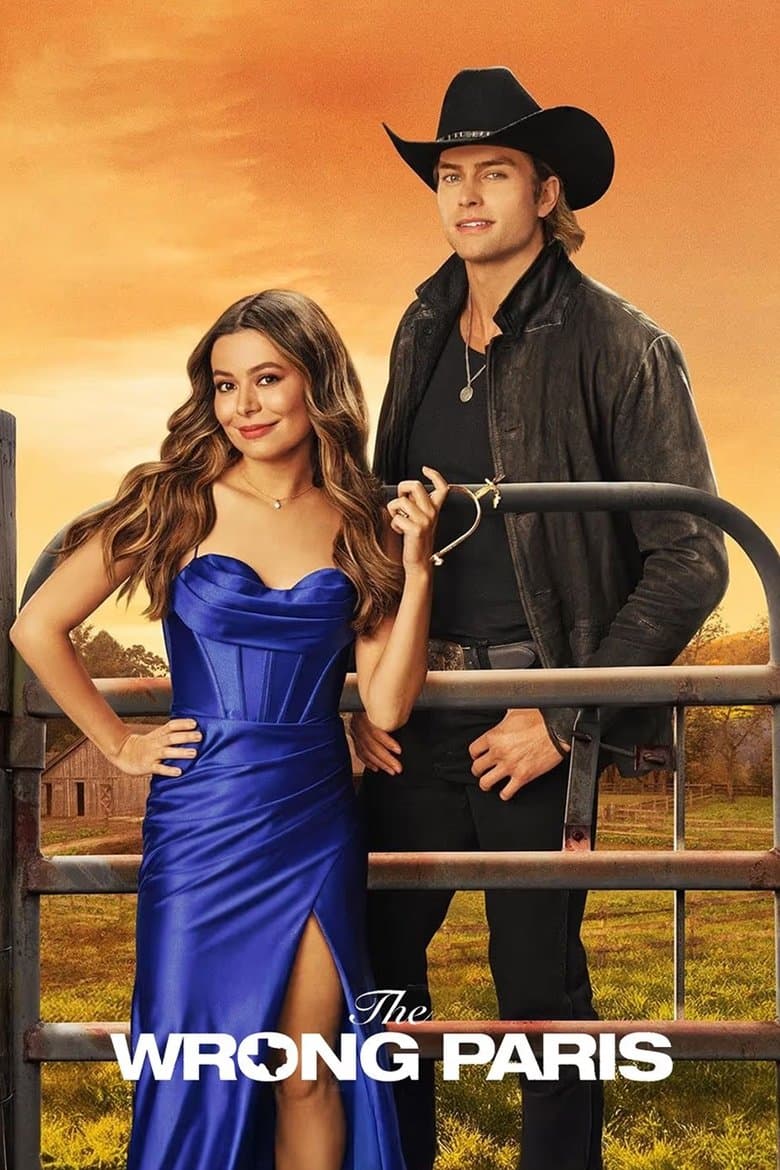
Dawn thinks she's joining a dating show in Paris, France, only to land in Paris, Texas. She has an exit plan — until sparks fly with the cowboy bachelor.

Movie · 2018
A quirky couple spends their three-year dating anniversary looking back at their relationship and contemplating whether they should break up.
Movie · 2016
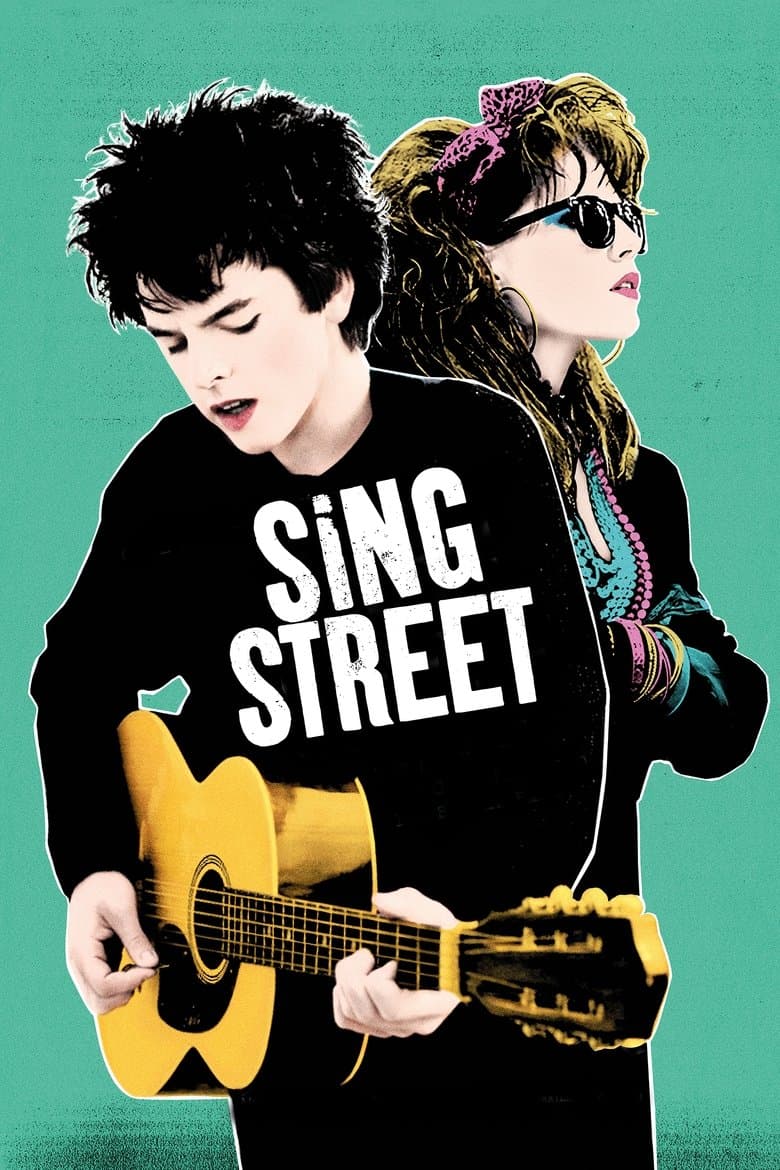
A boy growing up in Dublin during the 1980s escapes his strained family life by starting a band to impress the mysterious girl he likes.

Movie · 2024
Fresh off an almost career-ending accident, stuntman Colt Seavers has to track down a missing movie star, solve a conspiracy and try to win back the love of his life while still…
