
Beautiful Disaster follows Abby Abernathy, a college freshman who wants a clean start after growing up around her father's gambling. She moves to a Sacramento college with her friend America and tries to stay away from Travis Maddox, a popular student who fights in secret matches. A bet forces Abby to live with Travis for a month after he wins a fight, and their dislike turns into a heated romance. The story shifts between playful romance and danger from Abby's past. It also shows sexual content, jealous behavior, violent fights, and family trouble.
The film presents Abby as smart, disciplined, and skilled at reading people through poker. Her main struggle is whether she can trust Travis and face the father whose gambling pulled her into danger. Travis acts jealous and controlling, while the story pushes him to become a better partner. The main themes are honesty, loyalty, family trouble, and leaving destructive habits behind.
Community feedback
Was our 6% Woke rating accurate?
Breakdown
These are the editorial factors and ratings behind our score for Beautiful Disaster.
Woke representation / casting
Not present. Most characters are white, and the film does not frame any prominent casting choice around race, gender, or another identity. The cast does not form a clear diversity message.
0%
Woke political dialogue
Not present. The characters discuss romance, sex, gambling, family trouble, and jealousy. The film has no political speeches, activist language, or debate about current social issues.
0%
Identity-driven story themes
Not present. Abby's main story is about leaving her father's gambling life and learning to trust Travis. The film does not build its plot around race, sex identity, queer issues, or a modern activist cause.
0%
Western institutional / cultural critique
Travis's alpha-male jealousy and possessive behavior are treated as flaws that he must change. Abby pushes back when he tries to control her, and the romance asks him to become a better partner. The film keeps this conflict inside one troubled relationship and does not connect it to patriarchy, men as a group, or Western institutions.
10%
Woke character or canon changes
Not relevant. The adaptation changes some book events and makes Travis less cruel, but those changes serve the movie's lighter tone. The film keeps the same central romance and does not make a race, sex, or identity change as a message.
0%
Anti-woke backlash and complaints
Not present. The separate X research found no anti-woke reaction or specific anti-woke complaints. Other online discussion focused on movie quality, book changes, and Jamie McGuire's personal controversy.
0%
Creator track record context
Roger Kumble has no high-confidence public record of activist or identity-driven work. Jamie McGuire is linked to anti-vaccine activism and Republican politics, not left-leaning DEI activism. Carolyn McLeod has supported funding for deaf, disabled, and neurodiverse artists. This background gives only a faint woke signal.
5%
Production

Movie · 2016
From Jane Austen’s novella, the beautiful and cunning Lady Susan Vernon visits the estate of her in-laws to wait out colorful rumors of her dalliances and to find husbands for…

Movie · 2023
Two romantic burnouts, Jane and Will, are immediately drawn to each other at a mutual friend’s wedding. After a disastrous hookup in the coatroom, the two spend the next 24 hours…
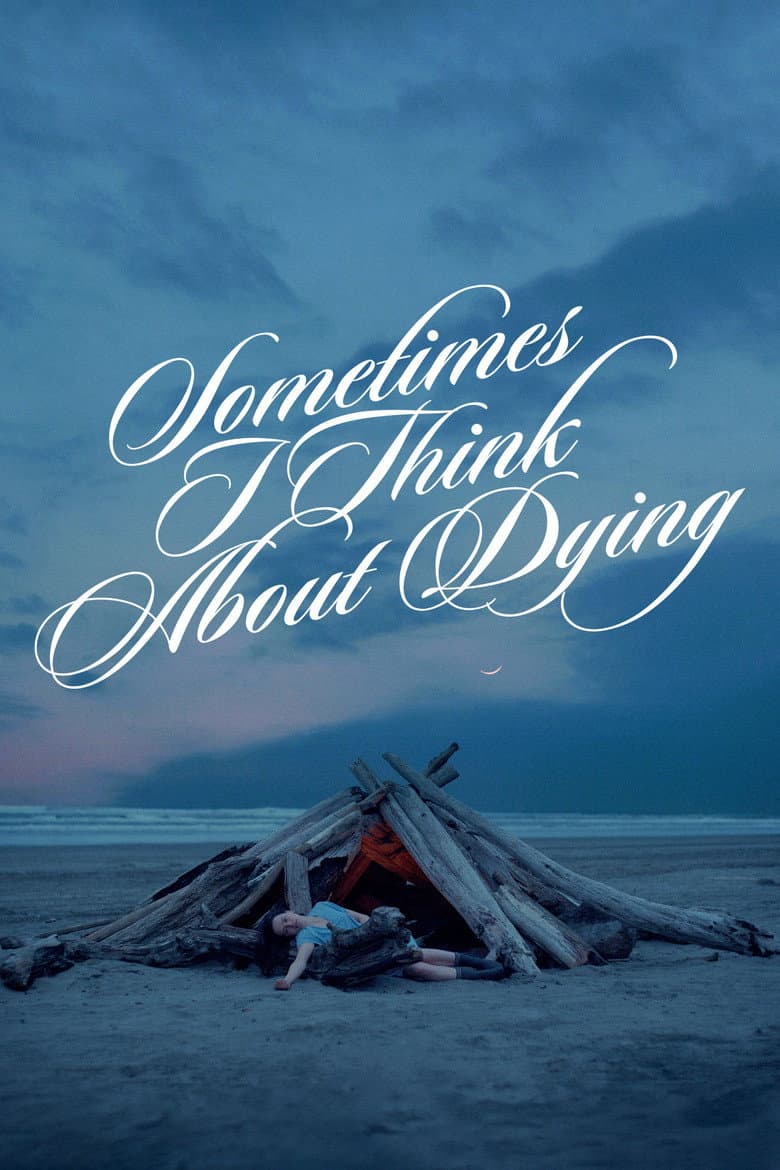
Movie · 2024
Fran likes to think about dying. It brings sensation to her quiet life. When she makes the new guy at work laugh, it leads to more: a date, a slice of pie, a conversation, a…
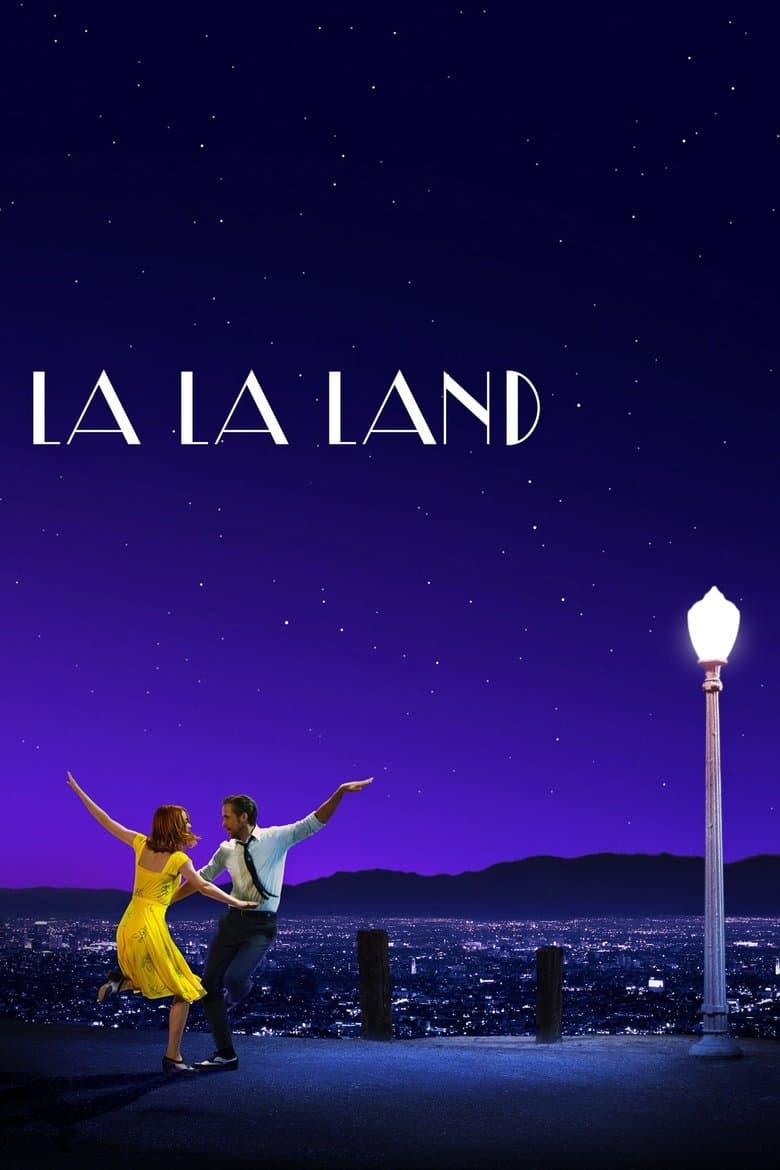
Movie · 2016
Mia, an aspiring actress, serves lattes to movie stars in between auditions and Sebastian, a jazz musician, scrapes by playing cocktail party gigs in dingy bars, but as success…
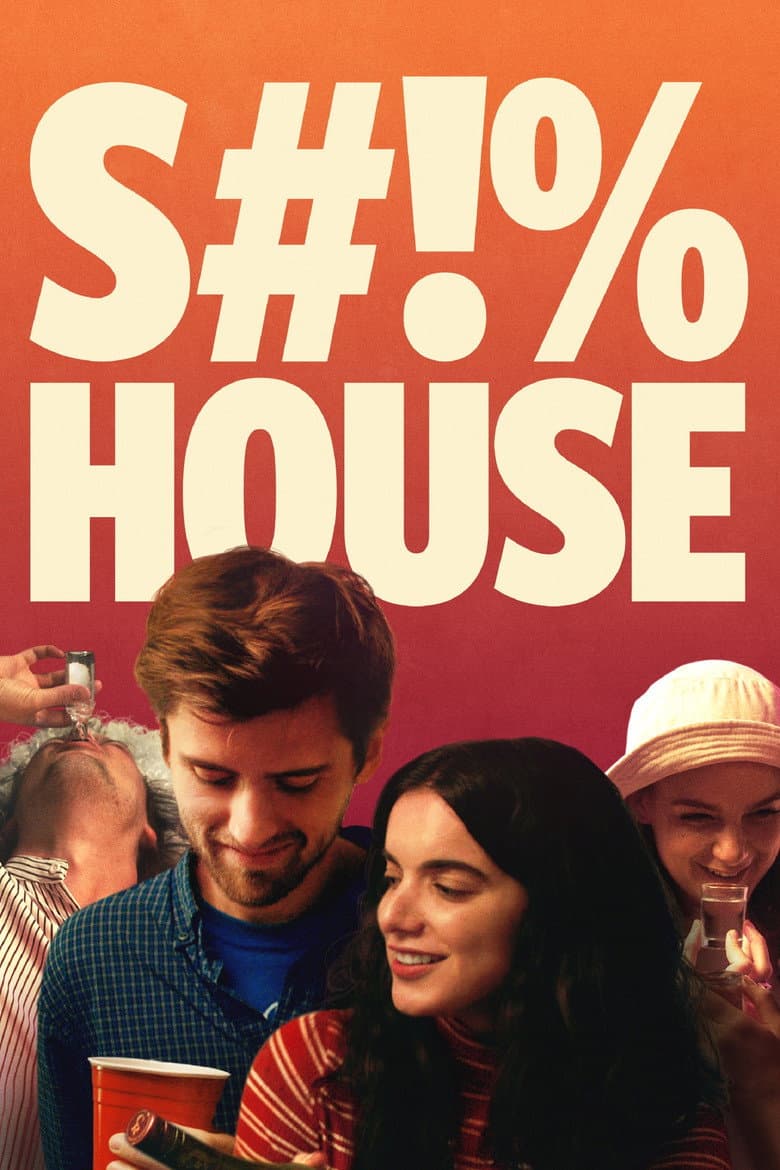
Movie · 2020
Lonely college freshman Alex has closed himself off from his peers, who all appear to have this whole "college thing" figured out.
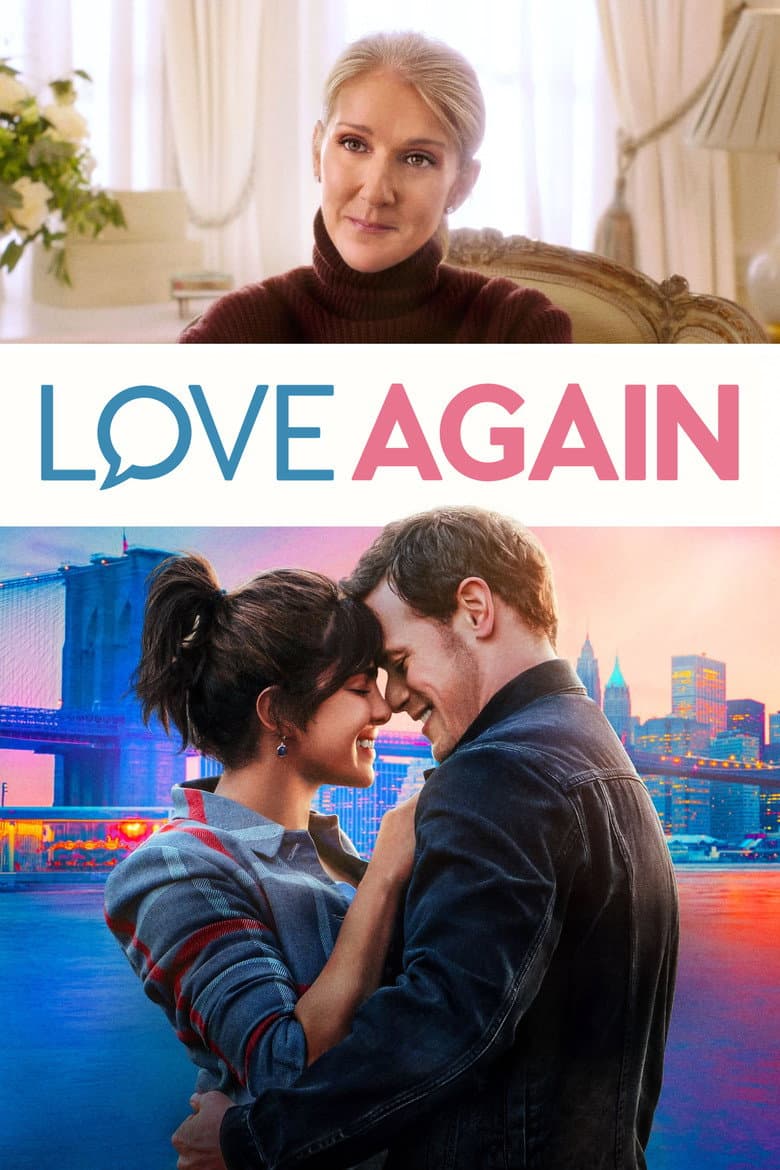
Movie · 2023
Mira Ray, dealing with the loss of her fiancé, John, sends a series of romantic texts to his old cell phone number… not realizing the number was reassigned to Rob Burns' new work…
Movie · 2021
Troubled teen Will Hawkins has a run-in with the law that puts him at an important crossroad: go to juvenile detention or attend a Christian summer camp.
Movie · 2021
Senior year of high school takes center stage as Lara Jean returns from a family trip to Korea and considers her college plans — with and without Peter.
