
Ana Santos is a broke but ambitious art intern in New York. She wants to build a career in the art world, but her harsh boss sends her to London at the last minute for a major auction. A lucky first-class upgrade puts Ana beside William, a wealthy British man who mistakes her for the head of her company. Ana keeps the mistake alive, and the lie pulls her into a glossy romance, rich people parties, and a fight to save her job. The movie has a light, fast, and often silly romantic-comedy tone.
The movie gives much of its attention to Ana’s work goals and to three women whose lives meet in the art business. Ana is treated badly by her boss and rival assistants, yet she later proves her skill, defends Claire’s value, and opens her own gallery. Catherine helps Ana recover after the lie is exposed, while Ana learns to be honest and accept love without giving up her career. A few lines use modern identity language about being a woman of color and about Claire becoming the first female chair, but these moments are brief. The main message is female ambition and women helping each other inside a familiar Cinderella-style romance.
Community feedback
Was our 28% Woke rating accurate?
Breakdown
These are the editorial factors and ratings behind our score for Upgraded.
Woke representation / casting
Ana Santos has a Latin background and is played by Brazilian American Camila Mendes. The film also gives Renee a visible woman-of-color identity in the office. Mendes said she pushed for Ana’s Latin surname, making representation part of the lead’s presentation. The modern New York setting makes the casting fit the story, and the film does not build a wider diversity-first pattern.
22%
Woke political dialogue
The script includes a few identity-focused lines. Renee calls Ana a fellow woman of color and says she is an inspiration, while another character jokes about needing to educate herself. The story also says Claire could become the company’s first female chair. These lines are brief and do not grow into a wider political argument.
12%
Identity-driven story themes
The story repeatedly centers Ana, Claire, and Catherine as three important women. Ana fights to build a career, receives support from Catherine, and later protects Claire’s place at the company. Ana ends with her own gallery and a romance that does not replace her work goals. The message favors female ambition and women helping each other, but it stays inside a light romantic comedy.
32%
Western institutional / cultural critique
Not present. The movie shows a cruel boss, low-paid intern work, and a rich art world. The story treats them as personal and comic problems, not as a broad attack on Western institutions, capitalism, religion, or family life.
0%
Woke character or canon changes
Not relevant. The film uses a loose Cinderella setup but does not change an established character, franchise canon, or historical figure for identity reasons.
0%
Anti-woke backlash and complaints
Not present. No meaningful anti-woke complaints, boycott effort, or DEI backlash appeared in the reviewed coverage. Audience comments mostly debated the predictable plot, Ana’s lies, and the romance.
0%
Creator track record context
Camila Mendes has a public focus on Brazilian and broader Latin representation, and she shaped Ana’s Latin name. Rachel Matthews has a smaller history of identity-centered projects. Carlson Young and the writers have no strong public activist record, while most other producers have low scores. This gives mild context, but the film remains a conventional romantic comedy.
25%
Production
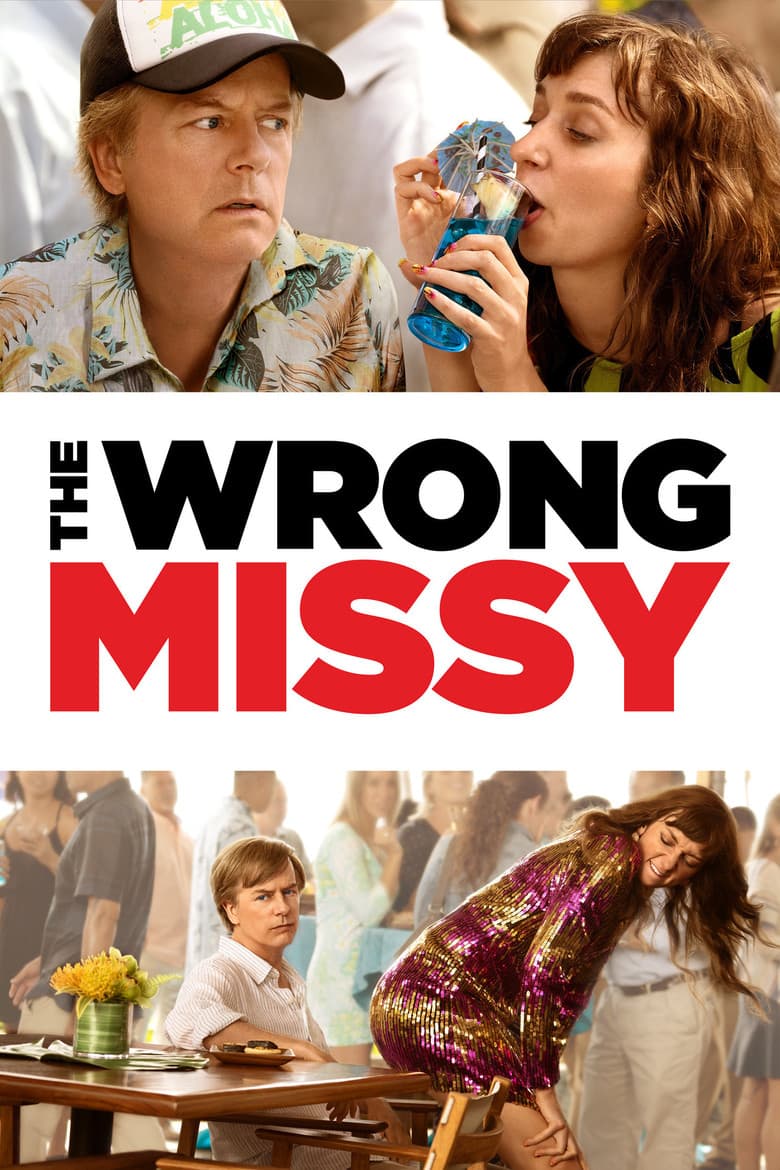
Movie · 2020
A guy meets the woman of his dreams and invites her to his company's corporate retreat, but realizes he sent the invite to the wrong person.
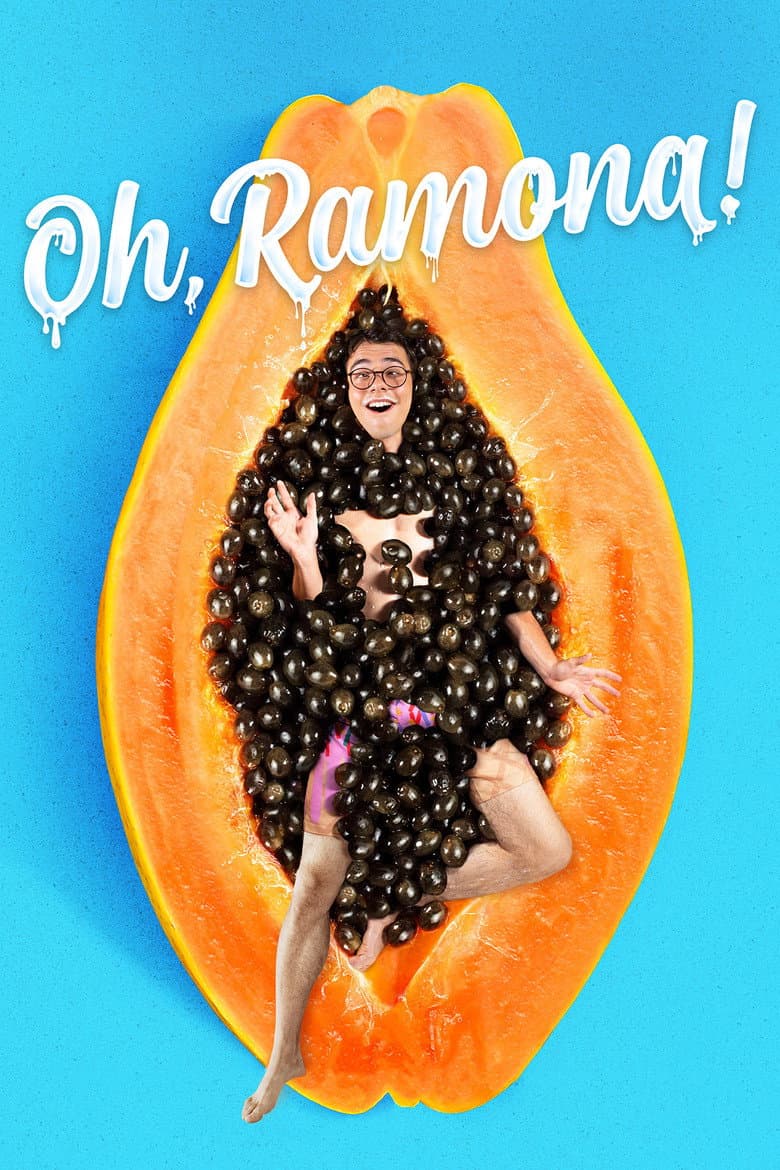
Movie · 2019
Oh, Ramona! seeks the transformation of Andrew from a teenager into an adult who lives candidly and selflessly his first love story, innocent and uninvolved, alternating with the…

Movie · 2023
College freshman Abby tries to distance herself from her dark past while resisting her attraction to bad boy Travis.

Movie · 2023
After a disastrous first date, wild-child Nicole and socially-anxious Max vow to lose each other’s numbers until they learn that their dogs found a love match, and now puppies are…

Movie · 2016
A week in the life of Paterson, a poet bus driver, and his wife Laura, a very creative artist, who live in Paterson, New Jersey, hometown of many famous poets and artists.

Movie · 2024
Fresh off an almost career-ending accident, stuntman Colt Seavers has to track down a missing movie star, solve a conspiracy and try to win back the love of his life while still…
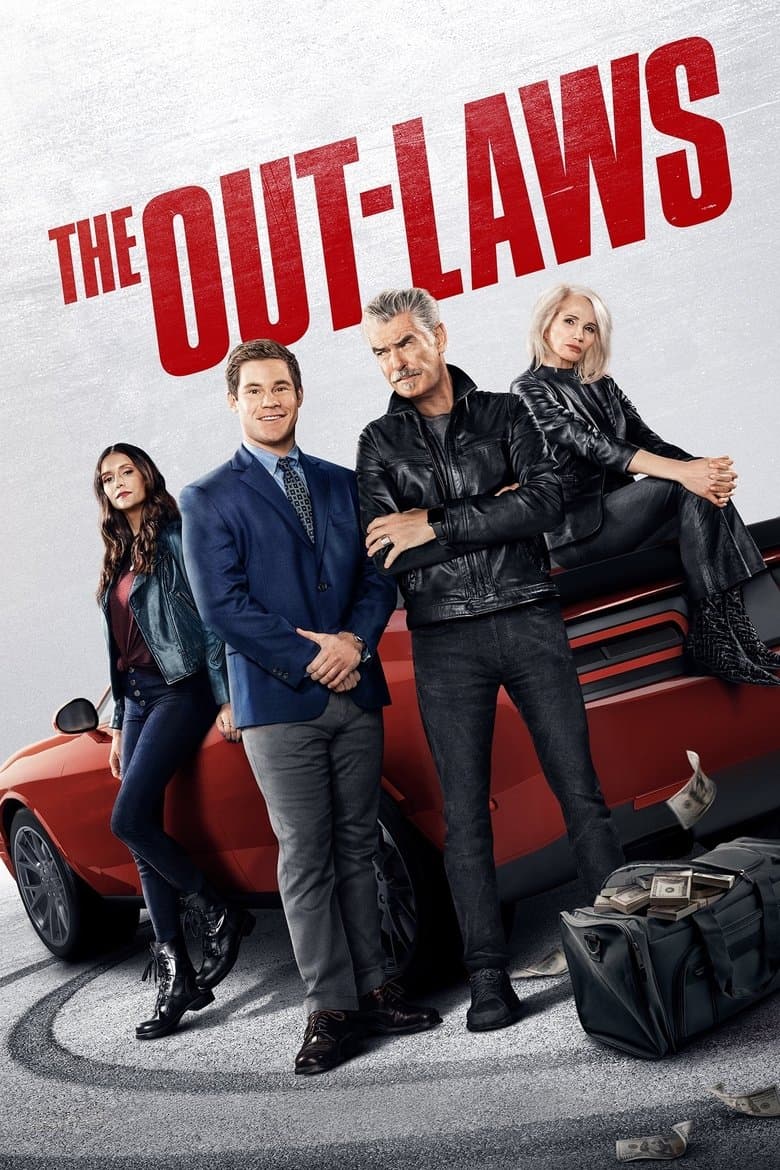
Movie · 2023
A straight-laced bank manager is about to marry the love of his life. When his bank is held up by infamous Ghost Bandits during his wedding week, he believes his future in-laws…
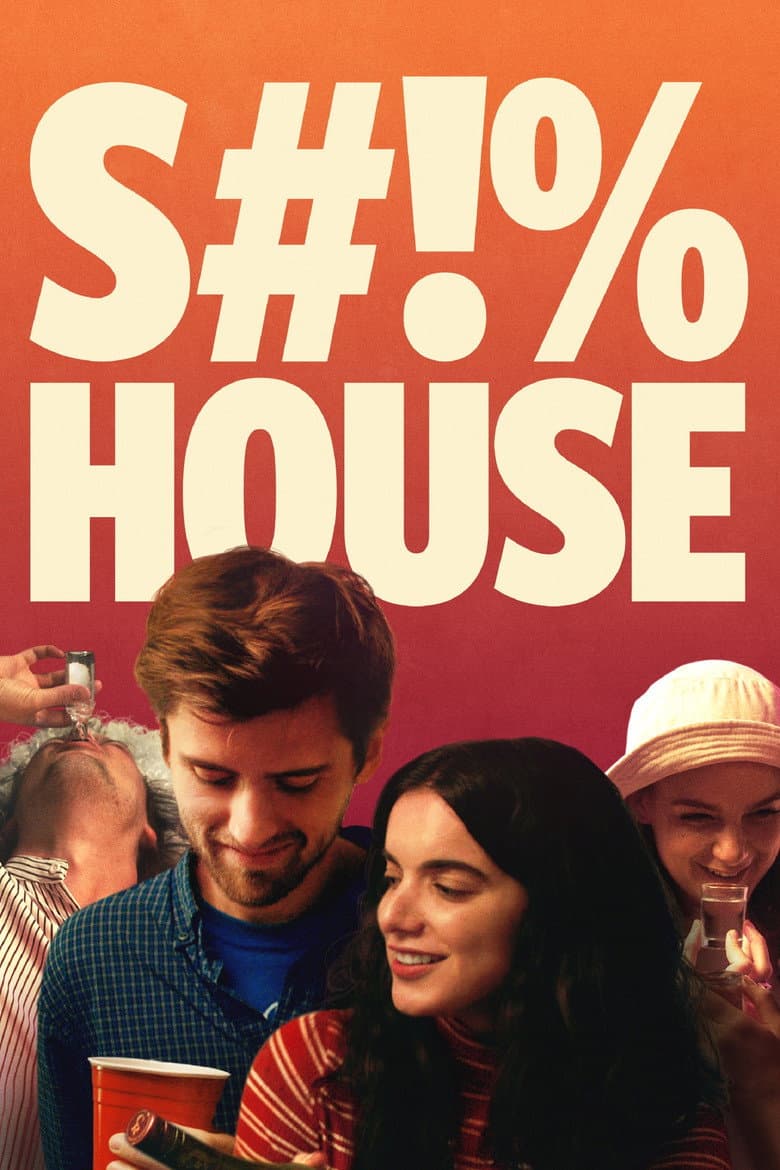
Movie · 2020
Lonely college freshman Alex has closed himself off from his peers, who all appear to have this whole "college thing" figured out.
