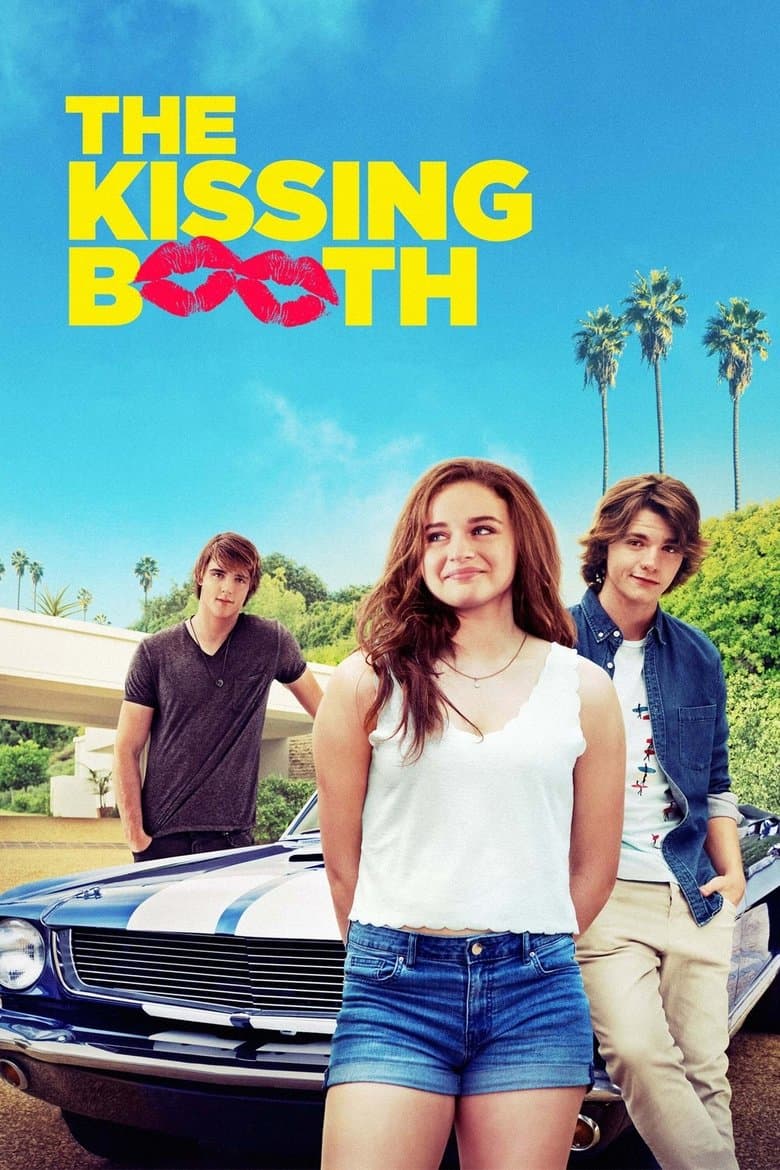
Elle Evans is a lively high school student who has never been kissed. She runs a school kissing booth with Lee Flynn, her best friend since childhood. The booth brings her first kiss with Noah Flynn, Lee’s older brother and the school’s popular bad boy. Elle and Noah hide their romance while Elle tries to protect her friendship with Lee.
The movie uses a bright, silly teen rom-com tone with parties, school events, dance games, fights, and a costume party. Elle faces jealousy, secret dating, and the fear that love may end her closest friendship. Noah’s anger, fighting, and controlling behavior are treated as part of his bad-boy appeal, while Elle keeps choosing what she wants. The story ends with Elle and Noah accepting a long-distance relationship as he leaves for college.
Community feedback
Was our 1% Woke rating accurate?
Breakdown
These are the editorial factors and ratings behind our score for The Kissing Booth.
Woke representation / casting
Not present. Casting uses mostly white leads and limited diverse supporting roles that fit a standard American high school rom-com premise and source material; no visible identity signaling, race swaps, or DEI emphasis to audiences.
0%
Woke political dialogue
Not present. Dialogue stays on school rules, personal crushes, jealousy, friendship pacts, and young love with no activist language or social justice themes.
0%
Identity-driven story themes
Not present. Core story follows classic forbidden romance and loyalty conflicts in a light teen drama structure without identity politics, representation arcs, or modern social messaging.
0%
Western institutional / cultural critique
Not present. Scenes show possessiveness and fights within a traditional bad-boy romance trope; the film offers no activist-style critiques of patriarchy, masculinity, family norms, or Western institutions.
0%
Woke character or canon changes
Not relevant. this is an original contemporary story with no legacy characters or canon alterations.
0%
Anti-woke backlash and complaints
Not present. Backlash centered on regressive relationship portrayals and clichés from feminist or quality perspectives; no documented complaints that the film pushes woke, DEI, or identity politics.
0%
Creator track record context
Key creatives focus on commercial teen romance entertainment with no documented history of activist, political, or identity-driven work across their careers.
3%
Production
Movie · 2021
It’s the summer before Elle heads to college, and she has a secret decision to make. Elle has been accepted into Harvard, where boyfriend Noah is matriculating, and also Berkeley…
Movie · 2020
While trying to make his sister's wedding day go smoothly, Jack finds himself juggling an angry ex-girlfriend, an uninvited guest with a secret, a misplaced sleep sedative, and…
Movie · 2020
A guy meets the woman of his dreams and invites her to his company's corporate retreat, but realizes he sent the invite to the wrong person.
Movie · 2025
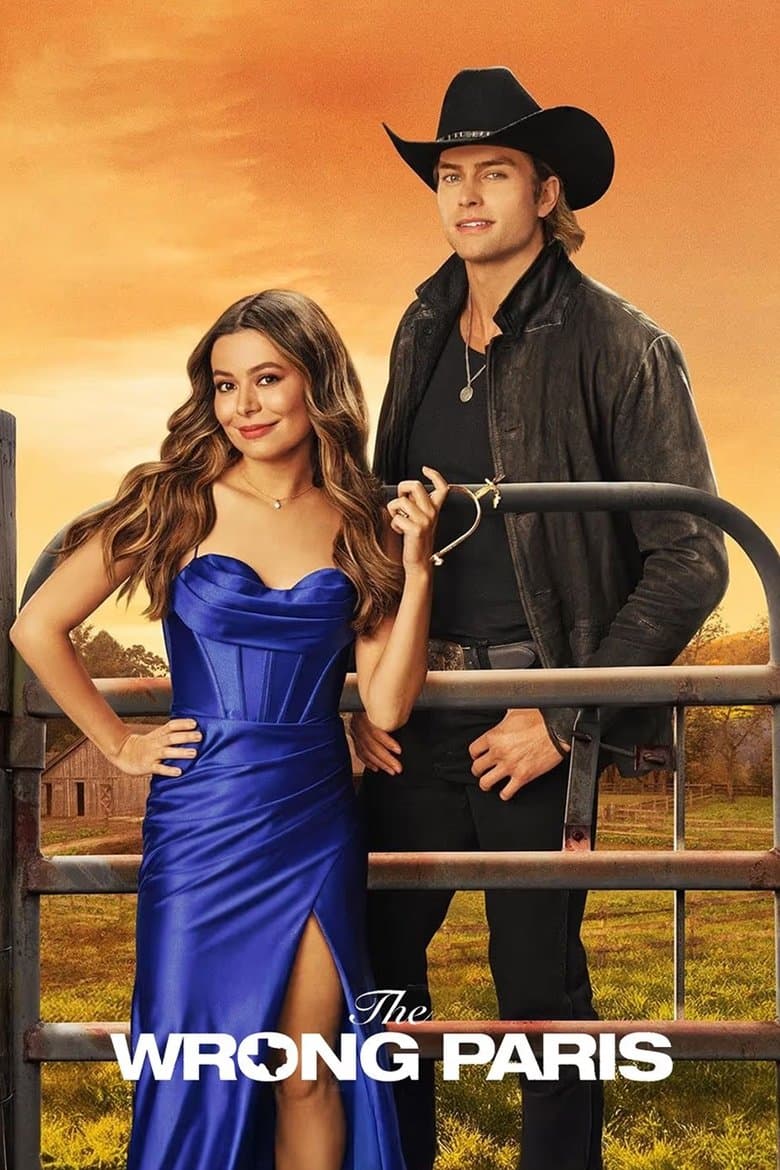
Dawn thinks she's joining a dating show in Paris, France, only to land in Paris, Texas. She has an exit plan — until sparks fly with the cowboy bachelor.
Movie · 2022
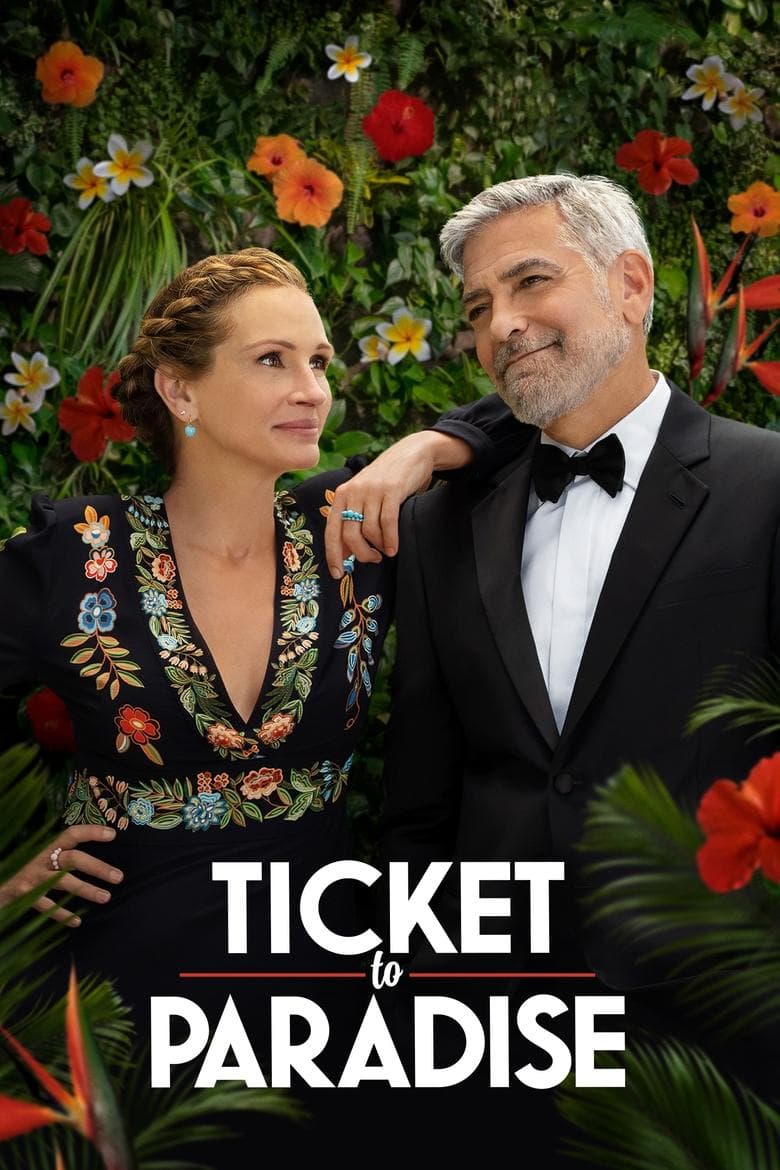
Divorced couple Georgia and David find themselves on a shared mission: they team up and travel to Bali to stop their daughter Lily from making the same mistake they once made 25…
Movie · 2018
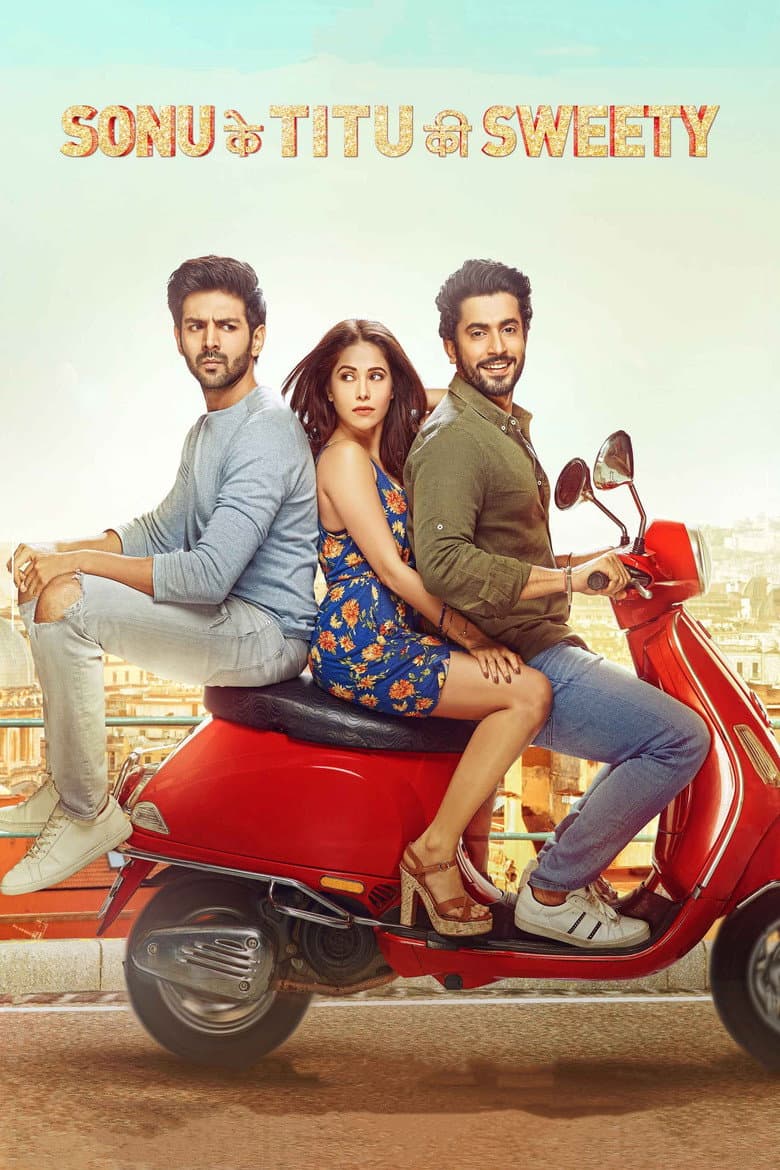
Titu is going to marry a perfect woman named Sweety. Titu's best-friend Sonu doubts Sweety's character and tries to break the marriage while Sweety tries to do opposite and which…
Movie · 2023
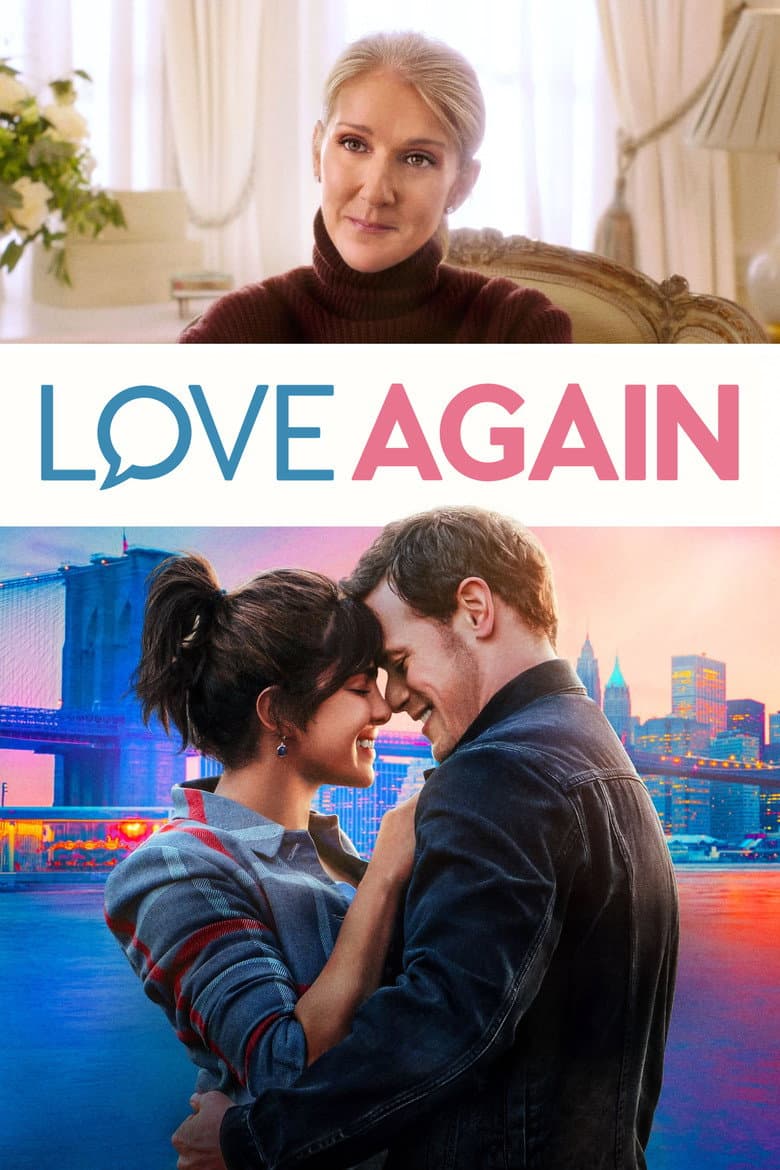
Mira Ray, dealing with the loss of her fiancé, John, sends a series of romantic texts to his old cell phone number… not realizing the number was reassigned to Rob Burns' new work…
Movie · 2019
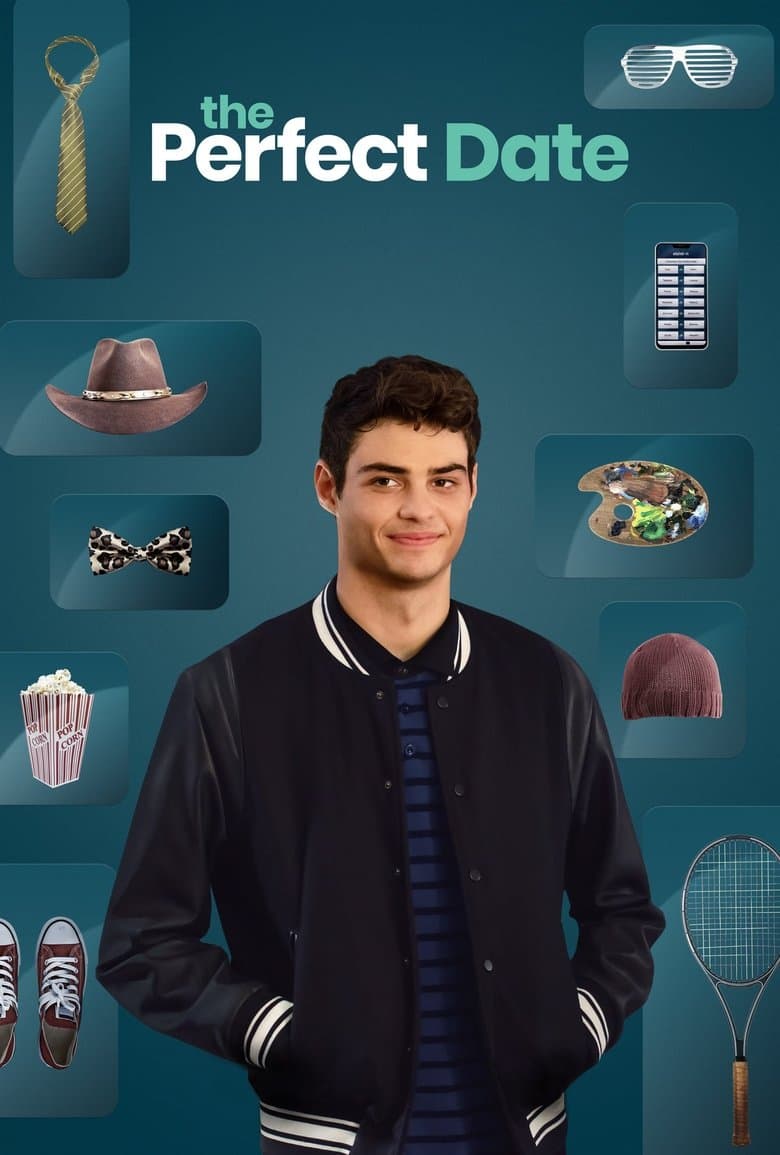
No beau? No problem! To earn money for college, a high schooler creates a dating app that lets him act as a stand-in boyfriend.
