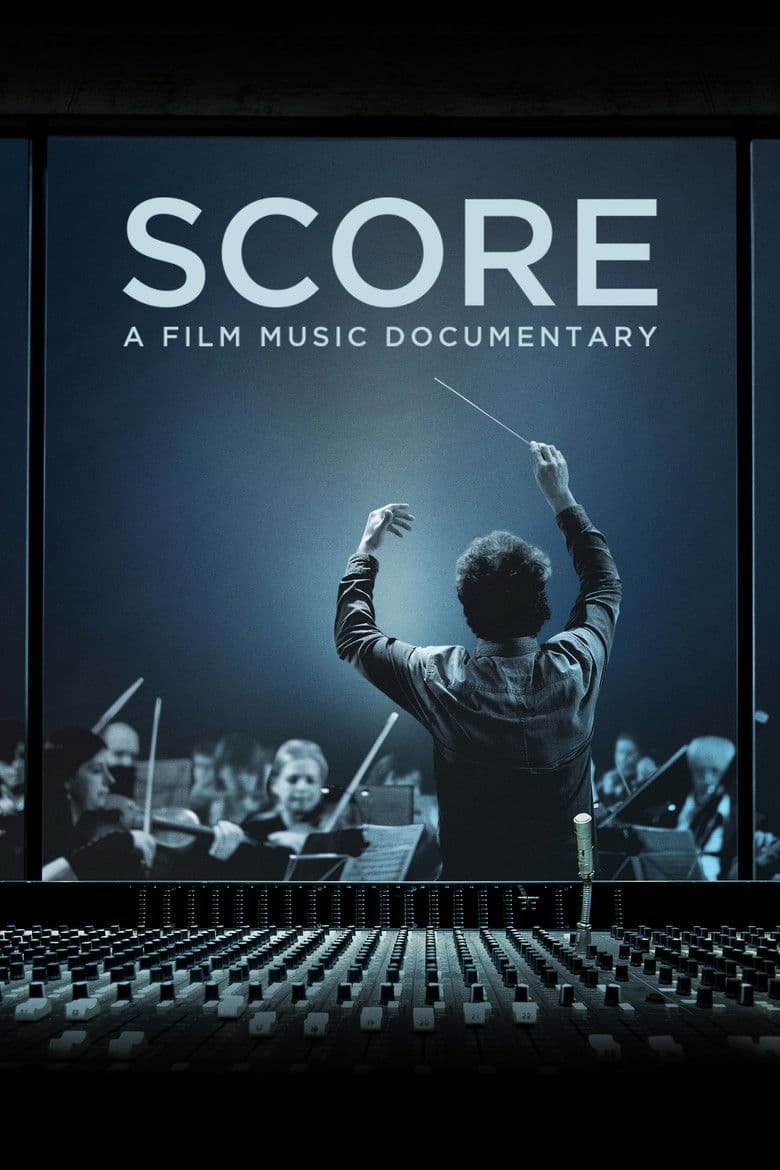
Score follows Matt Schrader as he interviews composers, directors, and music experts about the sounds that shape movies. Schrader explores why film music can change a scene while the people who make it often stay unknown. The documentary moves through film music history, from silent screenings and Max Steiner's King Kong to modern electronic and orchestral scores. Hans Zimmer, John Williams, Danny Elfman, Quincy Jones, Rachel Portman, and many others explain how they find ideas, work with directors, and record music. The tone is warm, curious, and full of praise for a job that audiences often do not notice.
The film gives some attention to identity and fairness inside the film music business. Quincy Jones describes the racism he met as a black composer in Hollywood and recalls how rare black musicians were in studio work. Rachel Portman discusses why women remain underrepresented among film composers and questions the idea that men and women must write music in different ways. These talks are clear and audience-visible, but they are short parts of a larger film about craft, history, emotion, and the power of sound.
Community feedback
Was our 18% Woke rating accurate?
Breakdown
These are the editorial factors and ratings behind our score for Score: A Film Music Documentary.
Woke representation / casting
Not present. The documentary includes women and people of color because they are real film-music experts. It does not frame the lineup as a diversity program or use identity-first casting.
0%
Woke political dialogue
Quincy Jones describes racist barriers that he faced as a black composer in Hollywood. Rachel Portman says women are still underrepresented among film composers and questions the idea of a special female sound. These comments appear in short interview sections and do not guide the whole documentary.
24%
Identity-driven story themes
The documentary briefly links the history of film composing to race and gender barriers in the industry. Quincy Jones tells how few Black composers and musicians were accepted when he entered Hollywood. Rachel Portman discusses the small number of women getting major scoring work. The main story still follows musical ideas, film history, and recording methods.
22%
Western institutional / cultural critique
Not present. The film does not attack modern Western institutions, family life, religion, or normal gender roles. Its comments about past racism and the male-heavy scoring business stay tied to the film industry.
0%
Woke character or canon changes
Not relevant. The documentary uses clips and examples from earlier movies, but it does not change an established character, real person, or historical event.
0%
Anti-woke backlash and complaints
Not present. Public reviews and audience posts focus on film music, famous composers, pacing, and the narrow Hollywood focus. The supplied X pass found no anti-woke reaction, and no clear anti-woke complaint appeared in the broader search.
0%
Creator track record context
Not present. Matt Schrader's cached record centers on journalism, film history, and craft. The supplied producer records also show music and production work without a clear identity-focused or activist pattern.
0%
Production
Movie · 2016
Andrew Dominik's One More Time With Feeling is a remarkable black and white documentary which chronicles the creation of Nick Cave & The Bad Seeds' album Skeleton Tree.
Movie · 2016
Fully authorized, access-all-areas feature doc on the hugely charismatic and globally adored Usain Bolt – officially the fastest man alive.
Movie · 2022
A doomed love triangle between intrepid French scientists Katia and Maurice Krafft, and their beloved volcanoes.
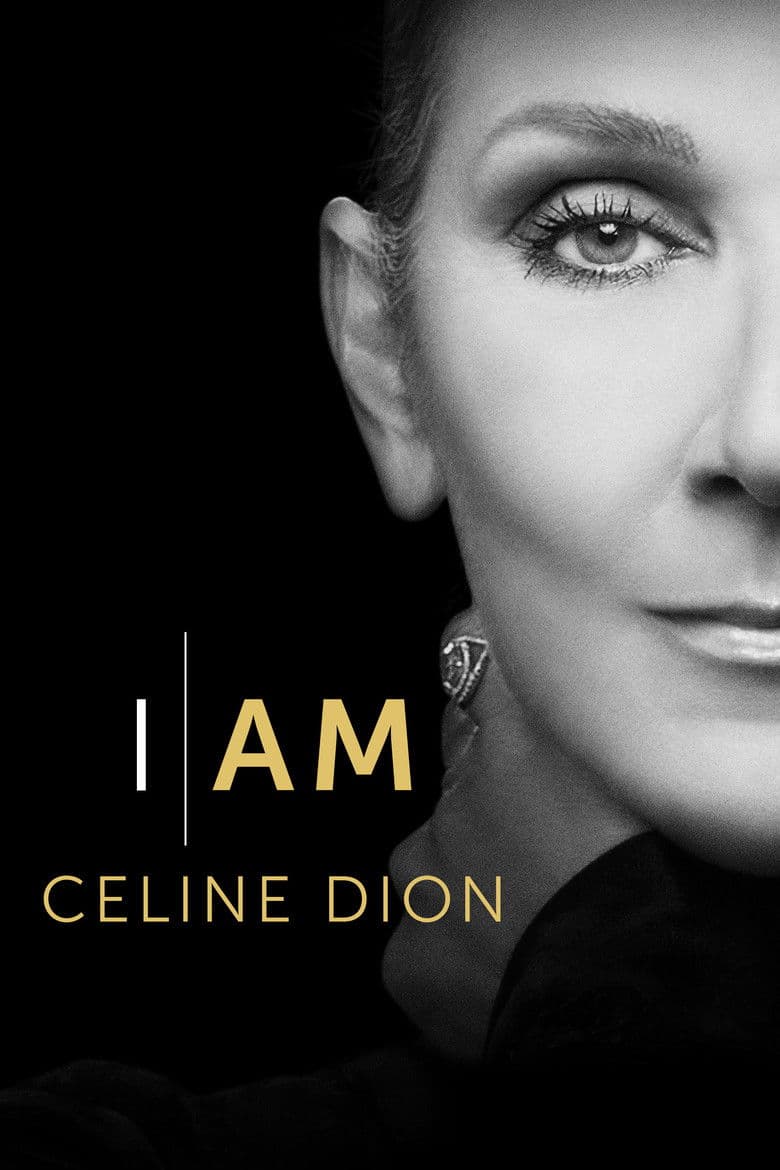
Movie · 2024
A raw and honest behind-the-scenes look at the iconic superstar's struggle with a life-altering illness. Serving as a love letter to her fans, this inspirational documentary…

Movie · 2019
He promised supermodels and yachts, but delivered tents and cheese sandwiches. How one man engineered a music festival disaster.
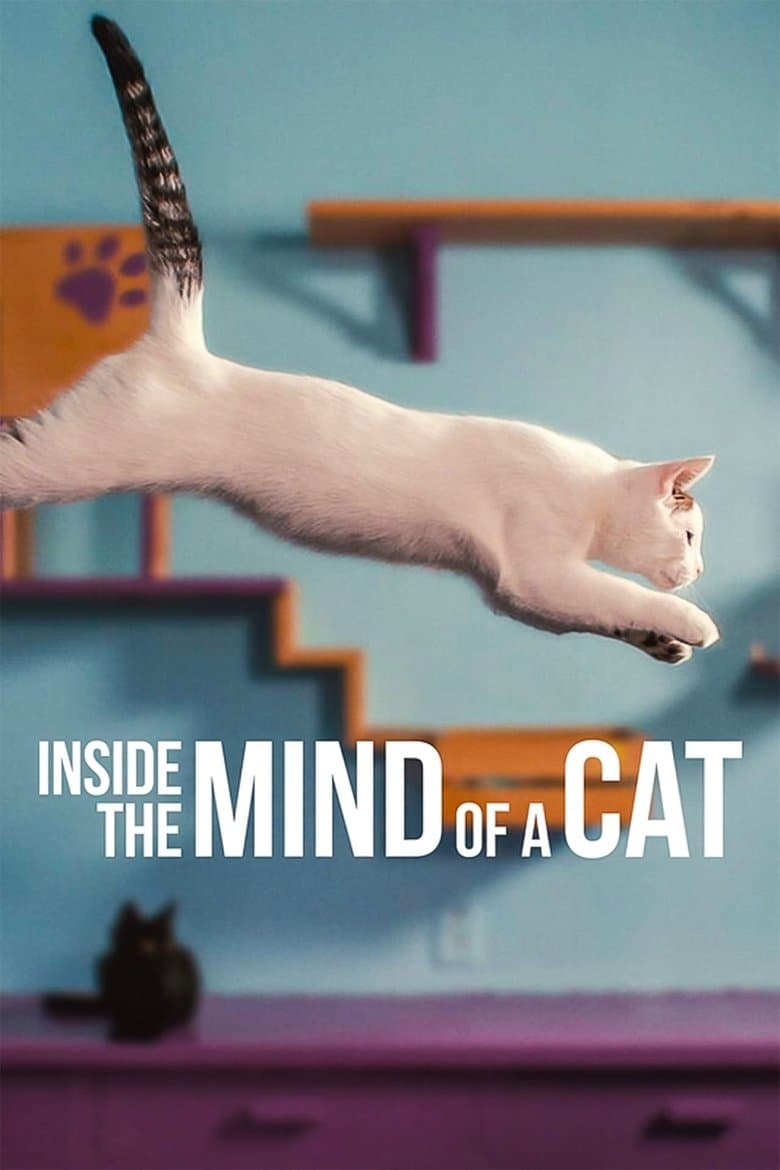
Movie · 2022
Cat experts dive into the mind of the feline to reveal the true capabilities of the pouncing pet in this captivating and cuddly documentary.
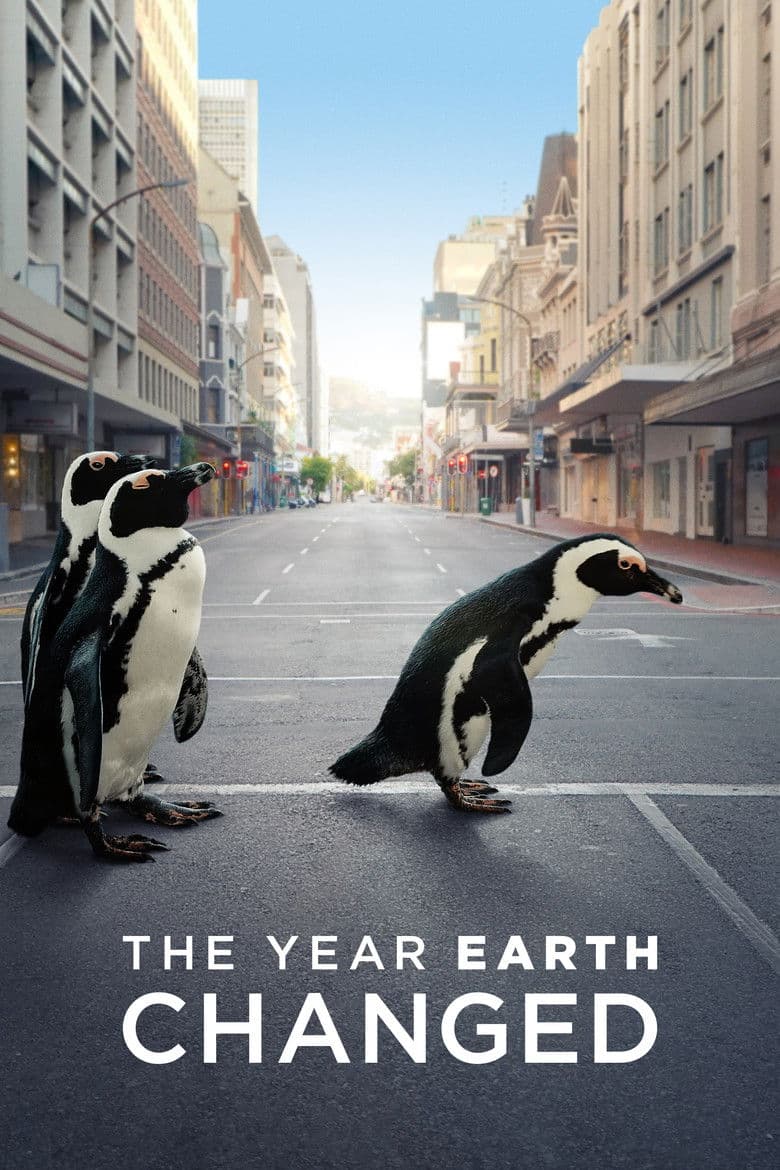
Movie · 2021
Never-before-seen footage shows how our living in lockdown opened the door for nature to bounce back and thrive.
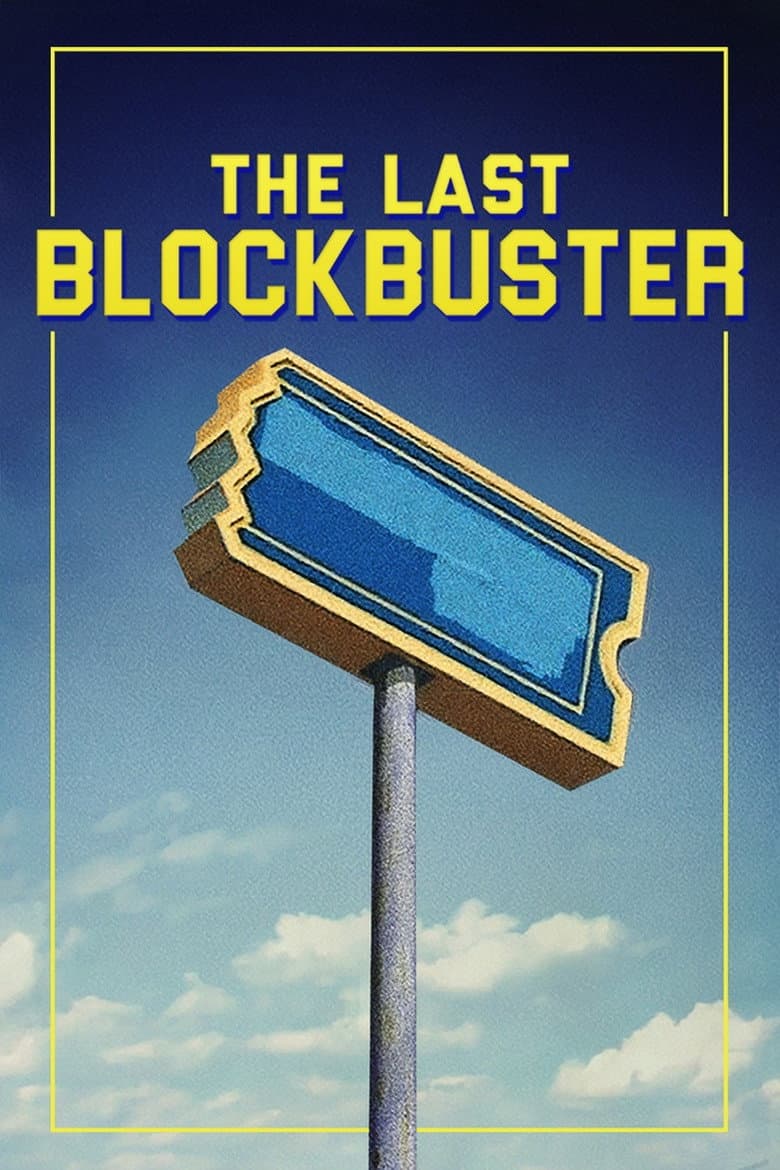
Movie · 2020
A documentary on the last remaining Blockbuster Video in Bend, Oregon.
