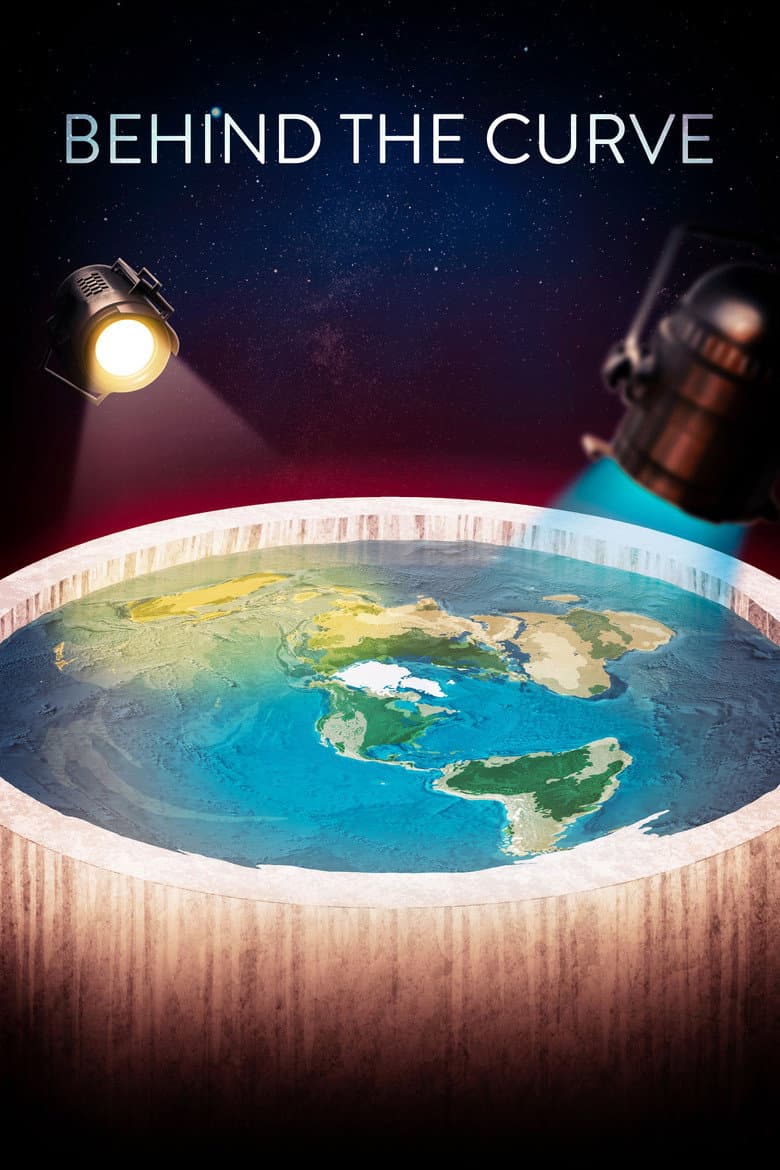
Behind the Curve follows Mark Sargent, a public face of the modern flat Earth movement, as he makes videos, attends meetings, and speaks with other believers. Patricia Steere and other flat Earthers join him while scientists and a former astronaut explain the round Earth and the risks of rejecting tested facts. The central conflict comes when the believers run their own tests, but the results point toward a spinning globe instead of a flat world. The film uses a calm, funny, and sometimes sad tone as it studies both the claims and the need for community behind them.
The film presents flat Earth belief as part of a wider pattern of distrust toward NASA, government, schools, science, vaccines, evolution, and the news. Experts explain how people look only for facts that support them and how online groups can trap them inside the same ideas. The film also argues that mockery can push people further away, so it treats the subjects as people while still showing that their tests fail. A brief claim about a supposed transgender push appears inside a subject's list of conspiracy ideas, but the film does not build a story around gender or sexuality. Its main message is about evidence, self-doubt, and how a group can become part of a person's identity.
Community feedback
Was our 4% Woke rating accurate?
Breakdown
These are the editorial factors and ratings behind our score for Behind the Curve.
Woke representation / casting
Not present. The documentary follows real participants and experts tied to flat Earth and science. It does not frame their identities as a diversity goal or build a representation-first group.
0%
Woke political dialogue
Not present. The spoken debate centers on flat Earth claims, science, and conspiracy thinking. One subject mentions a supposed transgender push in the media, but the film does not promote that idea or build a gender message.
0%
Identity-driven story themes
Not present. The main themes are belief, evidence, distrust, group loyalty, and self-deception. The documentary does not make race, gender, sexuality, or DEI the main subject.
0%
Western institutional / cultural critique
Not present. The film shows subjects distrusting NASA, government, schools, and science. Its own frame treats conspiracy thinking and anti-intellectualism as dangers, not as an activist attack on Western institutions or family and gender norms.
0%
Woke character or canon changes
Not relevant. The documentary uses real participants and does not adapt a fictional work or change established characters or historical figures for identity reasons.
0%
Anti-woke backlash and complaints
Not present. The separate X research pass found no anti-woke reaction and gave a volume of 0. Some flat Earth viewers called the film biased or a hit piece, but their complaints focused on editing and the globe Earth conclusion rather than woke, DEI, or identity politics.
0%
Creator track record context
Nick Andert has a credit on Transhood, a documentary about transgender children and their families. Christine O'Malley has worked on films about women's experiences and served on Sundance's Women in Film Committee. Caroline Clark has supported films with Asian American and queer stories. Daniel J. Clark and Patrick Creadon show no sustained woke or activist persona in the supplied context, so the creator signal is limited.
18%
Production
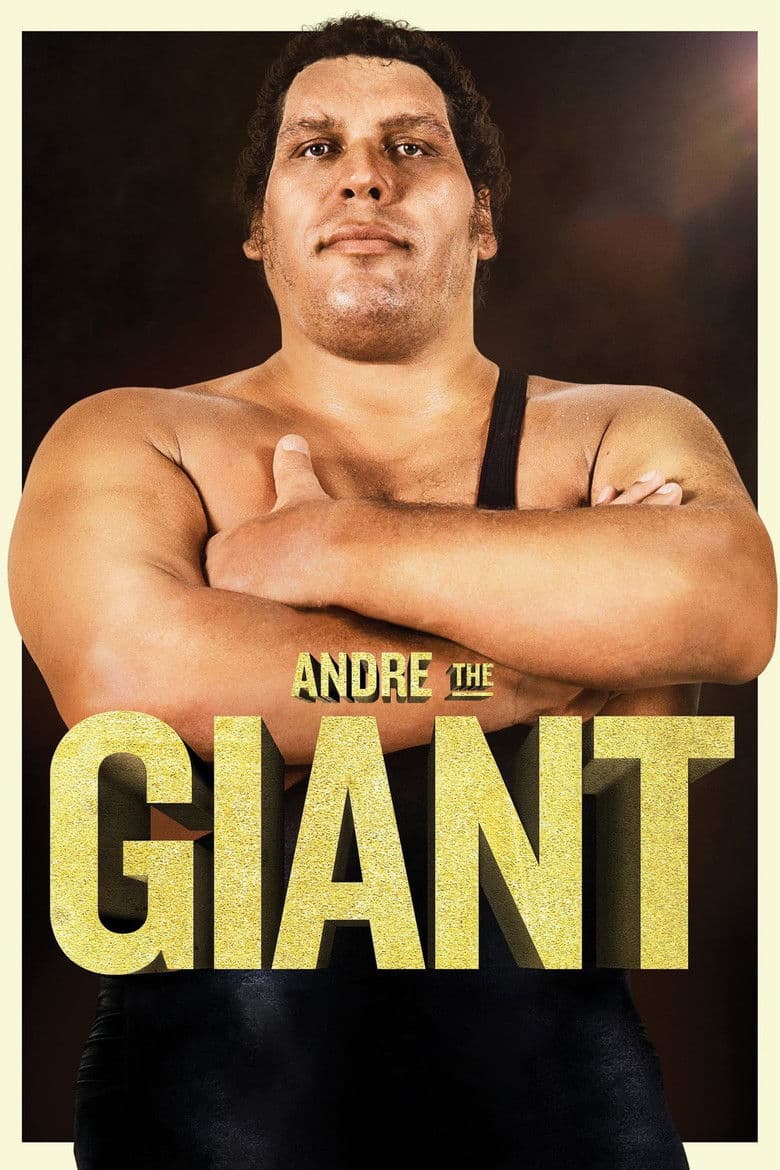
Movie · 2018
An ambitious and wide-ranging documentary exploring Andre’s upbringing in France, his celebrated career in WWE, and his forays in the entertainment world.
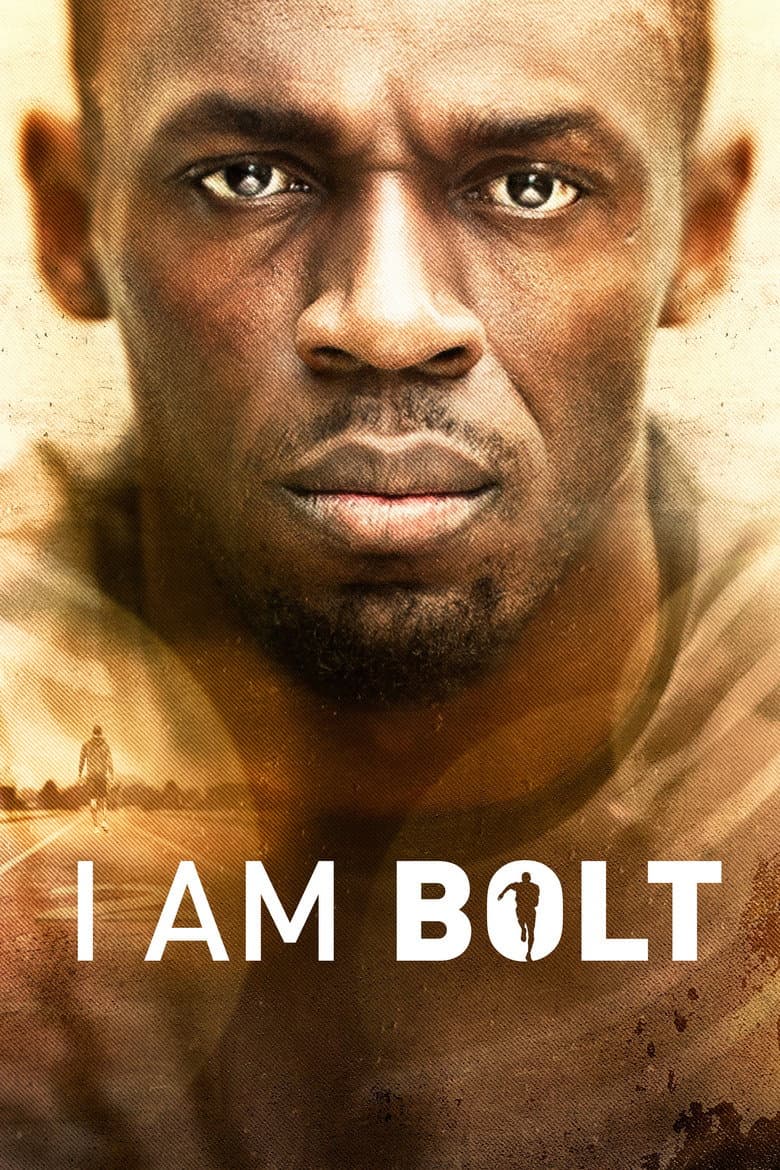
Movie · 2016
Fully authorized, access-all-areas feature doc on the hugely charismatic and globally adored Usain Bolt – officially the fastest man alive.
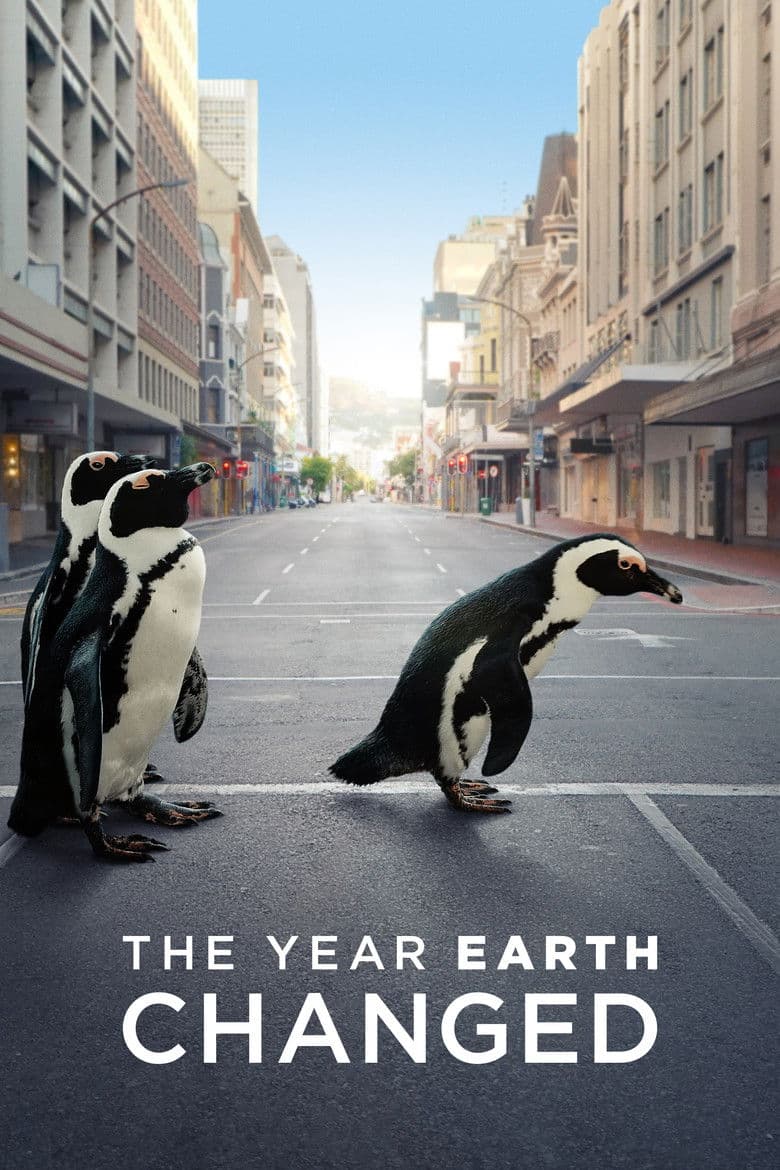
Movie · 2021
Never-before-seen footage shows how our living in lockdown opened the door for nature to bounce back and thrive.
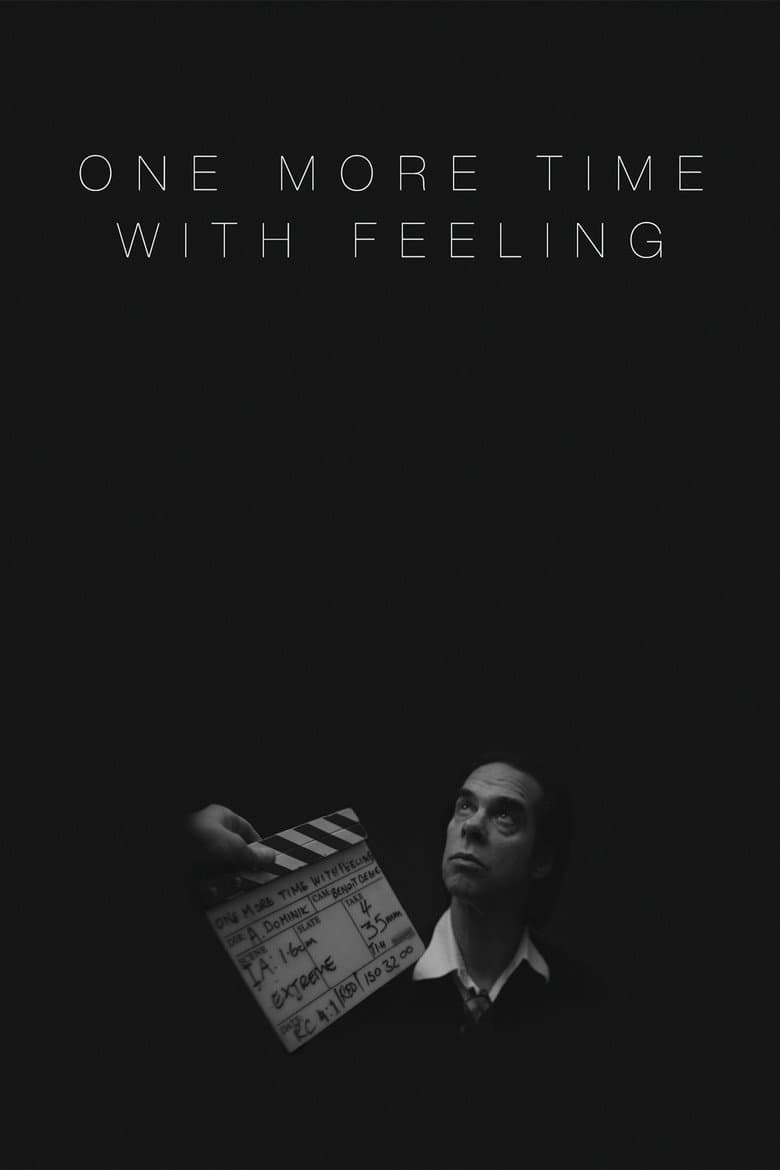
Movie · 2016
Andrew Dominik's One More Time With Feeling is a remarkable black and white documentary which chronicles the creation of Nick Cave & The Bad Seeds' album Skeleton Tree.
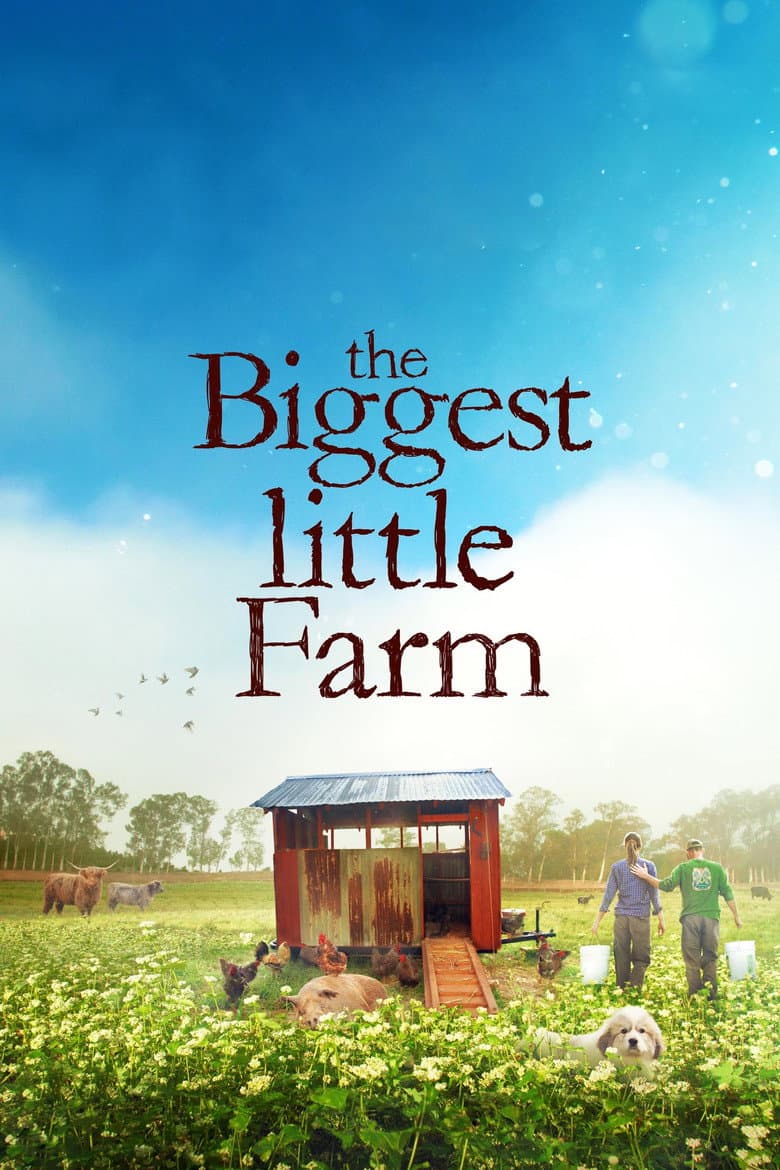
Movie · 2019
The successes and failures of a couple determined to live in harmony with nature on a farm outside of Los Angeles are lovingly chronicled by filmmaking farmer John Chester, in…

Movie · 2019
He promised supermodels and yachts, but delivered tents and cheese sandwiches. How one man engineered a music festival disaster.
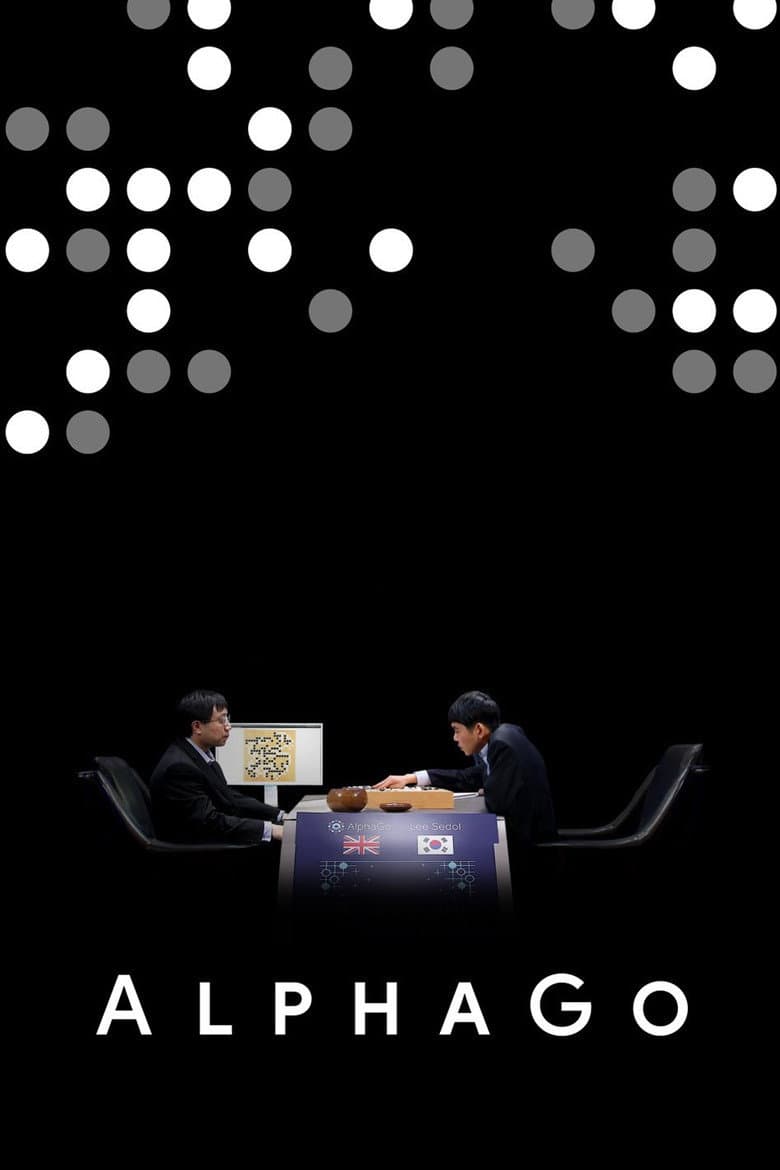
Movie · 2017
The ancient Chinese game of Go has long been considered a grand challenge for artificial intelligence. Yet in 2016, Google's DeepMind team announced that they would be taking on…
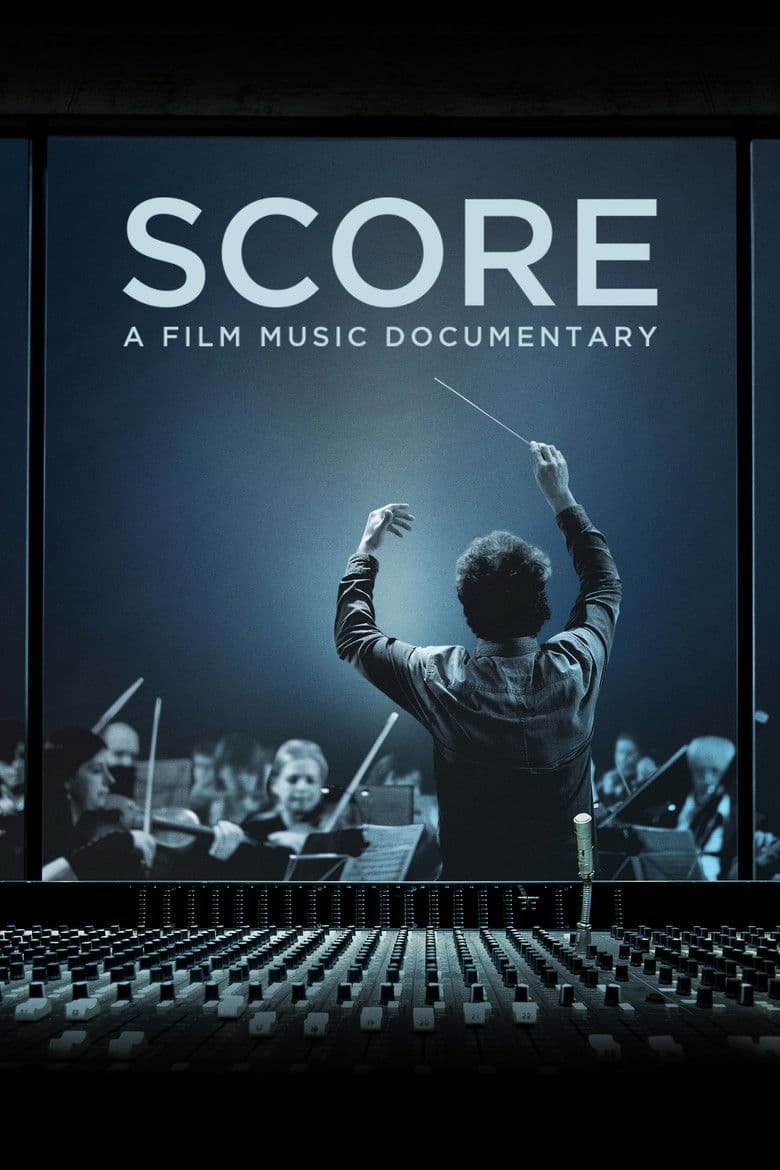
Movie · 2017
Music is an integral part of most films, adding emotion and nuance while often remaining invisible to audiences.
