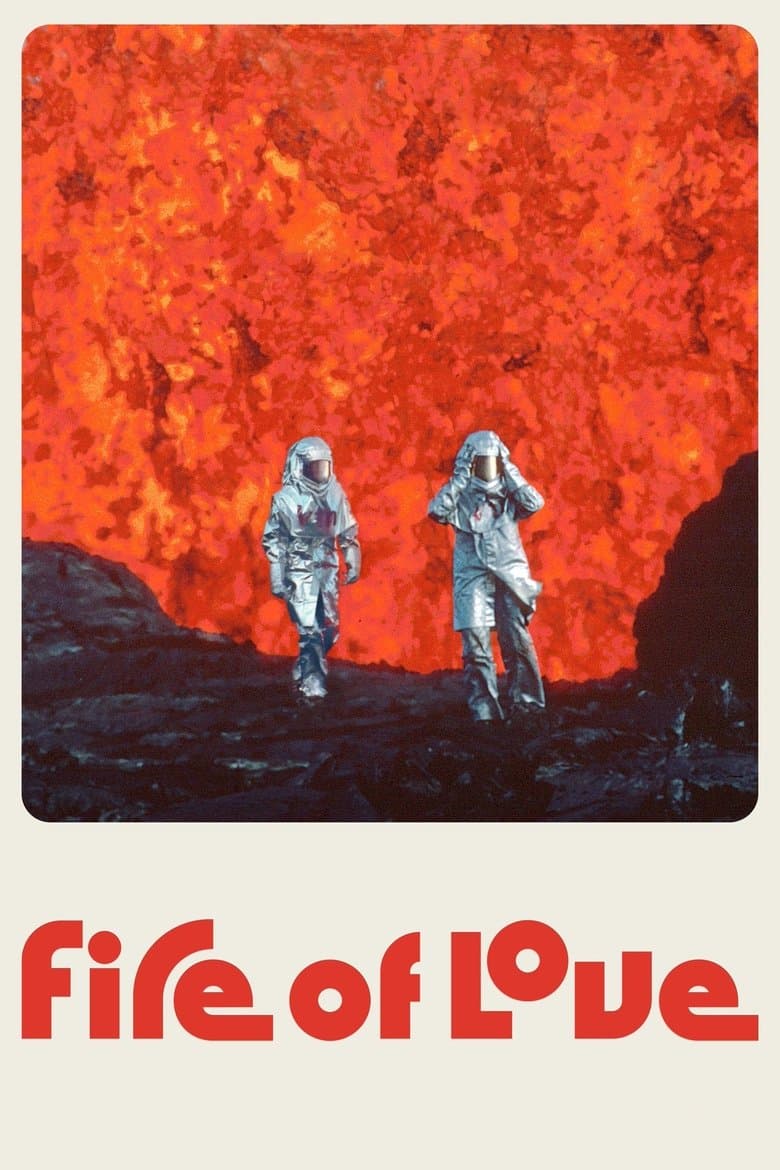
Fire of Love follows Katia and Maurice Krafft, a married French pair who study active volcanoes from the late 1960s to 1991. The two travel to eruptions, take striking 16mm film, and work so close to lava and ash that their work is always dangerous. Katia takes a careful science view while Maurice often chases the biggest risk, but both share the same need to understand volcanoes. The movie uses their own footage and a soft voice-over, so it feels like a sad love story as well as a science story.
The main idea is deep devotion. The film treats the couple's marriage and their love of volcanoes as one bond that gives their lives purpose but also leads them into danger. Katia is a skilled scientist, and Maurice is a daring partner, but the movie keeps its focus on their shared work. The final part shows their death at Mount Unzen and the value of their earlier volcano warning work.
Community feedback
Was our 4% Woke rating accurate?
Breakdown
These are the editorial factors and ratings behind our score for Fire of Love.
Woke representation / casting
Not present. The documentary uses real archival footage of the French Kraffts and their real colleagues. Katia’s role as a scientist comes from her real life.
0%
Woke political dialogue
Not present. The narration focuses on volcano science, danger, and the couple’s feelings. The movie does not build scenes around modern political debate.
0%
Identity-driven story themes
Not present. The central story is a marriage and dangerous science work. The movie does not make identity rights or representation its main idea.
0%
Western institutional / cultural critique
Not present. The movie follows scientific work and natural disasters. The story does not attack Western cultural institutions or present a modern activist critique.
0%
Woke character or canon changes
Not relevant. The movie tells a real story through archival material. The film does not change established fictional characters or a fictional canon.
0%
Anti-woke backlash and complaints
Not present. Major coverage does not report an anti-woke campaign against the movie. Public criticism mainly targets the narration and romance framing.
0%
Creator track record context
Sara Dosa’s stored creator summary points to climate and economic justice interests. Erin Casper and Jocelyne Chaput have prior credits on race, gender, Indigenous, and transgender topics. Shane Boris focuses on science and nature, while several producers have records of climate, equity, or inclusive documentary work.
21%
Production
Movie · 2016
Andrew Dominik's One More Time With Feeling is a remarkable black and white documentary which chronicles the creation of Nick Cave & The Bad Seeds' album Skeleton Tree.

Movie · 2019
He promised supermodels and yachts, but delivered tents and cheese sandwiches. How one man engineered a music festival disaster.
Movie · 2016
Fully authorized, access-all-areas feature doc on the hugely charismatic and globally adored Usain Bolt – officially the fastest man alive.
Movie · 2019
The successes and failures of a couple determined to live in harmony with nature on a farm outside of Los Angeles are lovingly chronicled by filmmaking farmer John Chester, in…
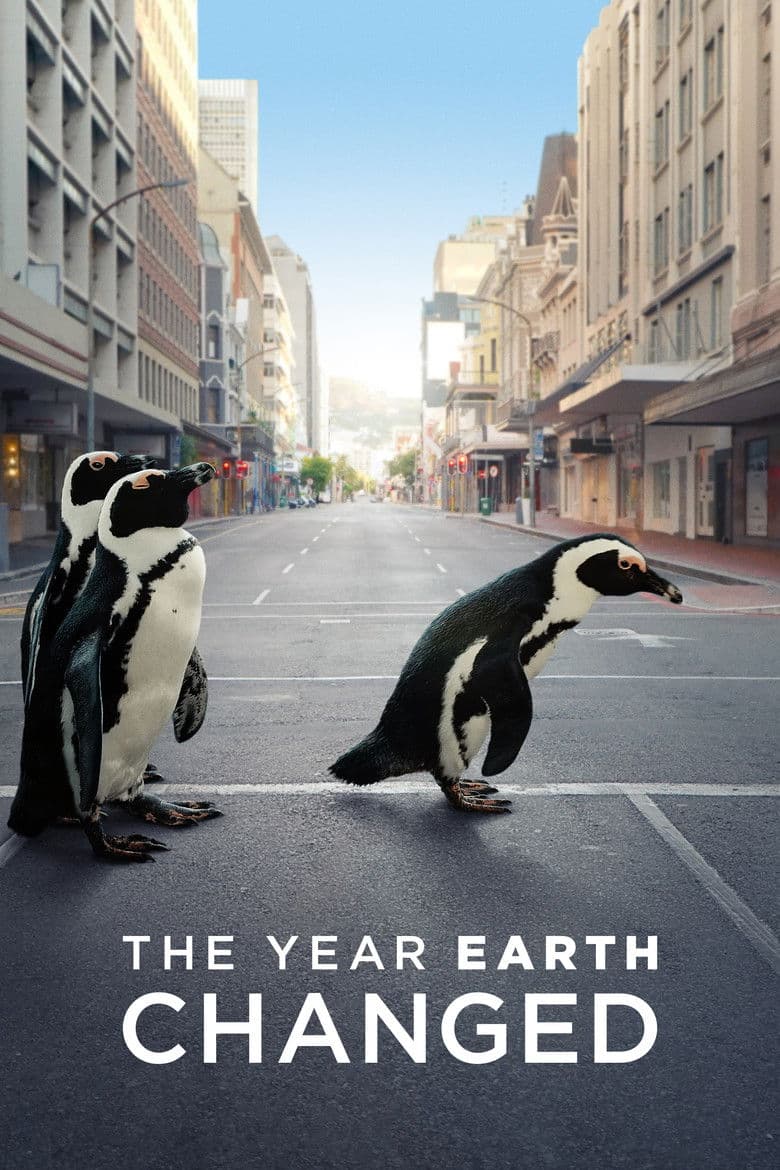
Movie · 2021
Never-before-seen footage shows how our living in lockdown opened the door for nature to bounce back and thrive.
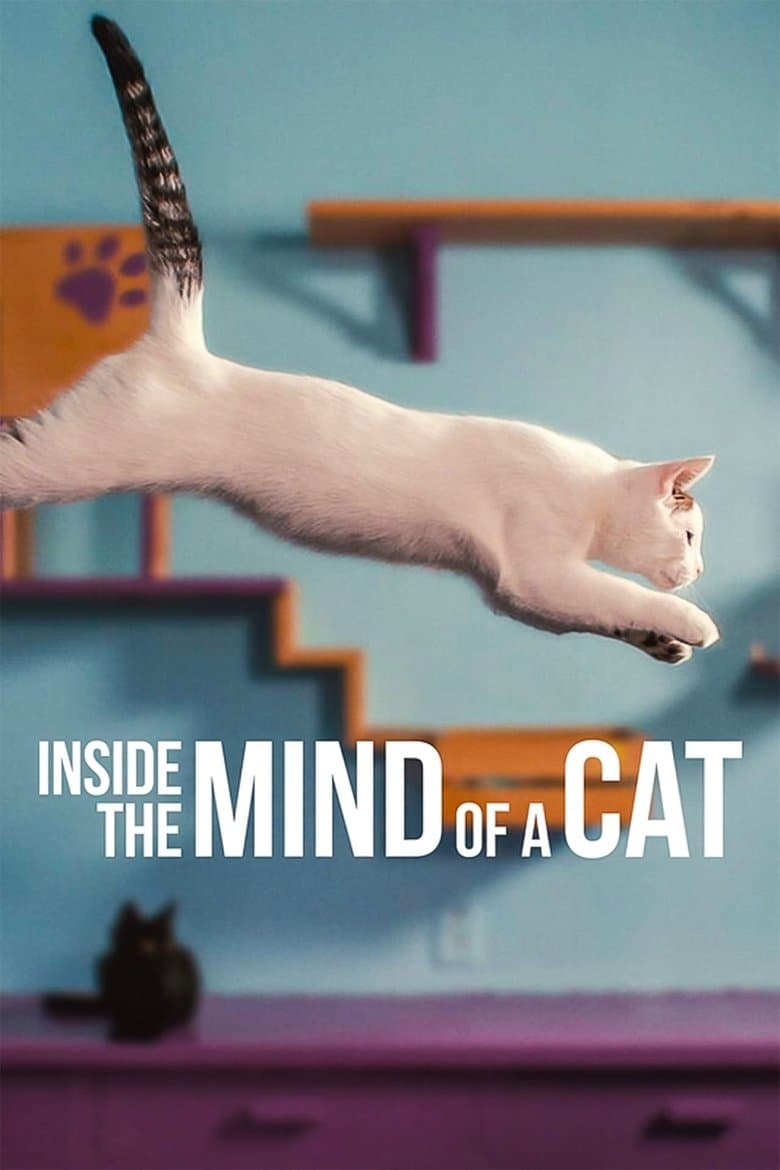
Movie · 2022
Cat experts dive into the mind of the feline to reveal the true capabilities of the pouncing pet in this captivating and cuddly documentary.

Movie · 2022
Using unprecedented Olympic footage and behind-the-scenes material, The Redeem Team tells the story of the US Olympic Men's Basketball Team’s quest for gold at the 2008 Olympic…
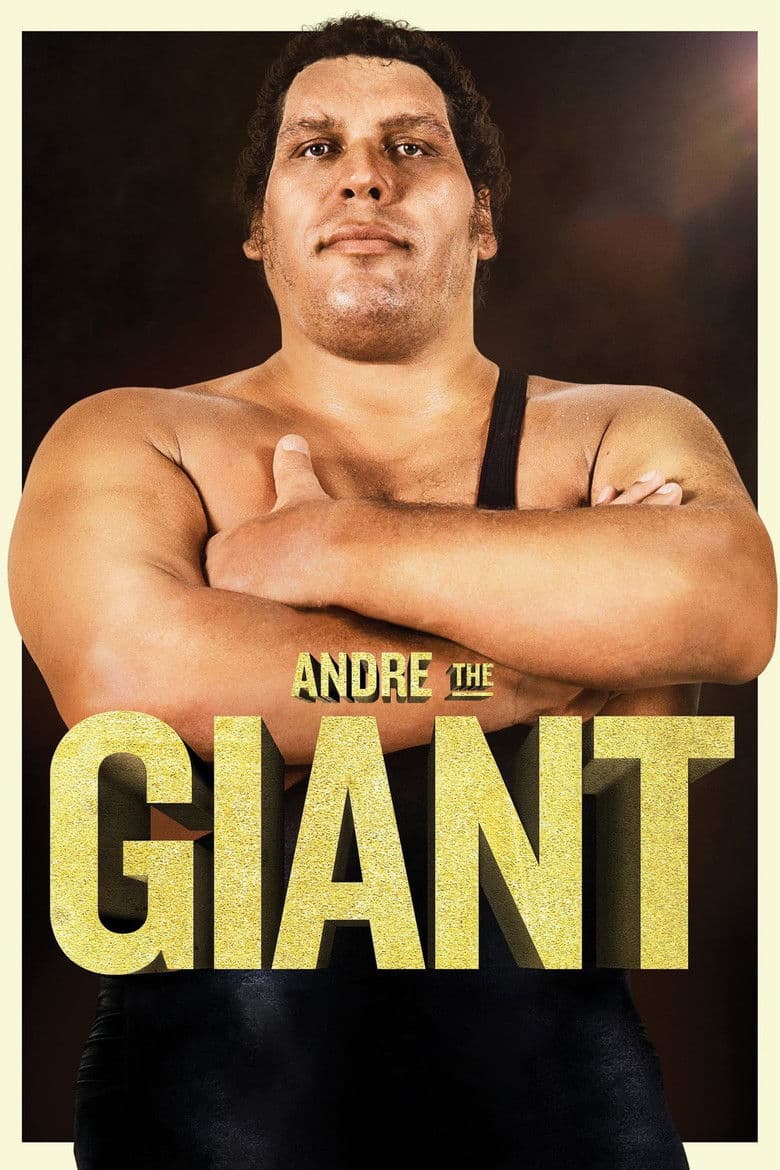
Movie · 2018
An ambitious and wide-ranging documentary exploring Andre’s upbringing in France, his celebrated career in WWE, and his forays in the entertainment world.
