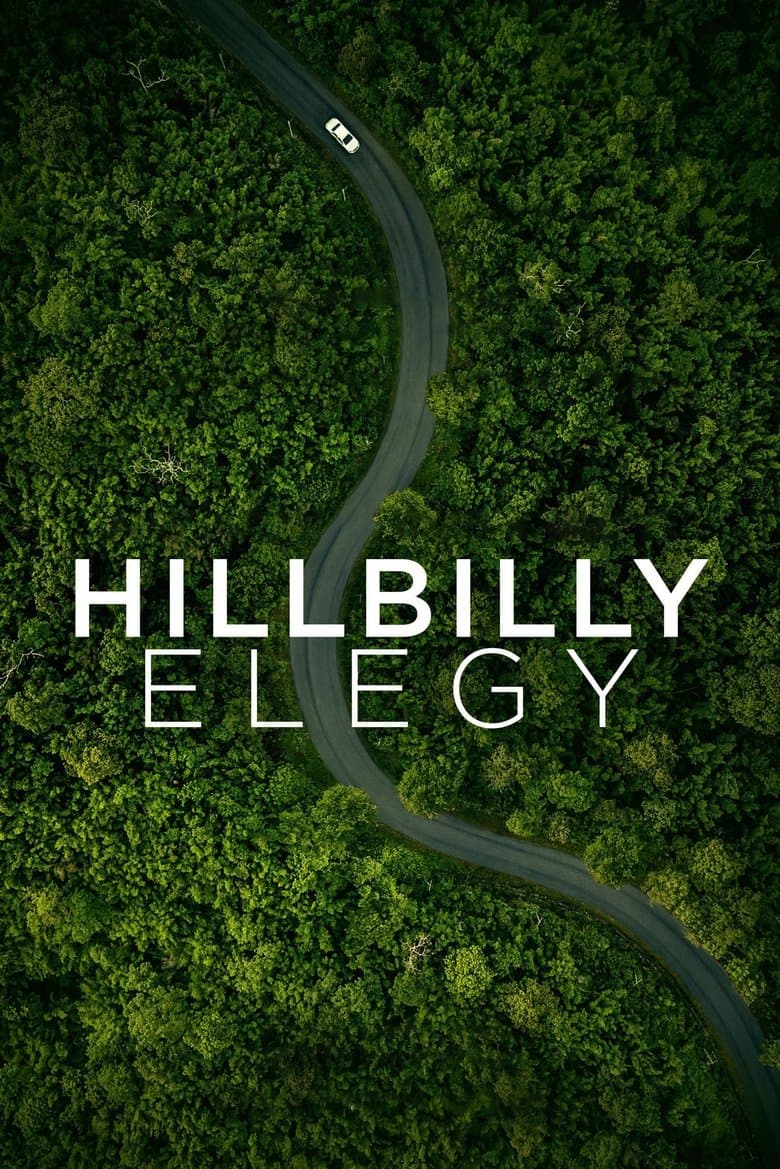
J.D. is a Yale Law student from a rough Ohio family with roots in Kentucky. A call about his mother Bev’s drug crisis pulls him home from school. The film cuts between his hard childhood with Bev and his tough grandmother Mamaw, and his adult struggle to help his family without losing his future. The tone is heavy, emotional family drama about addiction, loyalty, and trying to rise.
The movie is mainly about broken family life, opioid addiction, and a young man trying to build a better life. Viewers see hard parenting, poverty stress, Marine service, and class nerves at fancy Yale dinners. Freida Pinto plays Usha, J.D.’s real-life Indian-American partner, as a supportive girlfriend. The story sells personal grit and family duty more than race, gender, or activist identity politics. A normal viewer would notice family pain and the American Dream climb, not a modern social-justice sermon.
Community feedback
Was our 8% Woke rating accurate?
Breakdown
These are the editorial factors and ratings behind our score for Hillbilly Elegy.
Woke representation / casting
Main leads match a white Appalachian family drawn from real life. Freida Pinto as Usha follows Vance’s real Indian-American partner and is a support role, not a quota-style identity showcase or pattern of forced diversity in lead parts.
8%
Woke political dialogue
Lines focus on addiction, family duty, rehab, and awkwardness at elite Yale dinners. The film largely drops the book’s political lectures and does not center modern activist identity slogans.
0%
Identity-driven story themes
Core themes are family harm, drugs, class climb, and personal choice. Class and “hillbilly” roots matter as culture and struggle, not race, gender, or queer identity politics as the story’s engine.
5%
Western institutional / cultural critique
Mild fish-out-of-water tension between poor Ohio roots and Yale polish shows class gap. That is not modern activist attack on Christianity, “toxic” tradition, or Western culture as the main message.
0%
Woke character or canon changes
The adaptation cuts politics and compresses events into a family drama. Those are ordinary movie choices, not race/gender swaps or DEI rewrites of known characters or history.
5%
Anti-woke backlash and complaints
Almost no serious, widespread claim that the film content is woke/DEI propaganda. Loud pushback was mostly left-side (stereotypes, poverty porn, Vance politics). Fringe jabs at Netflix or Howard are thin for this factor.
0%
Creator track record context
Key names sit low to mild overall: Vance strongly anti-woke; Howard and Taylor mild liberal Hollywood; most producers low. Casting director’s diversity focus is higher, but the film plays as a straight family survival drama, not an activist project.
12%
Production
Movie · 2016
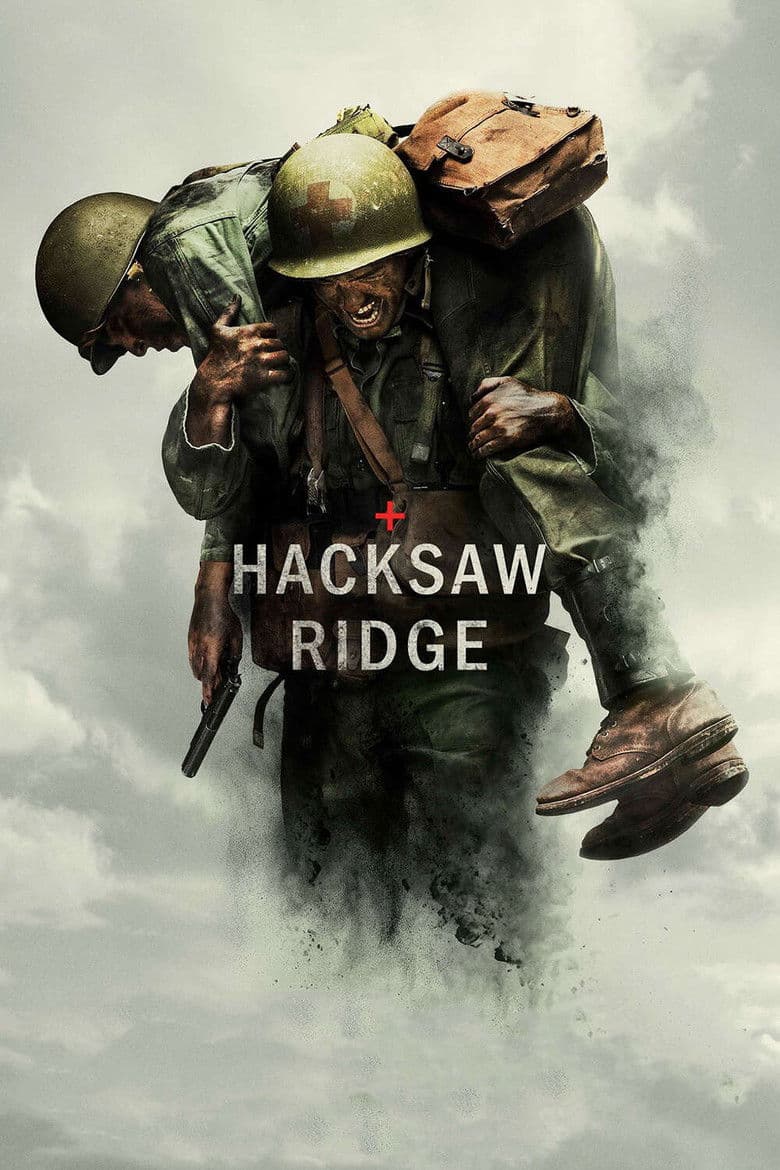
WWII American Army Medic Desmond T. Doss, who served during the Battle of Okinawa, refuses to kill people and becomes the first Conscientious Objector in American history to…
Movie · 2019
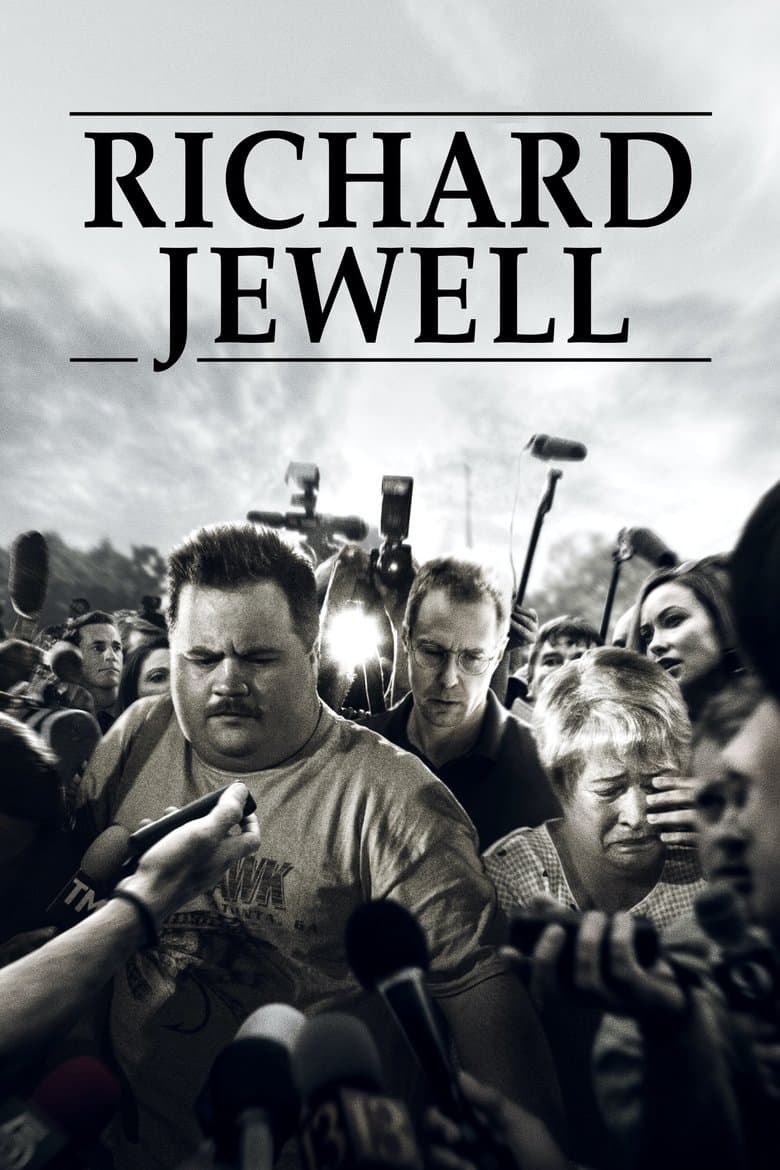
Richard Jewell thinks quick, works fast, and saves hundreds, perhaps thousands, of lives after a domestic terrorist plants several pipe bombs and they explode during a concert…
Movie · 2024
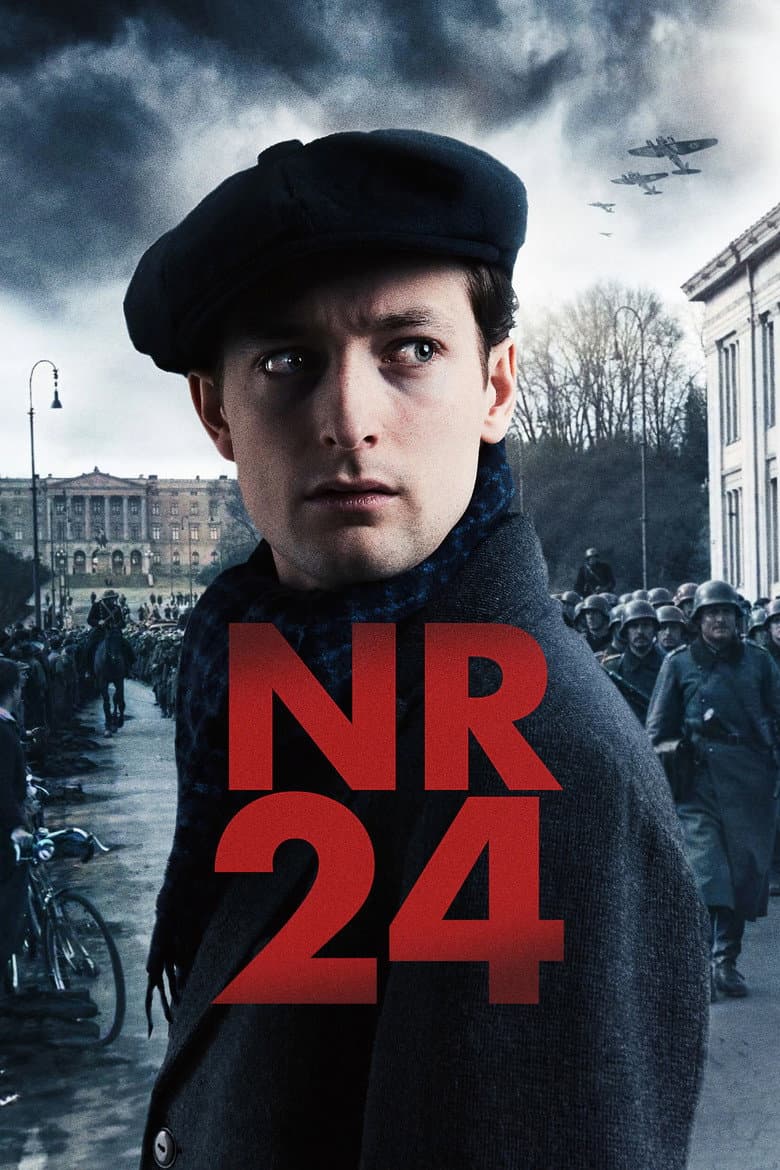
On the brink of the Second World War, a young Norwegian man's drive to resist the Nazis sets a new course for his future – and the future of his country.
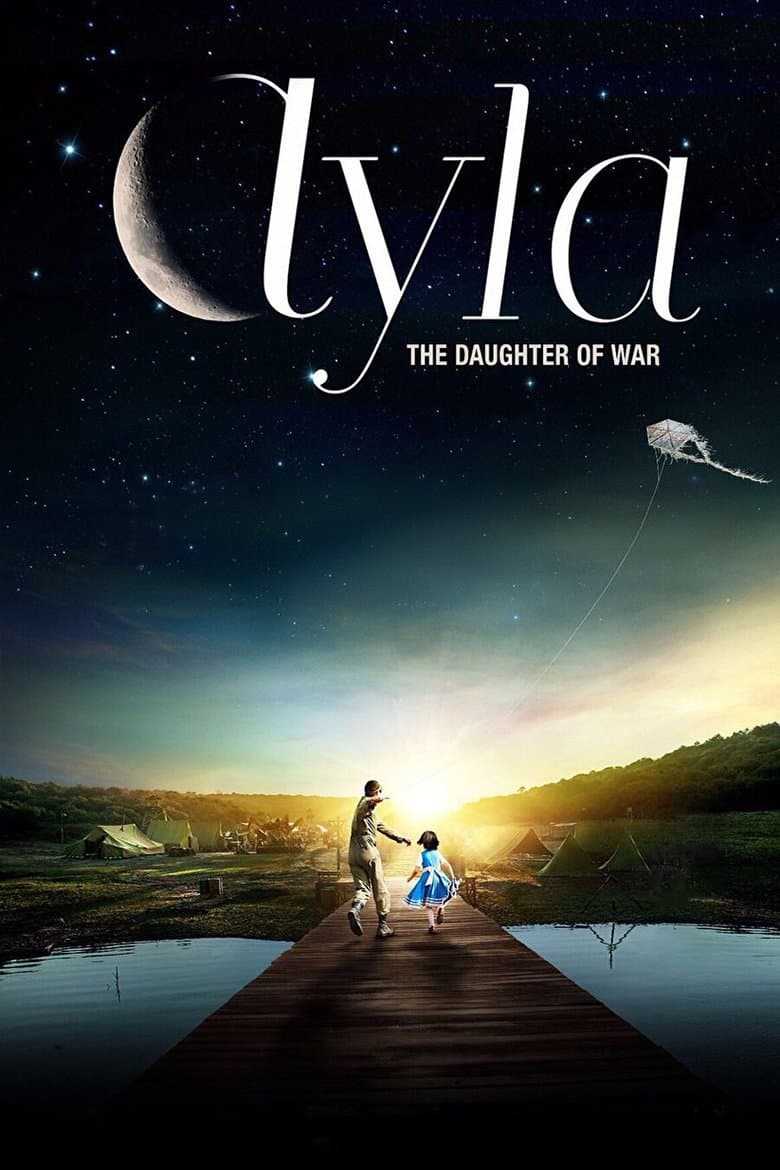
Movie · 2017
In 1950, amidst the ravages of the Korean War, Sergeant Süleyman stumbles upon a a half-frozen little girl, with no parents and no help in sight and he risks his own life to save…
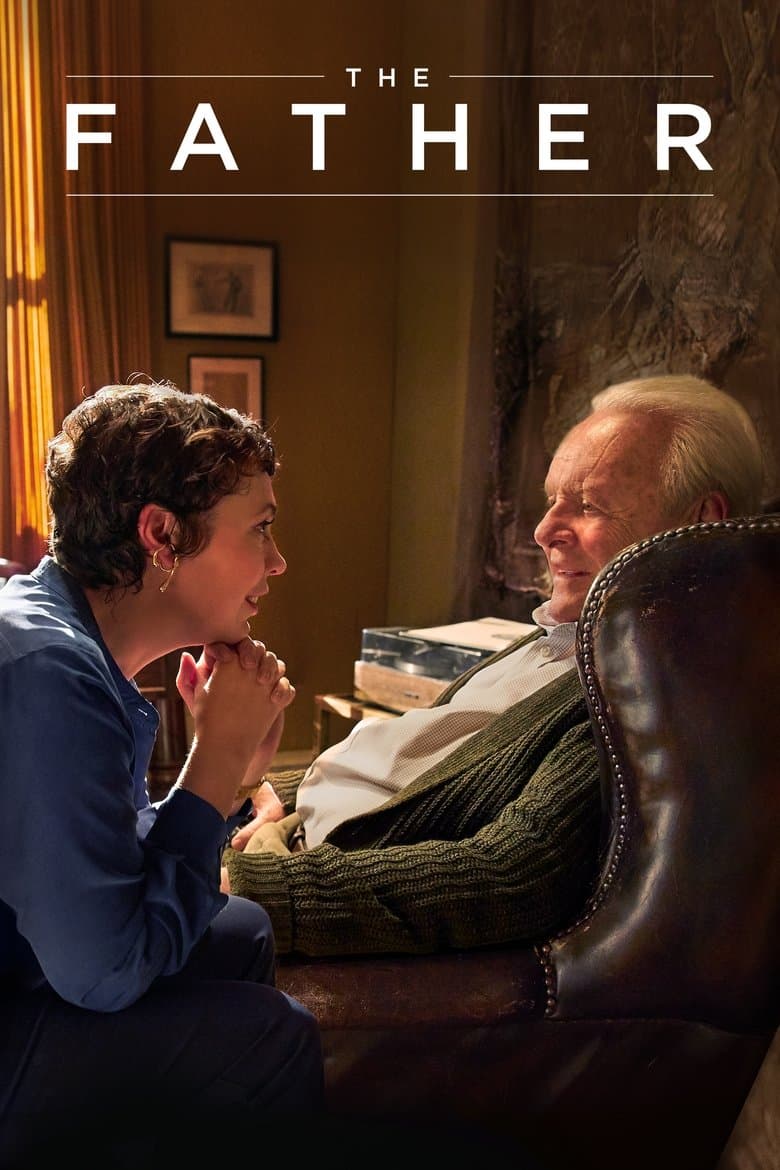
Movie · 2020
A man refuses all assistance from his daughter as he ages and, as he tries to make sense of his changing circumstances, he begins to doubt his loved ones, his own mind and even…
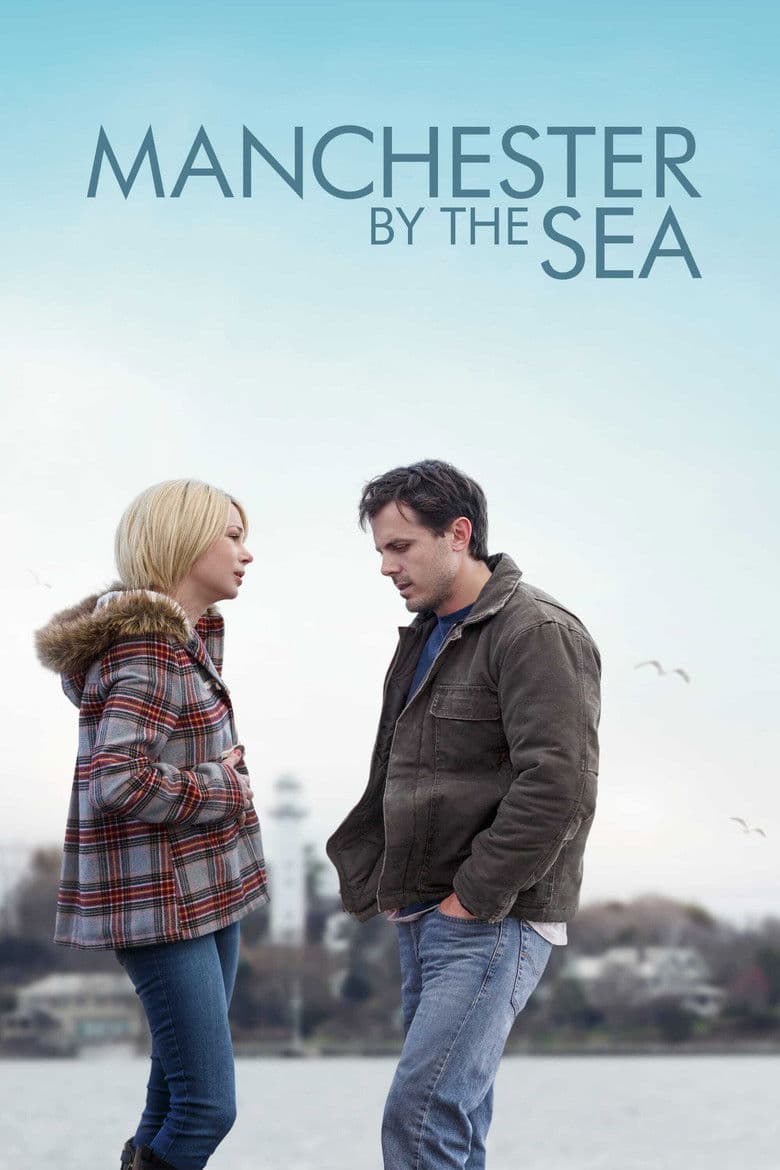
Movie · 2016
After his older brother passes away, Lee Chandler is forced to return home to care for his 16-year-old nephew.
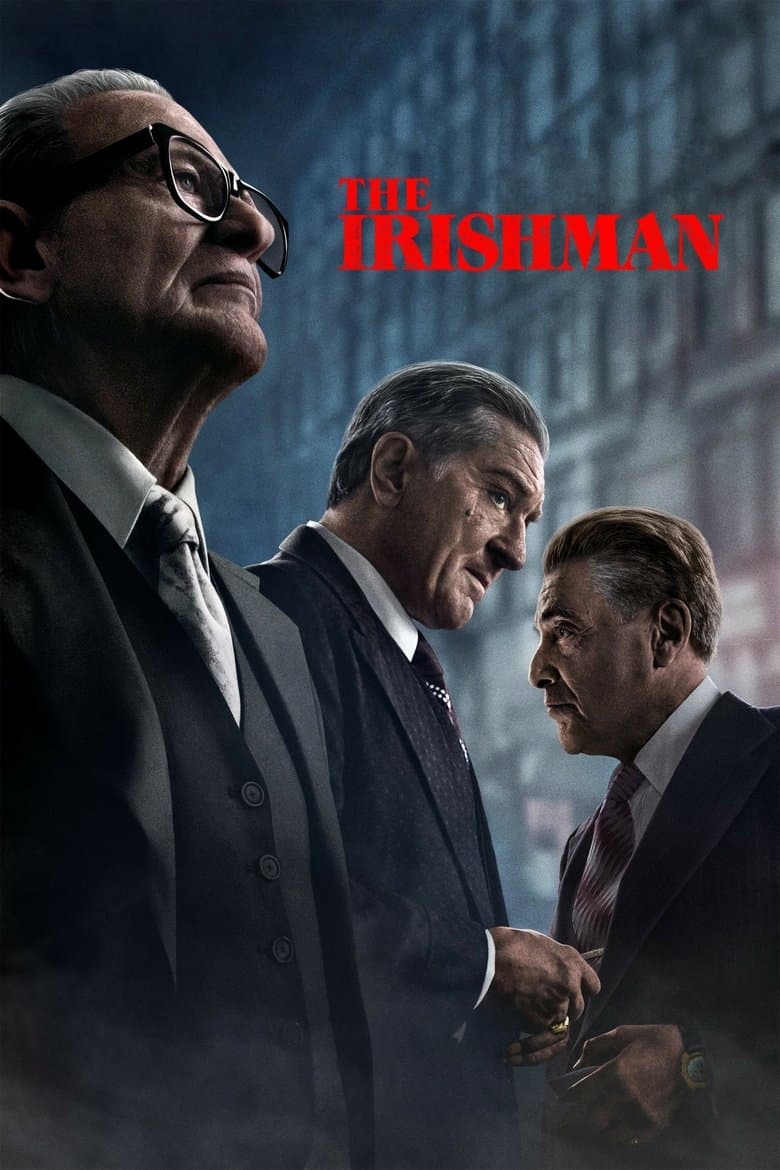
Movie · 2019
Pennsylvania, 1956. Frank Sheeran, a war veteran of Irish origin who works as a truck driver, accidentally meets mobster Russell Bufalino.
Movie · 2023
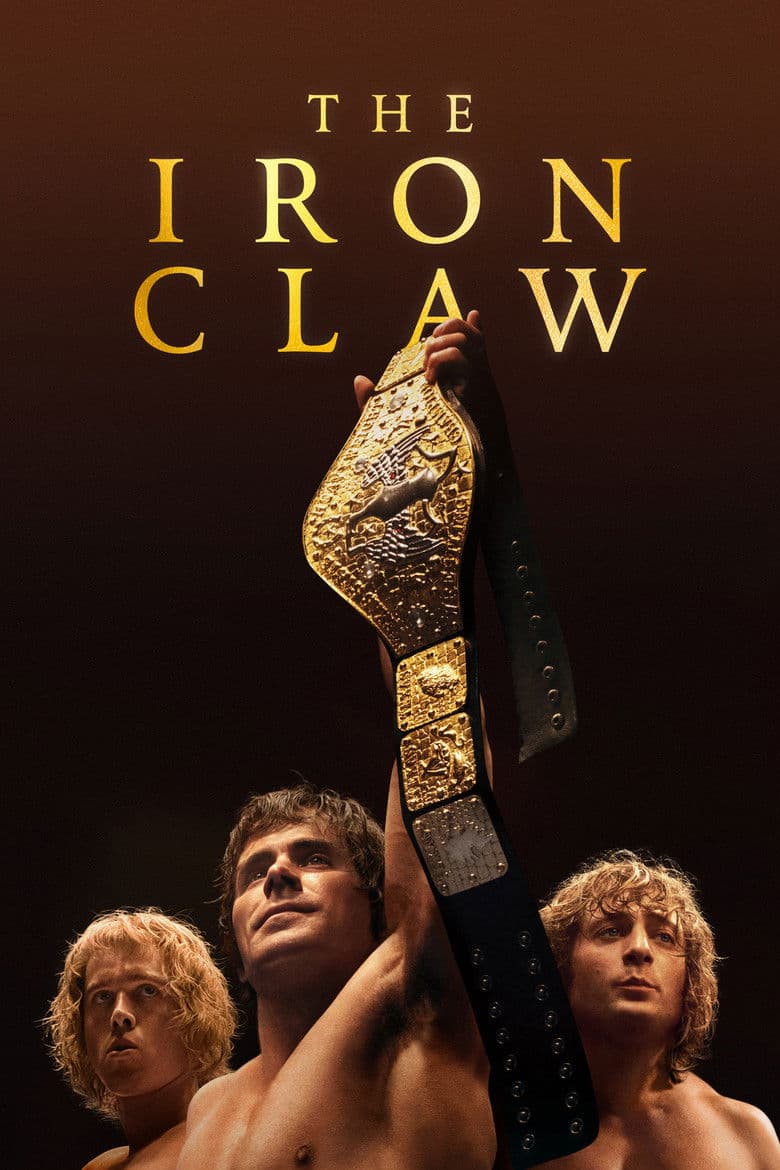
The true story of the inseparable Von Erich brothers, who made history in the intensely competitive world of professional wrestling in the early 1980s.
