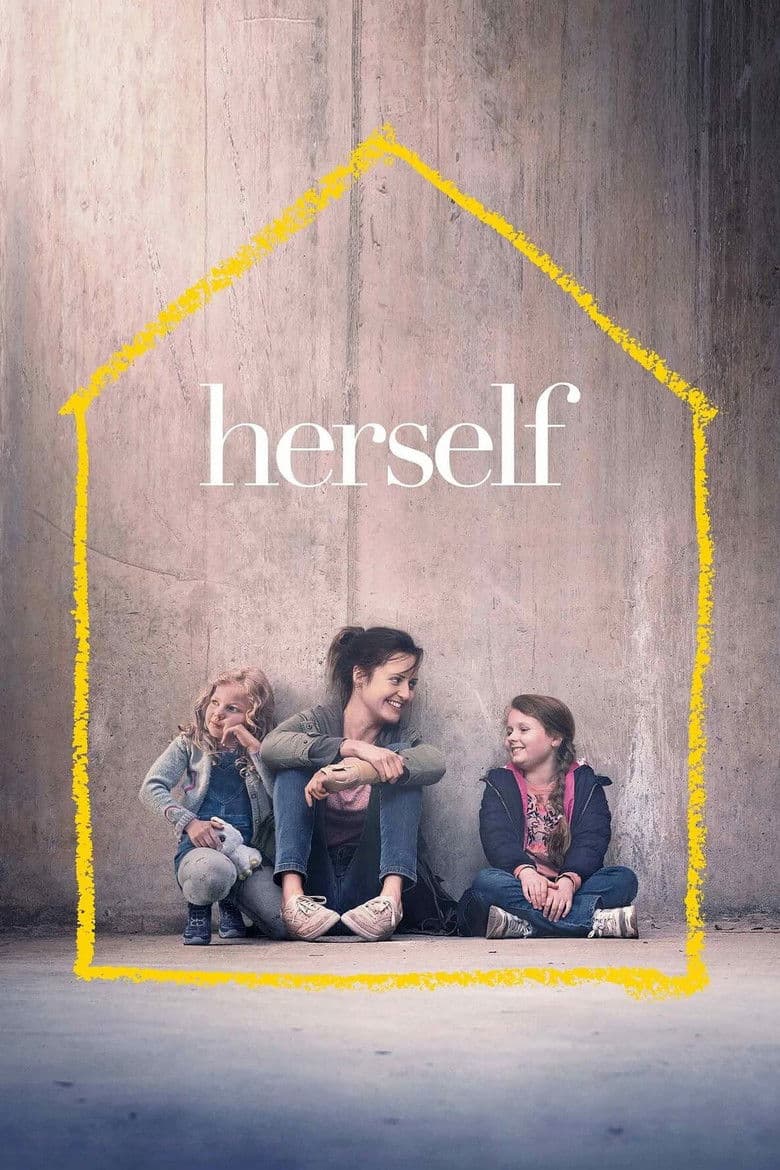
Sandra is a Dublin mother who leaves her violent husband after a terrifying attack. She and her two young daughters move between temporary rooms while she works and tries to keep the family safe. Sandra learns that a small home can be built for less than the cost of years in poor housing, so she plans to build one herself. The drama is painful and tense, but it also has warm, hopeful moments as neighbors gather around her.
The film makes Sandra’s fight for safety and control the center of the story. It shows domestic abuse as a lasting danger through fear, flashbacks, court pressure, and the children’s stress. It also presents housing rules and public offices as barriers that keep a mother stuck after she leaves. Sandra gains strength through practical work, honest speech, and help from women and men in her community, while the story openly favors her right to a safe home and a life beyond an abusive relationship.
Community feedback
Was our 60% Woke rating accurate?
Breakdown
These are the editorial factors and ratings behind our score for Herself.
Woke representation / casting
The visible cast is mostly white Irish or British, so the film does not show a strong race or sexuality-based diversity pattern. The film puts a mother, two girls, an older woman, and several women friends at the center. This choice fits a story about a mother and her children rather than a forced diversity lineup. Lloyd’s interview also frames the project as part of an all-female group telling women’s stories, which adds a mild representation signal.
18%
Woke political dialogue
Sandra gives a courtroom speech about why people ask why she did not leave instead of why her husband did not stop. The line turns the abuse story into a direct criticism of blaming the victim. The scene is important but brief. The rest of the dialogue centers on family, work, housing, and recovery.
30%
Identity-driven story themes
The film makes a woman’s escape from male violence and fight for control its main story. Sandra repeatedly chooses work, a housing plan, and a courtroom statement instead of returning to her husband. The story treats women’s mutual help and independence as the path to recovery. The story also links private pain to victim-blaming and the lack of safe housing, so gender and social justice concerns stay central.
60%
Western institutional / cultural critique
The film presents the housing office and family court as systems that fail a mother after she leaves abuse. Gary’s control and violence present male entitlement as part of the danger. These barriers return across Sandra’s housing search, child visits, and court case. The story favors community help over slow public systems, but it does not attack Christianity or all Western culture.
50%
Woke character or canon changes
Not relevant. Herself is an original story about Sandra, not a remake or story about a known character. It does not change a historical figure, an established role, or earlier canon.
0%
Anti-woke backlash and complaints
Not present. The supplied X pass found no anti-woke posts or specific complaints. Wider coverage contains reviews and interviews, but no clear report that the film was attacked for pushing woke, DEI, or identity politics.
0%
Creator track record context
Phyllida Lloyd has a long record of women-centered work and has spoken about equal access and women’s place in culture. Clare Dunne has built her public creative work around domestic abuse, equality, and overlooked women’s lives. Several producers also support women-led or LGBTQ+ stories, while other listed producers have little public activist record. That mix gives the film meaningful creator track record context without making every scene political.
55%
Production

Movie · 2016
After his older brother passes away, Lee Chandler is forced to return home to care for his 16-year-old nephew.

Movie · 2025
Diagnosed with Tourette Syndrome at 15, John Davidson navigates his way against the odds through troubled teenage years and into adulthood, finding inspiration in the kindness of…
Movie · 2019
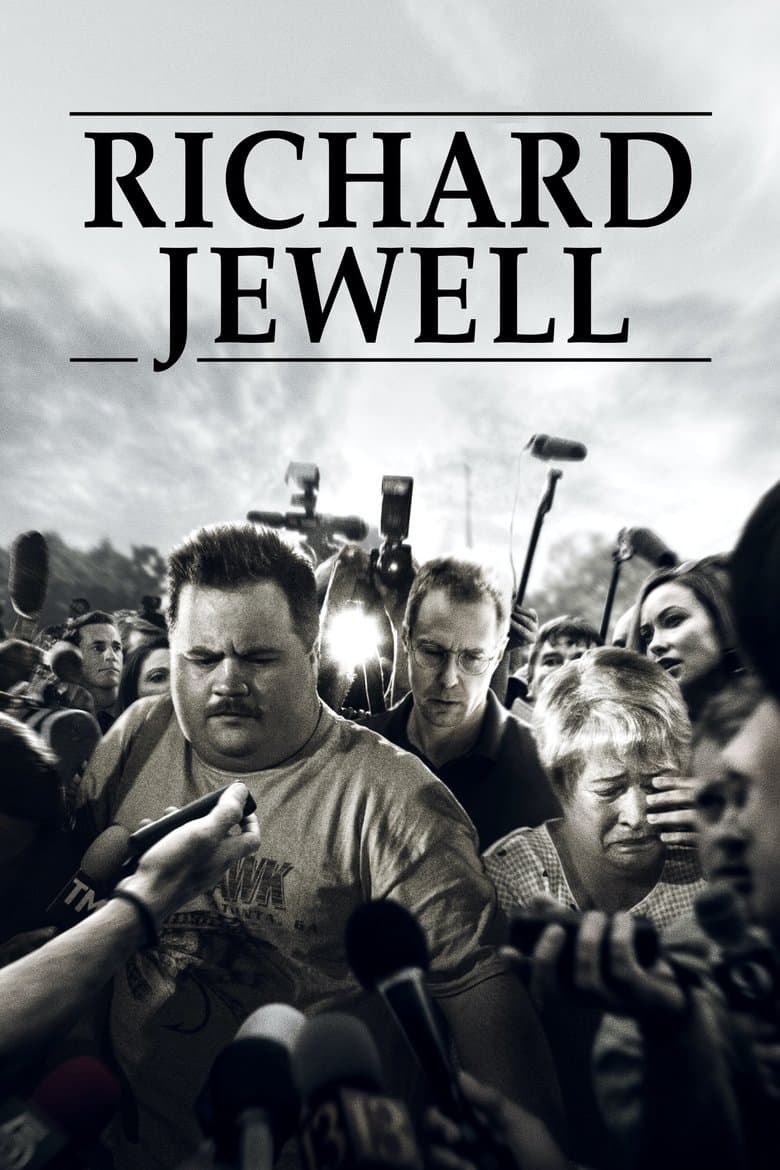
Richard Jewell thinks quick, works fast, and saves hundreds, perhaps thousands, of lives after a domestic terrorist plants several pipe bombs and they explode during a concert…
Movie · 2022
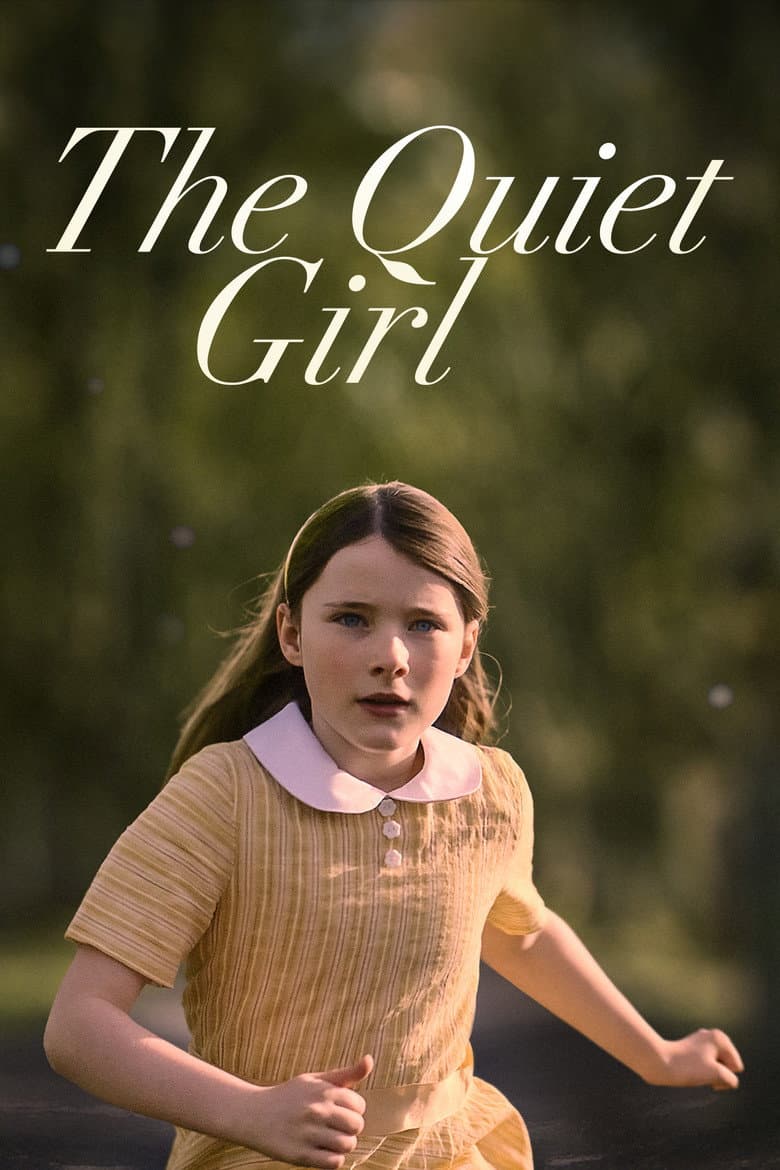
A quiet, neglected girl is sent away from her dysfunctional family to live with relatives for the summer. She blossoms in their care, but in this house where there are meant to be…

Movie · 2023
The true story of the inseparable Von Erich brothers, who made history in the intensely competitive world of professional wrestling in the early 1980s.
Movie · 2022
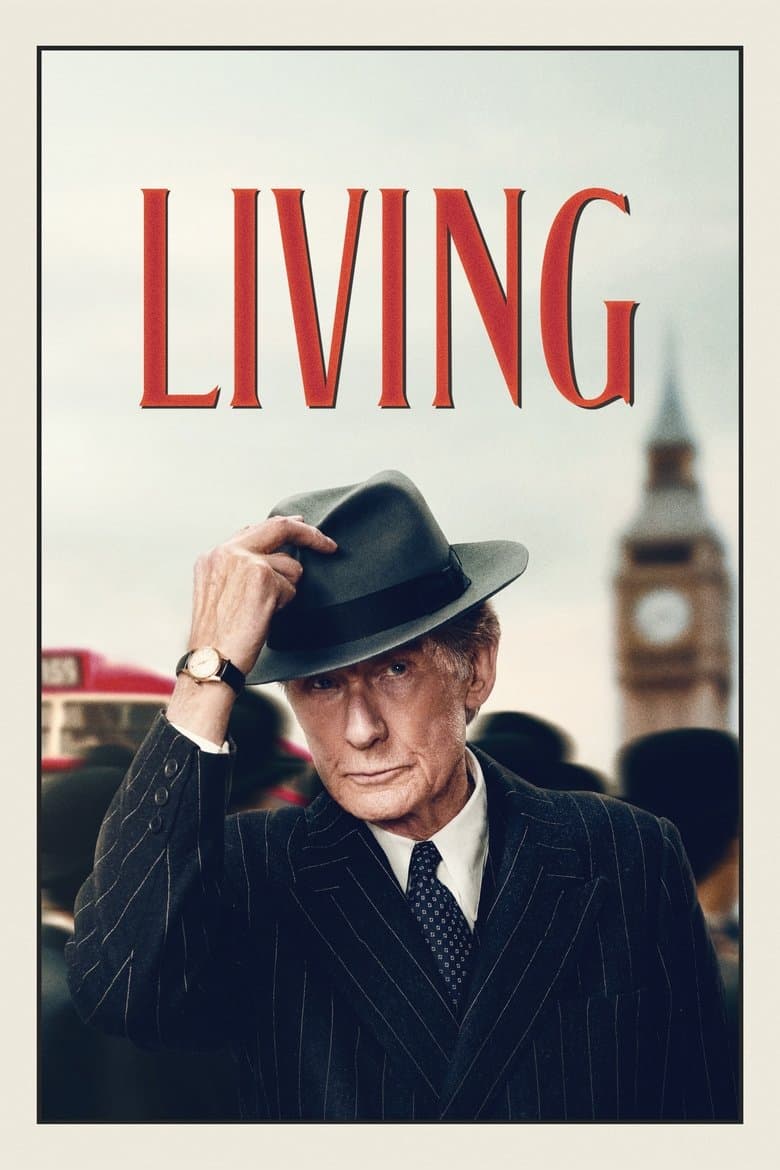
London, 1953. Mr. Williams, a veteran civil servant, is an important cog within the city's bureaucracy as it struggles to rebuild in the aftermath of World War II.

Movie · 2024
On the brink of the Second World War, a young Norwegian man's drive to resist the Nazis sets a new course for his future – and the future of his country.

Movie · 2016
WWII American Army Medic Desmond T. Doss, who served during the Battle of Okinawa, refuses to kill people and becomes the first Conscientious Objector in American history to…
