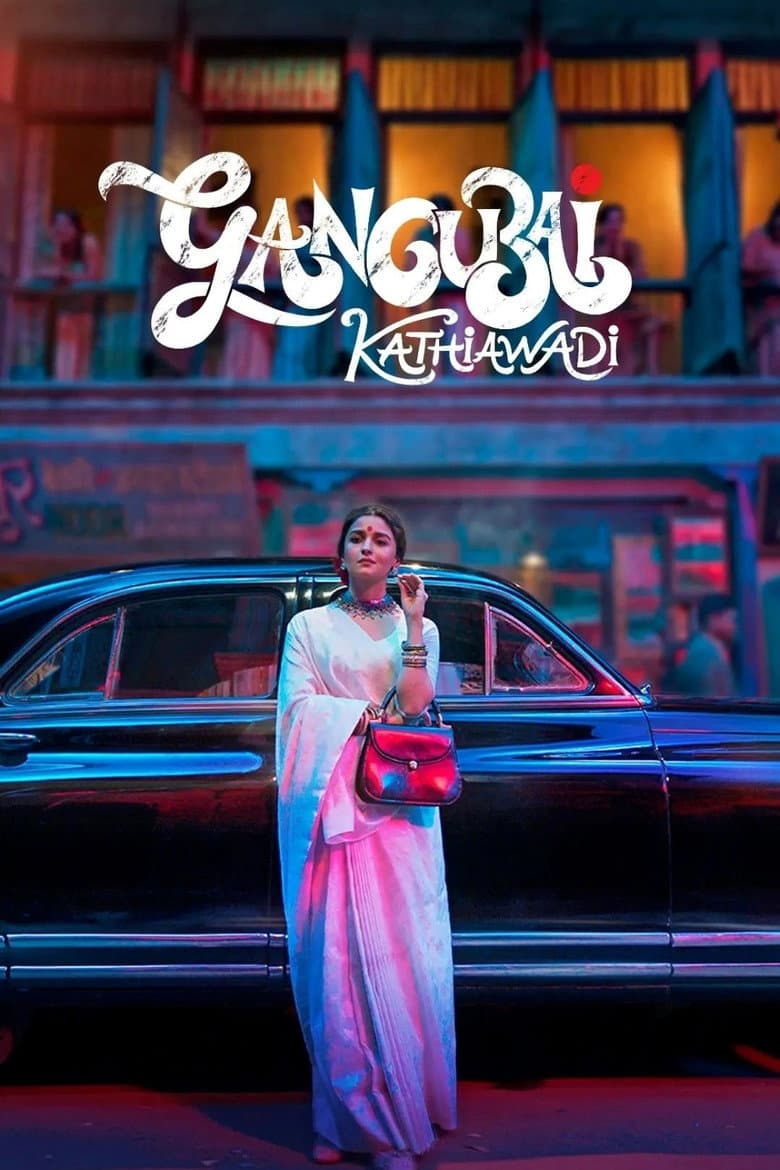
Ganga is a young woman from Kathiawar who dreams of becoming a film star. A man she trusts sells her to a brothel in Kamathipura, Mumbai, where she is forced into sex work and renamed Gangu. She survives by learning how power works, then becomes Gangubai, a feared brothel owner who protects the women around her. The film mixes crime, pain, romance, songs, and grand drama in a bright but harsh period setting.
Her rise is tied to a strong message about female dignity and the rights of sex workers. Gangubai challenges the madam who controls her, stands up to violent men, wins an election, and leads a fight to keep the brothels from being cleared. She also seeks school places for the workers’ children and asks India’s prime minister to recognize sex work and protect the women. The story treats her as a brave leader and often makes male power look cruel, weak, or useful only when it serves her cause.
Community feedback
Was our 67% Woke rating accurate?
Breakdown
These are the editorial factors and ratings behind our score for Gangubai Kathiawadi.
Woke representation / casting
Not present. Gangubai is played by an Indian actress in a story about an Indian woman. The Muslim, Hindu, and third-gender characters fit the mixed Mumbai setting, and the film does not present its cast as a diversity campaign.
0%
Woke political dialogue
Gangubai says society condemns prostitutes while excusing men who visit them. She argues that sex workers deserve respect, homes, and schooling for their children. She asks the prime minister to legalize prostitution and protect the women. These ideas shape the later part of the film, even though they are not the subject of every scene.
52%
Identity-driven story themes
The film centers a woman who turns forced prostitution into power and public advocacy. Gangubai repeatedly places women’s dignity, safety, and education above respectability. Women run the brothel world and form alliances, while many men are shown as sellers, attackers, hypocrites, or helpers. Her rise is presented as heroic, and the story treats sex-worker status as a reason for equal rights rather than shame.
68%
Western institutional / cultural critique
The film attacks social rules that shame women for sex work while leaving male customers alone. It shows police, schools, developers, families, and politicians excluding the women and their children. Gangubai says the problem is the double standard and the denial of basic rights. This is a modern activist-style critique of patriarchy and public respectability, but it targets Indian society rather than Western institutions or Christianity.
34%
Woke character or canon changes
Not relevant. The film is a loose adaptation of a real Indian woman’s life. Gangubai remains the same woman and leader described by the source material, while changes to crime details and history are ordinary story changes.
0%
Anti-woke backlash and complaints
On X, right-leaning Indian accounts repeatedly called the film woke, anti-Hindu, feminist propaganda, and a glamorization of prostitution. Nationalist posts used boycott hashtags and said Bollywood was celebrating a criminal instead of a national hero. News outlets linked the film to the wider Boycott Bollywood wave, but the campaign did not become a dedicated review-bomb. Family and local protests mainly alleged defamation and damage to Gangubai’s name, rather than objecting to political or identity messaging.
40%
Creator track record context
Bhansali has a repeated focus on women, courtesans, and people pushed aside by society. Vashishtha’s work often centers strong women and their struggle for dignity. Shruti Mahajan often speaks about empathy, wider access to talent, and casting beyond type. Zaidi, the producers, and the action director do not show a strong activist pattern, so the context is moderate.
35%
Production
Movie · 2018
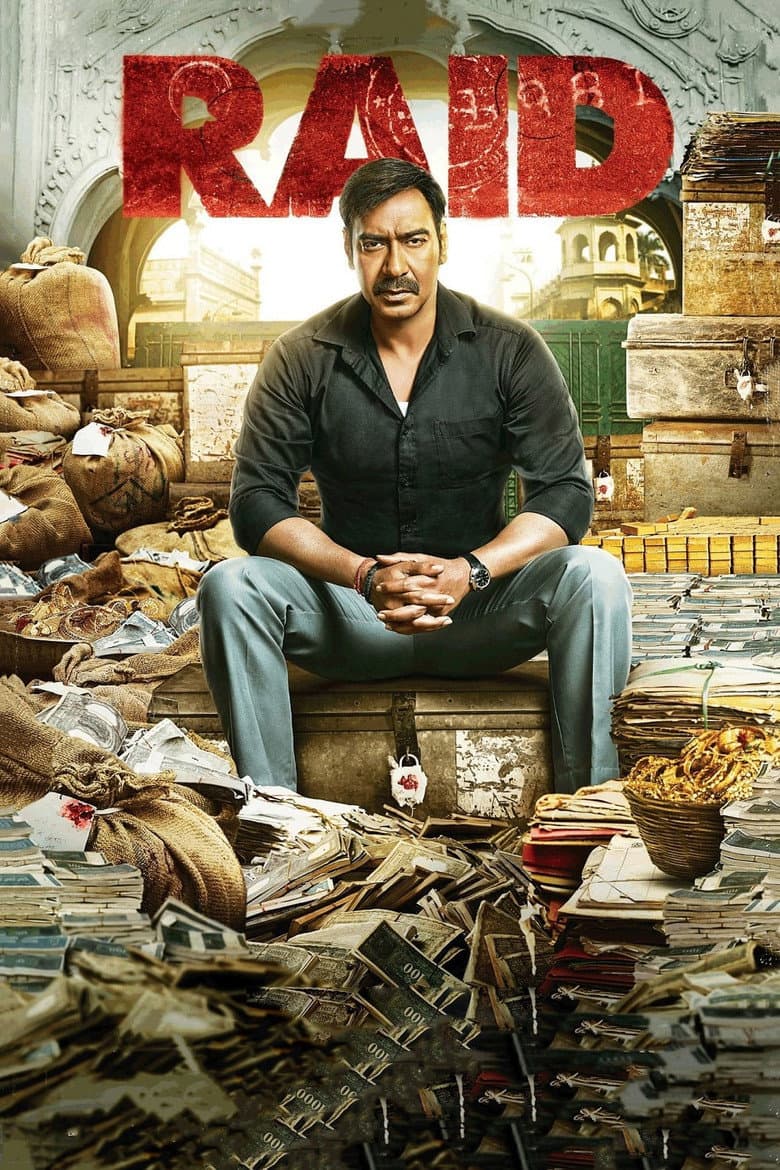
After receiving an anonymous tip, a tax officer leads a raid on the mansion of the most powerful figure in Lucknow, a member of parliament who has been evading income tax for…

Movie · 2018
Earl Stone, a man in his eighties, is broke, alone, and facing foreclosure of his business when he is offered a job that simply requires him to drive.
Movie · 2024
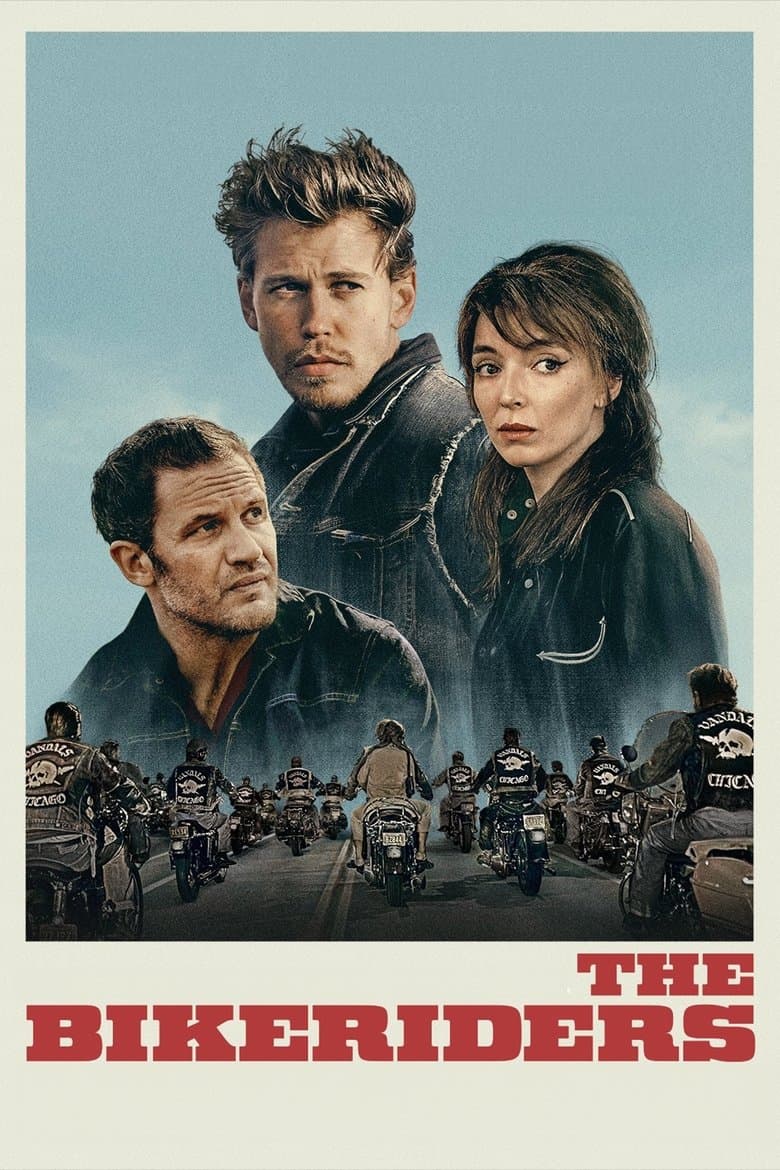
After a chance encounter, headstrong Kathy is drawn to Benny, member of Midwestern motorcycle club the Vandals.

Movie · 2022
In the 1980s, a team of lawyers takes on the heads of Argentina's bloody military dictatorship in a battle against odds and a race against time.
Movie · 2017
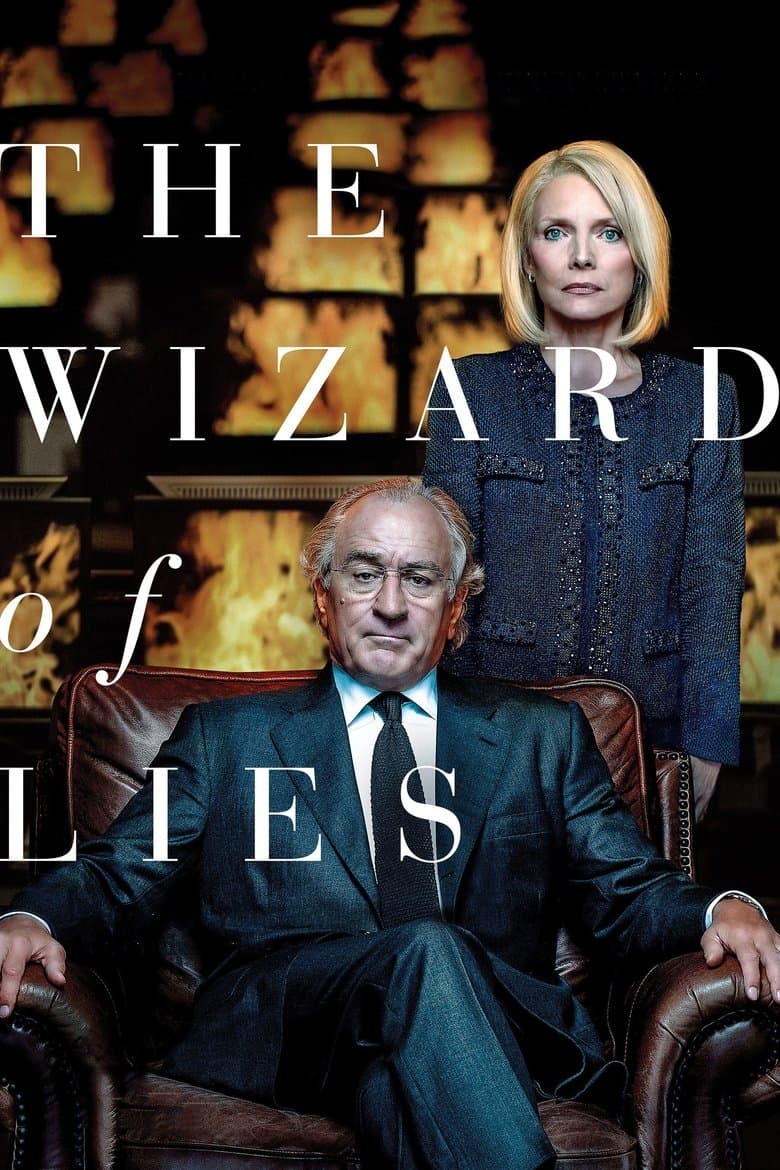
A look behind the scenes at Bernie Madoff's massive Ponzi scheme, how it was perpetrated on the public and the trail of destruction it left in its wake, both for the victims and…

Movie · 2018
In 1991, a sheltered teenager comes of age during a wild summer on Cape Cod, getting rich from selling pot to gangsters, falling in love for the first time, partying, and…

Movie · 2016
Based on the journal entries of Rachel Joy Scott, the first student killed in the Columbine High School shooting in 1999.

Movie · 2023
The hardened son of a powerful industrialist returns home after years abroad and vows to take bloody revenge on those threatening his father's life.
