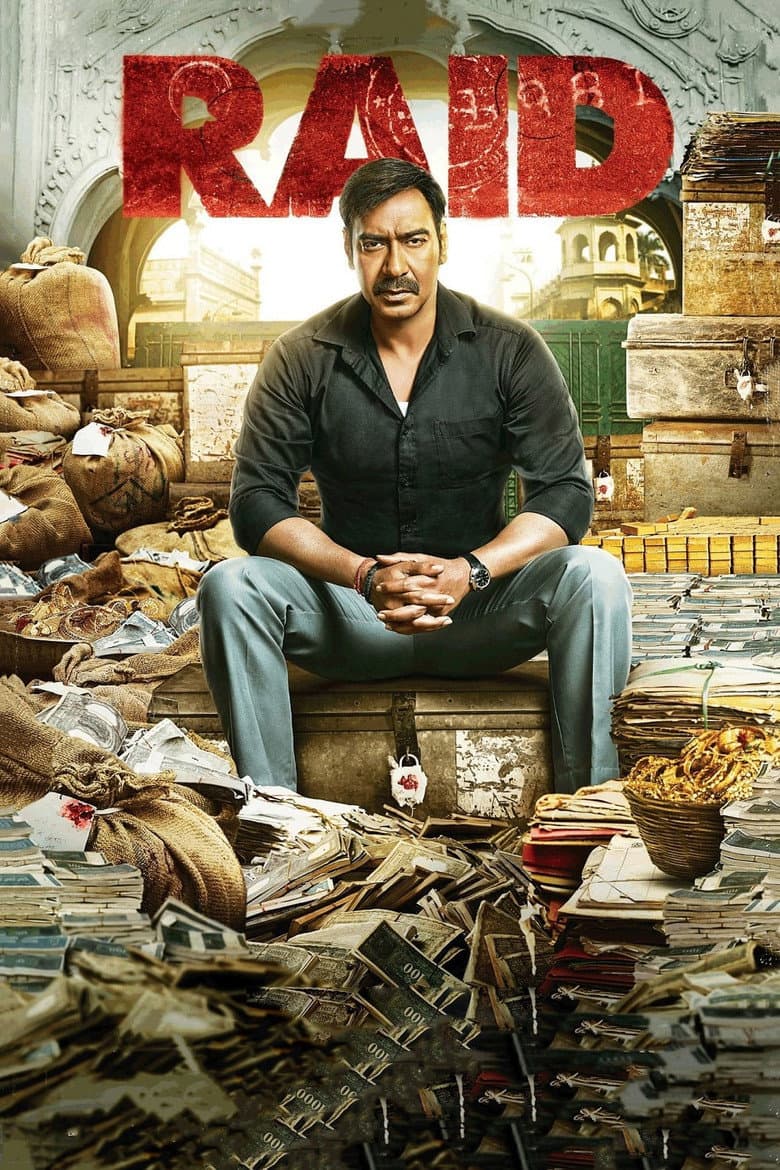
Raid follows Amay Patnaik, a calm and strict income tax officer who is sent to Lucknow in 1981. An anonymous tip leads him and his small team to the mansion of Rameshwar Singh, a powerful politician who hides huge amounts of untaxed money. Rameshwar uses his family, local followers, and political contacts to threaten the raid and protect his name. The film plays as a tense crime thriller with dry jokes, long searches, and a clear fight between public duty and political power.
The film gives Amay a strong belief in law, honest taxes, and service to the country. His wife Malini supports the risky work, speaks openly with him, and is shown as an equal partner, but she remains a side character. A few lines say that poor people are not to blame for poverty and that dishonest rich people cause it, while other scenes attack bribery, hidden wealth, and political pressure. These points make the film mildly message-driven, but the main story stays focused on corruption, courage, and the work of tax officers rather than identity politics.
Community feedback
Was our 20% Woke rating accurate?
Breakdown
These are the editorial factors and ratings behind our score for Raid.
Woke representation / casting
Not present. The main roles are Indian people in an Indian setting, and the film does not present the casting as a diversity message. Women appear in the family and tax team, but no identity group is made into a special hero or leader.
0%
Woke political dialogue
The film has a short gender-role message in its husband-and-wife scenes. Amay says that the courage he asked from Malini mattered more than money, and Malini supports his risky choice. The film also says that dishonest rich people cause poverty, but that idea is tied to its corruption plot. Most dialogue praises law, taxes, and public duty rather than modern identity politics.
22%
Identity-driven story themes
The story mainly follows a male tax officer fighting a corrupt politician. Malini is shown as a brave partner who is trusted by her husband, but she stays a supporting character. The film gives that relationship a few scenes and lines, while its main conflict remains honesty, hidden money, and political pressure. The film does not build its plot around race, sexuality, or DEI.
14%
Western institutional / cultural critique
Not present. The film attacks bribery, black money, and political influence in an Indian tax case. It does not target Western institutions, Christianity, traditional family life, or conservative social rules.
0%
Woke character or canon changes
Not relevant. The film changes names, places, and some events from the real raids, but those changes serve the crime story. It does not swap the race, gender, sexuality, or hero role of an established character or real figure.
0%
Anti-woke backlash and complaints
Not present. The supplied X pass found no anti-woke complaints. Wider coverage shows praise and normal complaints about pacing, preachiness, or historical portrayal, not a sustained DEI, identity-politics, boycott, or review-bombing dispute.
0%
Creator track record context
Gupta’s earlier work includes No One Killed Jessica, a justice story led by women. Shah’s Pink focuses on consent and unfair treatment of women. Anmol Ahuja’s background stresses open access to new and varied actors, while most other listed creators have little identity-focused public work. Raid shows only a mild link to this background through Malini’s courage and its public-duty message.
25%
Production
Movie · 2024
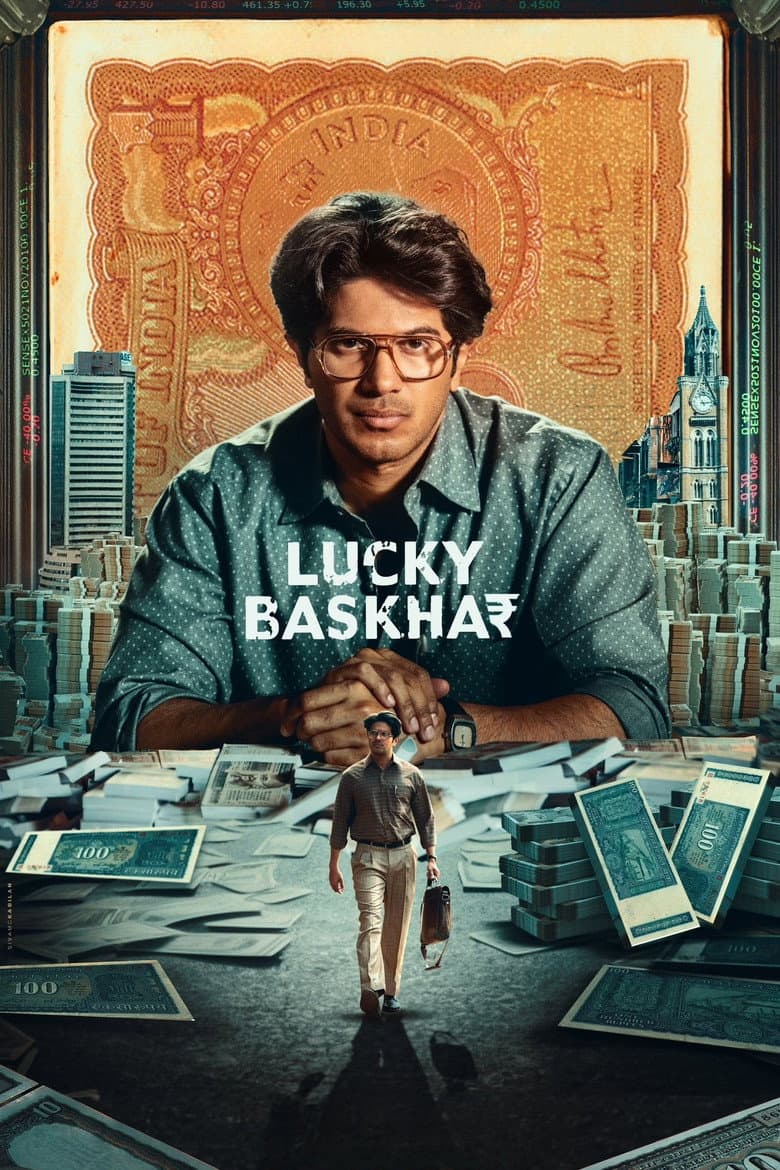
A middle-class bank clerk who longs to trade stability for adventure gets more than he bargained for when he unexpectedly becomes a wealthy man.

Movie · 2022
After escaping a Michigan prison, a charming career criminal assumes a new identity in Canada and goes on to rob a record 59 banks and jewellery stores while being hunted by a…

Movie · 2021
A cold and mysterious new security guard for a Los Angeles cash truck company surprises his co-workers when he unleashes precision skills during a heist.

Movie · 2017
A middle-aged Irish farmer, who still lives at home with his mother, sets off on a mission of revenge when the old lady is murdered.
Movie · 2018
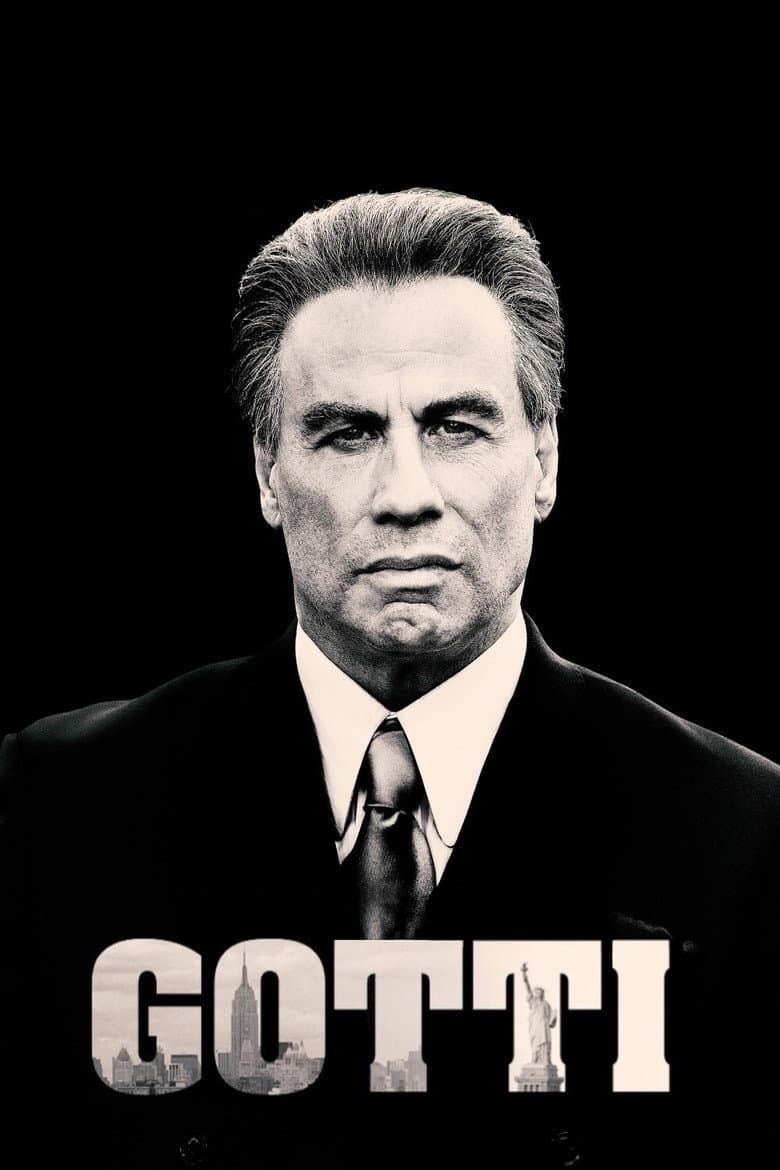
John Gotti rises to the top of the New York underworld to become the boss of the Gambino crime family. His life takes a tumultuous turn as he faces tragedy, multiple trials and a…

Movie · 2017
When a depressed woman is burglarized, she finds a new sense of purpose by tracking down the thieves alongside her obnoxious neighbor.

Movie · 2019
After a mass shooting at a police funeral, reclusive ex-cop Gannon finds himself unwittingly forced out of retirement when he realizes that the killer belongs to the same militia…
Movie · 2017
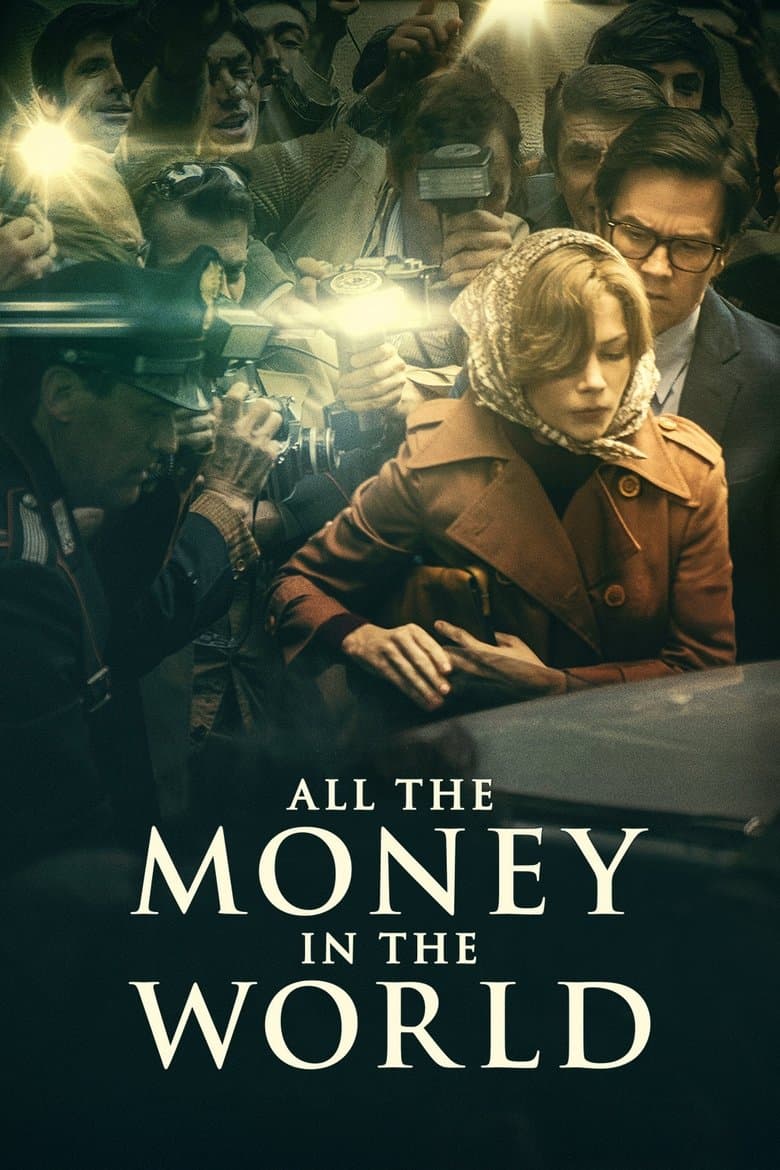
The story of the kidnapping of 16-year-old John Paul Getty III and the desperate attempt by his devoted mother to convince his billionaire grandfather Jean Paul Getty to pay the…
