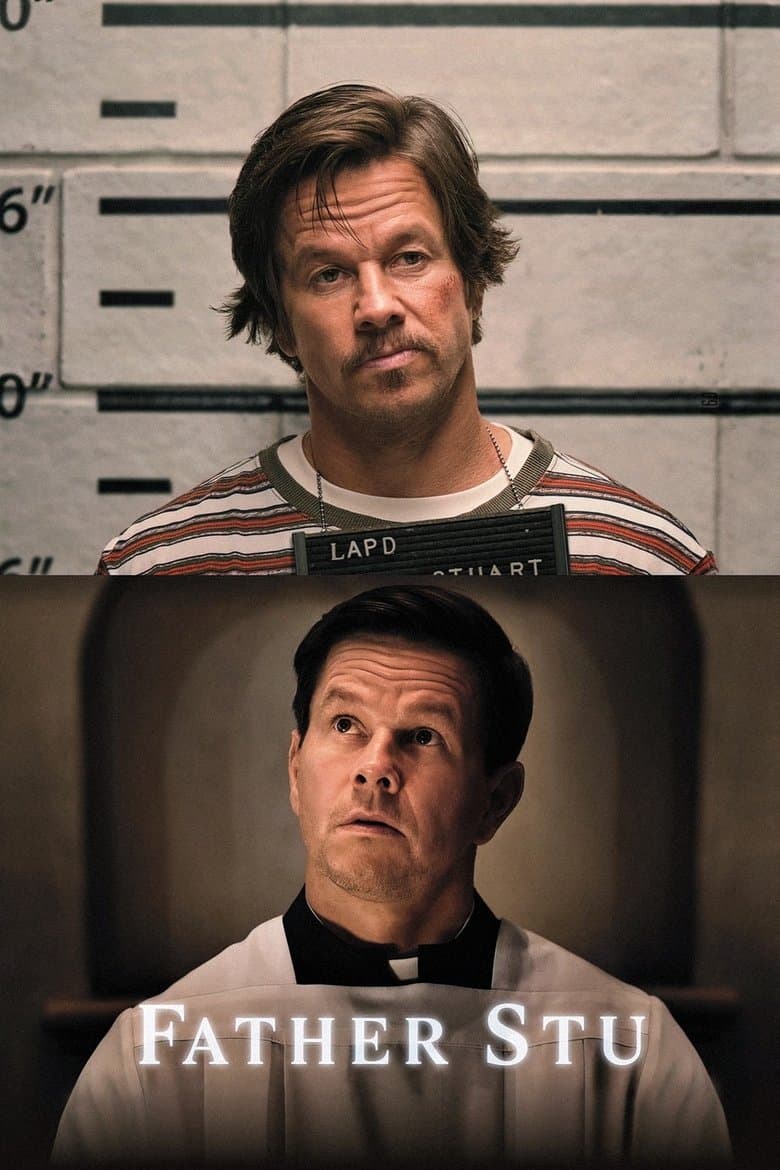
Stuart Long is a rough, foul-mouthed amateur boxer from Montana. After boxing ends and a shot at acting in Los Angeles goes nowhere, he meets Carmen, a Catholic Sunday school teacher. He starts going to church mainly to win her over. A bad motorcycle crash nearly kills him and changes his life. He feels called to become a Catholic priest, then faces a rare muscle disease that slowly takes his strength. The tone is raw, tough, and full of rough talk, but the heart of the story is faith, second chances, and finding meaning in hard times.
The movie is a true-story faith drama about Catholic belief, vocation, and suffering. A normal viewer will notice church life, prayer, baptism, seminary, a vision of Mary, and Stu giving up romance to become a priest. The main ideas are redemption, God working through a messy past, and accepting pain. Side characters include a Latina love interest and a black friend in church circles, but the film does not push modern identity politics, activist lectures, or social-justice messaging. Marketing and creator talk focused on faith, hope, and Stu’s real life, not representation campaigns.
Community feedback
Was our 4% Woke rating accurate?
Breakdown
These are the editorial factors and ratings behind our score for Father Stu.
Woke representation / casting
Lead is Wahlberg as the real white priest. Supporting cast includes Latina love interest Carmen and black friend Ham in modern California/church settings. Roles serve the biopic and romance-to-faith plot, not quota-style “brilliant leader” identity casting or race/gender swaps of known figures.
5%
Woke political dialogue
Talk is about God, baptism, priesthood, temptation, and suffering. Rough language is personal character color, not activist slogans about race, gender, or systemic identity politics.
0%
Identity-driven story themes
Core themes are Catholic conversion, vocation, family wounds, and illness as a spiritual path. Disability is a real disease and faith trial, not a modern identity-politics campaign. No queer, race-first, or gender-ideology storyline.
0%
Western institutional / cultural critique
Story largely backs the Church and priesthood. Seminary rules block ordination until a bishop allows it; that is practical drama, not anti-Western activism. The flawed father is personal addiction and neglect, not a lecture on toxic masculinity or tearing down faith.
0%
Woke character or canon changes
Not relevant. It is a biopic of a real priest. Family said the father’s screen version was harsher than life; that is ordinary drama license, not identity-driven rewriting of race, gender, or politics.
0%
Anti-woke backlash and complaints
No meaningful right-leaning wave calling the film woke, DEI, or identity propaganda. Public fight was more critics vs. audiences and faith-film roughness. Ignore any left-side gripes about stars or “not progressive enough.”
0%
Creator track record context
Key names score very low in cached profiles (mostly 0–4). Wahlberg’s faith/conservative lean and Ross’s non-activist profile match the movie. Miky Lee’s higher representation-business score is a small producer-level note, not the story’s driver.
6%
Production
Movie · 2023
The true story of the inseparable Von Erich brothers, who made history in the intensely competitive world of professional wrestling in the early 1980s.
Movie · 2023
The story of J. Robert Oppenheimer's role in the development of the atomic bomb during World War II.
Movie · 2022
Based on a true tragedy, the emotionally triggering film sheds light on the plight of Kashmiri Pandits (Hindus), a religious minority in the 1990s Kashmir valley, who were…
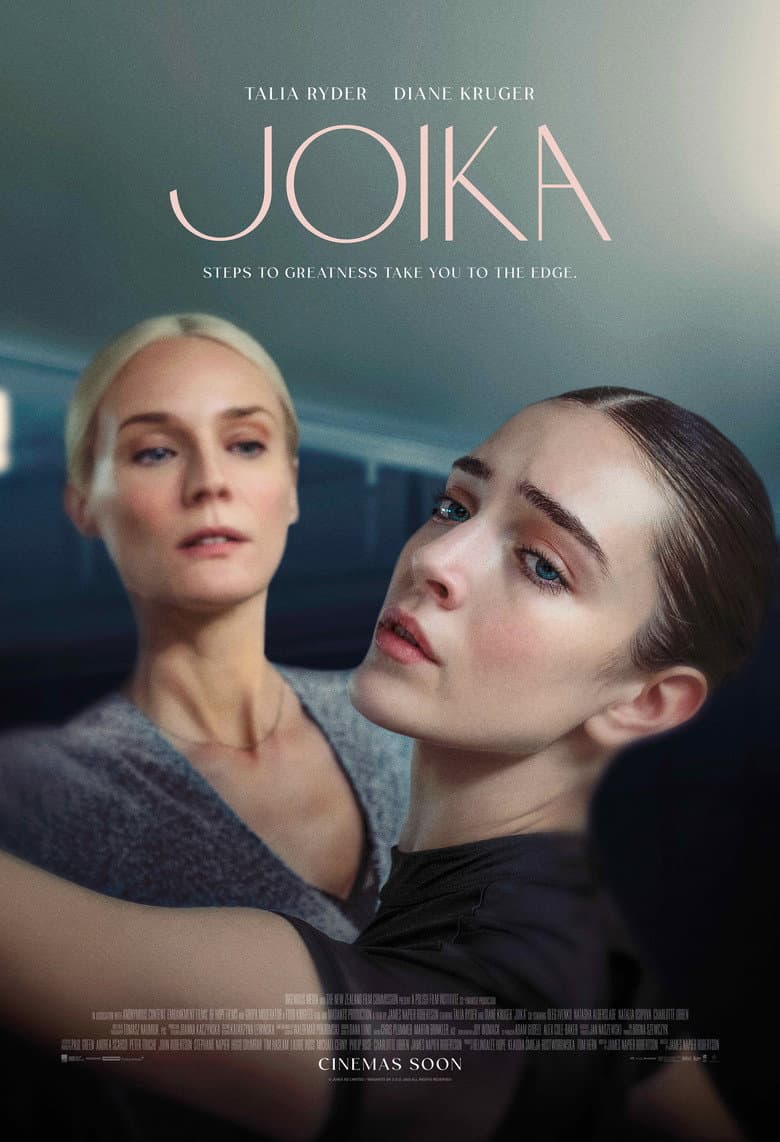
Movie · 2023
American ballet dancer Joy Womack is accepted into Moscow's infamously tough Bolshoi Ballet Academy, with the dream of becoming a great ballerina.
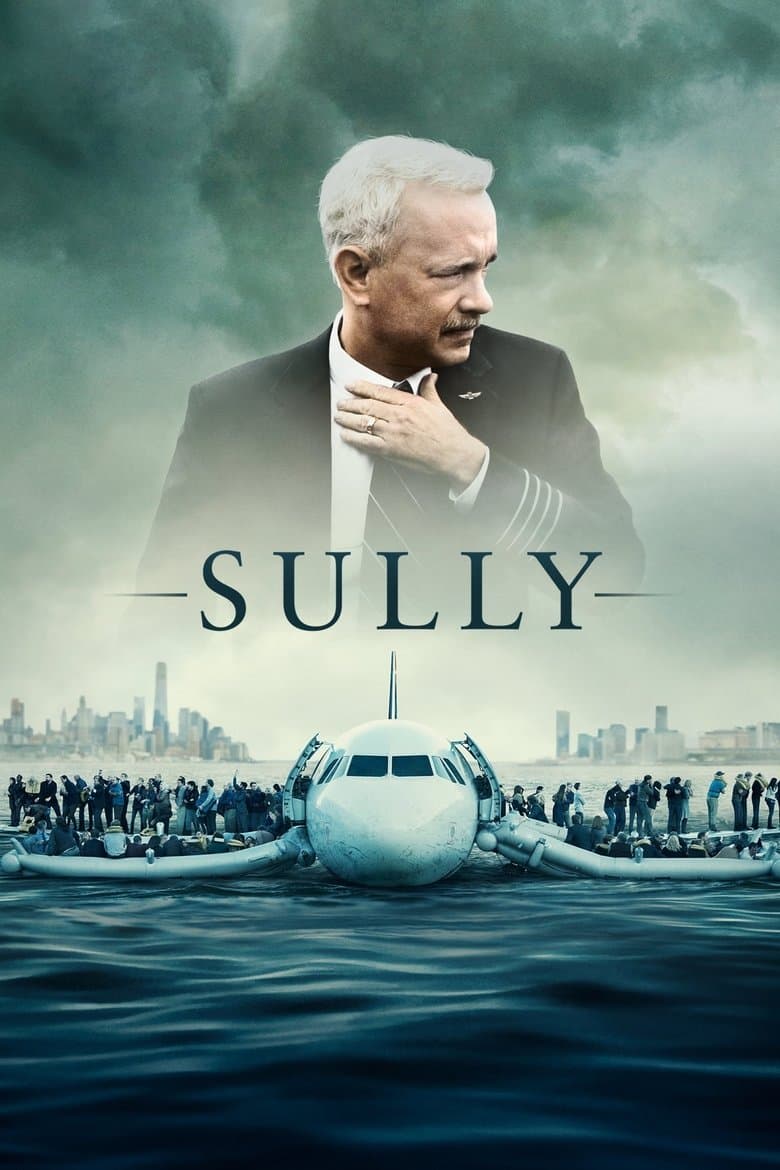
Movie · 2016
On 15 January 2009, the world witnessed the 'Miracle on the Hudson' when Captain 'Sully' Sullenberger glided his disabled plane onto the Hudson River, saving the lives of all 155…
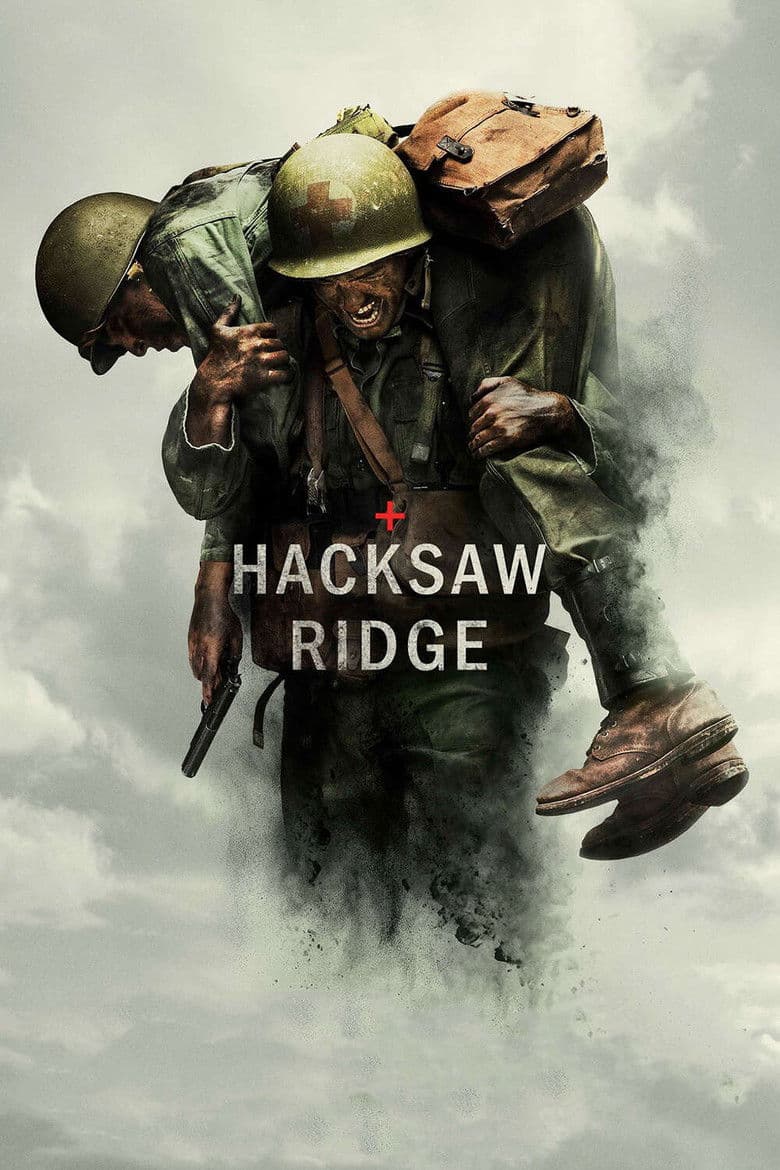
Movie · 2016
WWII American Army Medic Desmond T. Doss, who served during the Battle of Okinawa, refuses to kill people and becomes the first Conscientious Objector in American history to…
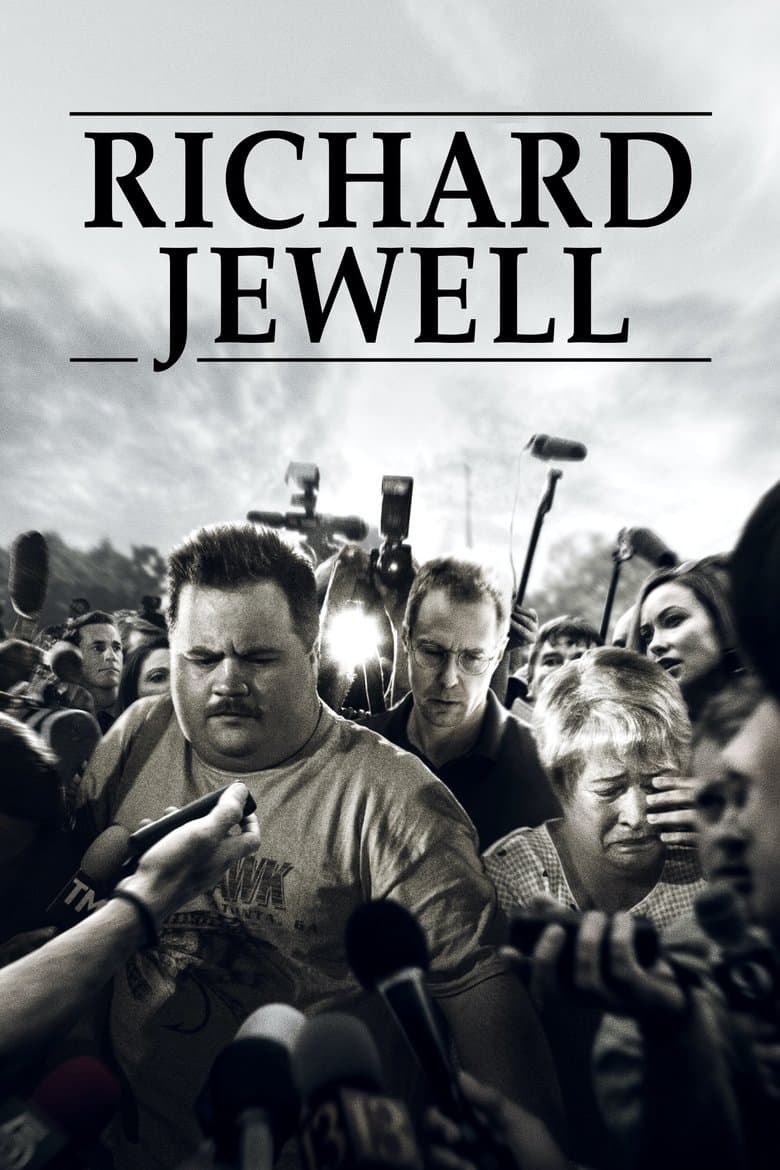
Movie · 2019
Richard Jewell thinks quick, works fast, and saves hundreds, perhaps thousands, of lives after a domestic terrorist plants several pipe bombs and they explode during a concert…
Movie · 2024
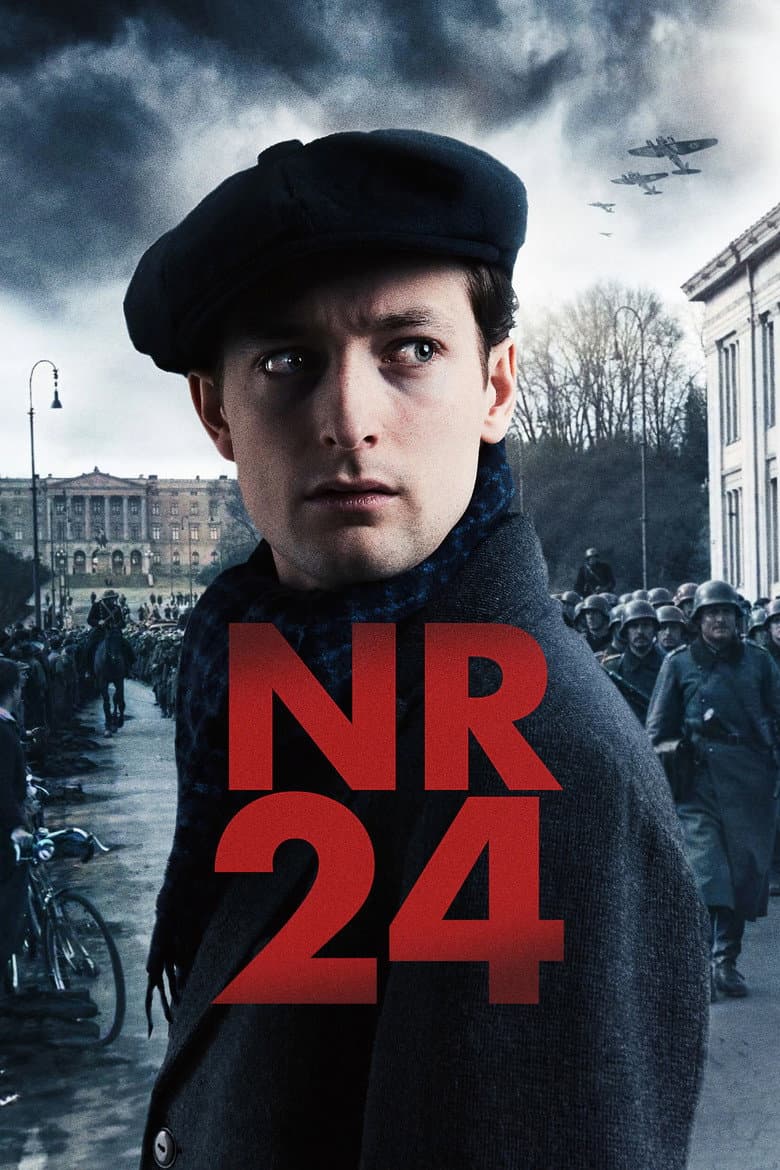
On the brink of the Second World War, a young Norwegian man's drive to resist the Nazis sets a new course for his future – and the future of his country.
