
Clara Barron is a successful Mexican-American OB-GYN who lives in Los Angeles and stays close to her family in Baja California. She fears serious love after Daniel, her old boyfriend, left her years earlier. When her parents plan their wedding after forty years together, Clara brings her co-worker Asher as a fake boyfriend. Daniel returns at the wedding, so Clara must choose between old feelings and a new chance while the warm family comedy moves between English and Spanish.
The film puts a skilled, independent woman at the center of a romance and lets her enjoy casual sex, reject commitment, and choose which man she wants. Clara’s career is treated as real and important, while the story questions the idea that a woman must follow a fixed path toward marriage and children. The Mexican-American family and bilingual life are visible parts of the story, but they mainly shape the setting and relationships. The movie presents love, hurt, family, and adult choices as complicated.
Community feedback
Was our 40% Woke rating accurate?
Breakdown
These are the editorial factors and ratings behind our score for Everybody Loves Somebody.
Woke representation / casting
The film centers on a Mexican-American woman and gives her Mexican family most of the main supporting roles. The cast also places an Australian doctor beside Clara and her Mexican ex, making the cultural contrast easy to see. The bilingual setting and family background explain these choices inside the story. The identity focus supports the family story more than a separate political message.
20%
Woke political dialogue
Not present. The characters talk about love, sex, family, work, and commitment. The film has no clear modern identity-politics or activist speech.
0%
Identity-driven story themes
Clara is a successful OB-GYN who enjoys casual sex and fears serious commitment. The film makes her personal choices and her struggle with marriage expectations the center of the story. Clara often sets the terms of the romance while the men wait for her decision. The movie also treats Mexican-American family life and bilingual identity as normal parts of her world. These ideas recur through the romance, but the main subject remains love.
42%
Western institutional / cultural critique
The film questions the pressure on Clara to bring a date and settle down as her parents and sister build family lives. The director describes the story as pushing back on the idea that women must choose between a career and love. Clara’s job and casual sex are shown without treating them as proof that she is bad. The family remains loving, and the movie does not attack marriage, religion, or Western institutions.
30%
Woke character or canon changes
Not relevant. The film is an original romantic comedy. It does not change a known character, book, real person, or historical event.
0%
Anti-woke backlash and complaints
Not present. Reviews and audience comments mostly discuss the romance, language, pacing, and bilingual setting. No clear anti-woke or right-leaning complaint about DEI or identity politics appears in the reviewed coverage.
0%
Creator track record context
The provided creator record gives Catalina Aguilar Mastretta a 53/100 score for stories about strong, free women and female-centered family life. The four provided producer records each give a 0/100 score and show no clear activist or DEI public persona. The director adds moderate context, but the wider creative team does not show a matching political pattern.
40%
Production
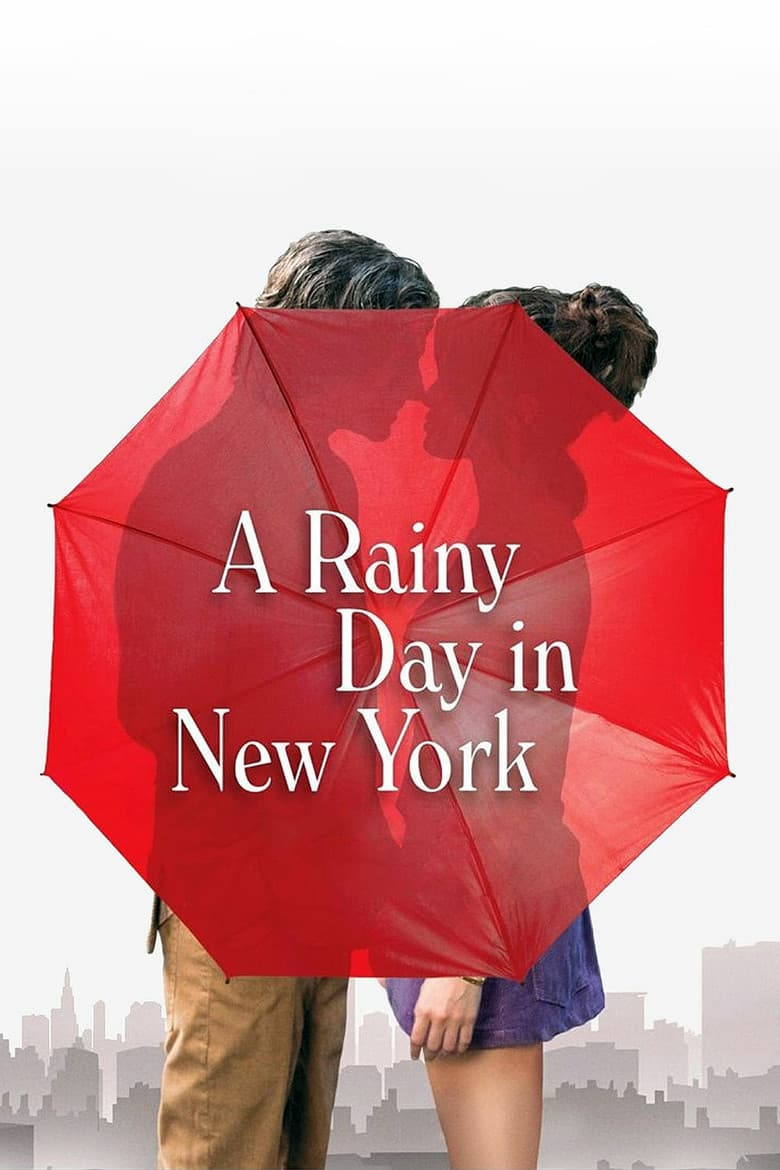
Movie · 2019
Two young people arrive in New York to spend a weekend, but once they arrive they're met with bad weather and a series of adventures.
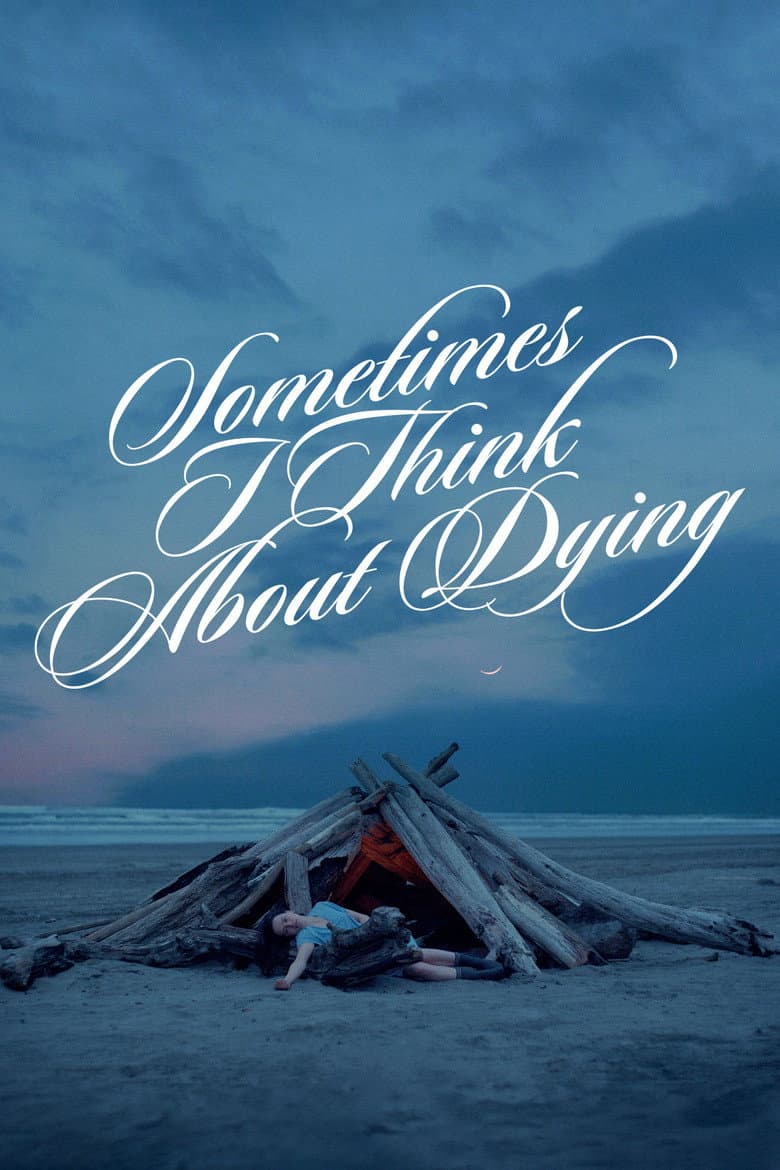
Movie · 2024
Fran likes to think about dying. It brings sensation to her quiet life. When she makes the new guy at work laugh, it leads to more: a date, a slice of pie, a conversation, a…

Movie · 2024
Fresh off an almost career-ending accident, stuntman Colt Seavers has to track down a missing movie star, solve a conspiracy and try to win back the love of his life while still…

Movie · 2018
A quirky couple spends their three-year dating anniversary looking back at their relationship and contemplating whether they should break up.

Movie · 2019
Standing on the precipice of adulthood, a group of friends navigate new relationships, while reexamining others, during their final summer before college.

Movie · 2016
The story of a young man who arrives in Hollywood during the 1930s hoping to work in the film industry, falls in love, and finds himself swept up in the vibrant café society that…
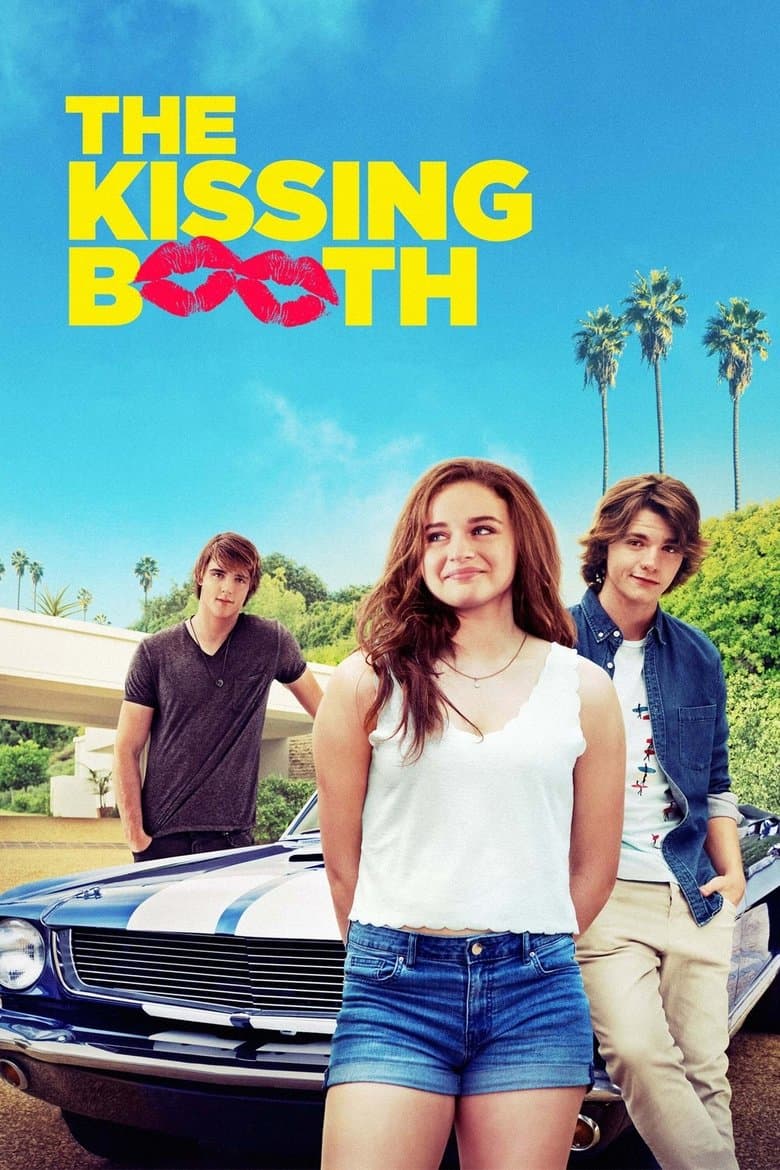
Movie · 2018
When teenager Elle's first kiss leads to a forbidden romance with the hottest boy in high school, she risks her relationship with her best friend.
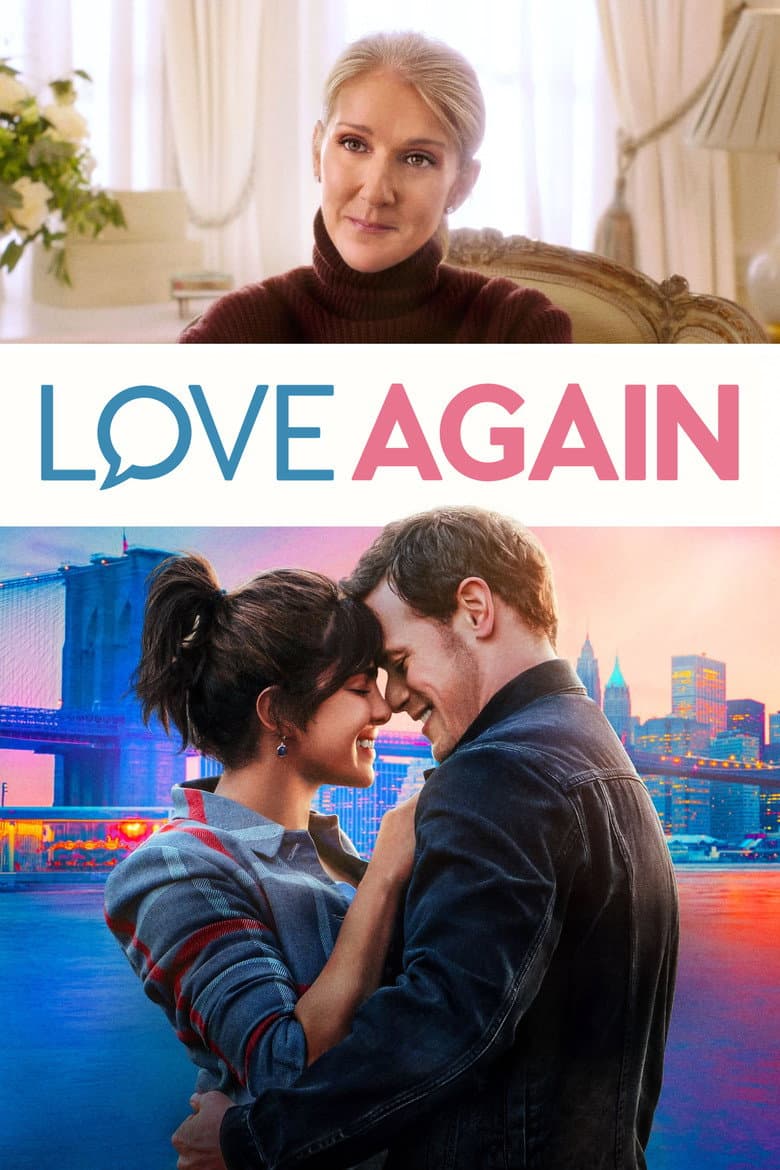
Movie · 2023
Mira Ray, dealing with the loss of her fiancé, John, sends a series of romantic texts to his old cell phone number… not realizing the number was reassigned to Rob Burns' new work…
