Movie review
January 10, 2024 · 94 min · PG-13 · Comedy · Romance · Drama
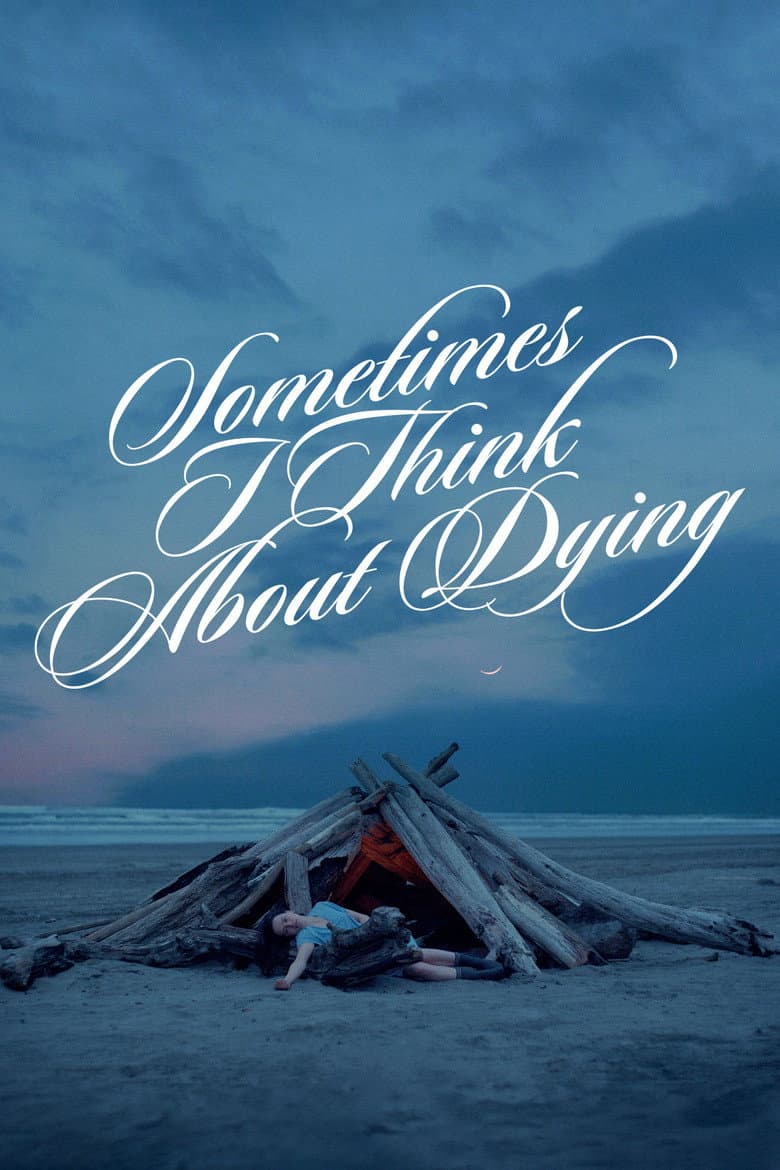
Fran works in a small office in a quiet coastal town. She is very shy and barely talks to anyone. She often daydreams about her own death, not as a plan but as a way to feel something. A new coworker named Robert is friendly and open. He makes her laugh, asks her out, and slowly pulls her toward real life. The main fight is not with him. It is with Fran’s own fear of being known.
The movie is a soft, sad-funny story about loneliness, low mood, and learning to let someone in. Viewers see a quiet romance, awkward office chat, and dark daydreams, not activist talks or identity lectures. The focus stays on Fran’s inner world and small steps toward connection. Casting is a normal modern office mix, and Robert’s background is not treated as a political message. Reviews and online talk praise Daisy Ridley’s quiet acting and the film’s mood, not a social-justice agenda.
Community feedback
Was our 3% Woke rating accurate?
Breakdown
These are the editorial factors and ratings behind our score for Sometimes I Think About Dying.
Woke representation / casting
Daisy Ridley leads as a withdrawn white office worker. Love interest Dave Merheje and some supporting actors (e.g. Parvesh Cheena, Brittany O’Grady) make a mixed modern office. That diversity is background and not sold as a representation mission. No “brilliant identity hire” framing or story world mismatch that looks like quota casting.
0%
Woke political dialogue
Dialogue is sparse small talk, awkward dates, and office chatter. Reviews stress silence and mood, not activist lines about race, gender, DEI, or current politics.
0%
Identity-driven story themes
Core themes are loneliness, low mood, fear of closeness, and tiny steps toward love. These are personal mental-health and human-connection themes, not race, queer, or identity-politics plots. Identity is not the engine of the story.
0%
Western institutional / cultural critique
The dull office and empty modern life set a lonely mood. They are not framed as attacks on capitalism, patriarchy, whiteness, Christianity, or traditional family as bad systems. No clear anti-conservative sermon.
0%
Woke character or canon changes
Not relevant. Characters come from an original play and short. Changes for the feature are ordinary adaptation choices, not identity-driven rewrites of famous people or legacy icons.
0%
Anti-woke backlash and complaints
No meaningful anti-woke or right-leaning campaign calling the film DEI propaganda or identity activism. Public talk stays on acting, tone, and depression/isolation.
0%
Creator track record context
Director’s cached record shows mild women-in-film solidarity and one “patriarchy” industry line, not a heavy race/queer/DEI activist brand. Listed producers score near zero. Overall crew context is light and only weakly tied to this film’s content.
15%
Production
Movie · 2016
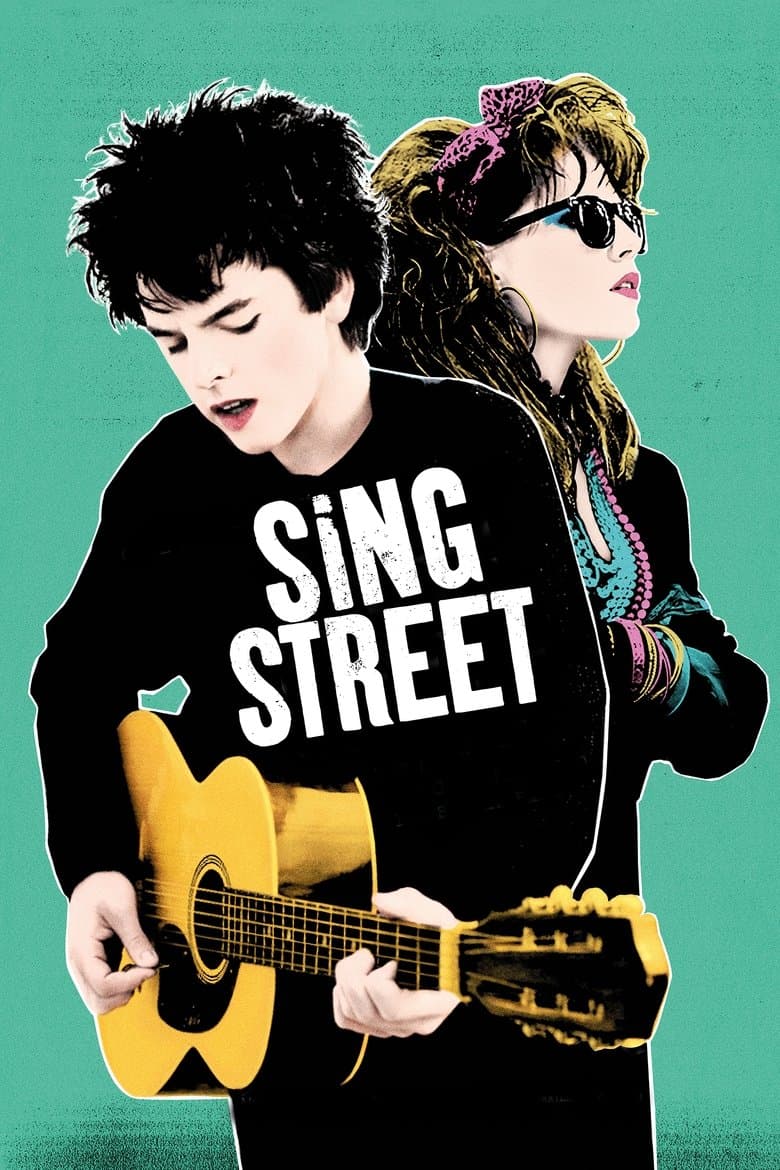
A boy growing up in Dublin during the 1980s escapes his strained family life by starting a band to impress the mysterious girl he likes.
Movie · 2023
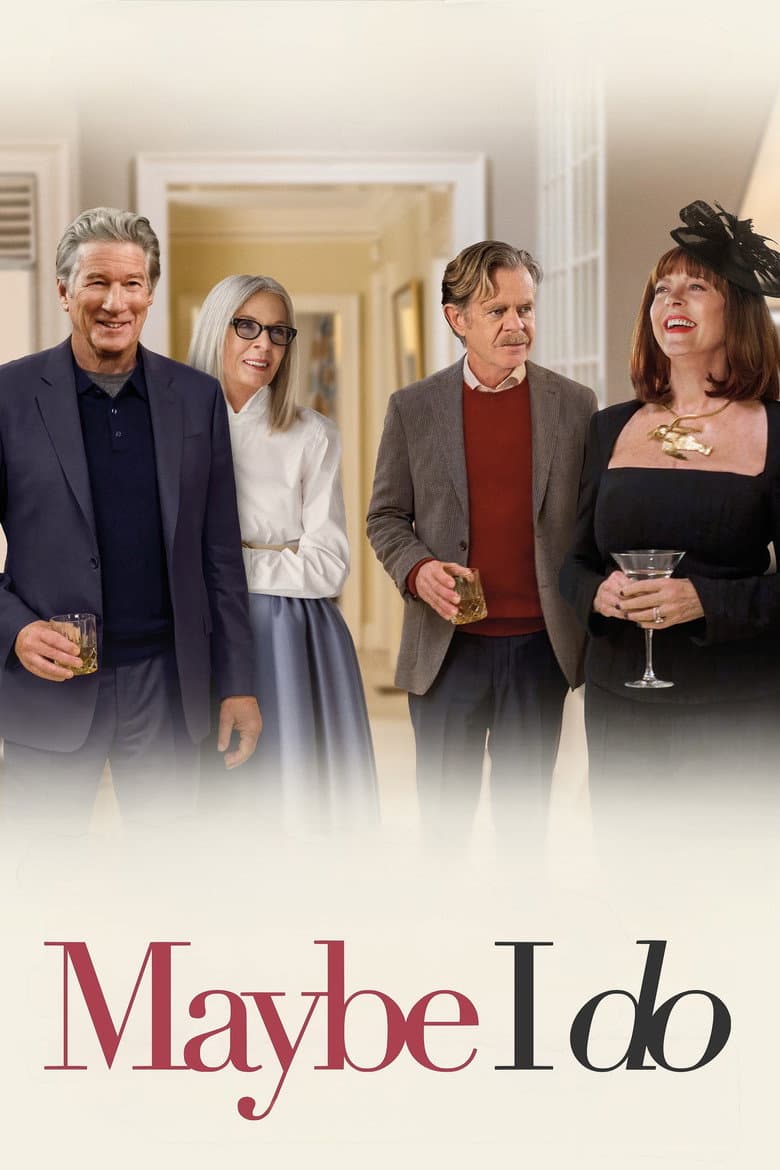
Michelle and Allen, who have reached the point in their relationship where they are considering next steps, decide to invite their parents to finally meet and to offer some…
Movie · 2023
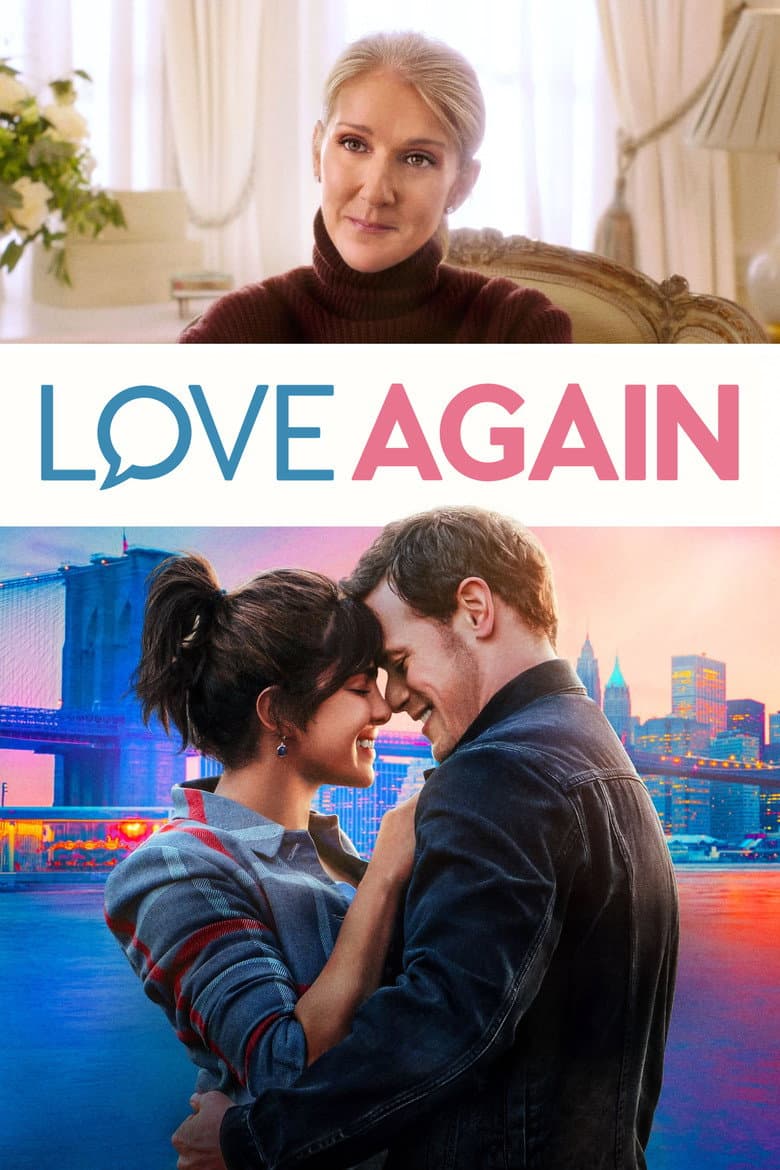
Mira Ray, dealing with the loss of her fiancé, John, sends a series of romantic texts to his old cell phone number… not realizing the number was reassigned to Rob Burns' new work…
Movie · 2022
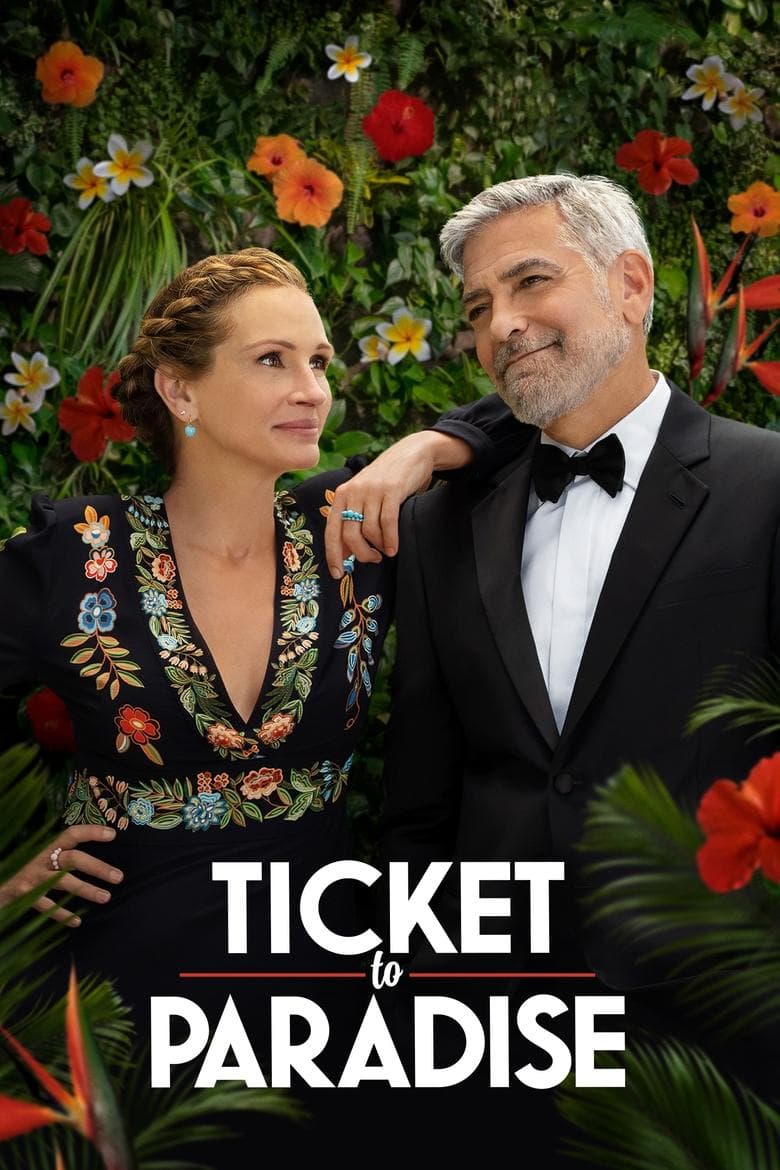
Divorced couple Georgia and David find themselves on a shared mission: they team up and travel to Bali to stop their daughter Lily from making the same mistake they once made 25…
Movie · 2021
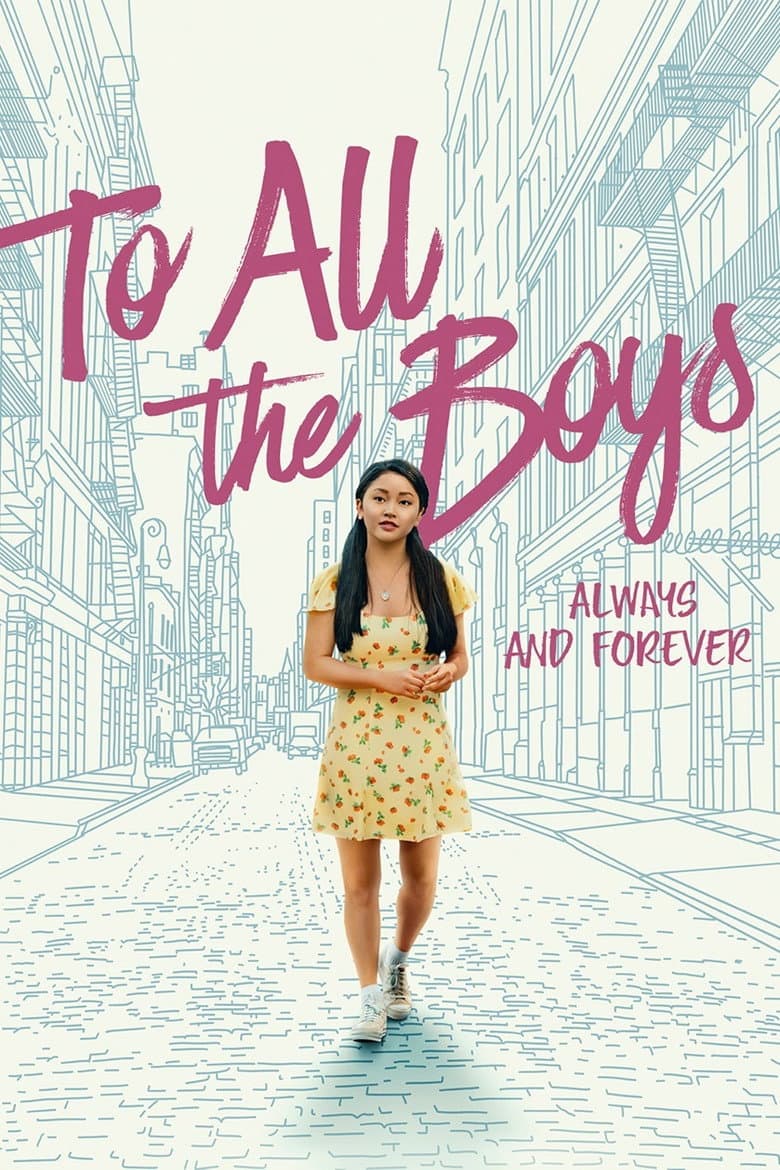
Senior year of high school takes center stage as Lara Jean returns from a family trip to Korea and considers her college plans — with and without Peter.
Movie · 2024
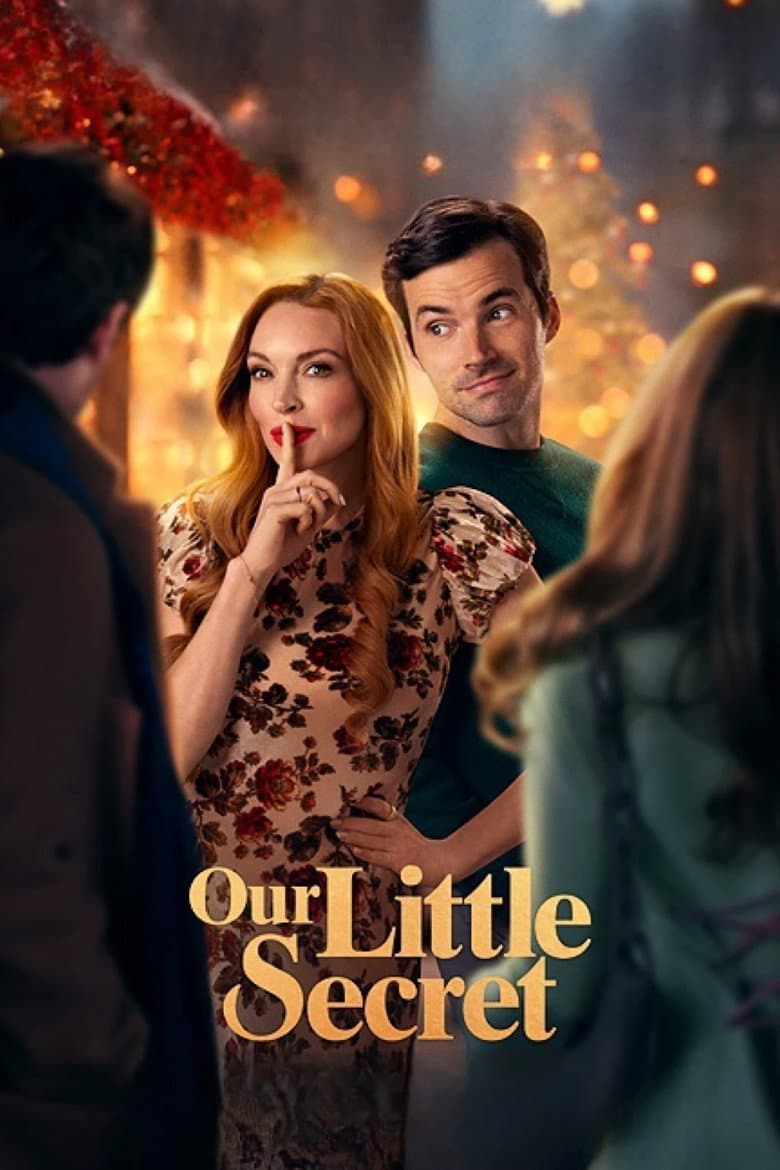
After discovering their significant others are siblings, two resentful exes must spend Christmas under one roof — while hiding their romantic history.
Movie · 2016
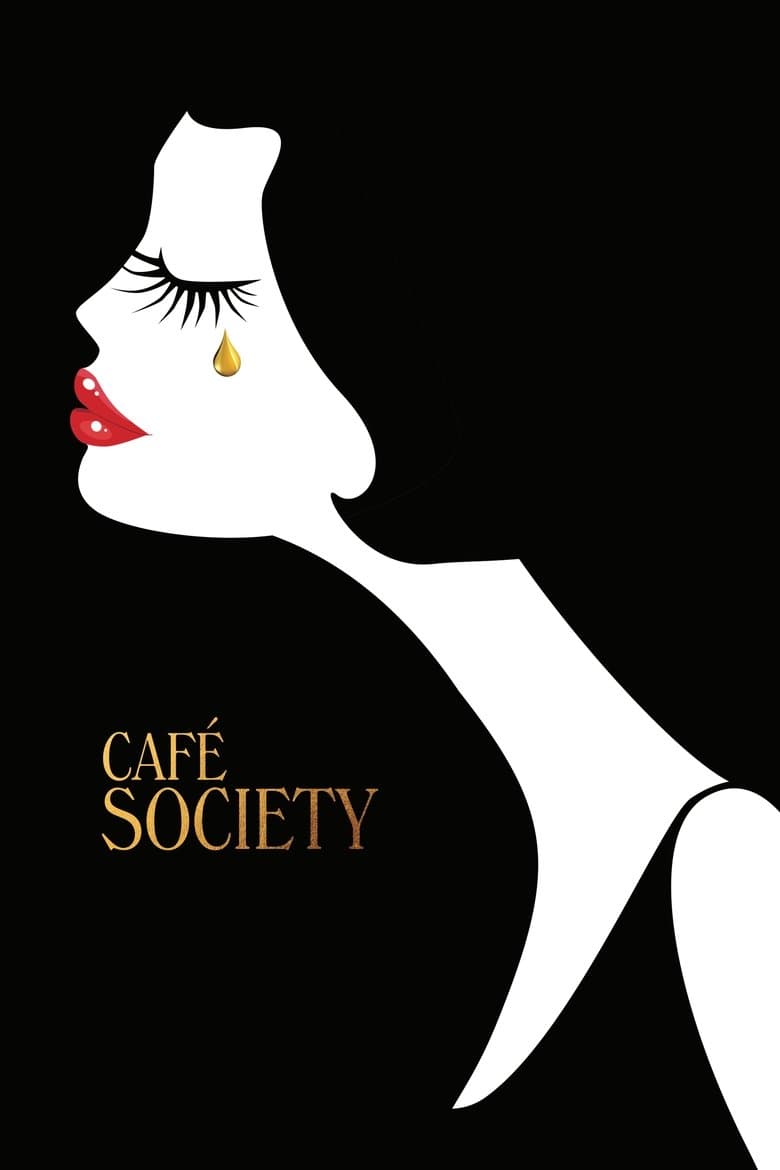
The story of a young man who arrives in Hollywood during the 1930s hoping to work in the film industry, falls in love, and finds himself swept up in the vibrant café society that…
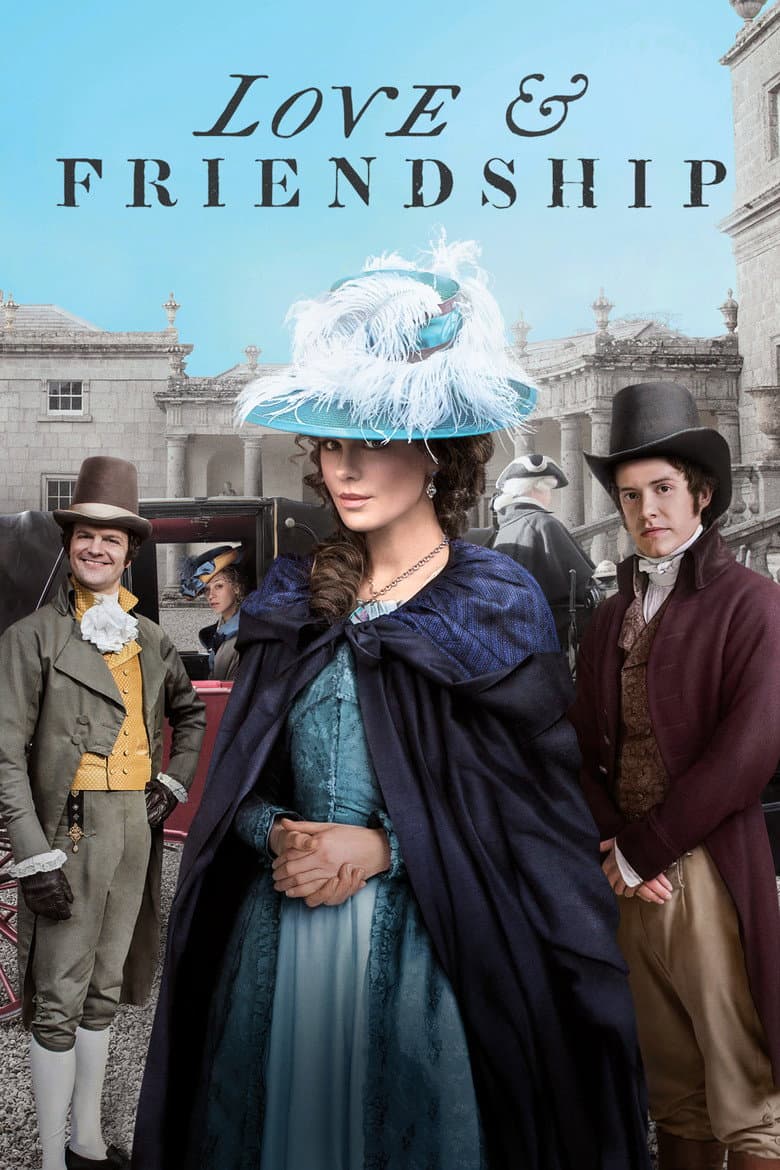
Movie · 2016
From Jane Austen’s novella, the beautiful and cunning Lady Susan Vernon visits the estate of her in-laws to wait out colorful rumors of her dalliances and to find husbands for…
