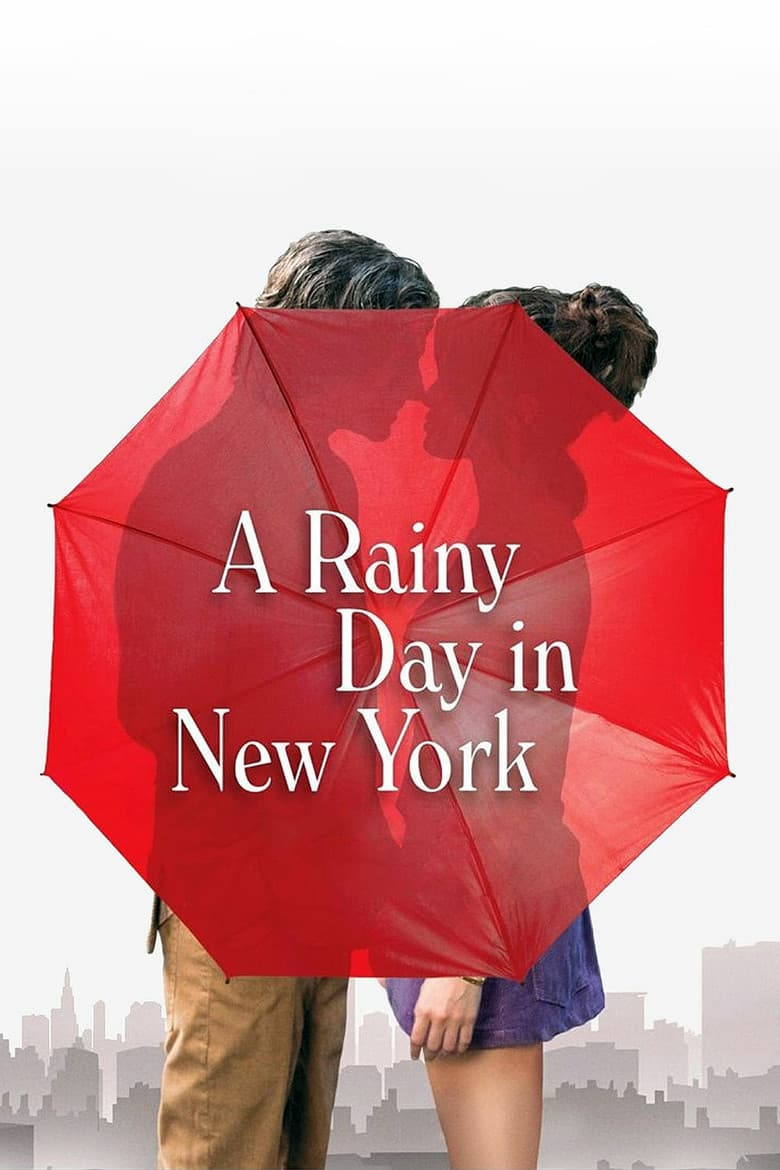
Gatsby Welles is a wealthy college student who loves old songs, old movies, gambling, and rainy New York. He brings his girlfriend, Ashleigh Enright, to Manhattan for a romantic weekend, but her college newspaper interview pulls her into the strange world of a troubled film director. Gatsby spends the day alone, meets Chan, his old girlfriend’s sharp younger sister, and faces a tense family party. The film uses fast jokes, old-fashioned romance, and chance meetings to tell a light story about love, family secrets, and growing up.
Ashleigh wants a career in journalism, but her big interview turns into a chain of awkward meetings with older men who flatter her and want her attention. Gatsby struggles with jealousy, his parents’ money, and the feeling that he does not belong in their polished world. His mother reveals a secret from her past, which helps him see his family in a new way. By the end, Gatsby accepts that his careful plans cannot control love, and he chooses the person who seems to understand his odd view of life.
Community feedback
Was our 2% Woke rating accurate?
Breakdown
These are the editorial factors and ratings behind our score for A Rainy Day in New York.
Woke representation / casting
Not present. The film has a mostly white young couple, while Selena Gomez and Diego Luna play other major characters in a modern New York setting. The cast does not form a repeated representation-focused pattern.
0%
Woke political dialogue
Not present. The film includes a joke about an actor’s liberal politics and climate protest, but the line mocks that view instead of promoting it. The rest of the talk concerns romance, art, family, and personal choices.
0%
Identity-driven story themes
Not present. Ashleigh wants to become a journalist, but her career goal is part of a romantic comedy and not an activist theme. The main story is about love, family secrets, personal confusion, and choosing a partner.
0%
Western institutional / cultural critique
Not present. Gatsby rejects his wealthy parents’ social world, and the film jokes about rich people and show-business egos. Those scenes stay personal and comic, without a modern critique of patriarchy, Christianity, conservative values, or Western institutions.
0%
Woke character or canon changes
Not relevant. The movie is an original modern romance with no established character, canon, or real historical event that it changes.
0%
Anti-woke backlash and complaints
Not present. Public debate focused on Woody Allen allegations, Amazon’s release decision, and cast donations. The available discussion did not show a meaningful anti-woke complaint that the film promotes DEI or identity politics.
0%
Creator track record context
Woody Allen’s supplied record centers on secular New York comedy and relationship stories, not DEI or identity campaigns. The producer and casting context supplied for this review is also low. Mary Bailey has a mild women’s industry group signal, but that does not shape the movie. The overall creator context is therefore low.
8%
Production
Movie · 2016
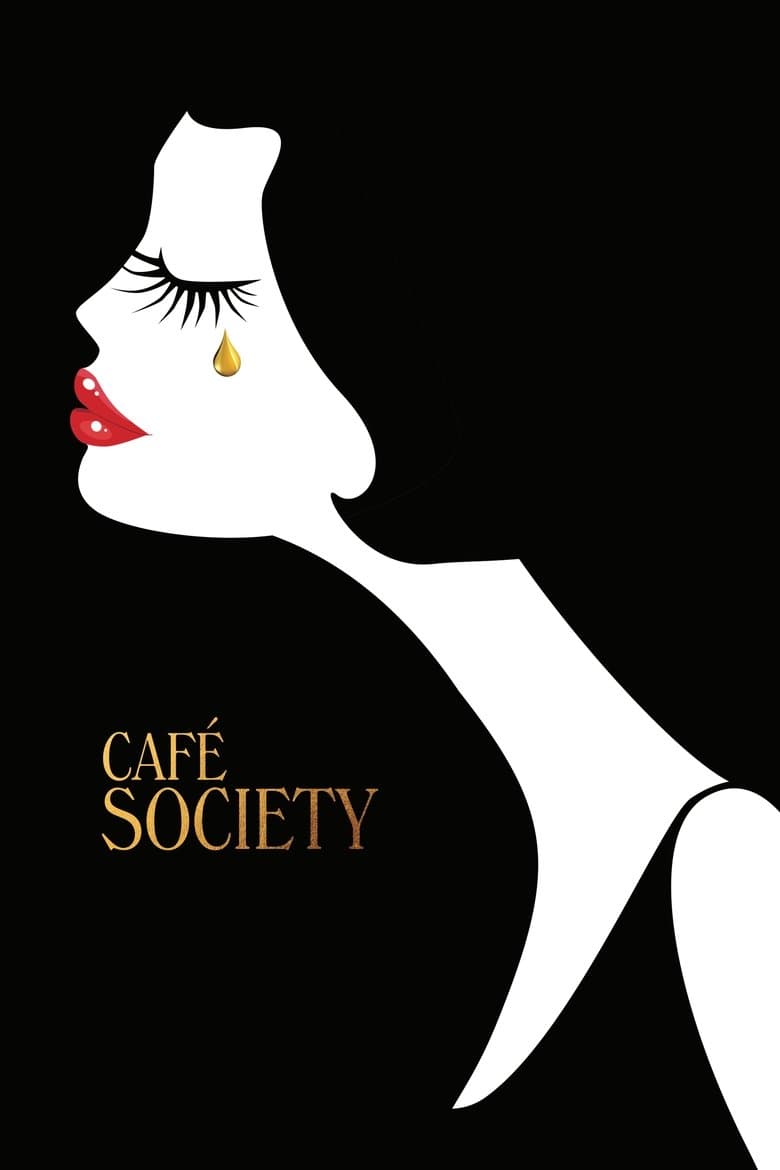
The story of a young man who arrives in Hollywood during the 1930s hoping to work in the film industry, falls in love, and finds himself swept up in the vibrant café society that…
Movie · 2018
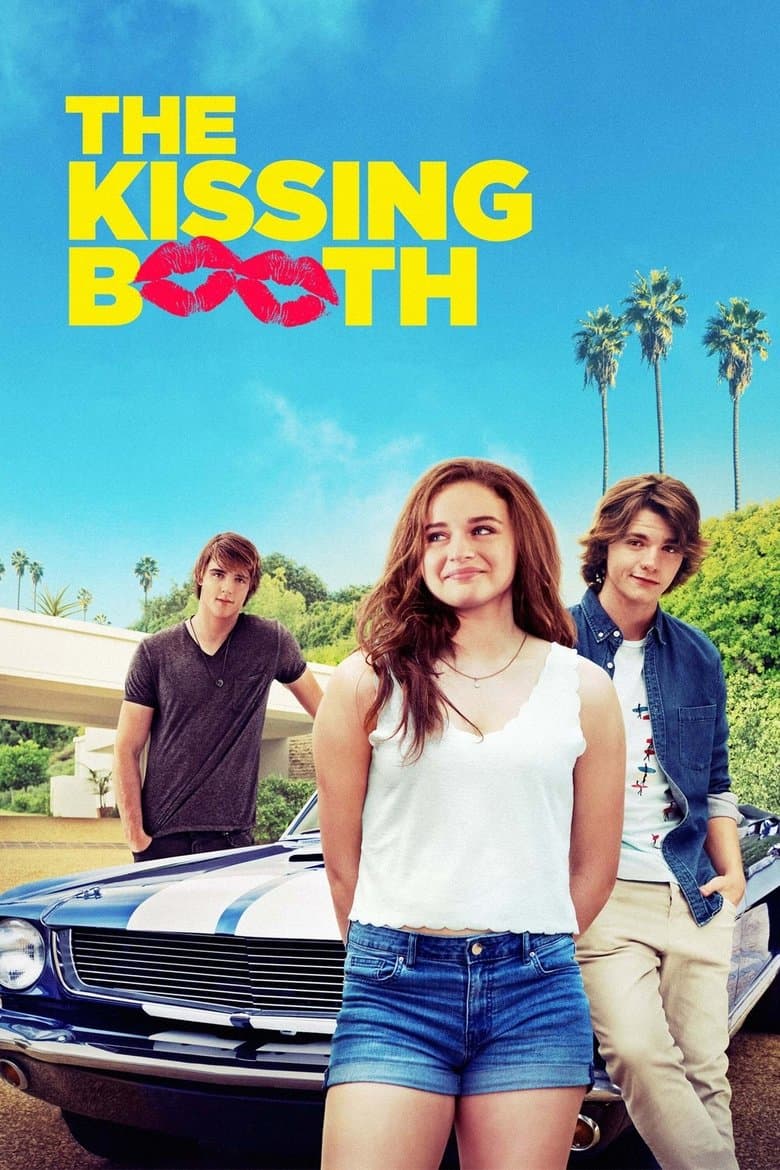
When teenager Elle's first kiss leads to a forbidden romance with the hottest boy in high school, she risks her relationship with her best friend.
Movie · 2023
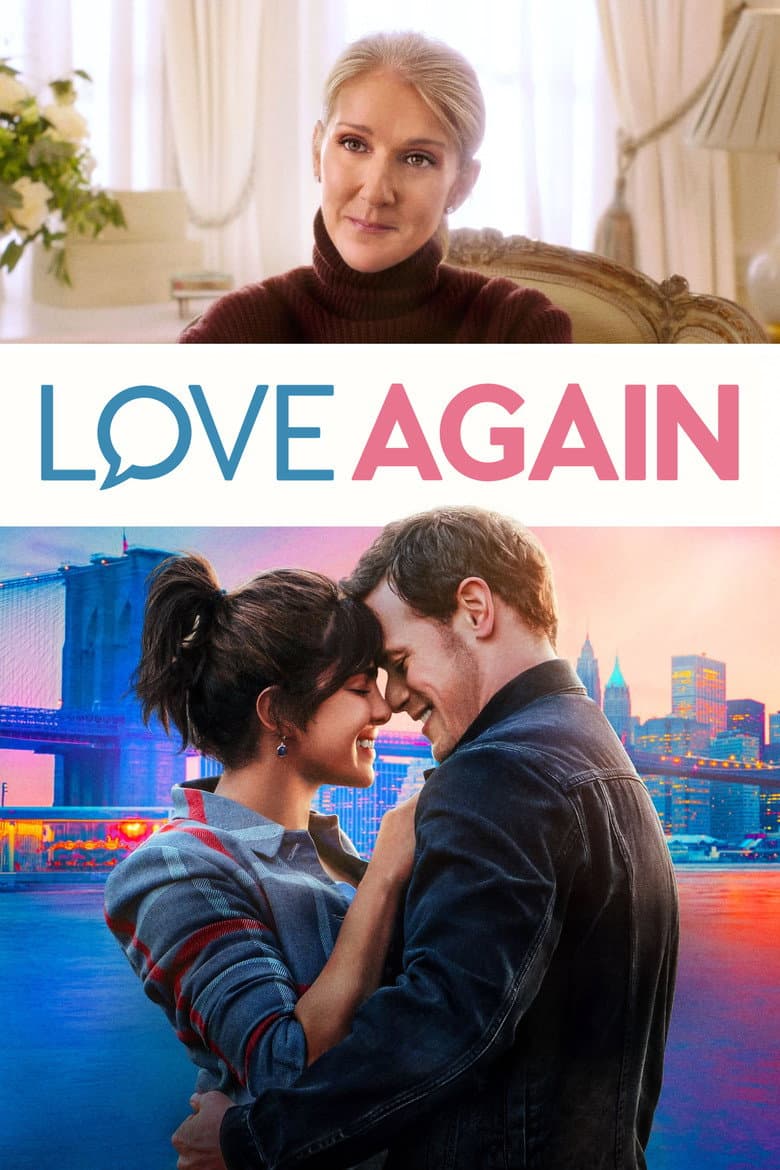
Mira Ray, dealing with the loss of her fiancé, John, sends a series of romantic texts to his old cell phone number… not realizing the number was reassigned to Rob Burns' new work…
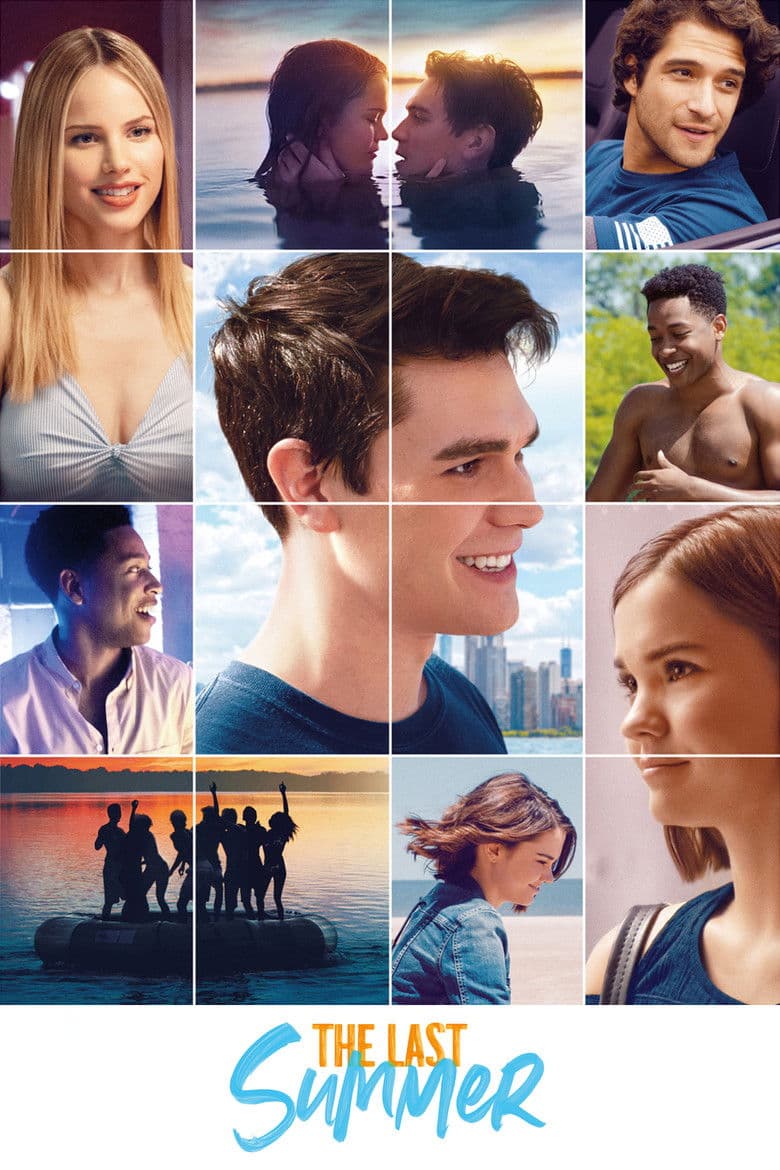
Movie · 2019
Standing on the precipice of adulthood, a group of friends navigate new relationships, while reexamining others, during their final summer before college.

Movie · 2025
A driven American exec heads to Paris determined to acquire a champagne brand by Christmas — and accidentally falls for the heir to the bubbly empire.
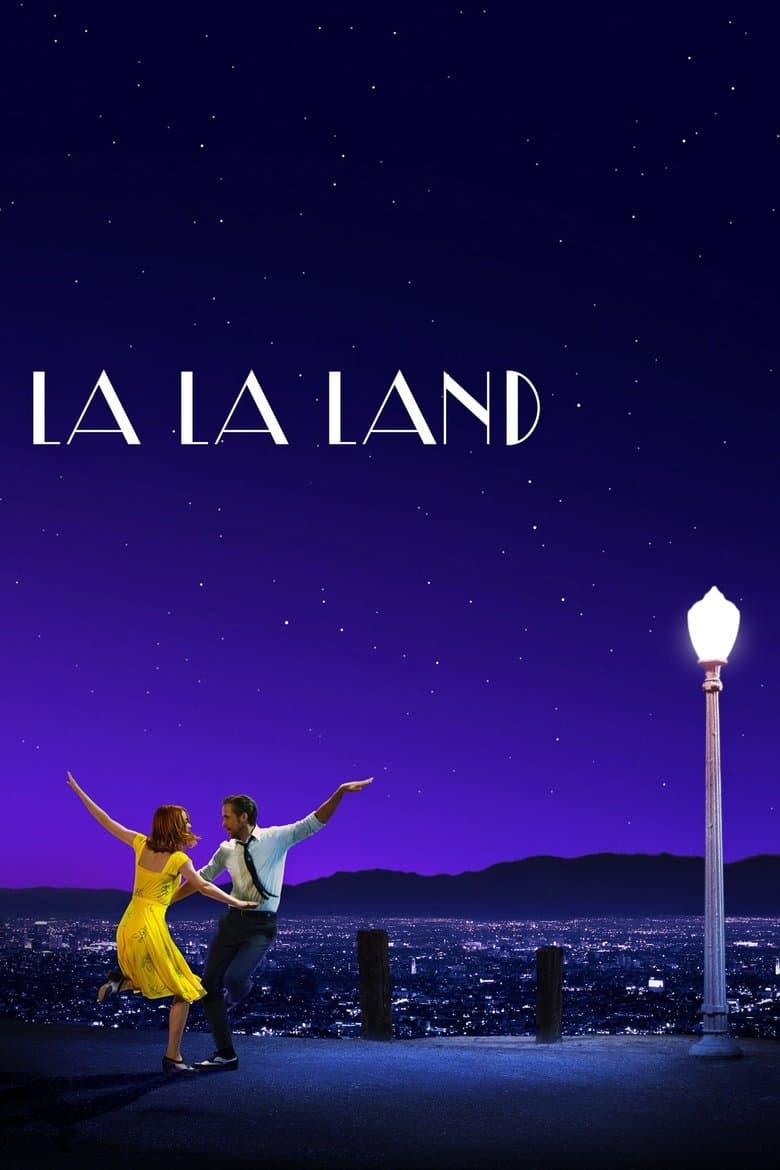
Movie · 2016
Mia, an aspiring actress, serves lattes to movie stars in between auditions and Sebastian, a jazz musician, scrapes by playing cocktail party gigs in dingy bars, but as success…
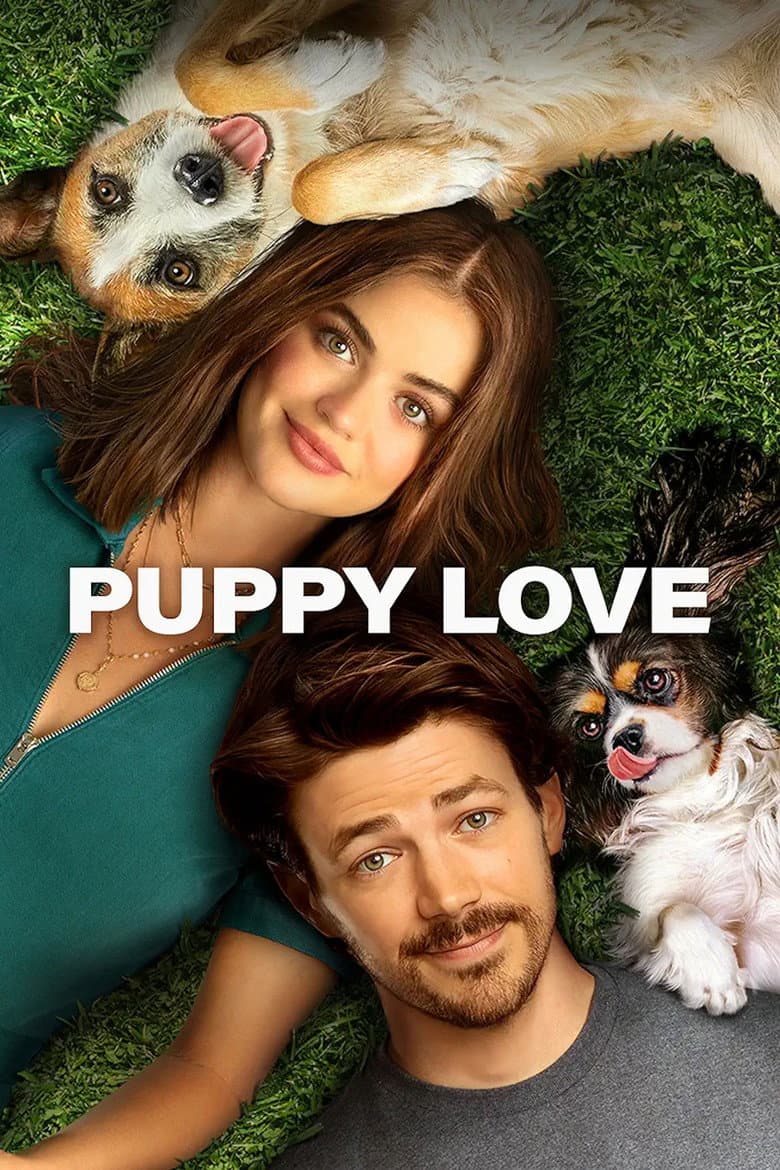
Movie · 2023
After a disastrous first date, wild-child Nicole and socially-anxious Max vow to lose each other’s numbers until they learn that their dogs found a love match, and now puppies are…
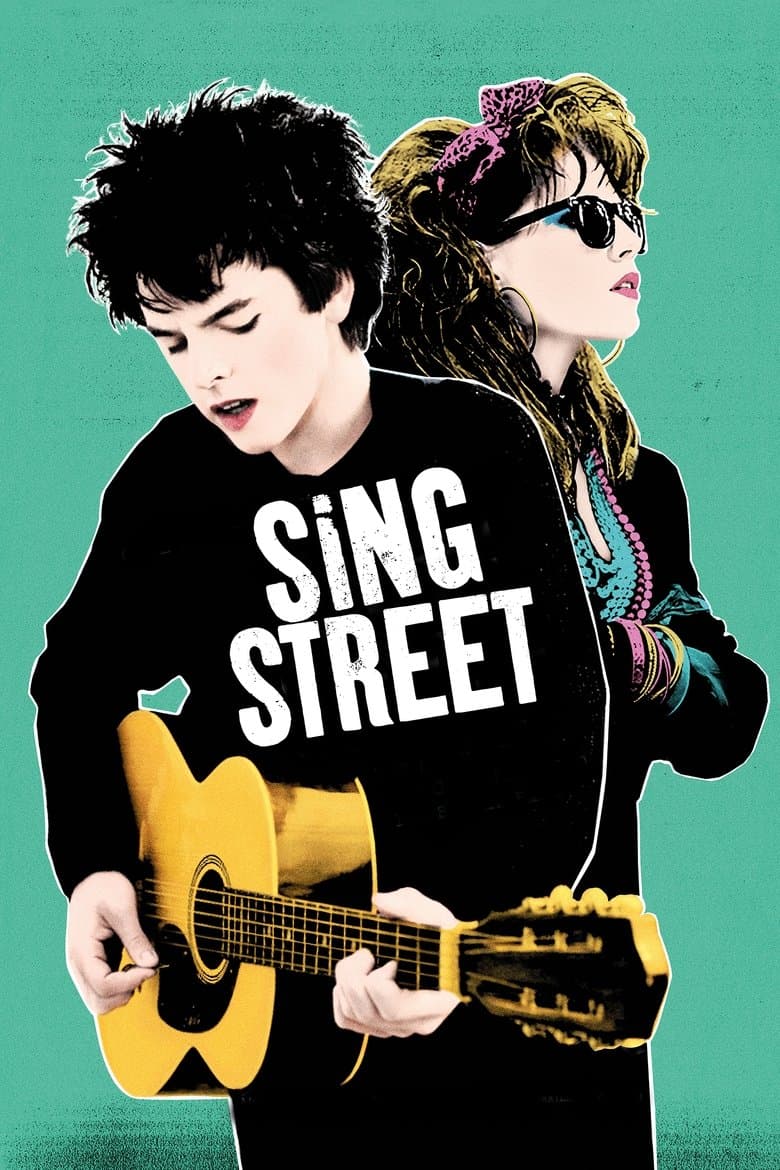
Movie · 2016
A boy growing up in Dublin during the 1980s escapes his strained family life by starting a band to impress the mysterious girl he likes.
