
Happy Anniversary follows Mollie and Sam, a quirky couple who have dated for three years. On their anniversary morning, Mollie says that she is not happy, and the couple starts to question their future. Flashbacks show their first meeting, trips, arguments, and small habits that changed their bond. The story stays in modern Los Angeles and mixes sharp jokes, sex talk, painful fights, and a hopeful but uncertain tone.
The film gives its main attention to personal choice, marriage, children, and the fear of staying in the wrong relationship. Mollie says that she does not need a man, calls marriage and weddings a waste, and worries about her age and the time needed to have a child. Those lines make her independence and doubts about family plans visible, but the movie treats them as part of one couple's private crisis rather than a wider political cause. Sam is also shown as flawed, and the ending asks both people to choose whether love is worth the work.
Community feedback
Was our 16% Woke rating accurate?
Breakdown
These are the editorial factors and ratings behind our score for Happy Anniversary.
Woke representation / casting
Not present. The cast shows a mixed group of modern Los Angeles adults. The film does not make race, gender, or diversity part of the couple's conflict.
0%
Woke political dialogue
Not present. The film includes brief jokes about civil rights, immigration, Guantanamo detention, and Black Republicans. Those lines do not promote a larger activist or identity message.
0%
Identity-driven story themes
Mollie questions whether she needs a man, whether marriage is worth it, and whether Sam is the right father for a future child. The movie returns to these concerns while the couple decides whether to stay together. Mollie speaks openly about her age and the time needed to have a child. The film treats the issue as a personal relationship problem, not as a campaign against men or family.
24%
Western institutional / cultural critique
Mollie says that marriage is “bullshit” and calls weddings a waste. She fears copying her parents, who remain together while barely speaking and sleeping separately. The movie questions marriage as a guarantee of happiness, but it does not attack religion, family, or Western institutions in a broad activist way.
12%
Woke character or canon changes
Not relevant. The film is an original story about fictional characters. It does not adapt a known story or change established characters.
0%
Anti-woke backlash and complaints
Not present. The separate X check found no anti-woke reaction or specific complaints. Web and audience discussion focused on the relationship, humor, pacing, and profanity, with no meaningful claim that the film pushes woke or left-wing content.
0%
Creator track record context
Jared Stern is mainly known for mainstream comedy, animation, and family entertainment. The producers and casting director have no strong public record of activist or identity-focused work. This creator context gives the factor only a very low signal.
7%
Production
Movie · 2016
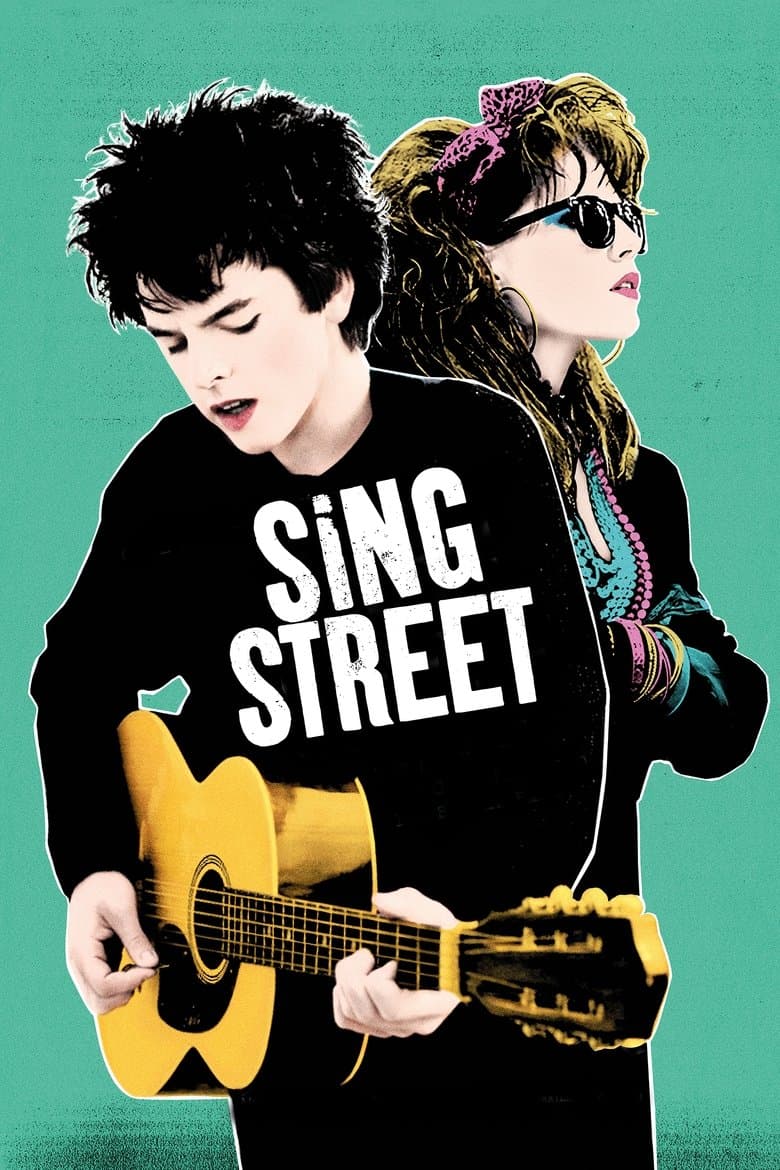
A boy growing up in Dublin during the 1980s escapes his strained family life by starting a band to impress the mysterious girl he likes.
Movie · 2022
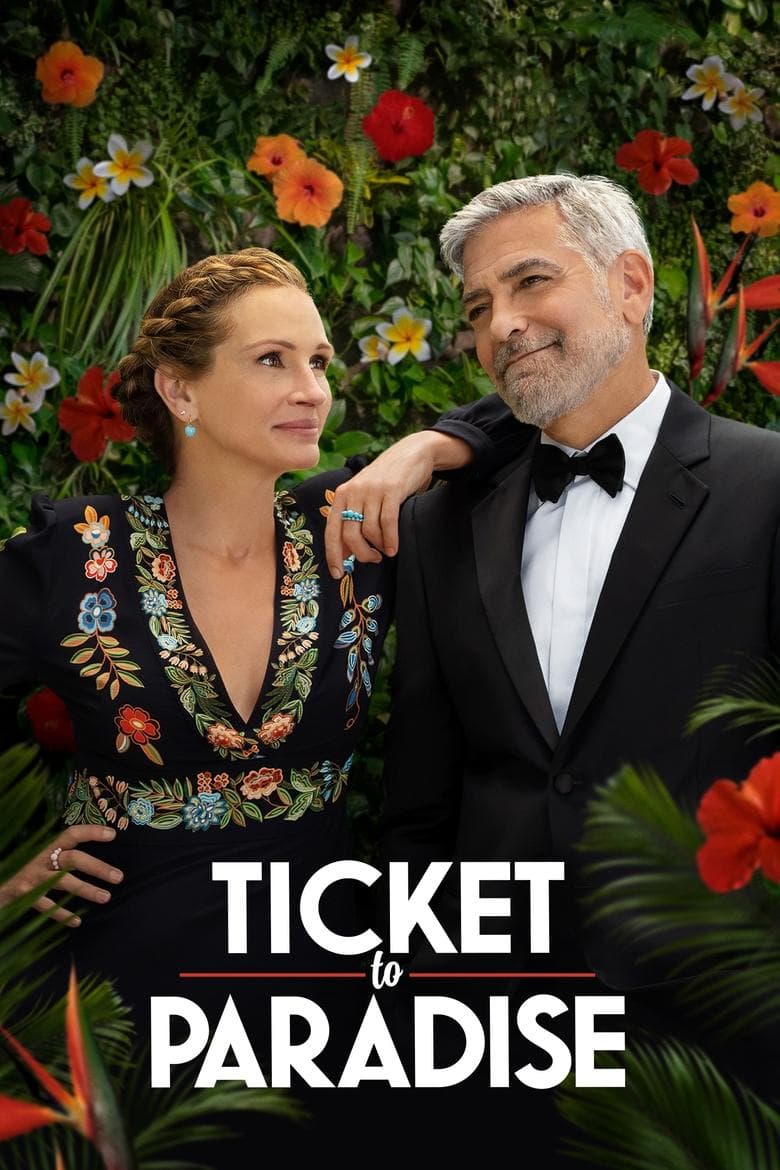
Divorced couple Georgia and David find themselves on a shared mission: they team up and travel to Bali to stop their daughter Lily from making the same mistake they once made 25…
Movie · 2023
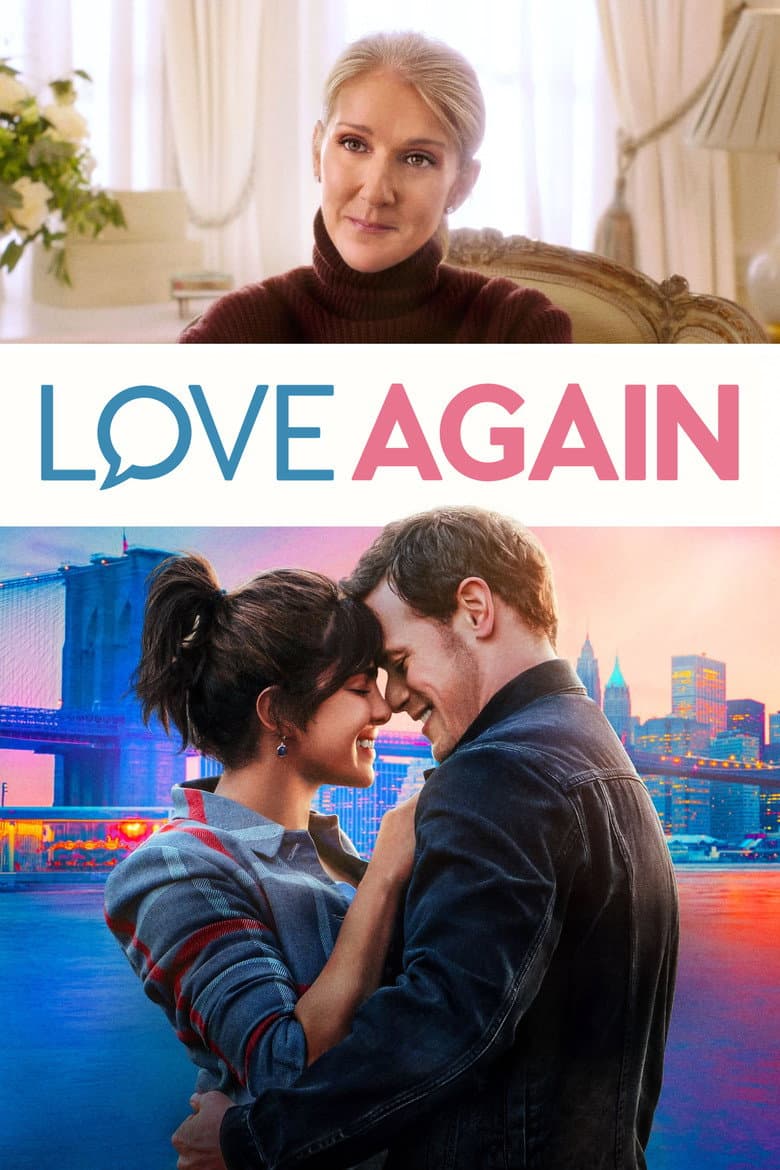
Mira Ray, dealing with the loss of her fiancé, John, sends a series of romantic texts to his old cell phone number… not realizing the number was reassigned to Rob Burns' new work…

Movie · 2018
Titu is going to marry a perfect woman named Sweety. Titu's best-friend Sonu doubts Sweety's character and tries to break the marriage while Sweety tries to do opposite and which…
Movie · 2024
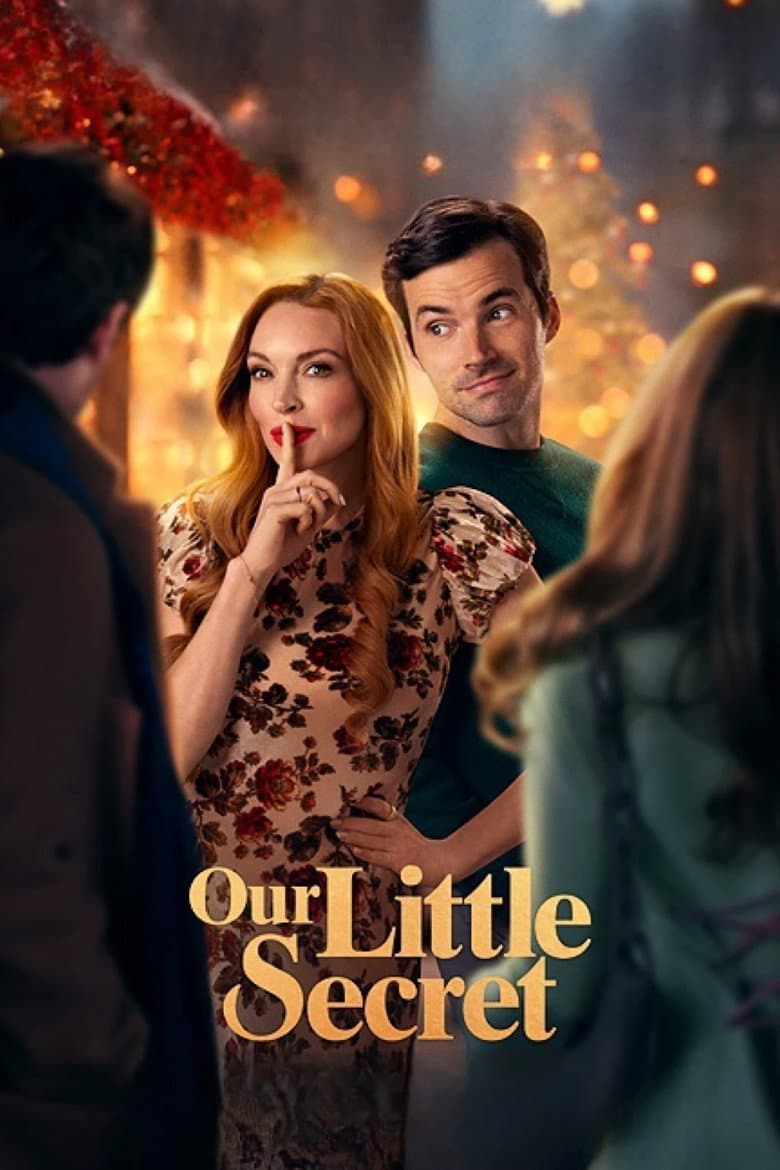
After discovering their significant others are siblings, two resentful exes must spend Christmas under one roof — while hiding their romantic history.

Movie · 2019
Oh, Ramona! seeks the transformation of Andrew from a teenager into an adult who lives candidly and selflessly his first love story, innocent and uninvolved, alternating with the…
Movie · 2021
Troubled teen Will Hawkins has a run-in with the law that puts him at an important crossroad: go to juvenile detention or attend a Christian summer camp.
Movie · 2024
Fran likes to think about dying. It brings sensation to her quiet life. When she makes the new guy at work laugh, it leads to more: a date, a slice of pie, a conversation, a…
