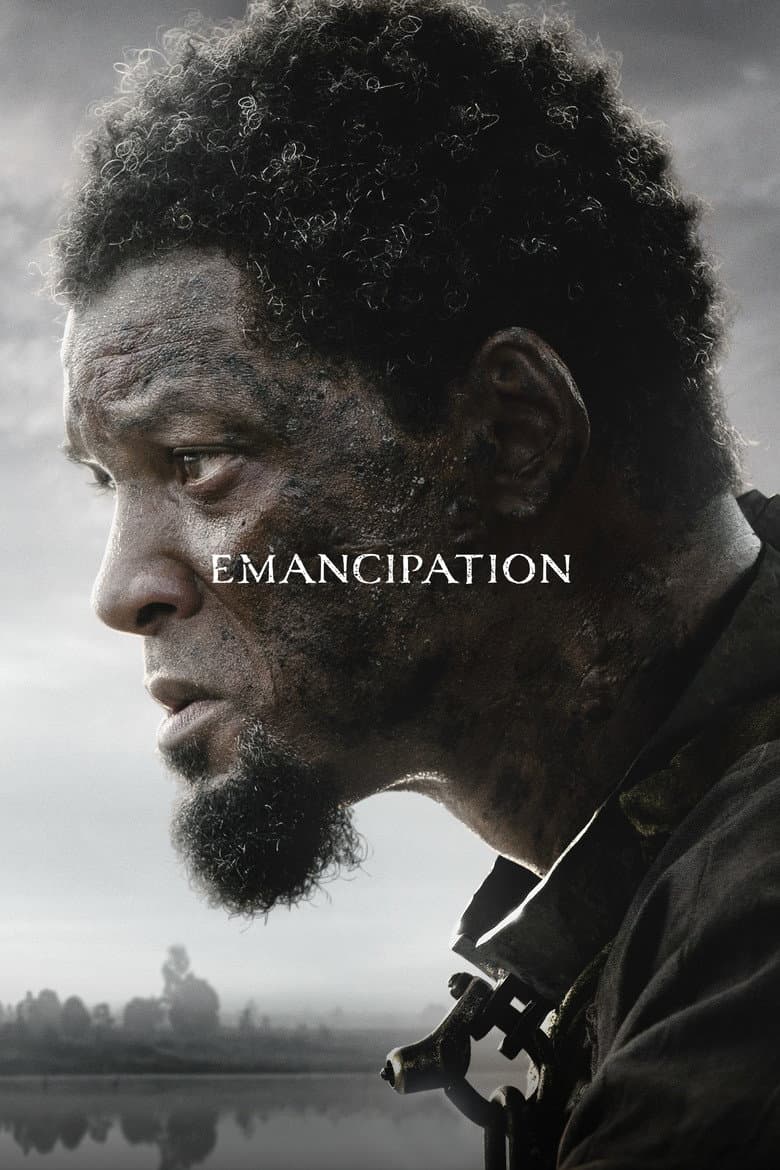
Emancipation follows Peter, an enslaved husband and father in Louisiana in 1863. After he is taken from his wife and children to work on a Confederate railroad, he escapes when he hears that Lincoln's army may offer freedom. He crosses swamps filled with snakes, alligators, storms, hunger, and armed men while trying to reach Union soldiers in Baton Rouge. The film is grim, violent, and tense, but Peter's love for his family gives the story a hopeful purpose.
The film puts Black suffering under slavery at the center because that history is the reason for Peter's escape, his scars, and his later service with Black Union soldiers. Peter prays, quotes Bible passages, and treats faith as a source of courage, while a preacher uses scripture to defend obedience to masters. The story presents freedom as something Peter must seek through courage, family love, faith, and action rather than through modern political slogans. Its identity focus is strong in subject matter but stays inside the period story and does not become a present-day campaign.
Community feedback
Was our 13% Woke rating accurate?
Breakdown
These are the editorial factors and ratings behind our score for Emancipation.
Woke representation / casting
Not present. The black cast plays enslaved people, Peter’s family, and Black Union soldiers in 1863 Louisiana. The white cast plays Confederate soldiers and slave hunters. These choices fit the setting and do not show an unusual diversity pattern.
0%
Woke political dialogue
Not present. The dialogue discusses Lincoln’s proclamation, slavery, escape, and the Civil War. It does not use current party language or modern activist slogans.
0%
Identity-driven story themes
The film centers on a black family being separated and hunted because Peter is enslaved. The story also follows Black escapees and Black Union soldiers as they seek freedom. Those events fit the 1863 setting and are not modern identity politics. Fuqua connected the film’s violence with present-day violence against black men and said it should start healing conversations, which adds a mild identity-driven frame outside the story.
15%
Western institutional / cultural critique
Not present. The film condemns slavery, Confederate abuse, and forced labor as part of its 1863 story. It does not turn that history into a modern attack on capitalism, patriarchy, Christianity, or Western culture.
0%
Woke character or canon changes
Not relevant. The film expands a thin historical record by adding Peter’s wife, children, and the hunter Jim Fassel. These changes build the escape story and do not present a woke or identity-driven rewrite of a known character.
0%
Anti-woke backlash and complaints
A few small X accounts called the film a “woke virtue-signalling BLM movie with an agenda.” Other small posts made “woke timing” jokes or gave the film “woke points.” The separate X pass found no large right-leaning campaign, review bomb, or organized boycott about the film’s politics. Most boycott talk centered on Will Smith’s Oscars slap, while complaints about another slavery movie were mostly fatigue rather than anti-woke claims. One small right-leaning post later said the film told the truth and was not woke.
12%
Creator track record context
Most key creators have low recorded woke scores, including Fuqua at 7, Collage at 5, and Will Smith at 18. Heather Washington is higher at 25 because her work supports black-centered stories and programs for underrepresented writers. Fuqua and Smith described this film as a story of freedom, faith, love, and black history. The team adds mild context rather than a major signal.
14%
Production
Movie · 2019
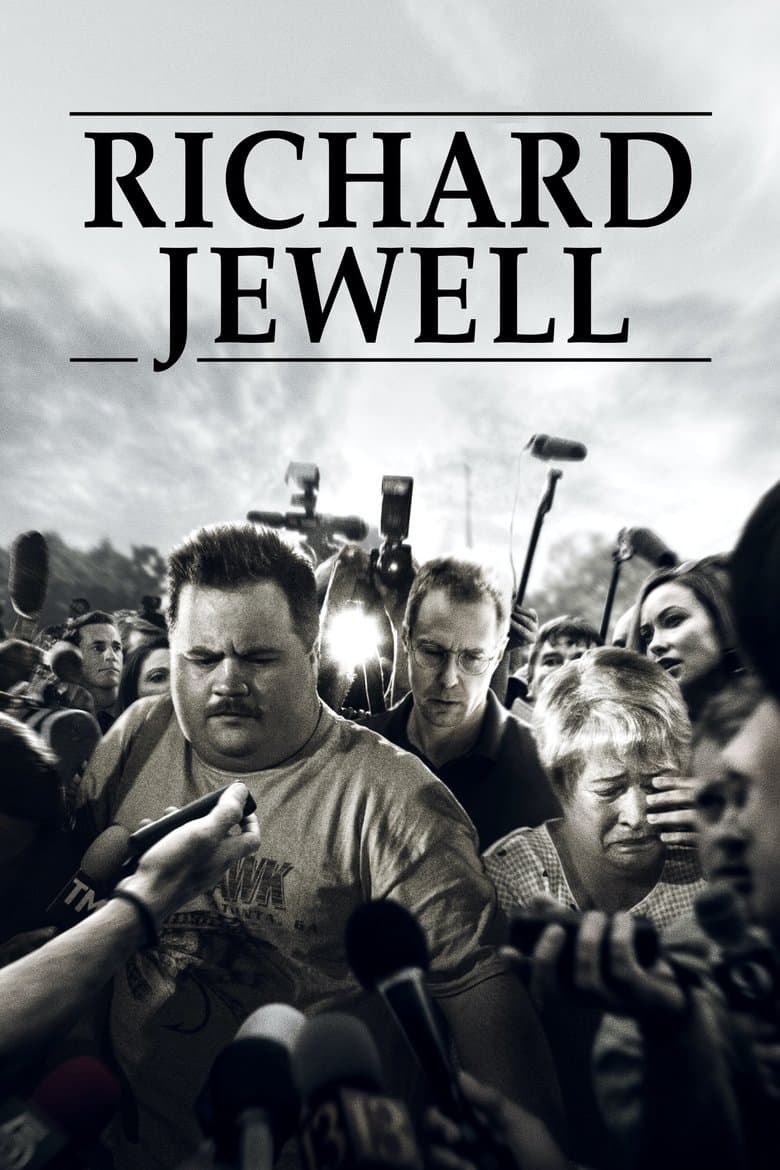
Richard Jewell thinks quick, works fast, and saves hundreds, perhaps thousands, of lives after a domestic terrorist plants several pipe bombs and they explode during a concert…

Movie · 2025
Diagnosed with Tourette Syndrome at 15, John Davidson navigates his way against the odds through troubled teenage years and into adulthood, finding inspiration in the kindness of…

Movie · 2016
After his older brother passes away, Lee Chandler is forced to return home to care for his 16-year-old nephew.
Movie · 2022
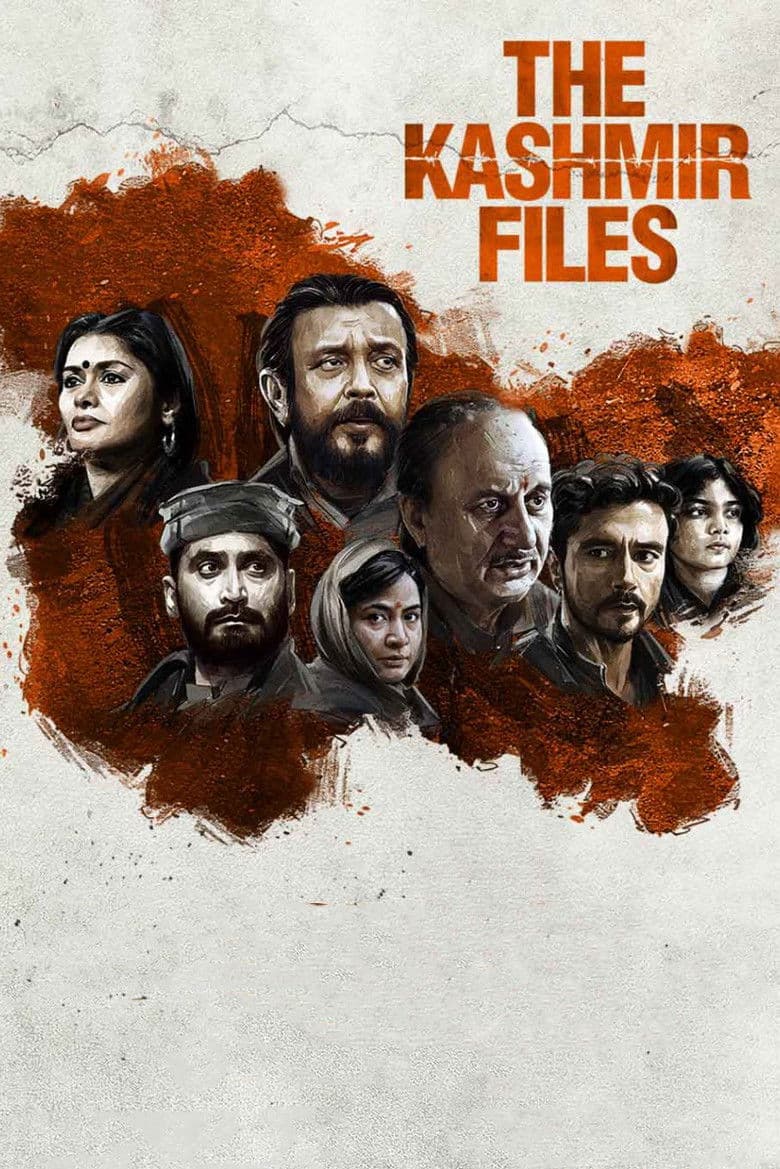
Based on a true tragedy, the emotionally triggering film sheds light on the plight of Kashmiri Pandits (Hindus), a religious minority in the 1990s Kashmir valley, who were…

Movie · 2024
On the brink of the Second World War, a young Norwegian man's drive to resist the Nazis sets a new course for his future – and the future of his country.
Movie · 2022
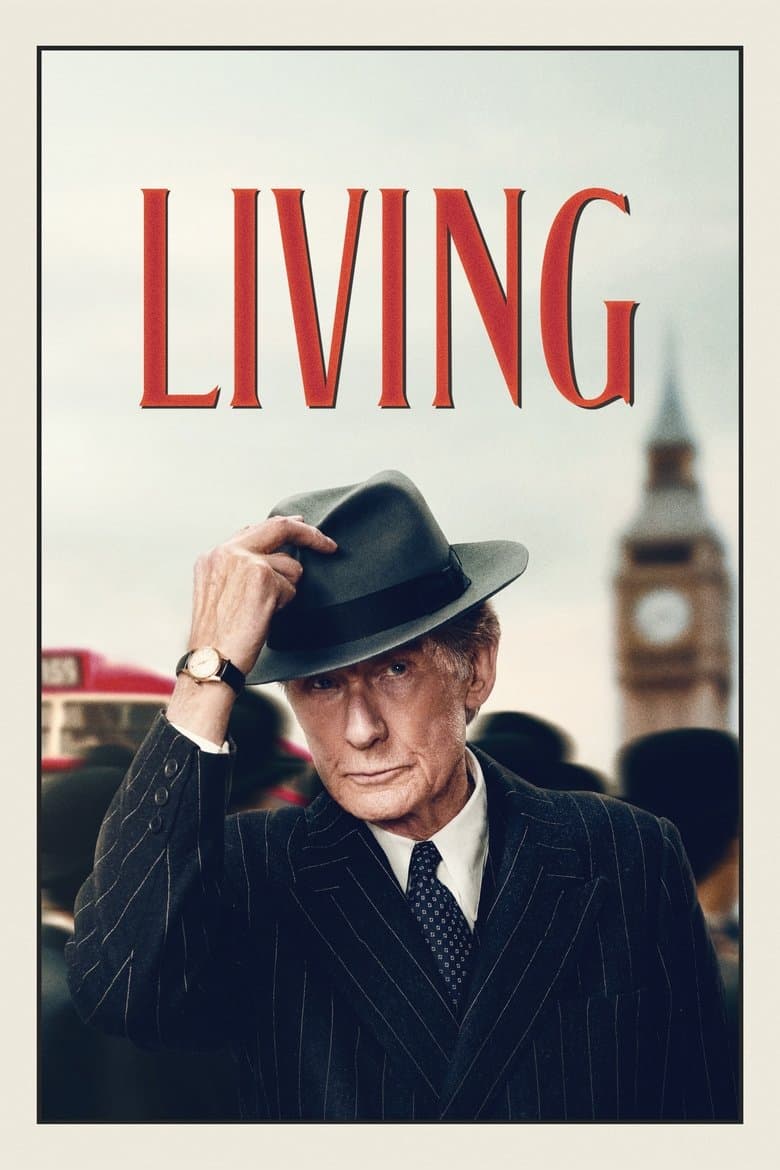
London, 1953. Mr. Williams, a veteran civil servant, is an important cog within the city's bureaucracy as it struggles to rebuild in the aftermath of World War II.
Movie · 2016
WWII American Army Medic Desmond T. Doss, who served during the Battle of Okinawa, refuses to kill people and becomes the first Conscientious Objector in American history to…
Movie · 2016
On 15 January 2009, the world witnessed the 'Miracle on the Hudson' when Captain 'Sully' Sullenberger glided his disabled plane onto the Hudson River, saving the lives of all 155…
