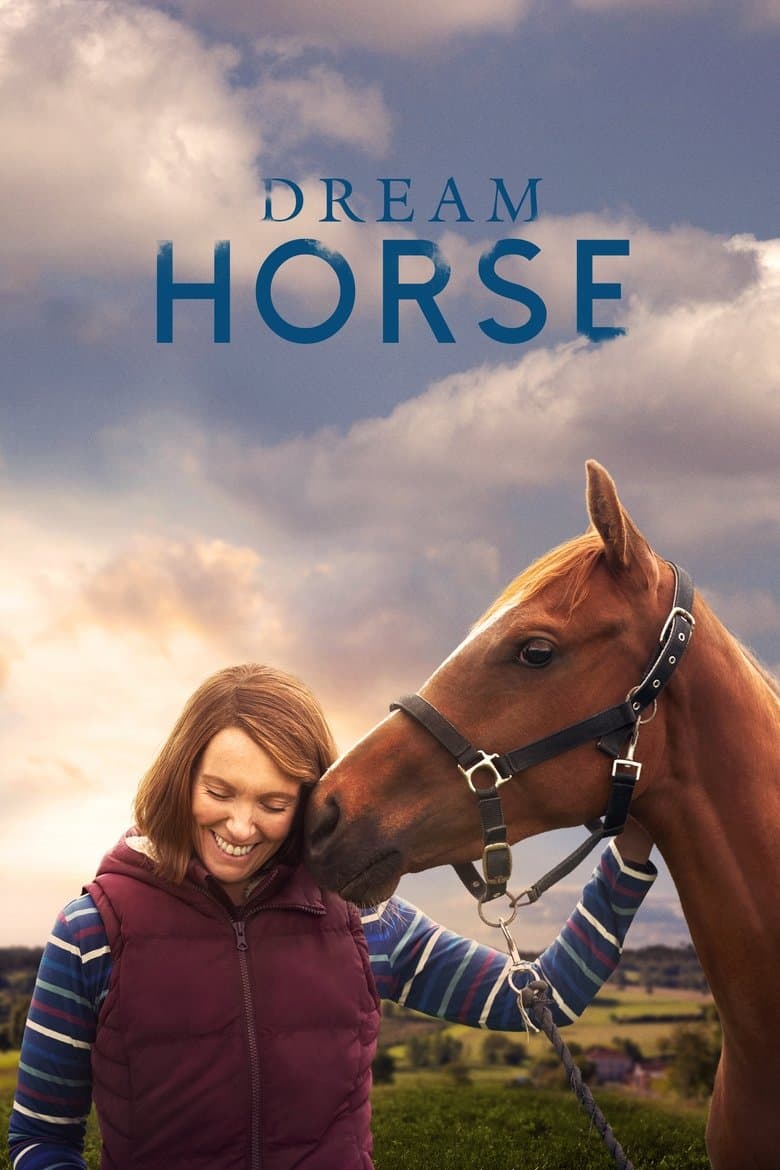
Jan Vokes works two hard jobs in a quiet Welsh village and feels stuck in a dull life. After hearing talk about racehorses at the pub, she decides to breed one even though she has almost no money and no racing know-how. She gets neighbors to put in a little money each week so they can raise a horse named Dream Alliance and take on rich owners. The film is a warm, funny underdog sports story about hope, teamwork, and second chances.
The story stays focused on community pride, a shared dream, and working-class people trying to win in a rich sport. Jan is the driver of the plan because that matches the real woman the movie is about. Viewers mainly see friendship, marriage strain, and class snobbery at the races, not modern identity politics or activist lectures. A normal viewer would notice a feel-good horse movie about ordinary people sticking together, not a woke campaign film.
Community feedback
Was our 26% Woke rating accurate?
Breakdown
These are the editorial factors and ratings behind our score for Dream Horse.
Woke representation / casting
Main cast matches the real Welsh village story (Toni Collette as real Jan Vokes, Damian Lewis, Owen Teale, and other mostly white British/Welsh actors). Female lead is justified by the true events. A minor role for Asheq Akhtar as Peter is background, not a clear quota pattern. Audience-visible identity casting is light and not the point of the film.
10%
Woke political dialogue
Dialogue is everyday pub talk, racing talk, and team pep talk. Rich owners act snobby toward poor locals, but lines are not modern activist identity lectures about race, gender, or DEI. Normal viewers hear class teasing and hope speeches, not woke political dialogue.
5%
Identity-driven story themes
Core themes are community, purpose, and underdog sports success. Jan wants a reason to live beyond being a wife, mother, and worker, which fits the real person. That is light personal growth, not a race, queer, or systemic-identity plot. Class underdog energy is present but classic, not modern identity-driven.
18%
Western institutional / cultural critique
The film shows horse racing as a rich people’s world that looks down on poor villagers. That is mild class critique of elite sport, in the style of older British underdog films. It does not push modern activist attacks on whiteness, patriarchy, colonial guilt, or traditional family as the main message.
22%
Woke character or canon changes
Not relevant. It is a true-story biopic with normal movie shortening and soft edges. No clear identity-driven rewrite of real people or events.
0%
Anti-woke backlash and complaints
No meaningful right-leaning or anti-woke campaign treating the film as DEI propaganda, race/gender swaps, or activist messaging. Praise was mostly “feel-good horse movie,” not culture-war attack.
0%
Creator track record context
Director Euros Lyn scores high for queer-centered work (Heartstopper and related public framing). Casting director Shaheen Baig has a stronger inclusive-casting profile. Writer Neil McKay scores near zero. Most producers are low to modest. Overall key-crew track record is mixed, pulled up mainly by Lyn and Baig rather than by this film’s content.
40%
Production
Movie · 2018
With their golden era long behind them, comedy duo Stan Laurel and Oliver Hardy embark on a variety hall tour of Britain and Ireland.
Movie · 2023
Two large, ignorant bullies ruthlessly pursue a small, brilliant boy in this young adult Roald Dahl short story.
Movie · 2019
A headstrong Chinese-American woman returns to China when her beloved grandmother is given a terminal diagnosis.
Movie · 2017
The film follows a man with an unwanted gift for healing who meets a teenager with cancer who helps him to find himself.
Movie · 2024
Four tales unfold in Wes Anderson's anthology of short films adapted from Roald Dahl's beloved stories, "The Wonderful Story of Henry Sugar", "The Swan", "The Rat Catcher", and…
Movie · 2022
An endearing outlier, Brian lives alone in a Welsh valley, inventing oddball contraptions that seldom work. After finding a discarded mannequin head, Brian gets an idea.
Movie · 2016
Set against the backdrop of a beautiful garden in the heart of London, this contemporary fairy tale revolves around the unlikely friendship between a reclusive young woman and a…
Movie · 2019
Following a group of friends from university as they progress into middle-age life and go their own separate ways.
