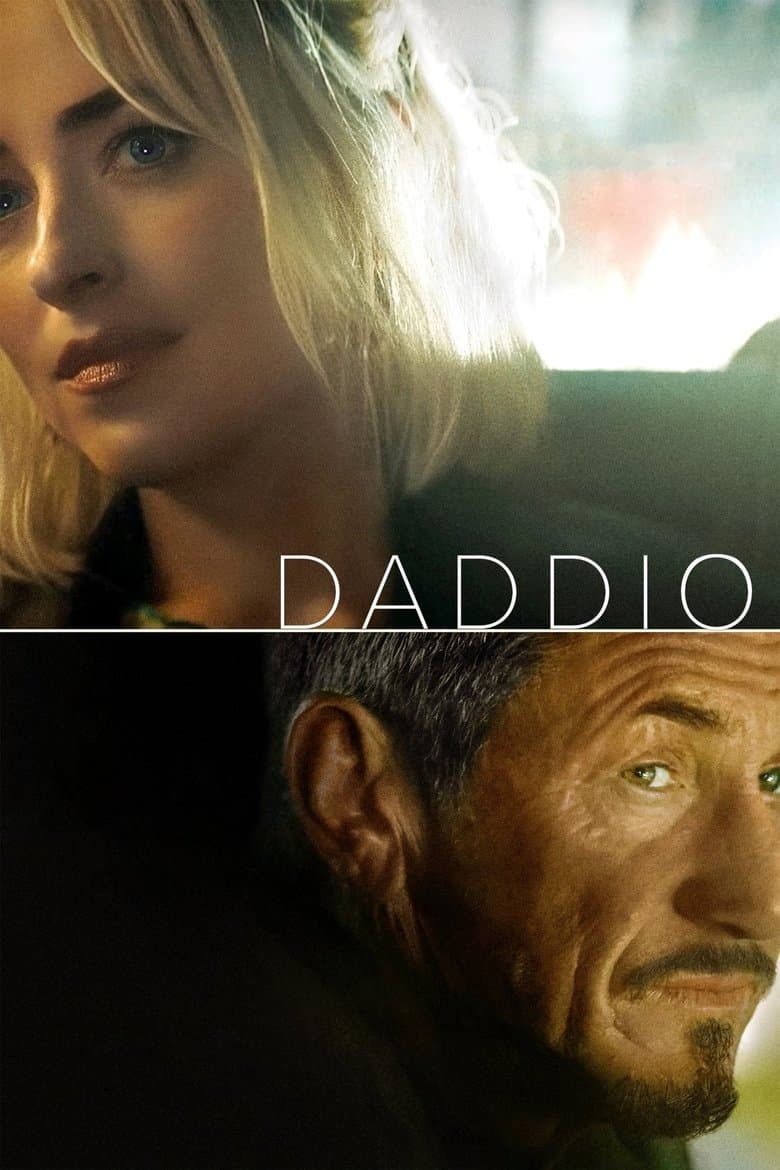
A young woman named Girlie takes a taxi from JFK airport back to her apartment in Manhattan after a trip. She ends up in a long conversation with the older driver, Clark, about family, relationships, personal secrets, and life. The whole movie stays inside the cab as they drive through the night and share stories.
The film is a simple, contained drama about two strangers talking honestly. The story covers the woman’s affair with a married man, family troubles including a distant dad and a difficult sister, a miscarriage, and blunt talks about men, women, and sex. The driver gives old-fashioned opinions on relationships and modern life. Creators have mentioned gender dynamics and stories about women in interviews, and there is a quick mention of the sister having a girlfriend. Dakota Johnson stars and produced, and she has a past record of work on women’s issues. Most viewers see it as a personal character story with adult talk rather than social or political messages. Woke elements stay light and background.
Community feedback
Was our 19% Woke rating accurate?
Breakdown
These are the editorial factors and ratings behind our score for Daddio.
Woke representation / casting
Lead roles played by white actors Dakota Johnson and Sean Penn in a modern New York story with no visible marketing or production emphasis on diversity, quotas, or identity signaling. No prominent patterns of representation-first casting in main parts.
0%
Woke political dialogue
The driver shares blunt, traditional views on men wanting status and “dirty sex,” women wanting to be wanted, and modern equality efforts. The passenger discusses her personal life and pushes back lightly at times. Talk stays personal and generational with no activist speeches or social-justice framing.
5%
Identity-driven story themes
The story focuses on personal family trauma, an affair with an older married man (“daddy issues”), a miscarriage, and emotional connection between strangers. Some gender dynamics appear in conversation. The creator has referenced gender dynamics and women’s stories. A passing mention of the sister’s same-sex relationship adds modest weight. Core drive remains individual relationships, not group identity or activism.
28%
Western institutional / cultural critique
The driver complains about globalization, virtual values, and apps replacing real taxis and human contact. He prefers face-to-face talk over screens. These are one character’s casual opinions during a personal ride, without activist-style attacks on capitalism, patriarchy, or Western institutions.
0%
Woke character or canon changes
Not present in this title.
0%
Anti-woke backlash and complaints
Very little public pushback accuses the film of promoting woke, DEI, or identity politics. Scattered viewer notes call the driver’s dialogue “sexist” or dated, which runs opposite to woke-complaint patterns. No significant reports of controversy treating the title as activist messaging.
0%
Creator track record context
Writer-director Christy Hall shows a low activist profile focused on emotional dramas. Dakota Johnson carries a higher record from prior women’s and gender-related work and producing. Most other producers have minimal or zero recorded patterns. Project-specific comments stress connection over social themes.
22%
Production
Movie · 2019
Richard Jewell thinks quick, works fast, and saves hundreds, perhaps thousands, of lives after a domestic terrorist plants several pipe bombs and they explode during a concert…
Movie · 2025
Diagnosed with Tourette Syndrome at 15, John Davidson navigates his way against the odds through troubled teenage years and into adulthood, finding inspiration in the kindness of…
Movie · 2016
WWII American Army Medic Desmond T. Doss, who served during the Battle of Okinawa, refuses to kill people and becomes the first Conscientious Objector in American history to…
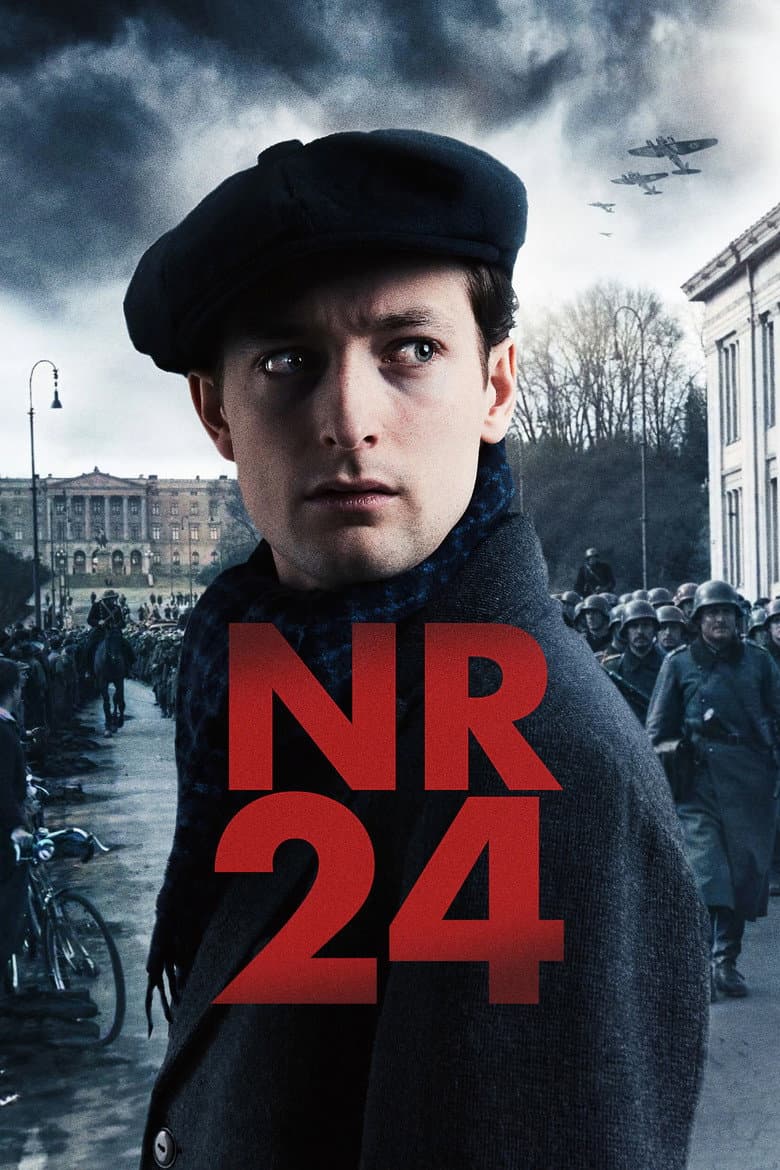
Movie · 2024
On the brink of the Second World War, a young Norwegian man's drive to resist the Nazis sets a new course for his future – and the future of his country.
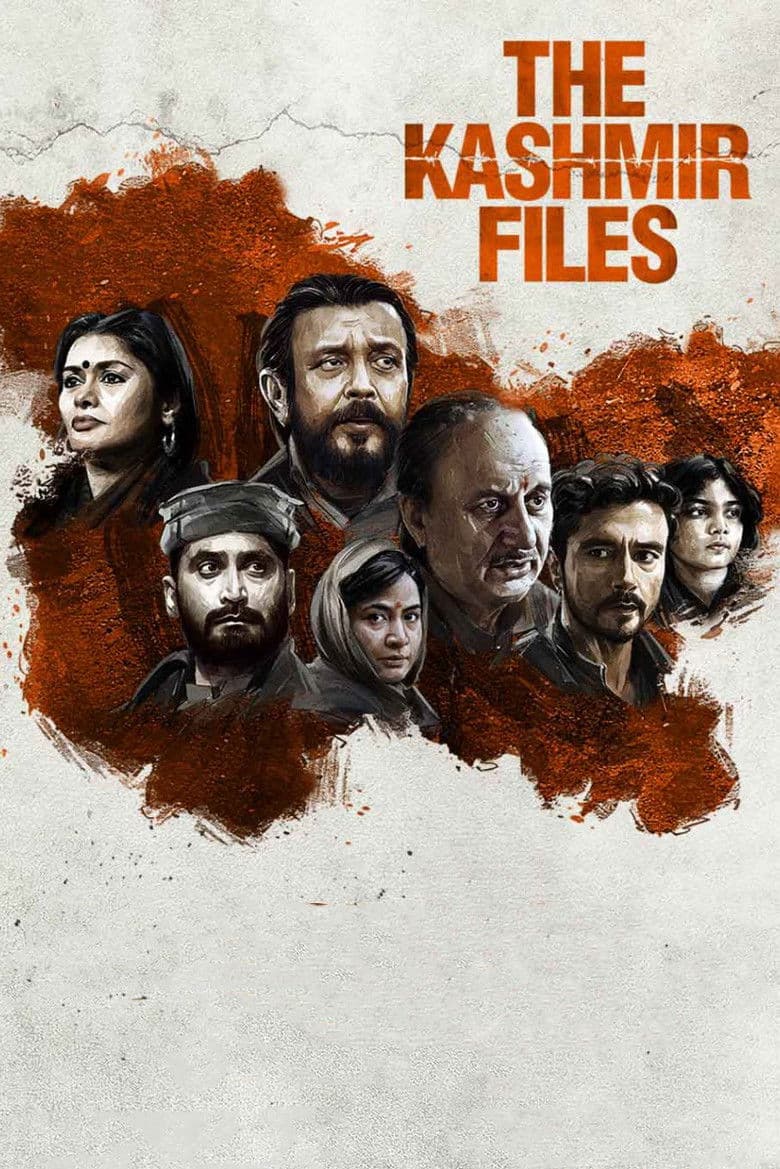
Movie · 2022
Based on a true tragedy, the emotionally triggering film sheds light on the plight of Kashmiri Pandits (Hindus), a religious minority in the 1990s Kashmir valley, who were…
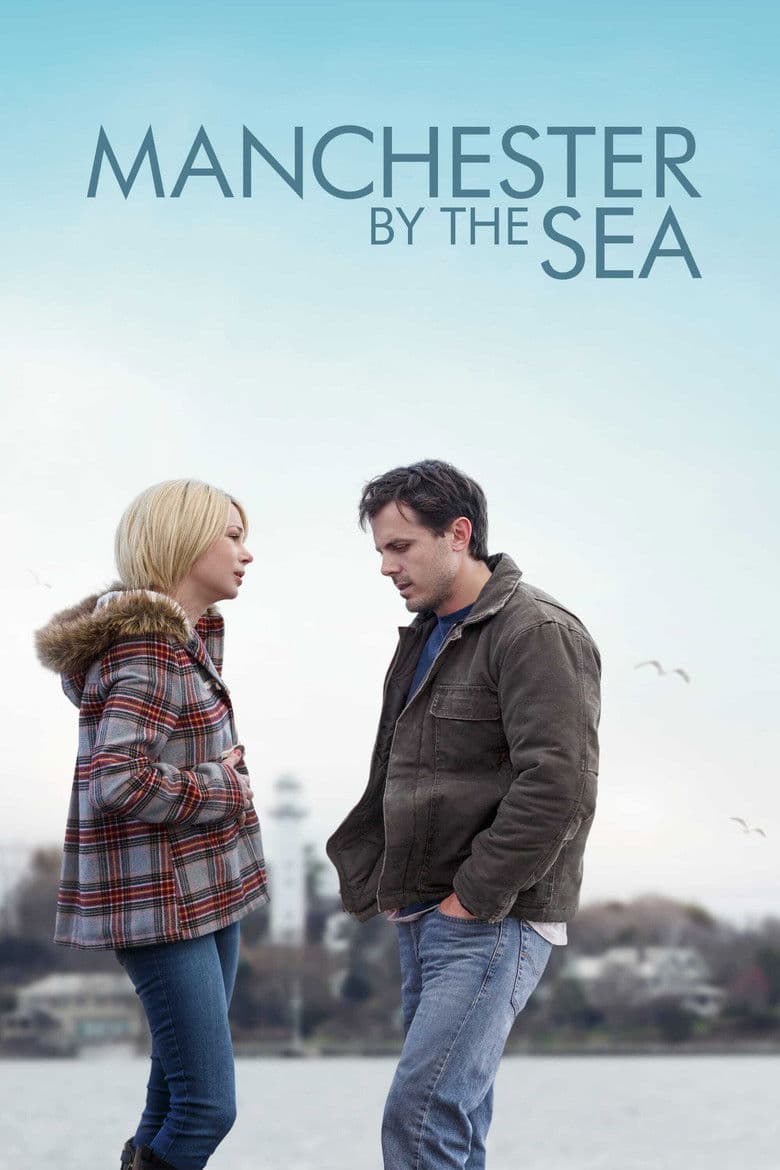
Movie · 2016
After his older brother passes away, Lee Chandler is forced to return home to care for his 16-year-old nephew.
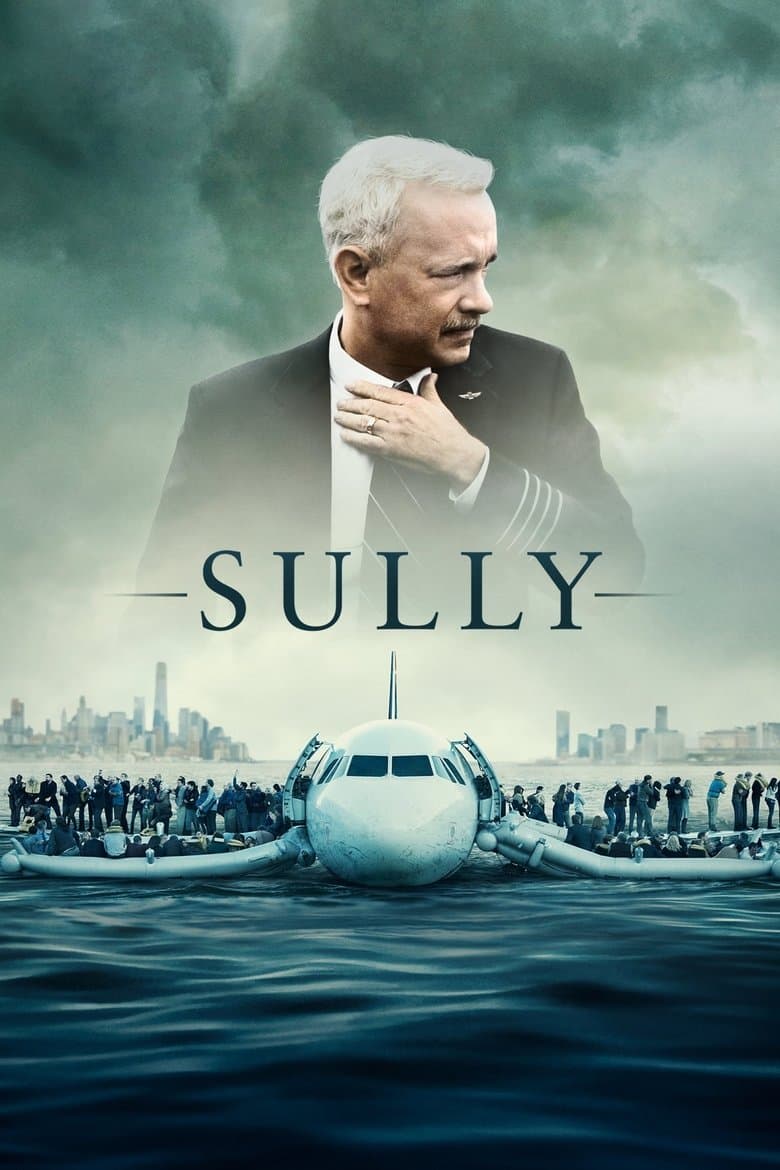
Movie · 2016
On 15 January 2009, the world witnessed the 'Miracle on the Hudson' when Captain 'Sully' Sullenberger glided his disabled plane onto the Hudson River, saving the lives of all 155…
Movie · 2016
In a desolate war zone where screams of the innocent echo, on the very line between disaster and valor, 7 Maroon Berets will dance with death.
