
Jin Lee travels from Seoul to Columbus, Indiana, when his famous architect father falls into a coma. Jin feels little love for a father who cared more about work than about him. He meets Casey, a young library worker who loves the town’s modern buildings and looks after her mother, who is recovering from drug addiction. Their quiet friendship helps both people face family duty, grief, fear, and the choice to stay or move on.
The film shows Jin as a Korean-American man, and a short exchange mentions the idea that Asians may not speak English. Jin also talks about the pull between Korean family duty and work. Casey is a bright young woman who puts school aside for her mother, then chooses to leave and study architecture. These identity and self-choice ideas are part of the character stories, but the film keeps them personal and never turns them into a political campaign.
Community feedback
Was our 24% Woke rating accurate?
Breakdown
These are the editorial factors and ratings behind our score for Columbus.
Woke representation / casting
The film places a Korean-American man at the center of a small-town Indiana story and includes Korean dialogue and family scenes. The father is also Korean, so the identity link is part of the family plot. Jin’s background fits his story, and the cast does not form a repeated identity-first pattern. The representation signal is visible but mild.
15%
Woke political dialogue
Casey reacts to Jin speaking Korean by saying that he speaks English. Jin answers by naming an Asian stereotype, and the scene ends with Casey apologizing. The film also jokes about Korean pressure to put family and work first. These moments are short and do not become a wider political argument.
21%
Identity-driven story themes
Jin’s Korean-American background shapes his conflict over family duty, work, and his distant father. Casey puts college aside to care for her mother and later chooses to leave to study architecture. The film supports both characters making their own choices, but it treats these as personal family problems. The story does not make race or gender its main political message.
18%
Western institutional / cultural critique
Not present. The film shows family pressure, addiction, work, and academic distance. It does not attack capitalism, Christianity, traditional family life, or Western institutions through a modern activist message.
0%
Woke character or canon changes
Not relevant. Columbus is an original story by Kogonada. It does not change a known character, older story, or real historical event for identity reasons.
0%
Anti-woke backlash and complaints
Not present. The supplied X research found no anti-woke reaction or title-specific complaints. Wider reviews and audience posts discuss the film’s pace, beauty, and family themes, not woke or DEI messaging.
0%
Creator track record context
The creative team has a mixed record. Kogonada’s own record is low and shows no strong activist pattern. Several producers, including Bill Harnisch, Ruth Ann Harnisch, Giulia Caruso, and Ki Jin Kim, have worked on representation-focused projects. Title interviews focus on family, architecture, and cultural identity rather than an activist campaign.
35%
Production
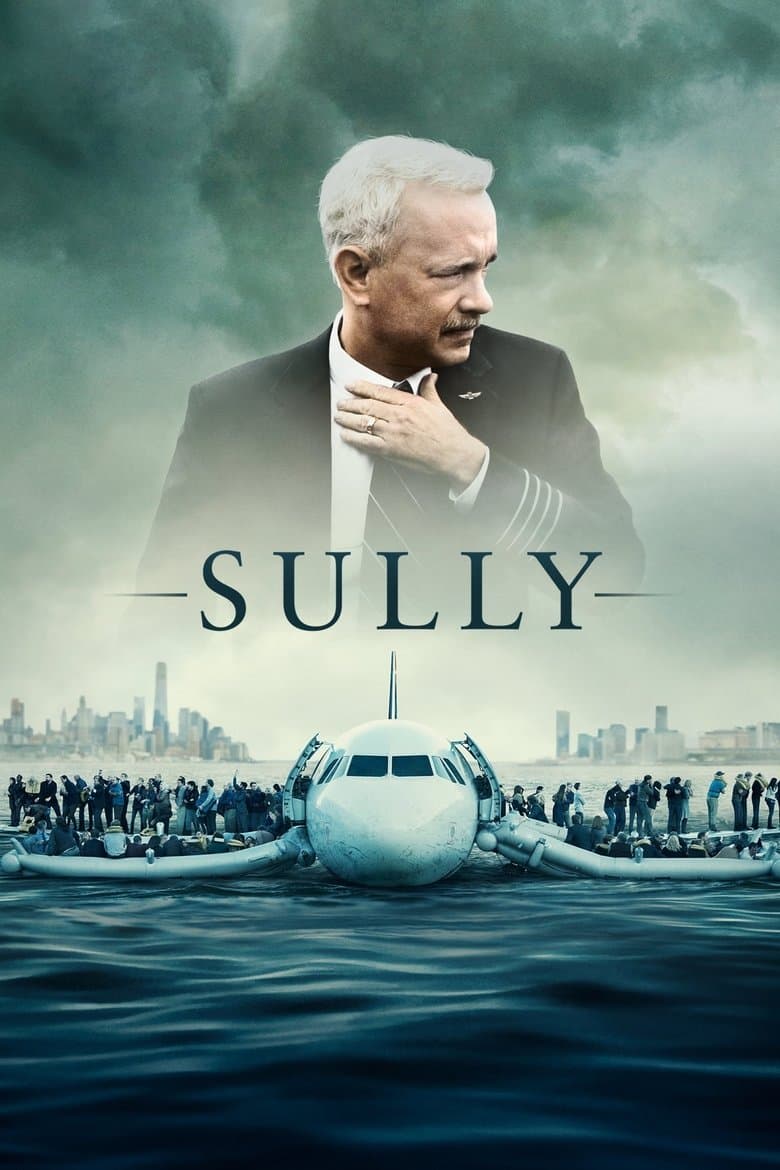
Movie · 2016
On 15 January 2009, the world witnessed the 'Miracle on the Hudson' when Captain 'Sully' Sullenberger glided his disabled plane onto the Hudson River, saving the lives of all 155…
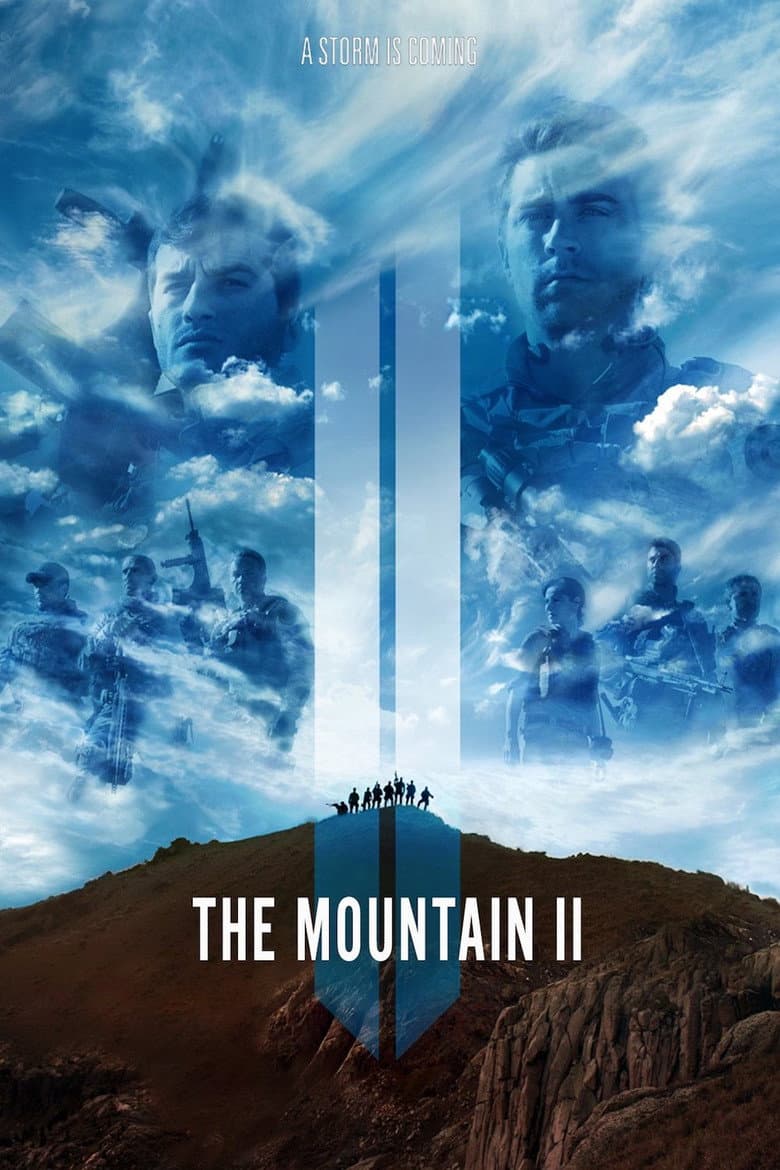
Movie · 2016
In a desolate war zone where screams of the innocent echo, on the very line between disaster and valor, 7 Maroon Berets will dance with death.
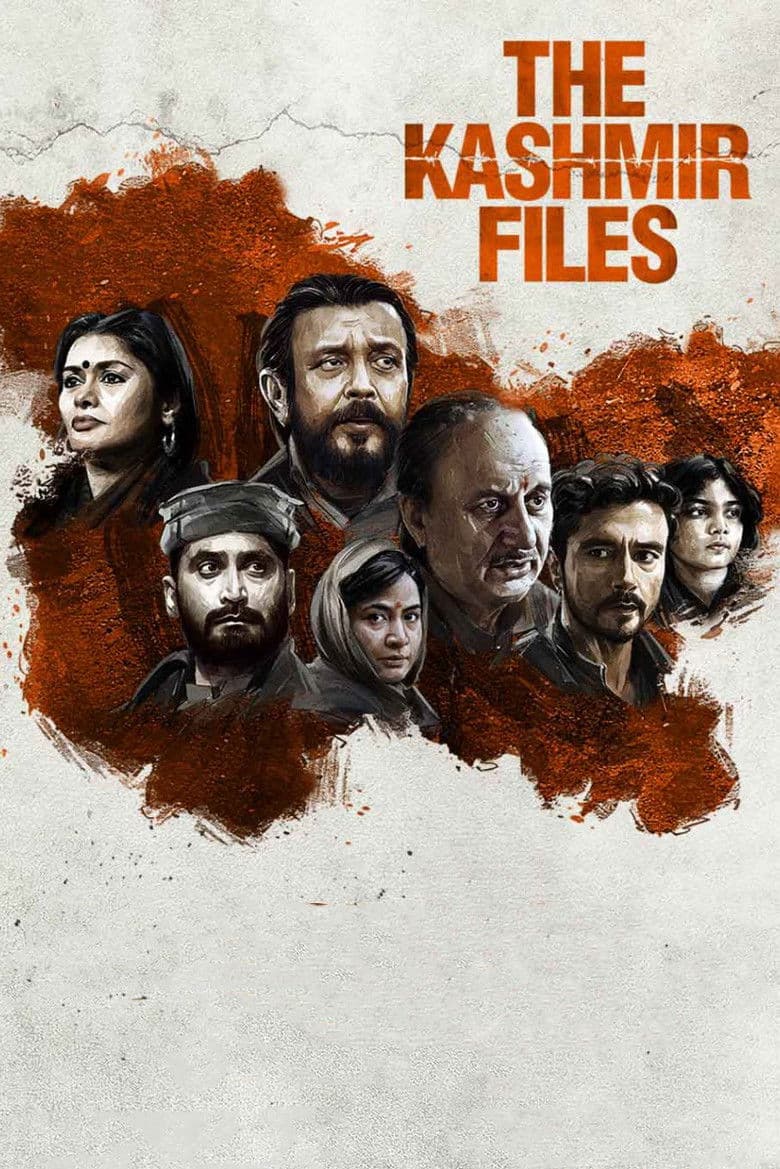
Movie · 2022
Based on a true tragedy, the emotionally triggering film sheds light on the plight of Kashmiri Pandits (Hindus), a religious minority in the 1990s Kashmir valley, who were…
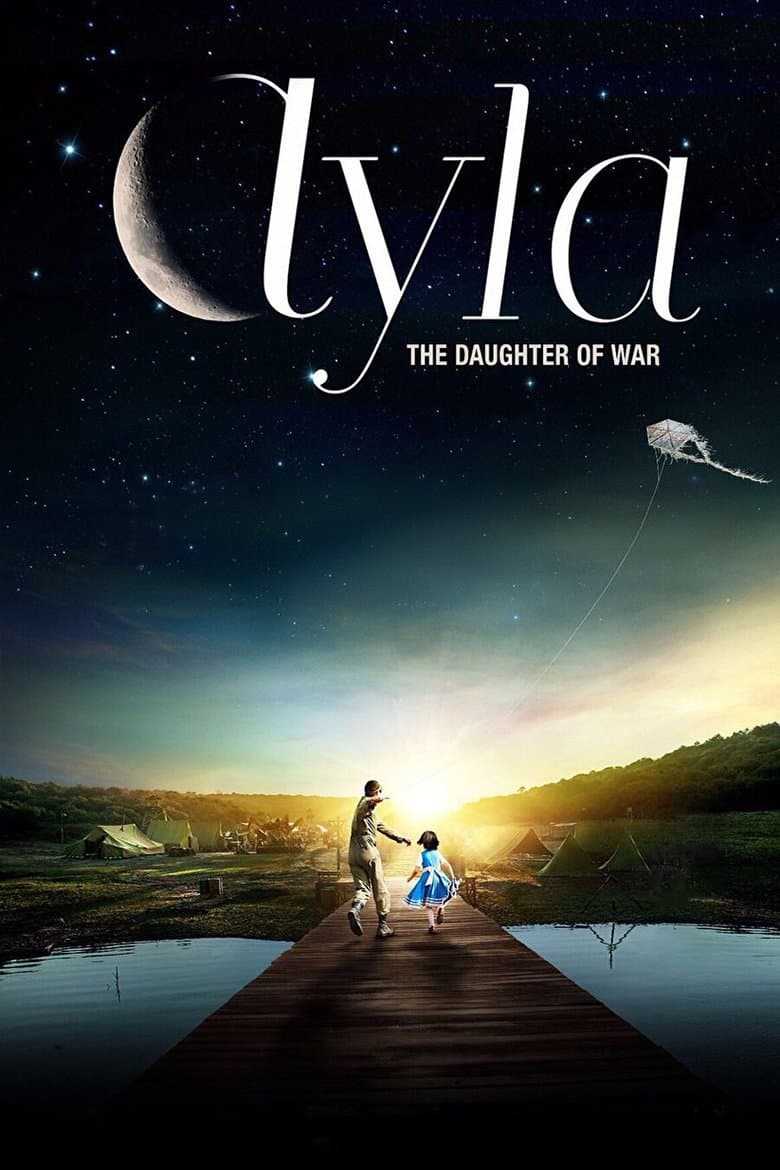
Movie · 2017
In 1950, amidst the ravages of the Korean War, Sergeant Süleyman stumbles upon a a half-frozen little girl, with no parents and no help in sight and he risks his own life to save…
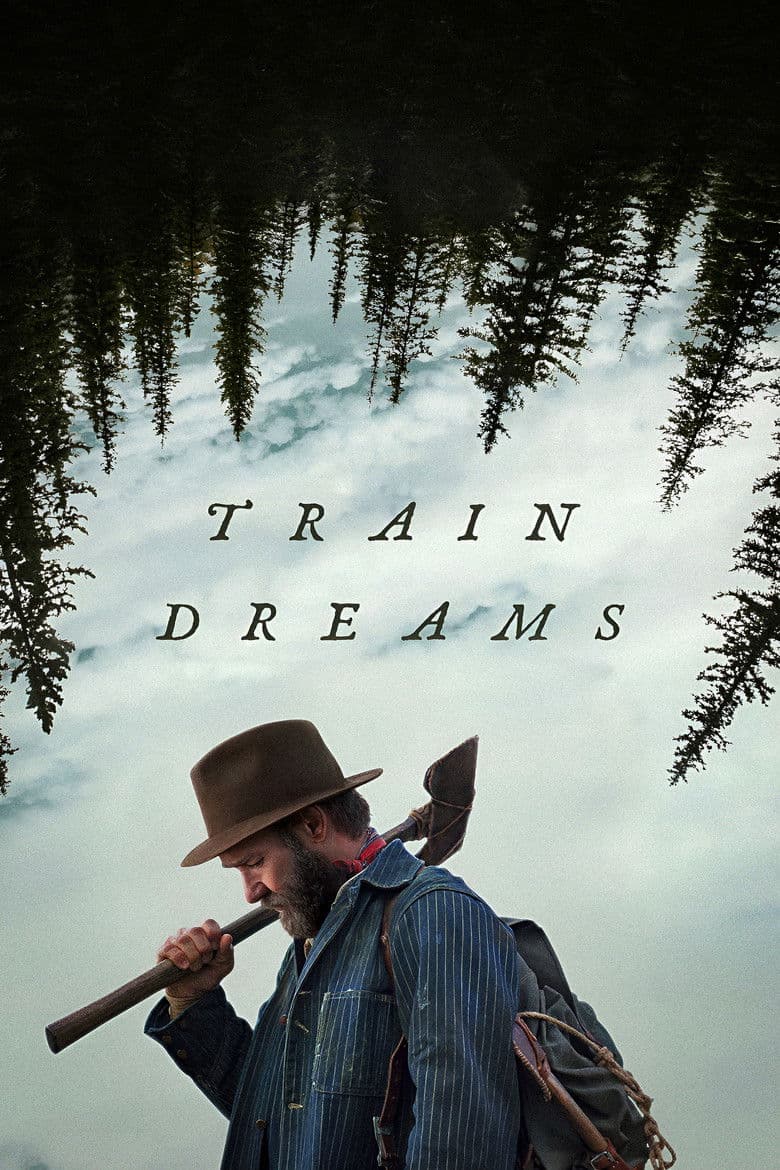
Movie · 2025
A logger leads a life of quiet grace as he experiences love and loss during an era of monumental change in early 20th-century America.
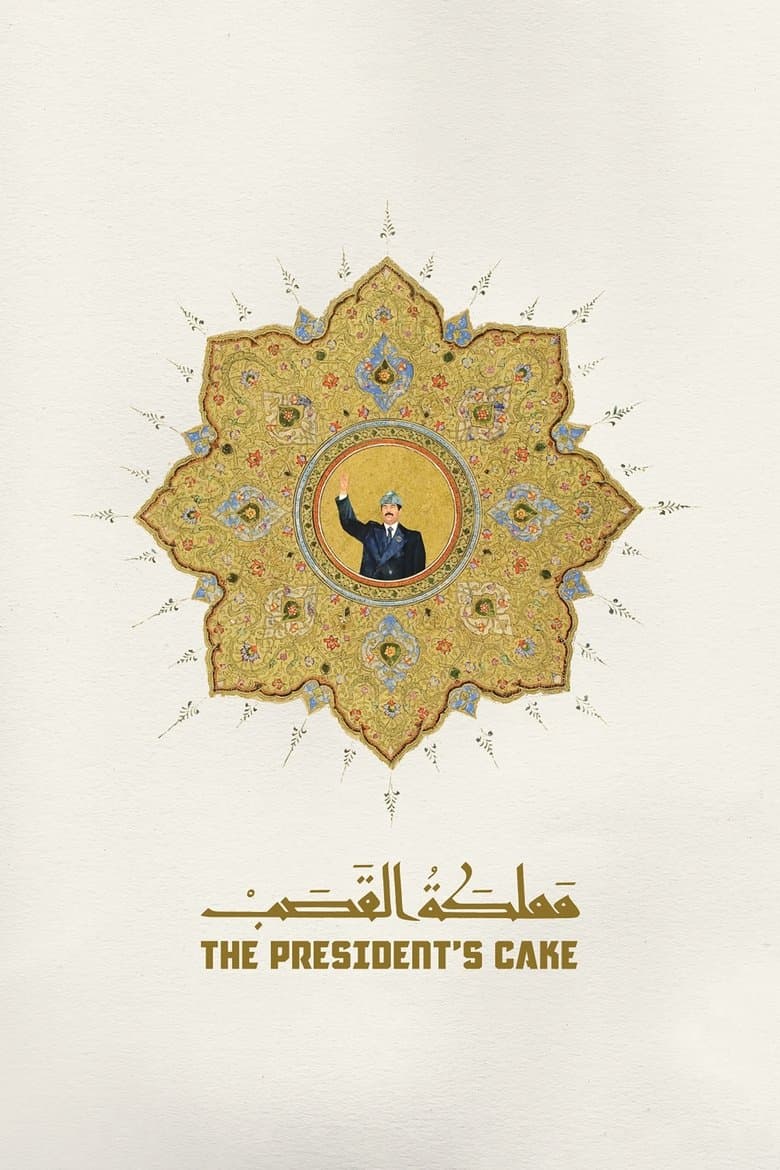
Movie · 2026
While people across 1990s Iraq struggle to survive the war and food shortages, Saddam Hussein requires each school in the country to prepare a cake to celebrate his birthday.
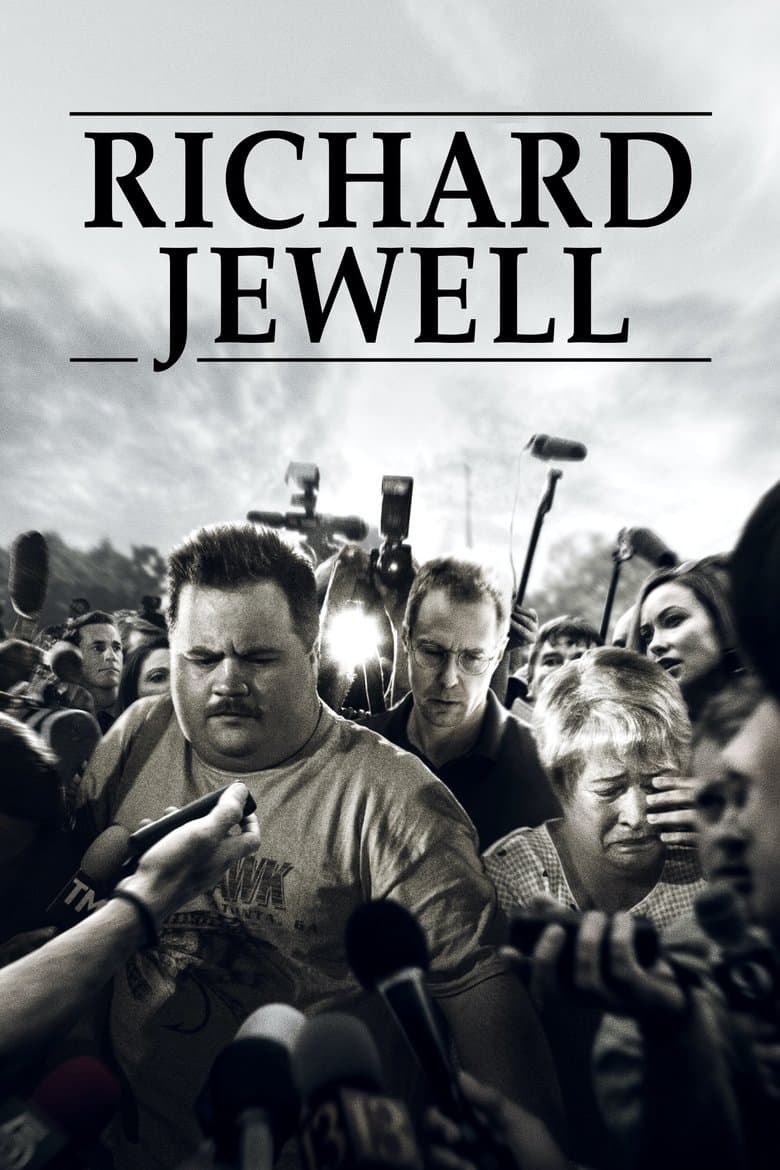
Movie · 2019
Richard Jewell thinks quick, works fast, and saves hundreds, perhaps thousands, of lives after a domestic terrorist plants several pipe bombs and they explode during a concert…
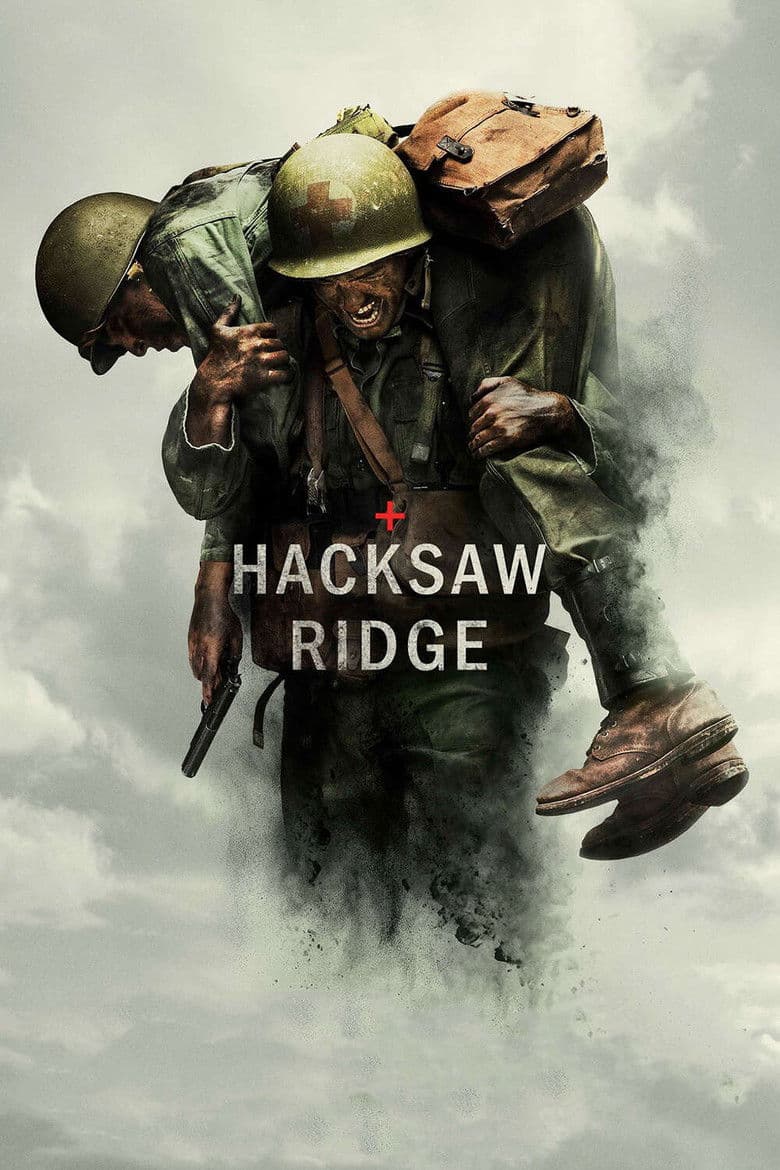
Movie · 2016
WWII American Army Medic Desmond T. Doss, who served during the Battle of Okinawa, refuses to kill people and becomes the first Conscientious Objector in American history to…
