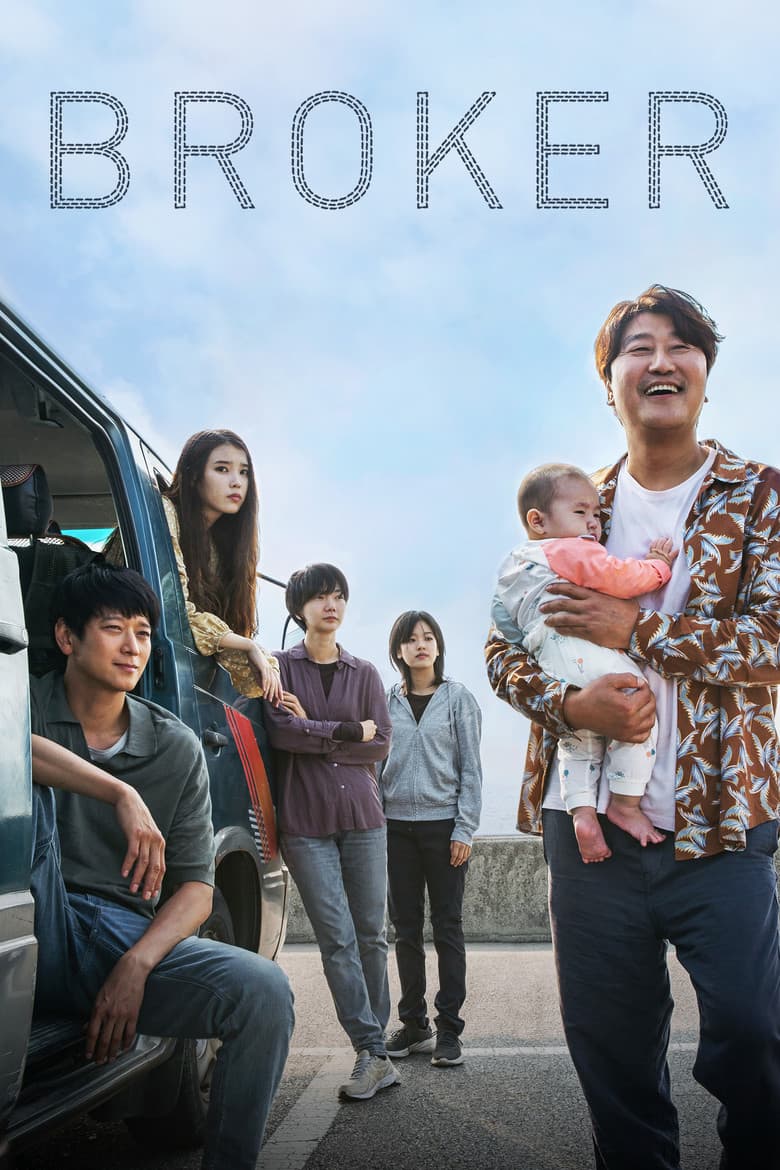
Broker is a South Korean drama about Sang-hyeon, a debt-ridden laundry owner who secretly takes babies from a church baby box and sells them to couples seeking adoption. His partner Dong-soo grew up in an orphanage and believes the children should reach homes that can care for them. After So-young leaves her infant and returns the next day, she joins the men on a trip to meet possible parents. Two detectives follow the group, while gangsters and a murder investigation add danger. The film moves between crime, road trip humor, and sad family drama.
The story makes found family its main idea. It asks whether people who are not related by blood can still protect and love one another. The film gives sympathy to a single mother, abandoned children, poor adults, and even criminals, while showing the harm caused by poverty and a hard adoption system. The group slowly becomes a family as the adults face guilt, parenthood, and the need to belong. The emotional message is that care and responsibility can matter more than legal ties or a perfect family.
Community feedback
Was our 31% Woke rating accurate?
Breakdown
These are the editorial factors and ratings behind our score for Broker.
Woke representation / casting
Not present. The main cast is Korean and the story takes place in South Korea. The film does not make ethnicity, gender, religion, disability, or sexuality a casting message.
0%
Woke political dialogue
Not present. The dialogue discusses baby boxes, adoption rules, family, guilt, and care. The movie has no clear modern identity, DEI, gender-activist, or party-political speech.
0%
Identity-driven story themes
The story follows a single mother, an orphan, and two criminals who form a family while trying to place a baby. The film asks viewers to value care and responsibility even when family ties are not based on blood or law. The film gives sympathy to people facing poverty, abandonment, single parenthood, and sex work. The message shapes the whole road journey, but it stays personal and emotional instead of becoming a direct identity-politics campaign.
37%
Western institutional / cultural critique
The film presents legal adoption as slow and difficult for some adults who want a child. The orphanage is shown as a place where abandoned children may face a hard future. The brokers use these problems to defend their illegal trade, while the police still treat the trade as a crime. The story questions how institutions handle abandoned babies, but it does not ridicule Christianity or traditional family life.
18%
Woke character or canon changes
Not relevant. The movie is an original story rather than an adaptation with established characters or a real historical cast. No identity-based rewrite of a known character or event occurs.
0%
Anti-woke backlash and complaints
Not present. Audience and news discussion focused on the baby-box issue, family themes, pacing, and the ending. No sustained complaint that the movie pushes woke, DEI, or identity-politics messaging was found.
0%
Creator track record context
Hirokazu Kore-eda has a stored 51/100 creator score and often tells stories about children, poverty, neglect, social exclusion, and families outside normal legal ties. His work shows a steady social concern, but it usually avoids party politics and direct activist speeches. Miky Lee has a stored 38/100 score and recent support for underrepresented creators. Lee Eugene and Kang Ho-sung have stored scores of 0 and 12, with no known identity-driven public profile.
40%
Production
Movie · 2025
Diagnosed with Tourette Syndrome at 15, John Davidson navigates his way against the odds through troubled teenage years and into adulthood, finding inspiration in the kindness of…
Movie · 2016
WWII American Army Medic Desmond T. Doss, who served during the Battle of Okinawa, refuses to kill people and becomes the first Conscientious Objector in American history to…

Movie · 2023
The true story of the inseparable Von Erich brothers, who made history in the intensely competitive world of professional wrestling in the early 1980s.
Movie · 2026
While people across 1990s Iraq struggle to survive the war and food shortages, Saddam Hussein requires each school in the country to prepare a cake to celebrate his birthday.

Movie · 2024
On the brink of the Second World War, a young Norwegian man's drive to resist the Nazis sets a new course for his future – and the future of his country.

Movie · 2023
The story of J. Robert Oppenheimer's role in the development of the atomic bomb during World War II.
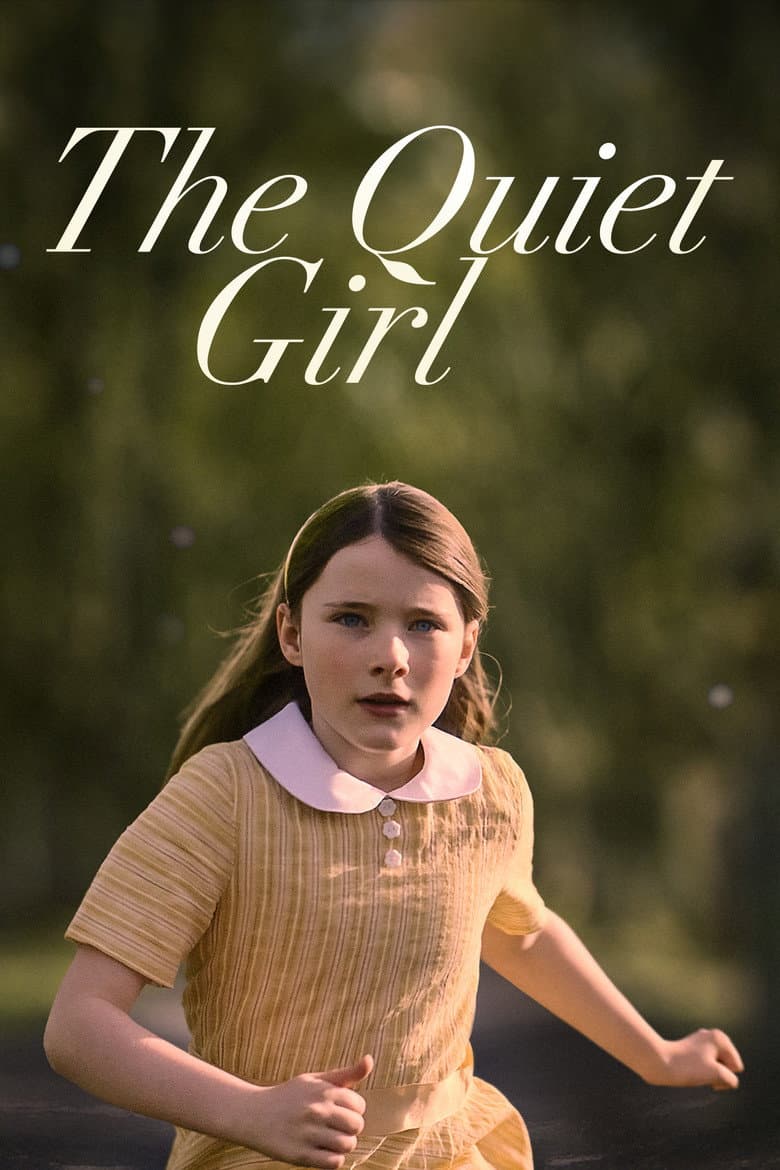
Movie · 2022
A quiet, neglected girl is sent away from her dysfunctional family to live with relatives for the summer. She blossoms in their care, but in this house where there are meant to be…
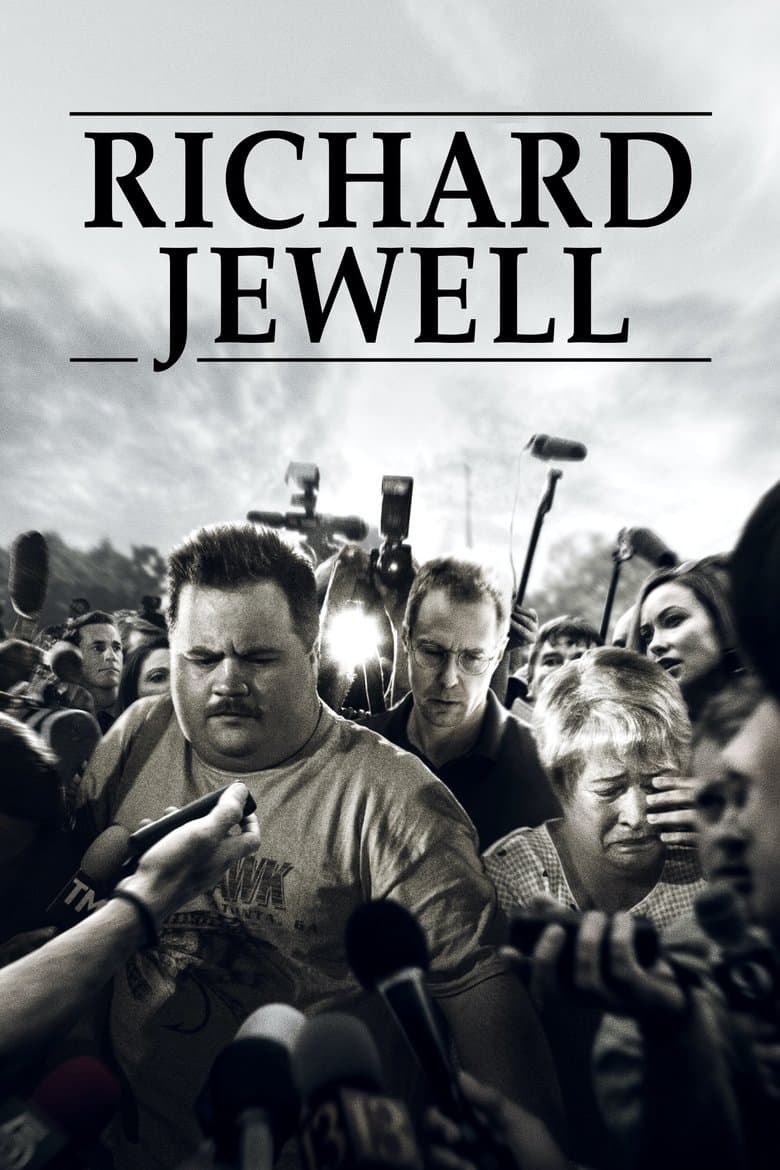
Movie · 2019
Richard Jewell thinks quick, works fast, and saves hundreds, perhaps thousands, of lives after a domestic terrorist plants several pipe bombs and they explode during a concert…
