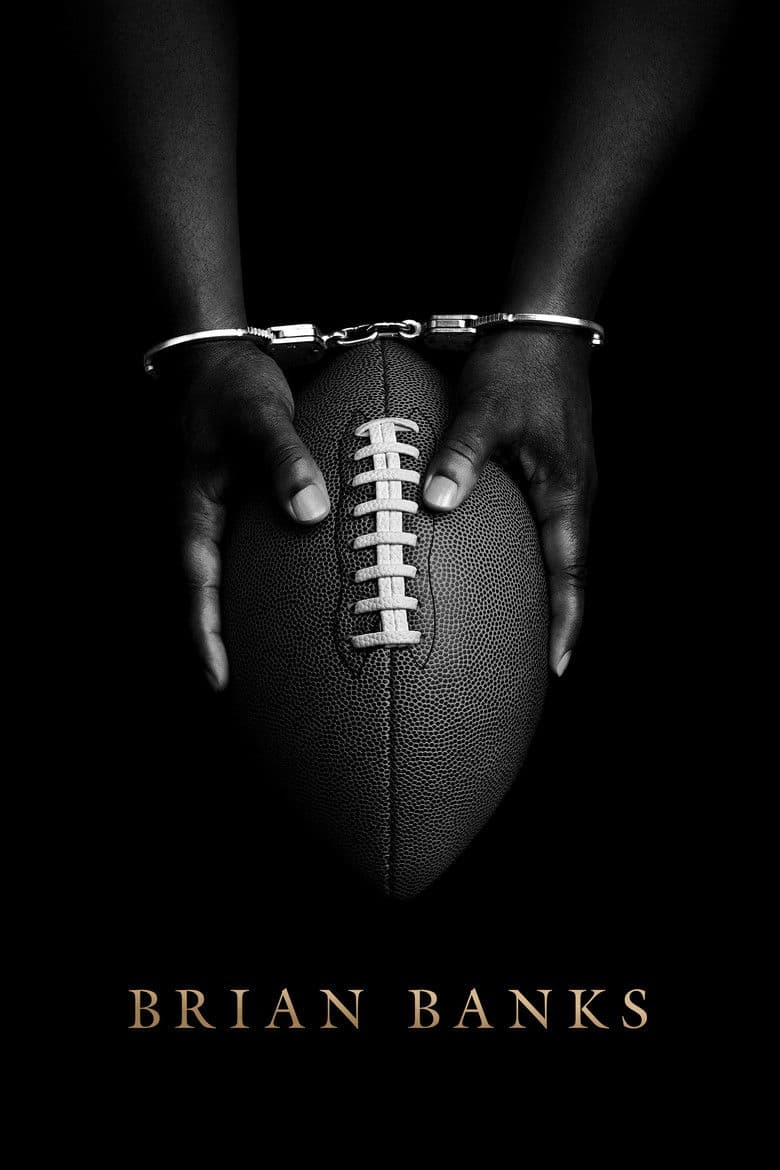
Brian Banks is a gifted high school football player in Long Beach, California. A classmate falsely accuses him of rape, and a rushed plea deal sends him to prison. Years later, Brian lives under strict parole rules and struggles to work, play football, and clear his name. He gets help from the California Innocence Project and fights to return to the life he lost. The drama is serious, hopeful, and built around persistence.
The film makes race part of Brian's legal battle. His lawyer warns that an all-white jury may see only a large black teenager, and the story links his case to unfair treatment inside the justice system. The movie also presents police, courts, prisons, and parole rules as a broken system that can destroy a person's future. These identity and institutional messages are important to the main plot, but the film does not center on gender politics, queer themes, or a diversity-focused group of characters.
Community feedback
Was our 50% Woke rating accurate?
Breakdown
These are the editorial factors and ratings behind our score for Brian Banks.
Woke representation / casting
Not present. The cast follows the real people in the story, including Brian, his family, the accuser, and the lawyers. The movie does not build a forced mix of identities or use casting as a broad diversity message.
0%
Woke political dialogue
Brian's lawyer says an all-white jury may convict him because he is a big black teenager. Brian then calls the system broken and curses it during his fight for a new hearing. The film links Brian's treatment to race and unfair court decisions. These lines appear in a few key scenes rather than throughout the film.
32%
Identity-driven story themes
The film makes Brian's identity as a black teenager central to the legal conflict. His lawyer says an all-white jury will see a large black teenager and find him guilty, and that fear shapes his plea. Brian's love interest, Karina, is also shown as a sexual-assault survivor whose school did not help her. The story links these cases to a justice system that can ignore people, so the identity-driven theme is central.
50%
Western institutional / cultural critique
The film repeatedly calls the criminal justice system broken. Police, lawyers, judges, prison rules, sex-offender registration, and parole controls keep blocking Brian even after the facts favor him. The story treats these institutions as able to ruin a young man's future through haste and indifference. The critique is aimed at courts and prisons, not at Christianity, family life, or ordinary Western culture.
44%
Woke character or canon changes
Not relevant. The film changes the accuser's name and adds some story details, but it does not change the race, gender, or identity of a real person to make an ideological point. It presents Brian Banks and Justin Brooks as the real people involved.
0%
Anti-woke backlash and complaints
Some men's-rights viewers objected that the film presents police, judges, and the justice system as bad while avoiding a wider discussion of false accusations. Other posts called it an anti-#MeToo movie or said studios avoid stories that question “believe all women.” The reaction was small and fringe. The supplied X pass found no named complaints.
18%
Creator track record context
Doug Atchison's earlier work often deals with race, class, and unfair institutions. Tom Shadyac has a milder humanitarian record, and he described this story as reflecting injustice in communities of color. Producer Tirrell D. Whittley has a professional focus on multicultural audiences. The wider team has little public evidence of a strong DEI or identity-politics campaign.
28%
Production
Movie · 2016
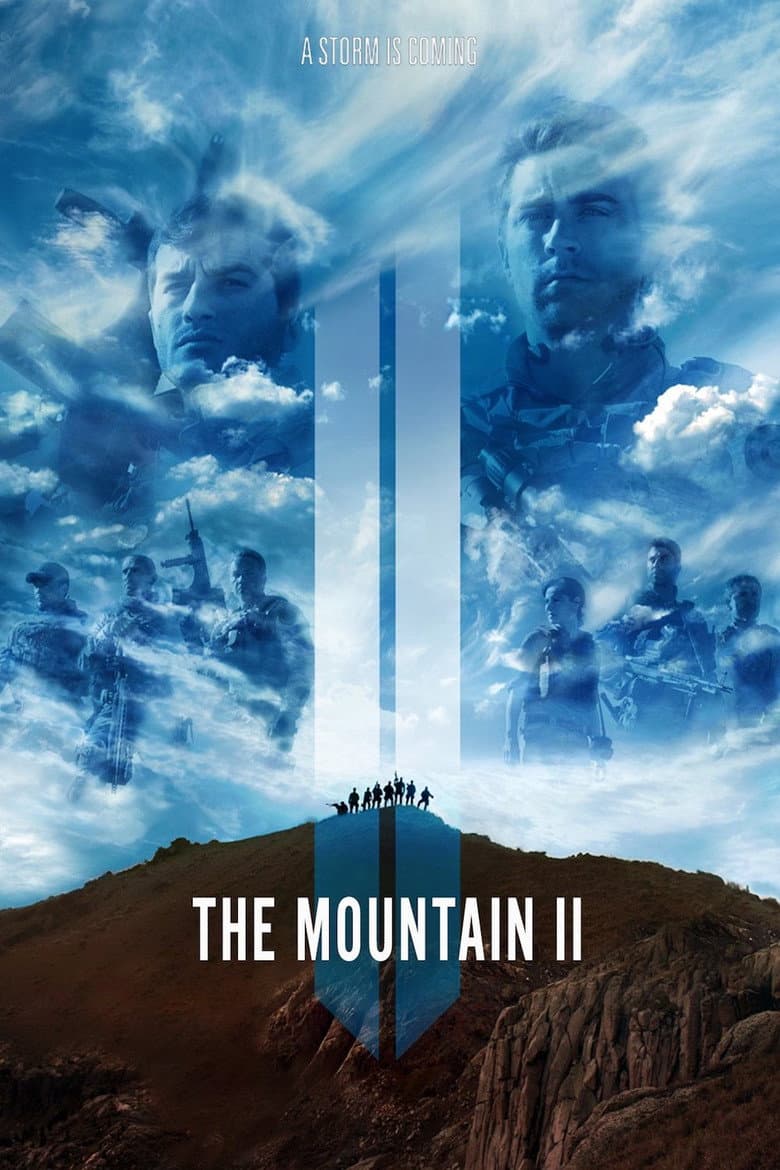
In a desolate war zone where screams of the innocent echo, on the very line between disaster and valor, 7 Maroon Berets will dance with death.
Movie · 2026
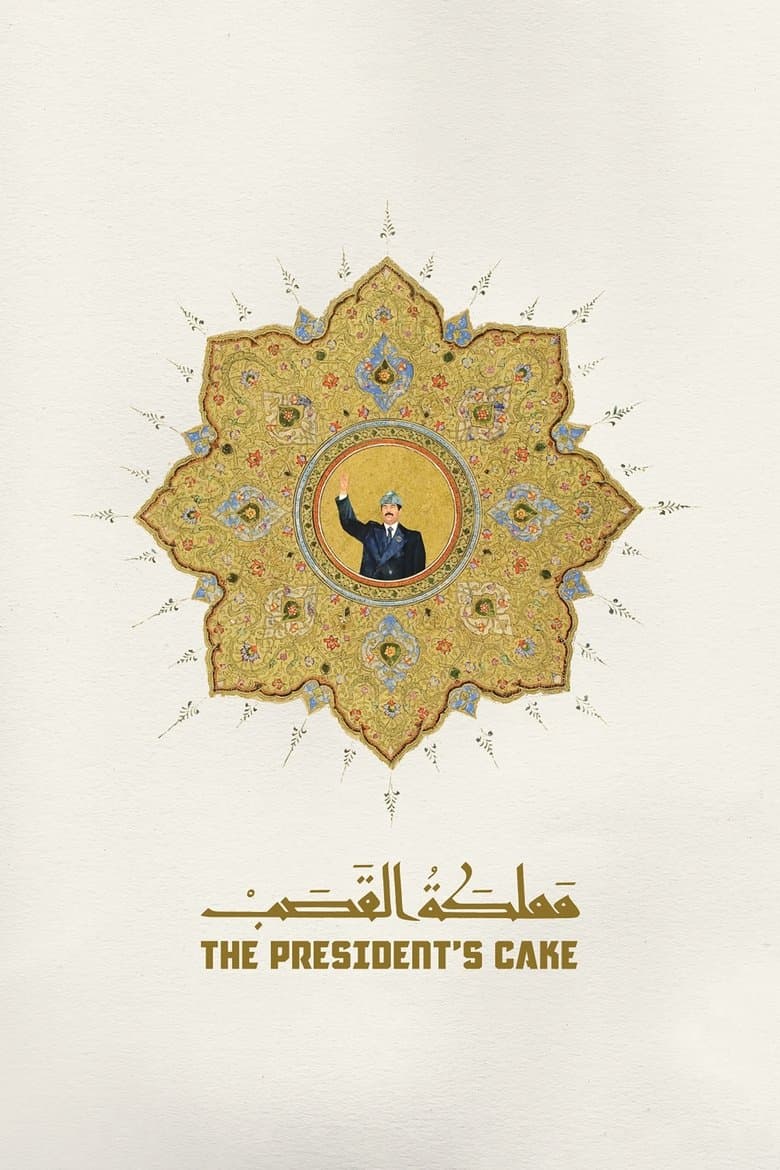
While people across 1990s Iraq struggle to survive the war and food shortages, Saddam Hussein requires each school in the country to prepare a cake to celebrate his birthday.
Movie · 2016
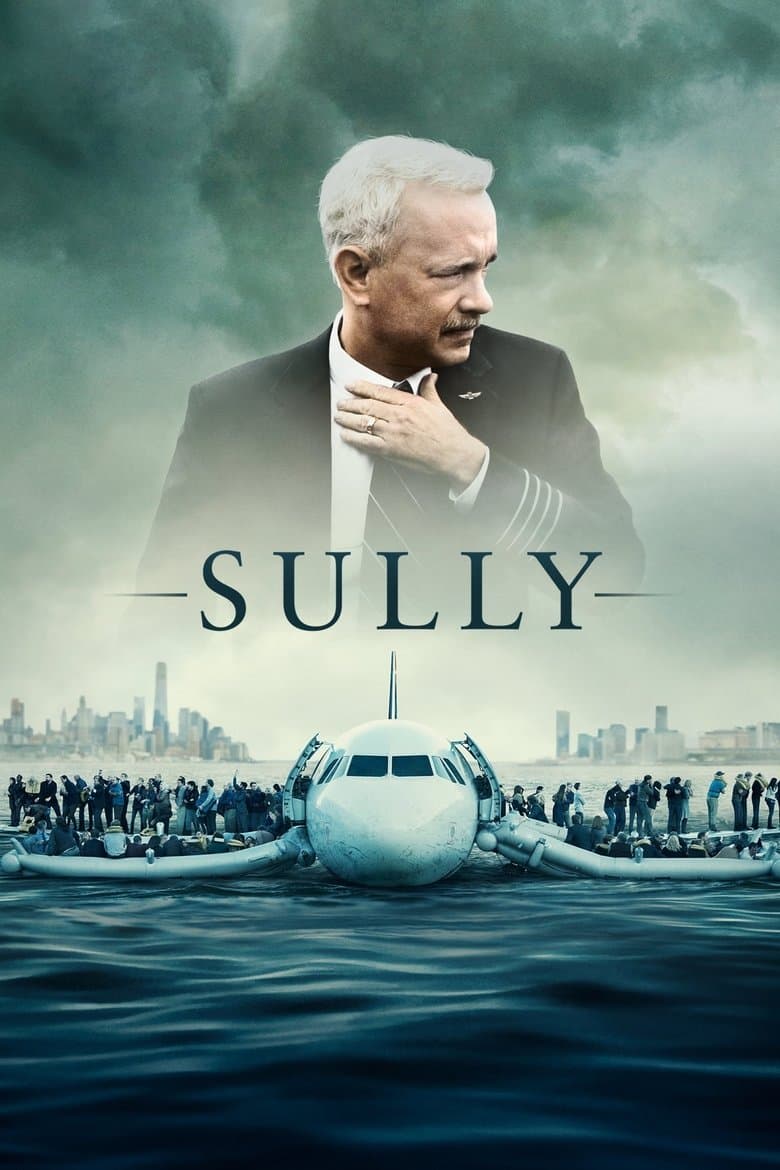
On 15 January 2009, the world witnessed the 'Miracle on the Hudson' when Captain 'Sully' Sullenberger glided his disabled plane onto the Hudson River, saving the lives of all 155…
Movie · 2017
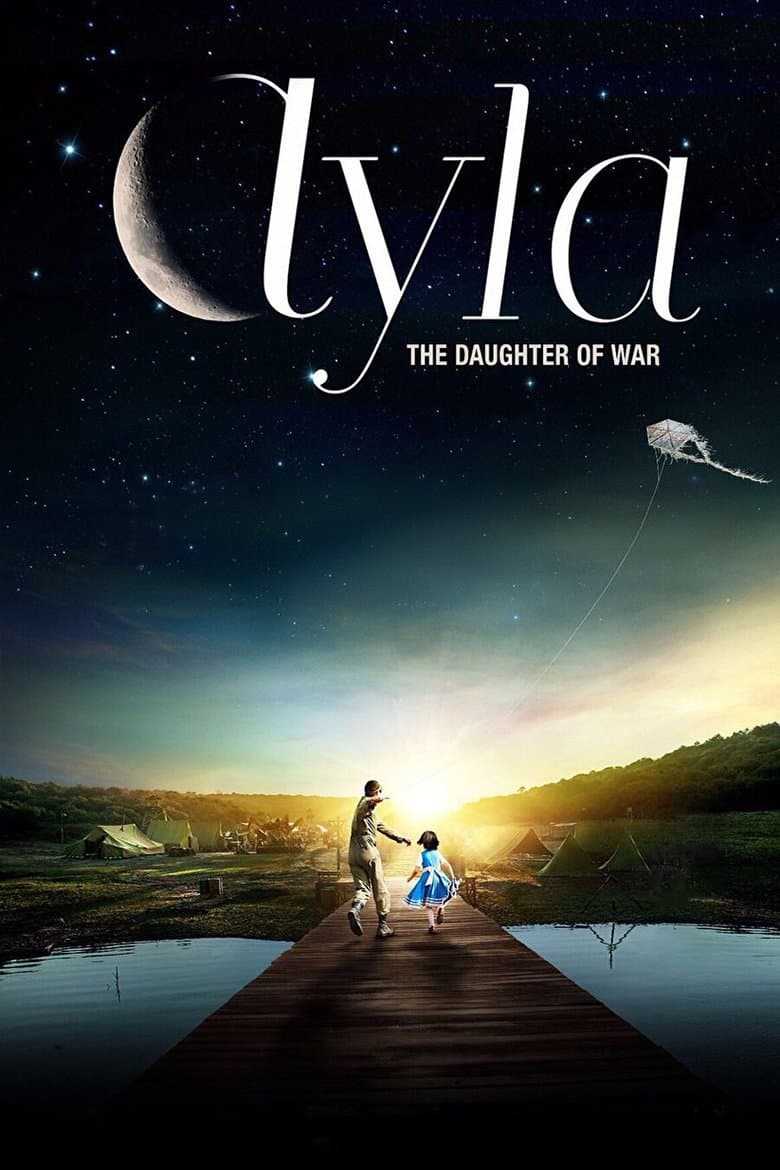
In 1950, amidst the ravages of the Korean War, Sergeant Süleyman stumbles upon a a half-frozen little girl, with no parents and no help in sight and he risks his own life to save…
Movie · 2025
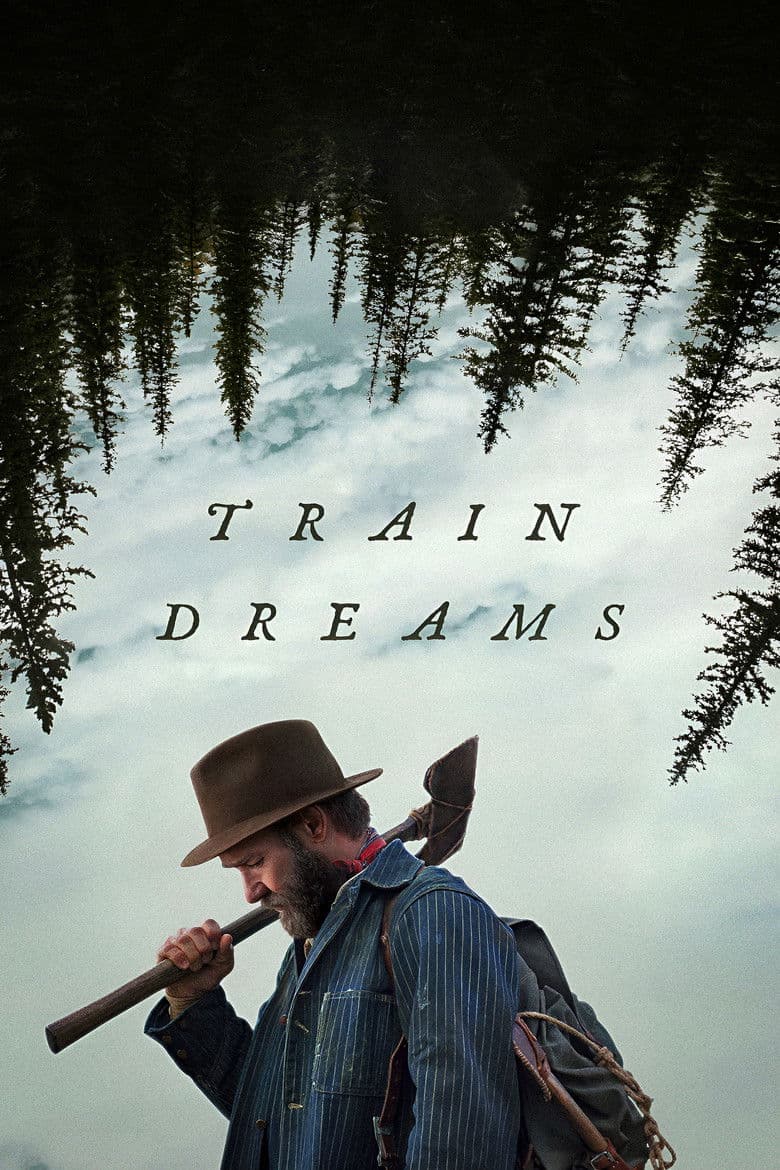
A logger leads a life of quiet grace as he experiences love and loss during an era of monumental change in early 20th-century America.
Movie · 2020
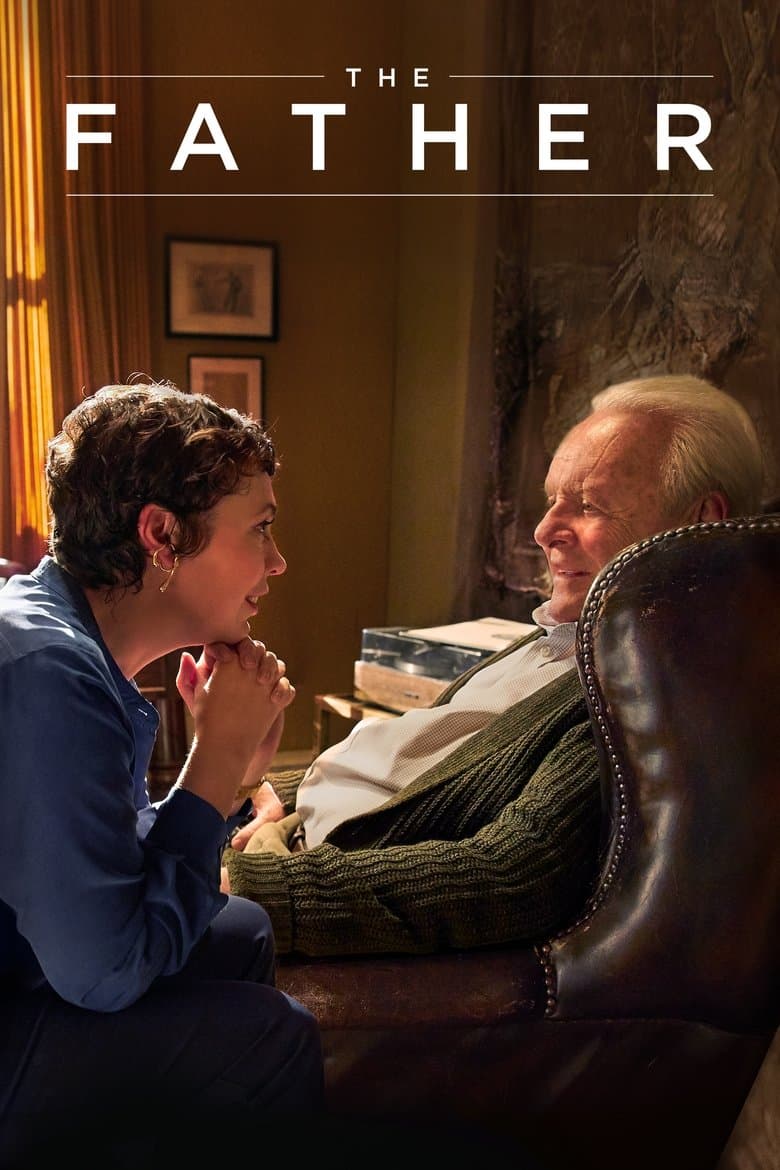
A man refuses all assistance from his daughter as he ages and, as he tries to make sense of his changing circumstances, he begins to doubt his loved ones, his own mind and even…

Movie · 2022
A quiet, neglected girl is sent away from her dysfunctional family to live with relatives for the summer. She blossoms in their care, but in this house where there are meant to be…
Movie · 2016
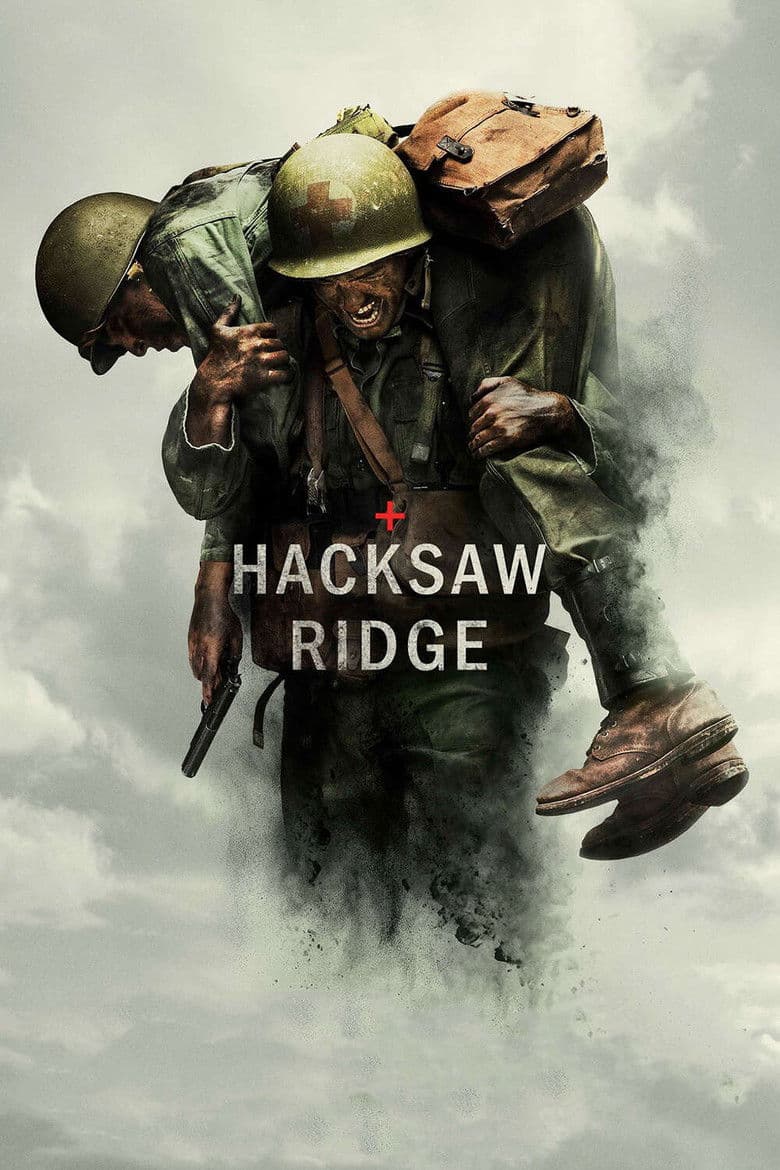
WWII American Army Medic Desmond T. Doss, who served during the Battle of Okinawa, refuses to kill people and becomes the first Conscientious Objector in American history to…
