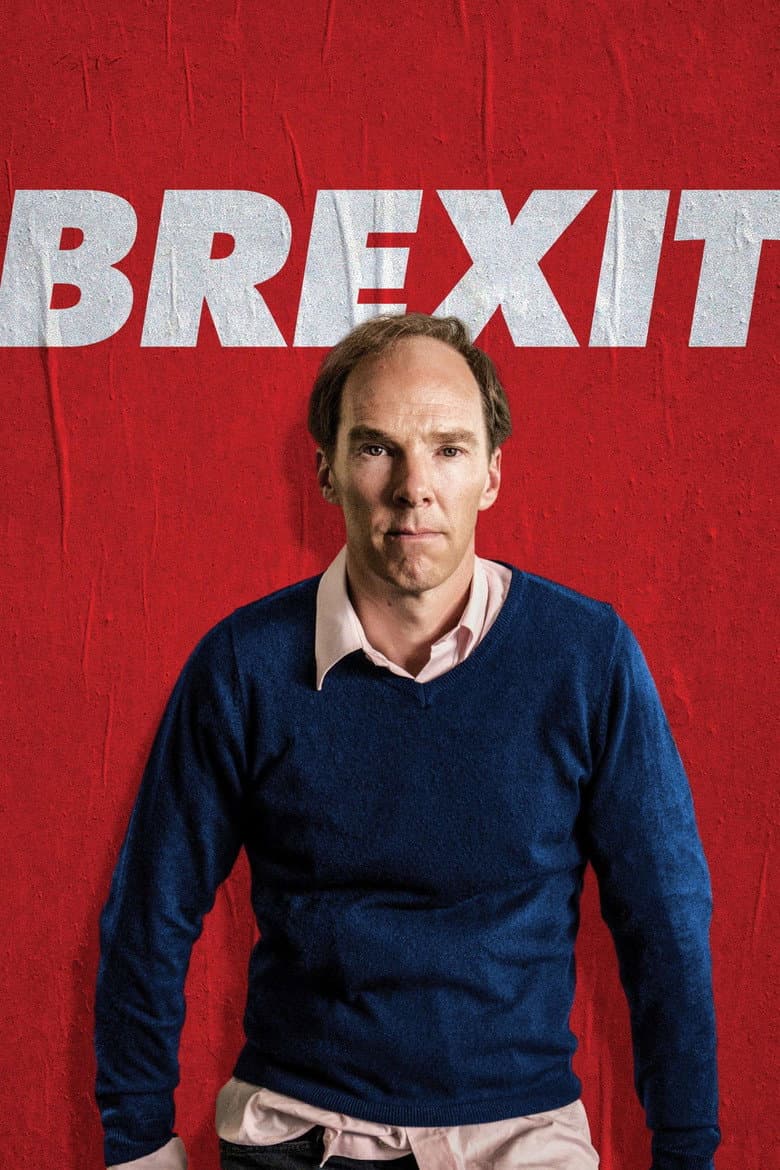
Dominic Cummings is a clever but difficult political strategist who joins the Vote Leave campaign in Britain. He wants voters to choose to leave the European Union, while the Remain team tries to keep the country inside it. The story follows the campaign from 2015 through the 2016 vote, moving between offices, public events, voter groups, and homes across Britain. The tone is fast, tense, funny, and often uneasy because the film treats politics like a high-stakes battle.
The film shows Cummings using voter data, online ads, slogans, and feelings about immigration and control to reach people who distrust Westminster. It gives close attention to the Leave team's skill at finding and using public anger, while it shows the Remain team struggling to tell a clear story. The story asks whether voters were persuaded by facts, fear, anger, or a strong campaign message. It ends as a warning about data, political power, and the way a divided country can be pushed toward a simple choice.
Community feedback
Was our 39% Woke rating accurate?
Breakdown
These are the editorial factors and ratings behind our score for Brexit: The Uncivil War.
Woke representation / casting
Not present. The film uses a normal modern British mix of people in its voter group. It does not make identity casting or female empowerment a visible part of the story.
0%
Woke political dialogue
The campaigners repeatedly discuss immigration, race, outsiders, and fear of being called racist. A focus-group argument says that concern about people with a different skin color or accent is racism. The Remain side later calls the campaign a source of fear, hate, and a toxic culture. These scenes are important, but most dialogue covers Europe, votes, data, and campaign tactics.
30%
Identity-driven story themes
The story treats immigration and national identity as major emotional fuel behind the Leave campaign. The film shows messages about immigrants and race being turned into votes. A working-class voter is given a long scene about feeling ignored and being called racist. The theme matters to the campaign, but the larger story remains about data, political power, and Brexit strategy.
34%
Western institutional / cultural critique
Cummings repeatedly calls Westminster broken and wants to rebuild it. The film shows old political leaders, experts, and traditional campaigns as out of touch with voters. The final argument warns that damaged trust in authority and facts has created a toxic political culture. The critique is aimed at political institutions and campaign methods, not at family, Christianity, or gender roles.
29%
Woke character or canon changes
Not relevant. The film changes real events by compressing time and combining meetings. It keeps the central real people in their original roles and has no confirmed race, sex, or sexuality change.
0%
Anti-woke backlash and complaints
Right-leaning writers called the film pro-Remain or pro-EU propaganda. Some audience reviewers said it vilified conservatism and turned a complex vote into a story about manipulation. The separate X check found no anti-woke posts or specific complaints. The reaction was real but small, and most public debate focused on balance, accuracy, and whether the drama was too sympathetic to Cummings.
24%
Creator track record context
James Graham's past work often covers politics, media, class, and power, and he has spoken for wider access and diversity in the arts. The supplied background does not identify Toby Haynes or most producers as activists. Nina Gold is known for valuing diverse casting, but this film does not market its cast as a diversity statement. The context gives a mild supporting signal because the film itself stays focused on Brexit strategy.
25%
Production
Movie · 2025
Diagnosed with Tourette Syndrome at 15, John Davidson navigates his way against the odds through troubled teenage years and into adulthood, finding inspiration in the kindness of…
Movie · 2023
The story of J. Robert Oppenheimer's role in the development of the atomic bomb during World War II.
Movie · 2016
In a desolate war zone where screams of the innocent echo, on the very line between disaster and valor, 7 Maroon Berets will dance with death.
Movie · 2024
On the brink of the Second World War, a young Norwegian man's drive to resist the Nazis sets a new course for his future – and the future of his country.

Movie · 2023
The true story of the inseparable Von Erich brothers, who made history in the intensely competitive world of professional wrestling in the early 1980s.

Movie · 2017
In 1950, amidst the ravages of the Korean War, Sergeant Süleyman stumbles upon a a half-frozen little girl, with no parents and no help in sight and he risks his own life to save…

Movie · 2023
American ballet dancer Joy Womack is accepted into Moscow's infamously tough Bolshoi Ballet Academy, with the dream of becoming a great ballerina.
Movie · 2016
WWII American Army Medic Desmond T. Doss, who served during the Battle of Okinawa, refuses to kill people and becomes the first Conscientious Objector in American history to…
