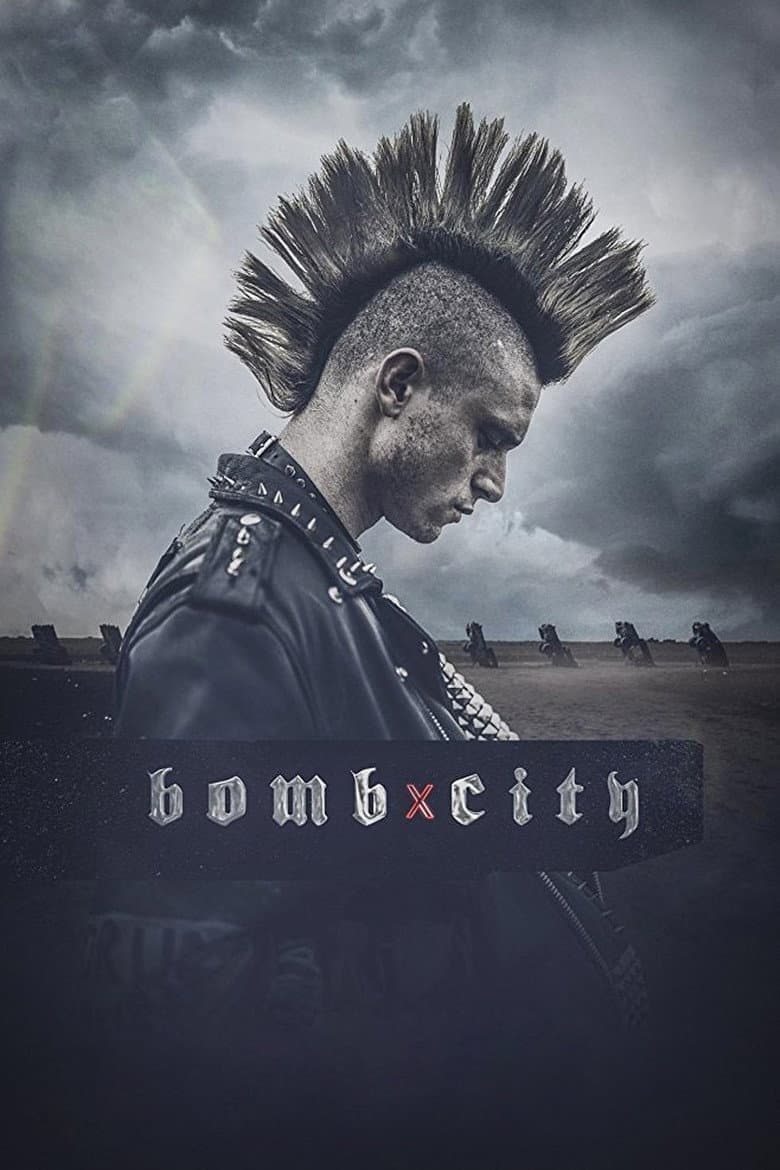
Brian Deneke is a 19-year-old punk musician who books shows and lives with other outsiders in Amarillo, Texas. In 1997, Brian and his friends clash with football players from a richer part of town who mock their clothes, music, and way of life. The feud grows through fights, police raids, and threats before Cody Cates hits Brian with a car. The movie then follows the trial, where Brian’s punk image becomes part of the case against him. The tone is dark, angry, and tragic, with court scenes and a voice-over building a sense of doom.
The film makes punk identity and appearance the center of its message about prejudice and unfair treatment. It shows police treating the punk group more harshly than the football group after similar trouble. It shows the court using Brian’s clothes and music to make him look dangerous while Cody receives a light punishment. A Marilyn Manson voice-over blames American culture and violence for shaping angry young men. These ideas run through the story and support a broad call for tolerance, but the film stays tied to one real Texas case instead of a current race, gender, or sexuality campaign.
Community feedback
Was our 45% Woke rating accurate?
Breakdown
These are the editorial factors and ratings behind our score for Bomb City.
Woke representation / casting
Not present. The main cast matches the local 1990s setting, and the film does not frame casting as a diversity message.
0%
Woke political dialogue
Marilyn Manson gives a long voice-over about blame, violence, American culture, and angry white teenagers. The courtroom scenes question how clothes and social status affect punishment. The film repeats ideas about judging people by looks and protecting outsiders. The message is anti-establishment and political, but it is not a sustained speech about current DEI or race and gender politics.
37%
Identity-driven story themes
Brian and the punk group are treated as dangerous because of their clothes, music, and lifestyle. The story asks viewers to see the punks as people instead of judging their look. The police and school culture favor the football group, and the court gives Cody better treatment. Tolerance for outsiders becomes the film’s main moral message, although the story stays tied to one real subculture and case.
44%
Western institutional / cultural critique
The police raid the punk home and treat the group more harshly than football players after similar trouble. The courtroom uses Brian’s jacket and music to make him look dangerous. The light sentence presents justice as favoring a well-liked athlete over a punk victim. The closing voice-over widens blame to American culture and violence.
47%
Woke character or canon changes
Not relevant. The film changes some real names and compresses events, but it does not change anyone’s race, gender, sexuality, or hero role.
0%
Anti-woke backlash and complaints
Not present. The separate X pass found no anti-woke reaction. Other public reviews criticize the film as preachy or simplistic, but they do not clearly accuse it of pushing woke or identity politics.
0%
Creator track record context
Brooks and Chick have a mild record of social-justice themes through this film and their outsider-focused work. They describe Bomb City as a story about tolerance, empathy, police brutality, and the criminal justice system. Major Dodge and Libby Hunt have little or no documented woke or DEI record in the supplied context. The group does not show a broad, repeated identity-politics profile.
24%
Production
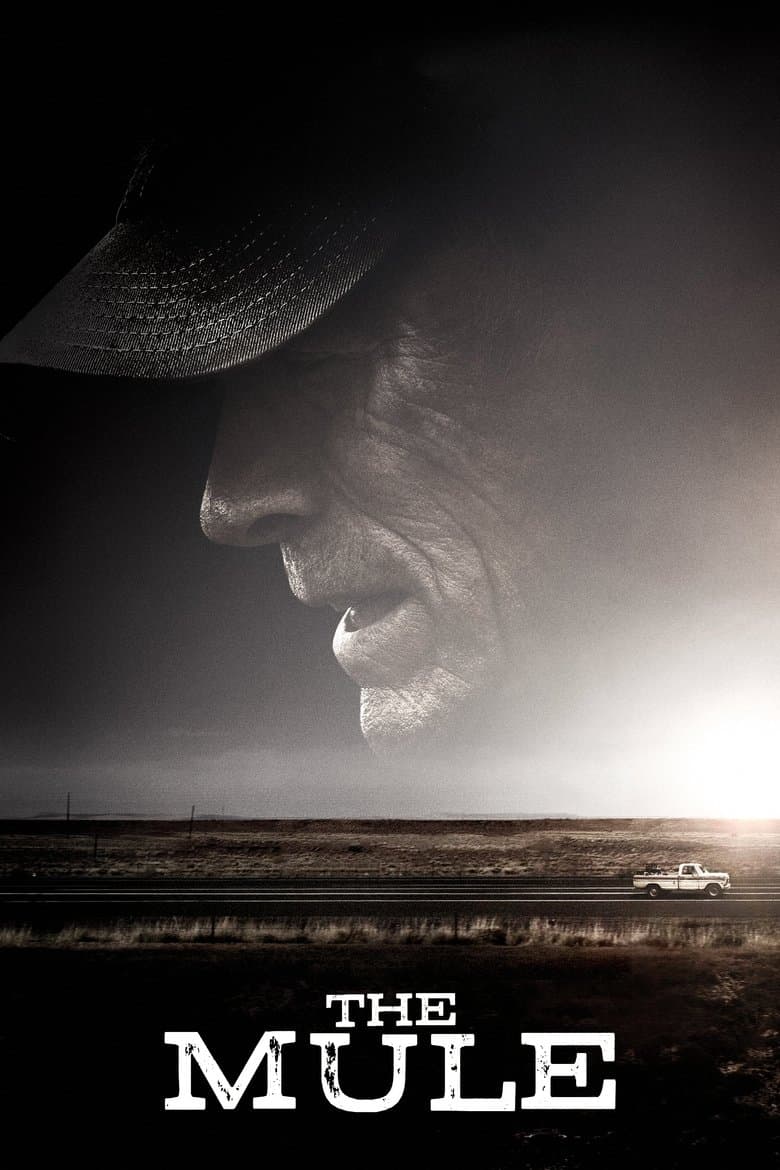
Movie · 2018
Earl Stone, a man in his eighties, is broke, alone, and facing foreclosure of his business when he is offered a job that simply requires him to drive.
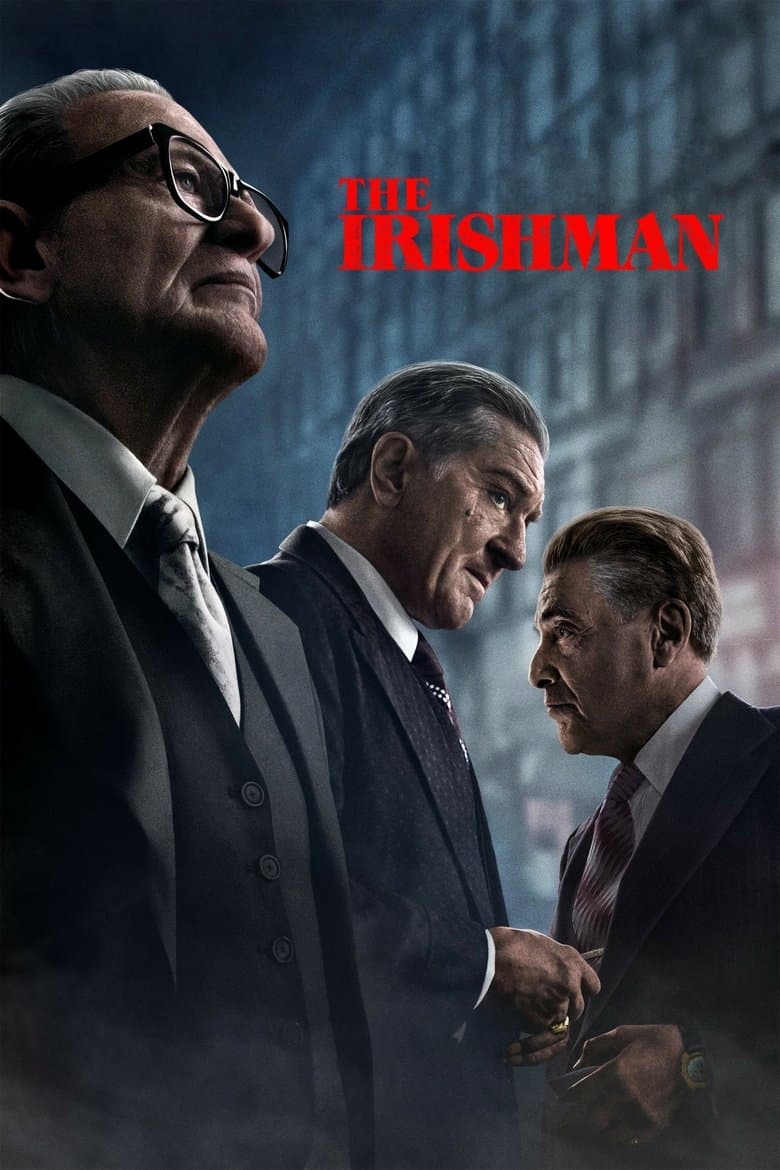
Movie · 2019
Pennsylvania, 1956. Frank Sheeran, a war veteran of Irish origin who works as a truck driver, accidentally meets mobster Russell Bufalino.
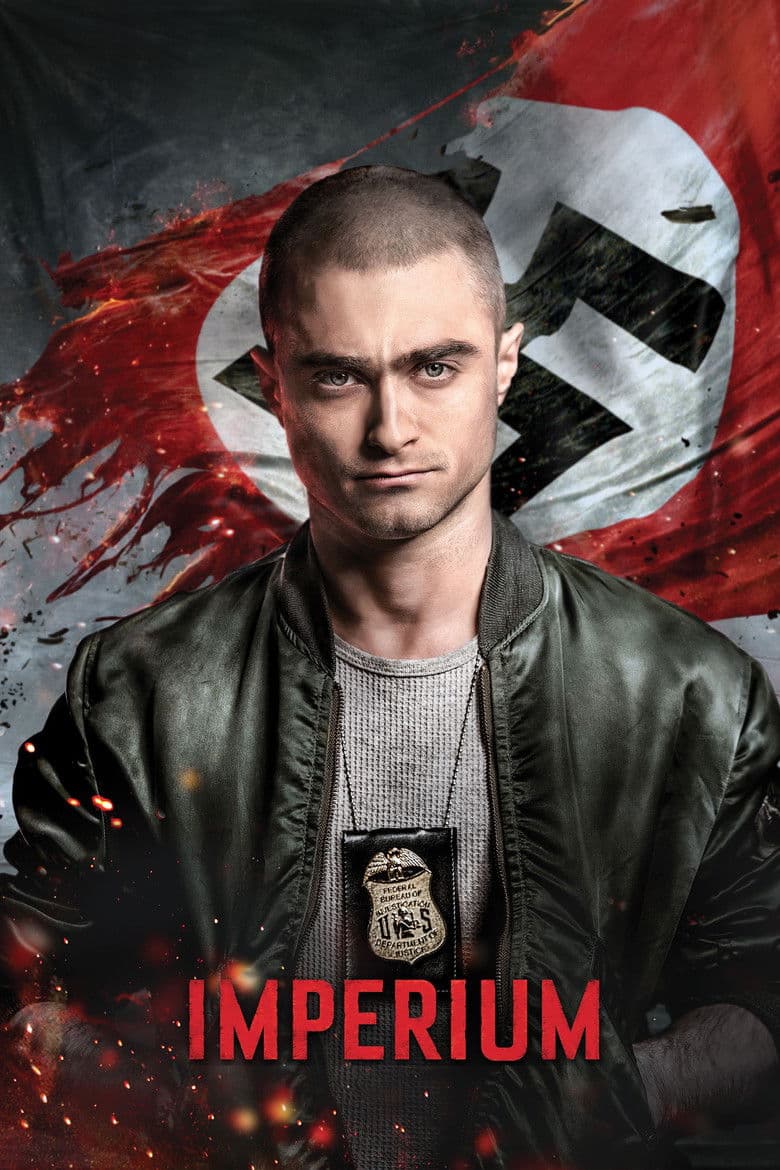
Movie · 2016
Nate Foster, a young, idealistic FBI agent, goes undercover to take down a radical white supremacy terrorist group.
Movie · 2017
A traumatized veteran, unafraid of violence, tracks down missing girls for a living. When a job spins out of control, his nightmares begin to overtake him, and a conspiracy is…
Movie · 2021
When the aging Meyer Lansky is investigated one last time by the Feds who suspect he has stashed away millions of dollars over half a century, the retired gangster spins a…
Movie · 2018
The amazing true story of Billy Moore, an English boxer incarcerated in Thailand’s most notorious prison. Thrown into a world of drugs and violence, he finds his best chance to…
Movie · 2017
A newly-released prison gangster is forced by the leaders of his gang to orchestrate a major crime with a brutal rival gang on the streets of Southern California.
Movie · 2016
Based on the true story of two young men, David Packouz and Efraim Diveroli, who won a $300 million contract from the Pentagon to arm America's allies in Afghanistan.
