
Shot Caller follows Jacob Harlon, a successful California stockbroker and family man who causes a fatal drunk driving crash and is sent to prison. To survive inside, he joins a white-supremacist prison gang and hardens into a ruthless figure called Money. He cuts ties with his wife and son over roughly a decade behind bars. After he is released, gang leaders force him into a major street crime with a rival group. The story is a raw prison crime drama about survival, institutionalization, and how the system turns ordinary people into career criminals.
The film does not frame that story as modern identity politics, representation messaging, or activist social justice advocacy. Race appears because California prisons are shown as racially sorted gangs, which is treated as a factual setting detail. White-supremacist gang affiliation is shown as survival armor and criminal business rather than as a lesson about systemic identity politics. The core themes are fear, institutionalization, family sacrifice, and gang control, not representation-as-theme or activist culture-war content.
Community feedback
Was our 8% Woke rating accurate?
Breakdown
These are the editorial factors and ratings behind our score for Shot Caller.
Woke representation / casting
Not present. Cast fits the California prison-and-gang world without quota-style ensembles, gender-swapped power roles, or casting sold as diversity or empowerment.
0%
Woke political dialogue
Not present. Dialogue is street and prison crime talk about threats, loyalty, deals, and survival, not activist speech about equity, privilege, gender politics, or modern identity.
0%
Identity-driven story themes
Not present. Core themes are fear, institutionalization, family sacrifice, and gang control. Race is a prison-gang setting detail, not representation-as-theme or LGBTQ or girlboss plotting.
0%
Western institutional / cultural critique
The story shows how American prisons can turn first-time offenders into lasting criminals. It also shows gangs running much of daily life inside. That is a mild, classic justice-system critique. It is not built around whiteness, patriarchy, colonial guilt, or DEI, and family and traditional loyalty stay central rather than mocked.
12%
Woke character or canon changes
Not relevant. This is an original screenplay, not an adaptation of legacy characters or historical figures reworked for identity politics.
0%
Anti-woke backlash and complaints
Not present. No meaningful anti-woke campaign treating the film as DEI or woke propaganda. Reception is mainly praise as a solid underrated prison movie for authenticity and performance.
0%
Creator track record context
Writer-director Ric Roman Waugh is known for researched prison and action films and has said he presents the system in a neutral way to start debate. He is not known for pushing identity activism in this work. Producer and casting-side representation talk does not land as an on-screen identity agenda in this title.
11%
Production
Movie · 2021
A cold and mysterious new security guard for a Los Angeles cash truck company surprises his co-workers when he unleashes precision skills during a heist.
Movie · 2024
While awaiting the next fuel truck at a middle-of-nowhere Arizona rest stop, a traveling young knife salesman is thrust into a high-stakes hostage situation by the arrival of two…
Movie · 2019
In the wake of his dramatic escape from captivity, Jesse Pinkman must come to terms with his past in order to forge some kind of future.
Movie · 2019
In 1934, Frank Hamer and Manny Gault, two former Texas Rangers, are commissioned to put an end to the wave of vicious crimes perpetrated by Bonnie Parker and Clyde Barrow, a…
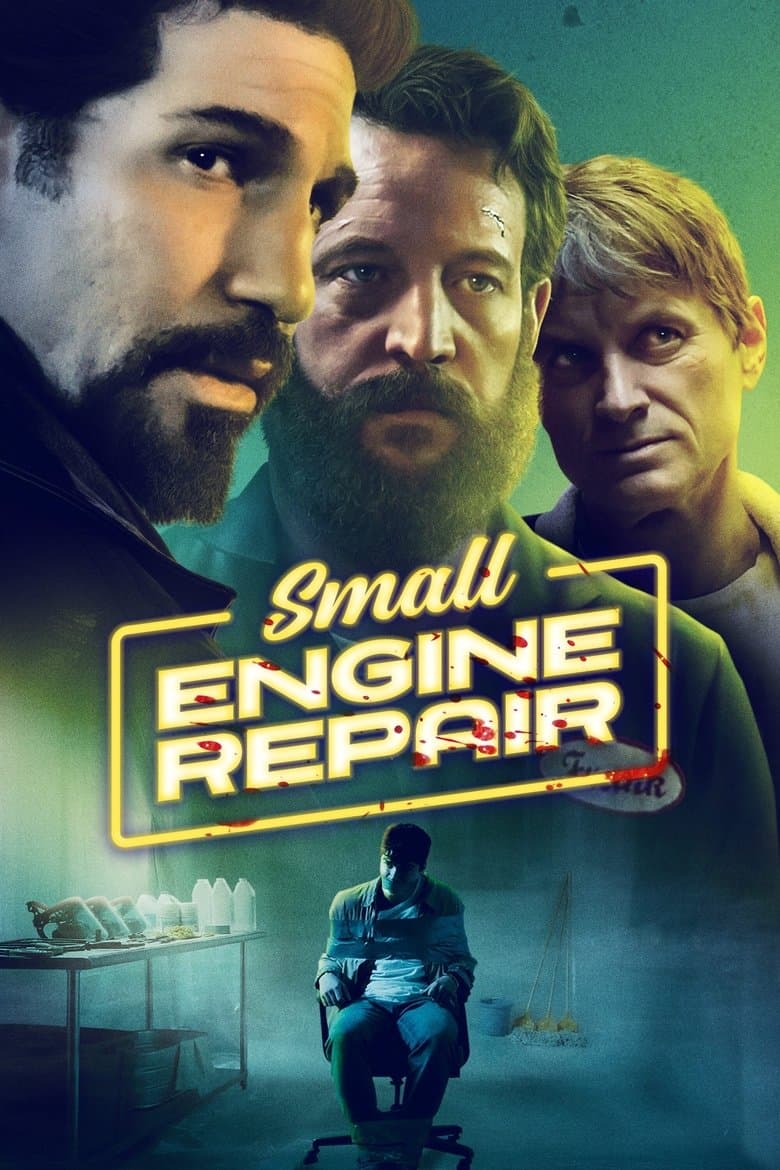
Movie · 2021
The seemingly casual reunion of three old friends at an out-of-the-way repair shop masks a hidden agenda fuelled by the arrival of a privileged young yuppie.
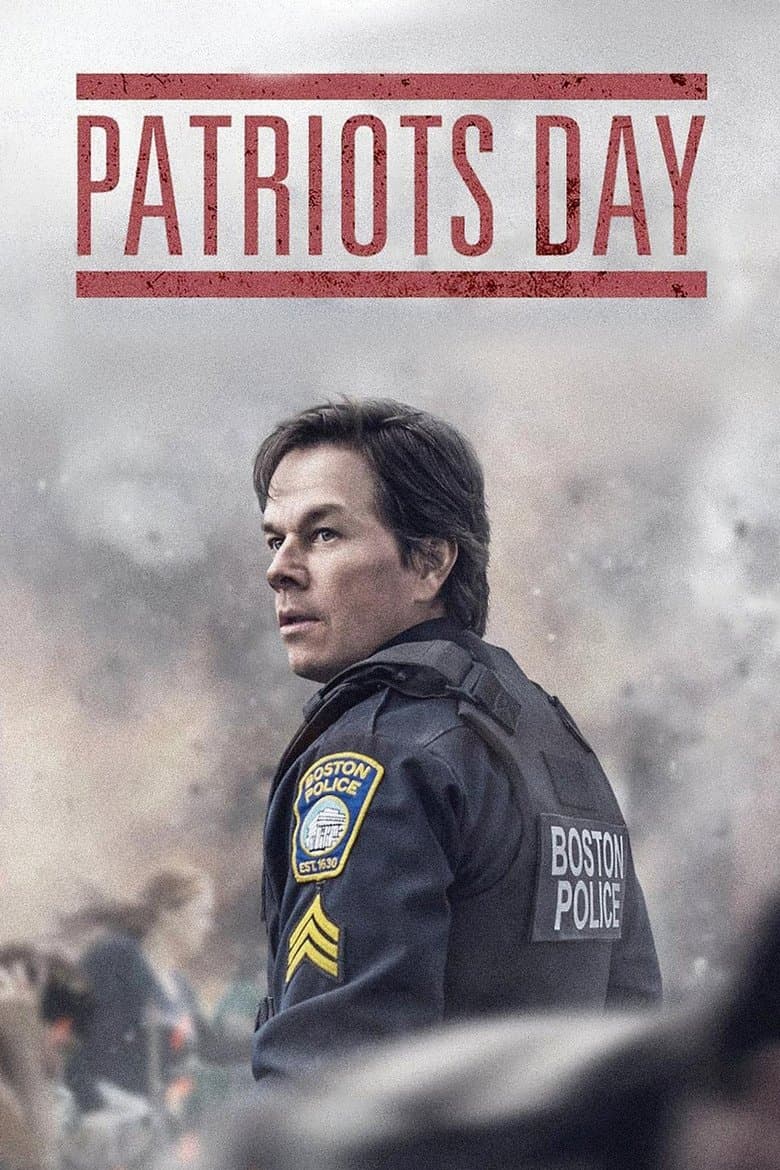
Movie · 2016
In the aftermath of an unspeakable act of terror, Police Sergeant Tommy Saunders joins courageous survivors, first responders and investigators in a race against the clock to hunt…
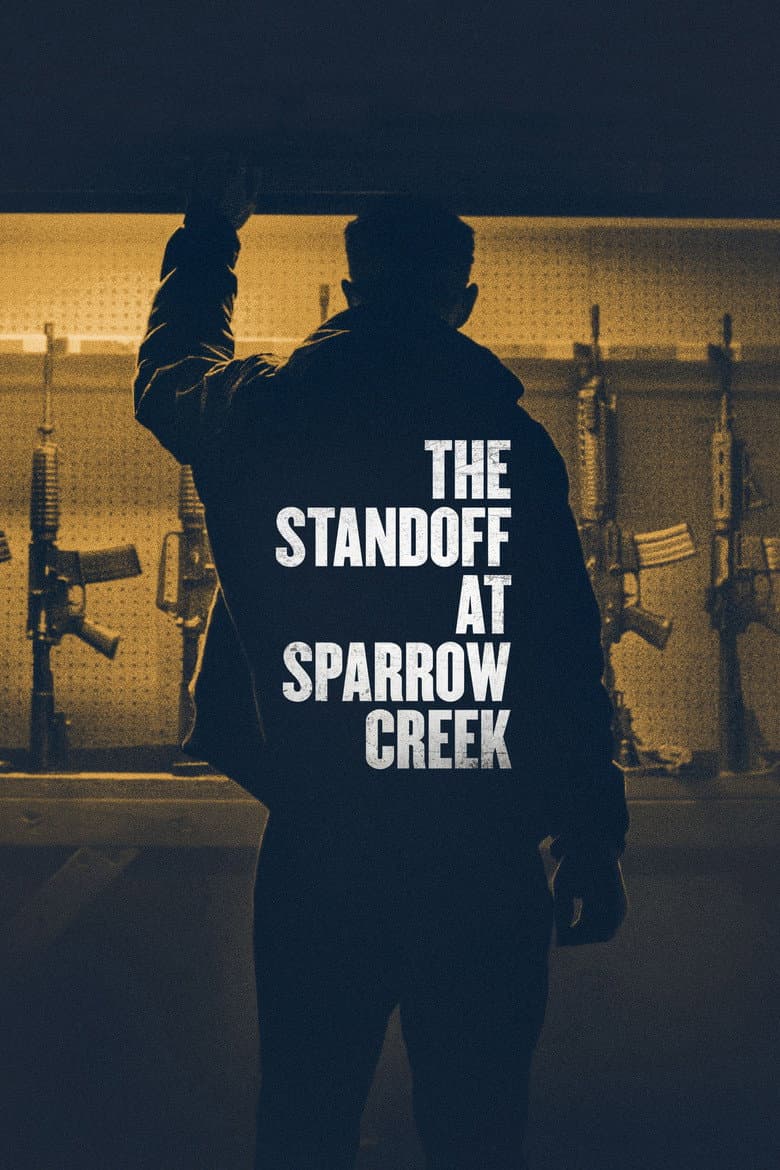
Movie · 2019
After a mass shooting at a police funeral, reclusive ex-cop Gannon finds himself unwittingly forced out of retirement when he realizes that the killer belongs to the same militia…
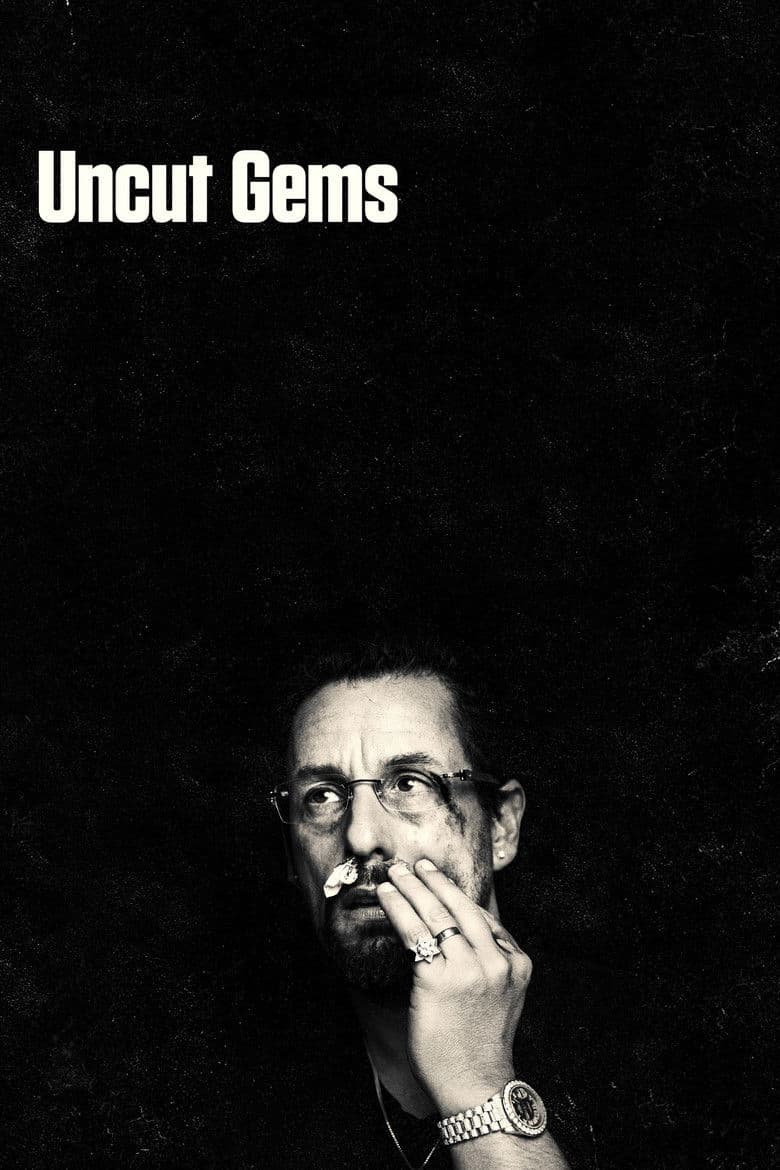
Movie · 2019
A charismatic New York City jeweler always on the lookout for the next big score makes a series of high-stakes bets that could lead to the windfall of a lifetime.
