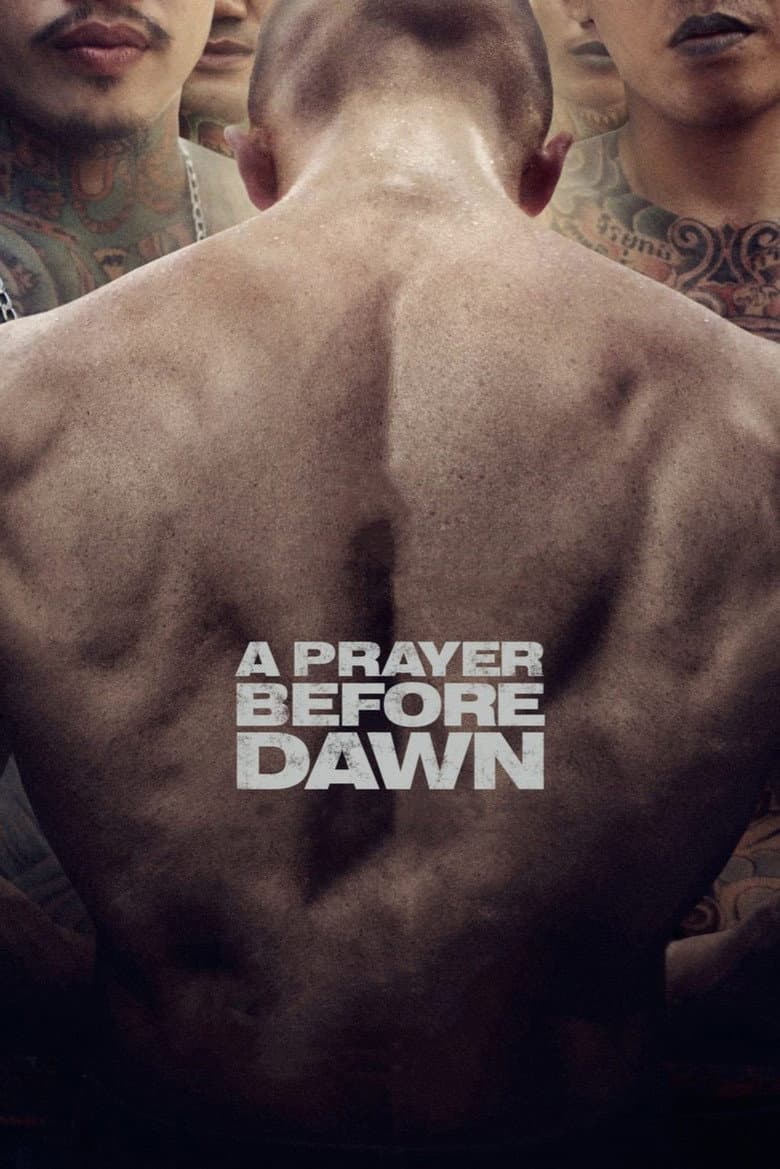
A Prayer Before Dawn follows Billy Moore, a young English boxer and drug addict who is arrested in Thailand and sent to a brutal prison. He sleeps among gang members, faces drugs, beatings, rape, and corrupt guards, and struggles to control his own anger. Billy joins the prison Muay Thai team because fighting gives him safer living conditions and a chance to survive. The film is dark, tense, very violent, and often confusing because much of the Thai speech is not translated.
The film includes Fame, a Thai transgender prisoner who helps Billy get cigarettes and enter the boxing team. Billy and Fame develop a short, tender sexual relationship, which gives him a rare moment of care inside the prison. The film treats Fame as a person and a source of comfort, but it does not build the story around queer politics or a diversity message. The main message follows Billy’s recovery from addiction and violence through discipline, friendship, and self-acceptance.
Community feedback
Was our 22% Woke rating accurate?
Breakdown
These are the editorial factors and ratings behind our score for A Prayer Before Dawn.
Woke representation / casting
Joe Cole plays the real English lead, which fits the story. The Thai prison is filled mainly with Thai former prisoners and boxers, which fits the place and plot. The supporting role of Fame is a transgender Thai prisoner played by Pornchanok Mabklang. The film has a clear identity element, but the casting is not framed as a diversity campaign.
18%
Woke political dialogue
Not present. The film has no recurring speech about DEI, activism, or modern identity politics. Fame briefly talks about her gender and danger in prison, but those lines explain her personal situation rather than argue for a political idea.
0%
Identity-driven story themes
The film includes a continuing subplot about Fame, a transgender prisoner who helps Billy and becomes intimate with him. Their relationship gives Billy one of the few gentle and caring moments in prison. The story does not make transgender rights or queer politics its main subject. Addiction, violence, recovery, and self-acceptance remain the central themes.
30%
Western institutional / cultural critique
Not present. The film shows prison corruption, abuse, and violent male behavior as parts of Billy’s setting and survival story. It does not turn those events into a modern attack on Western culture, family, Christianity, capitalism, or traditional gender roles.
0%
Woke character or canon changes
Not relevant. The film adapts a memoir, and Fame is a fictionalized supporting character based on transgender inmates described in the book. No reported source change is framed as a DEI or identity-driven rewrite.
0%
Anti-woke backlash and complaints
Not present. The separate X research pass found no anti-woke posts or specific complaints. News and audience discussion focused on violence, realism, and the prison setting rather than woke or DEI messaging.
0%
Creator track record context
The director’s related work includes humanitarian support for former child soldiers and other hard social dramas. One producer’s wider work includes political documentaries, while other producers focus on working-class history and independent film. The writers have no clear record of DEI advocacy or identity-driven public messaging. These are mild context signals, not a strong activist pattern tied to this film.
10%
Production
Movie · 2016
In the fourth installment of the fighting franchise, Boyka is shooting for the big leagues when an accidental death in the ring makes him question everything he stands for.
Movie · 2023
Ex-con Russell Gaines is attempting to rebuild his life with the help of his father, Mitchell. However, the arrival of Maben sends his new life into chaos, leading the pair to go…

Movie · 2023
When his aging mob boss is whacked, Charlie Swift, a loyal friend and hired gun, will stop at nothing to destroy the upcoming crew that took him out.
Movie · 2016
As Batman hunts for the escaped Joker, the Clown Prince of Crime attacks the Gordon family to prove a diabolical point mirroring his own fall into madness.
Movie · 2016
A man is out for justice after a group of corrupt police officers are unable to catch his wife's killer.
Movie · 2018
A mild-mannered father is transformed into a killing machine after his family is torn apart by a violent act.

Movie · 2022
Decorated veteran Will Sharp, desperate for money to cover his wife's medical bills, asks for help from his adoptive brother Danny.
Movie · 2024
A Chicago detective travels to Scotland after an emerging serial killer’s crimes match those that he investigated five years earlier, one of which was the crime scene of his…
