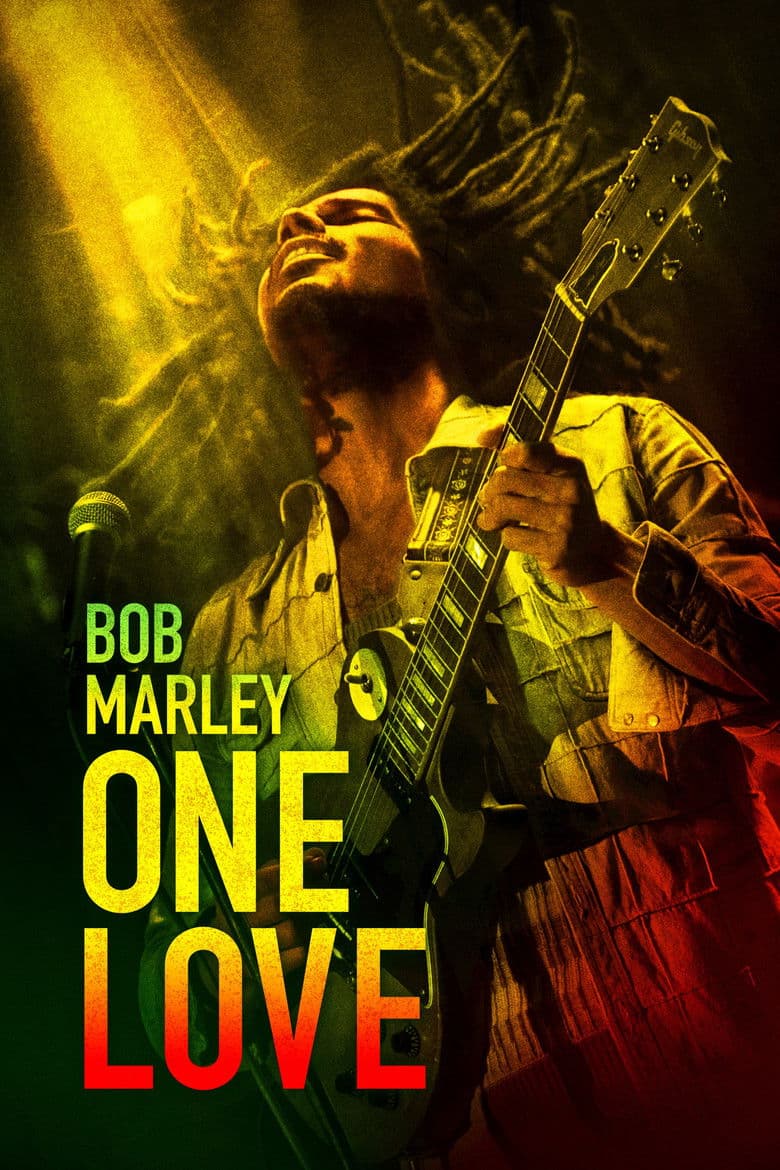
Bob Marley: One Love follows Jamaican singer Bob Marley from the 1976 shooting at his Kingston home to his return for Jamaica’s 1978 One Love Peace Concert. Marley leaves Jamaica, records Exodus in London, and tries to protect his family while building a world audience. His wife Rita challenges his pride, distance, and unfaithfulness as he searches for peace. The tone stays warm and respectful, with reggae music and Rastafari faith guiding a story about violence, love, and unity.
The film gives the most attention to Marley’s Black Jamaican identity, Rastafari beliefs, and ties to Africa. Those ideas shape the songs Exodus, War, and Redemption Song, and they drive his wish to heal Jamaica’s political split. The story also presents music as a way to resist poverty, racism, and violence without turning the film into a modern party message. Rita has a strong role in Marley’s personal change, but the film remains centered on his fame, faith, and public mission.
Community feedback
Was our 27% Woke rating accurate?
Breakdown
These are the editorial factors and ratings behind our score for Bob Marley: One Love.
Woke representation / casting
Not present. The cast follows the real Jamaican setting and the people shown. The film does not present casting as a diversity campaign.
0%
Woke political dialogue
Marley repeatedly speaks about Jamaica’s party violence, poverty, African freedom, and the duty of music to challenge injustice. The film uses songs such as War and Get Up Stand Up as direct political statements. These ideas come from Marley’s real 1970s work, so the movie does not turn them into a modern party or DEI message.
25%
Identity-driven story themes
Marley’s Rastafari faith, Black Jamaican identity, and bond with Africa recur through Exodus, his songs, and his talks with Rita. The film links those ideas to freedom, dignity, and resistance to racism. The themes are important to Marley’s life, but they are shown as his historical beliefs rather than a new identity campaign.
28%
Western institutional / cultural critique
Not present. The film shows white record executives, political violence, and colonial history, but it does not build a modern attack on Western institutions or traditional family life. Rita challenges Bob’s behavior, yet the story does not treat men or marriage as oppressive systems.
0%
Woke character or canon changes
Not relevant. The movie compresses real events and leaves out parts of Marley’s life. Those changes make a short biopic easier to follow, but they do not create a woke or identity-driven rewrite of his character or history.
0%
Anti-woke backlash and complaints
Not present. The separate X research pass found no repeatable anti-woke reaction or specific complaint. Other public criticism focused on pacing, missing history, language, and the family’s control of the story, not woke or DEI content.
0%
Creator track record context
Director Reinaldo Marcus Green has prior stories about race, policing, and identity. Writer Zach Baylin has written films about black history and white supremacy. Casting director Avy Kaufman has worked on projects with strong queer or diverse themes. Other credited writers and producers have mixed or limited activist records, so this context is moderate rather than dominant.
34%
Production
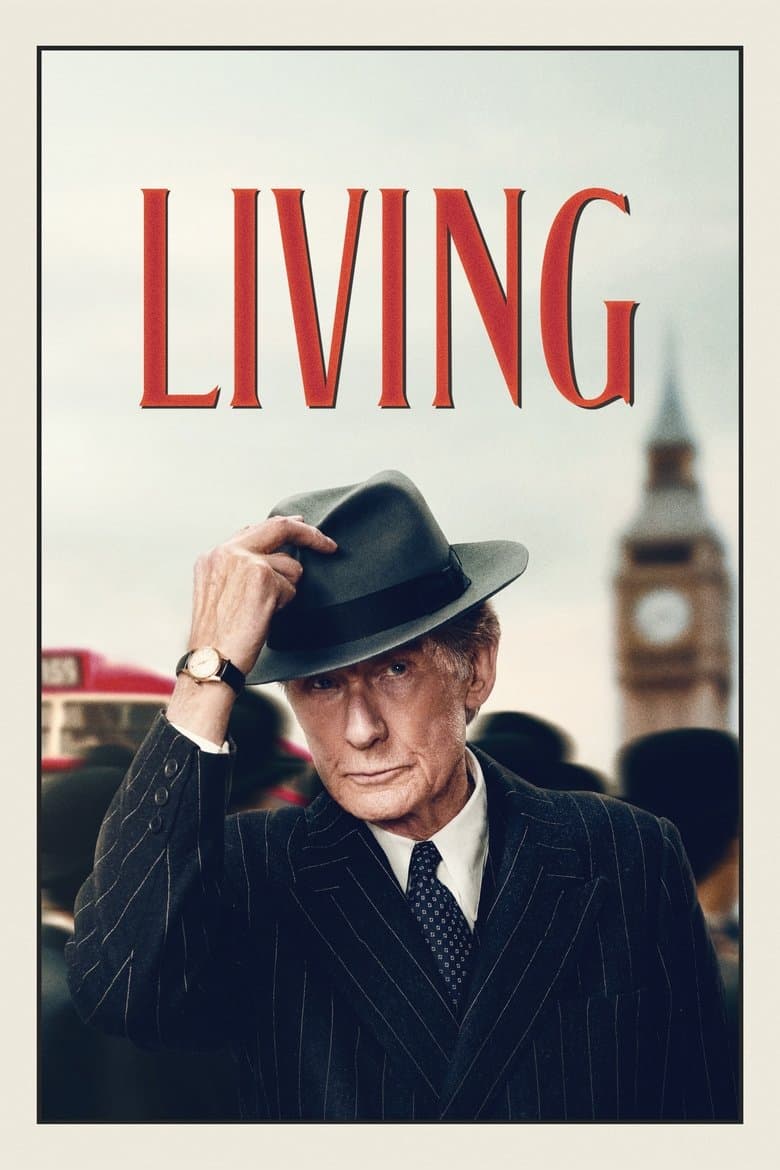
Movie · 2022
London, 1953. Mr. Williams, a veteran civil servant, is an important cog within the city's bureaucracy as it struggles to rebuild in the aftermath of World War II.
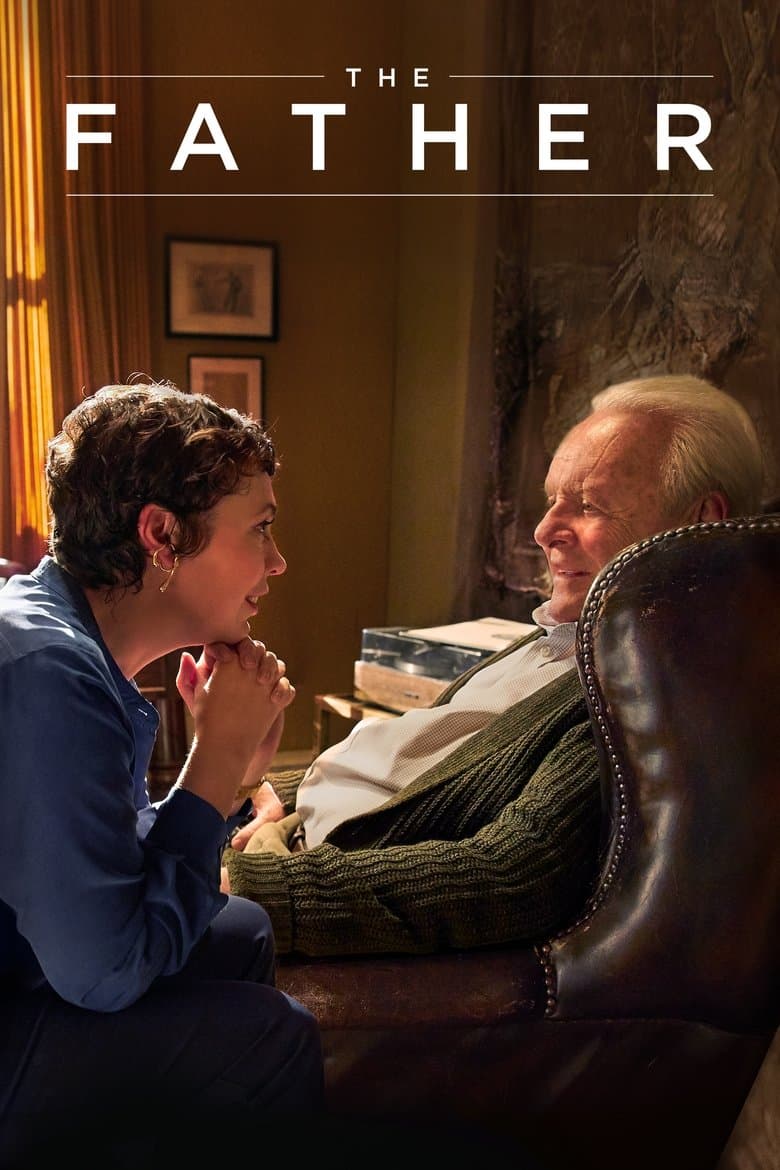
Movie · 2020
A man refuses all assistance from his daughter as he ages and, as he tries to make sense of his changing circumstances, he begins to doubt his loved ones, his own mind and even…
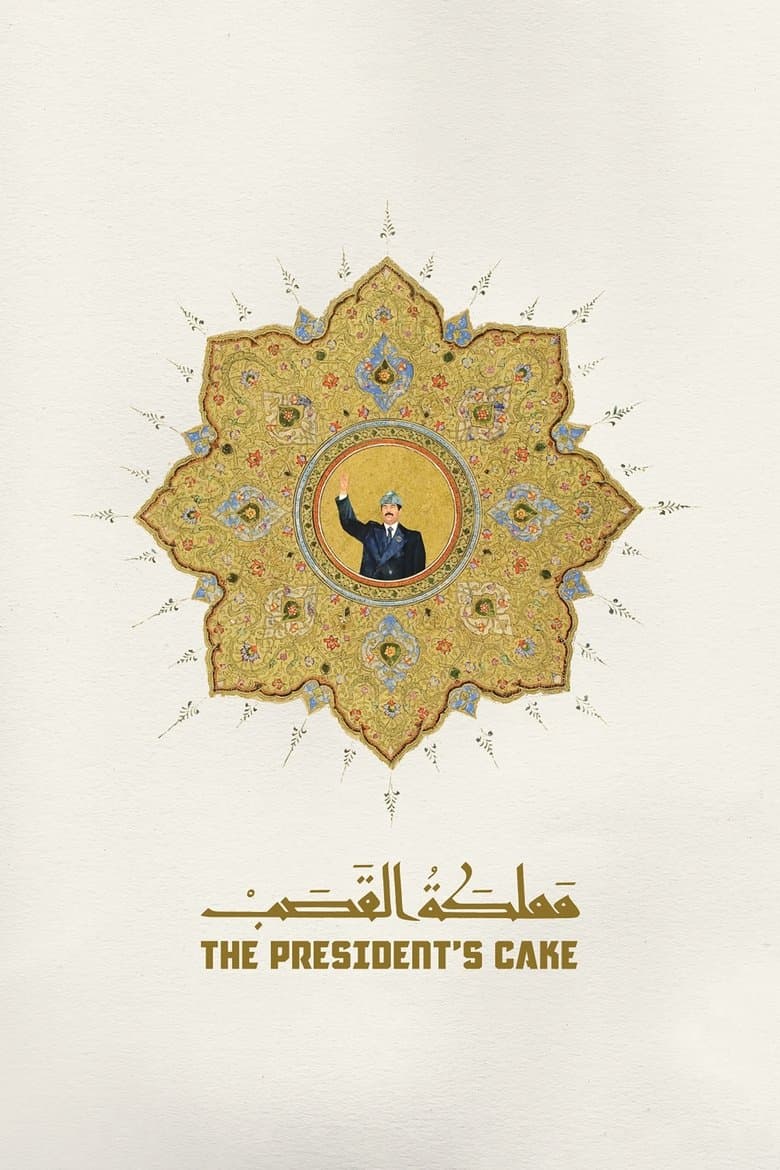
Movie · 2026
While people across 1990s Iraq struggle to survive the war and food shortages, Saddam Hussein requires each school in the country to prepare a cake to celebrate his birthday.
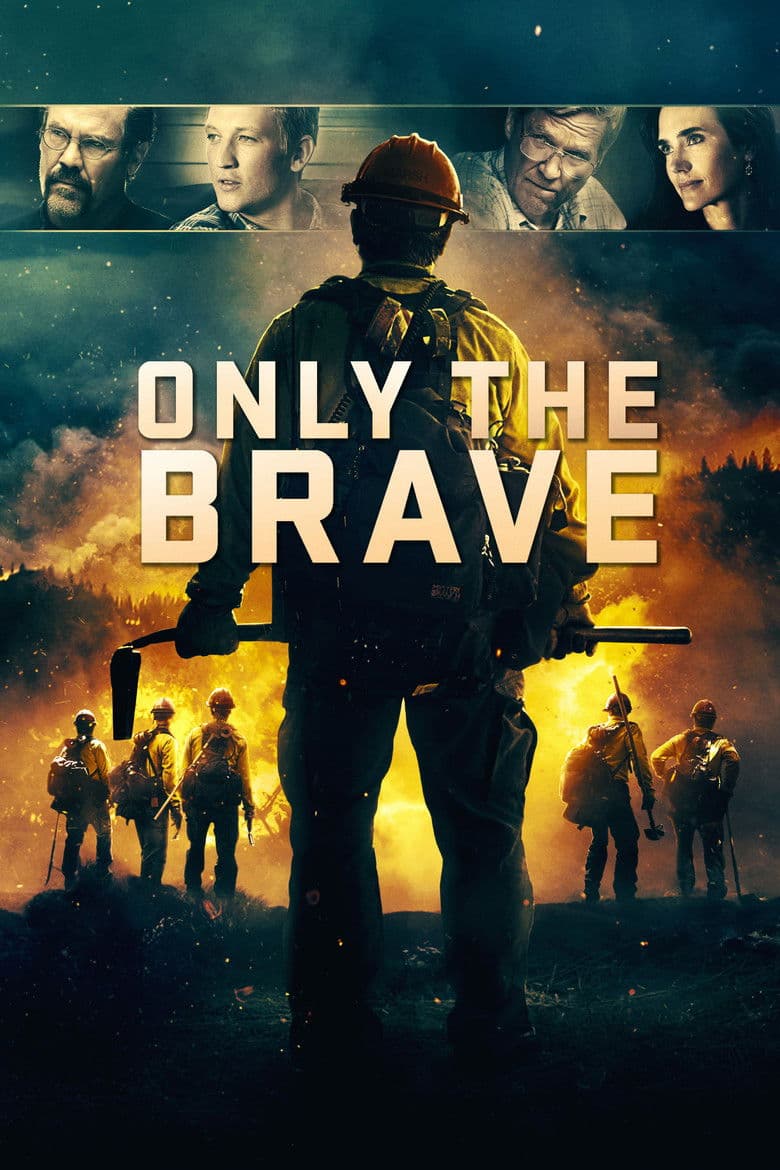
Movie · 2017
Members of the Granite Mountain Hotshots battle deadly wildfires to save an Arizona town.
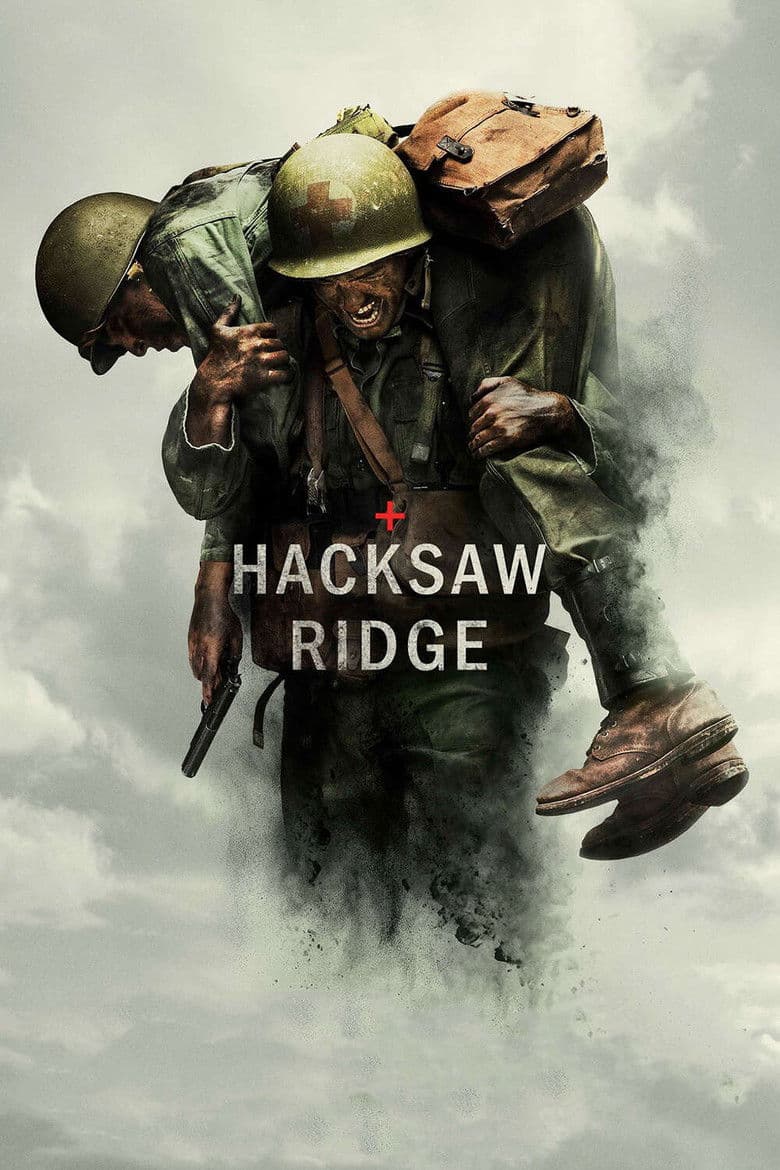
Movie · 2016
WWII American Army Medic Desmond T. Doss, who served during the Battle of Okinawa, refuses to kill people and becomes the first Conscientious Objector in American history to…
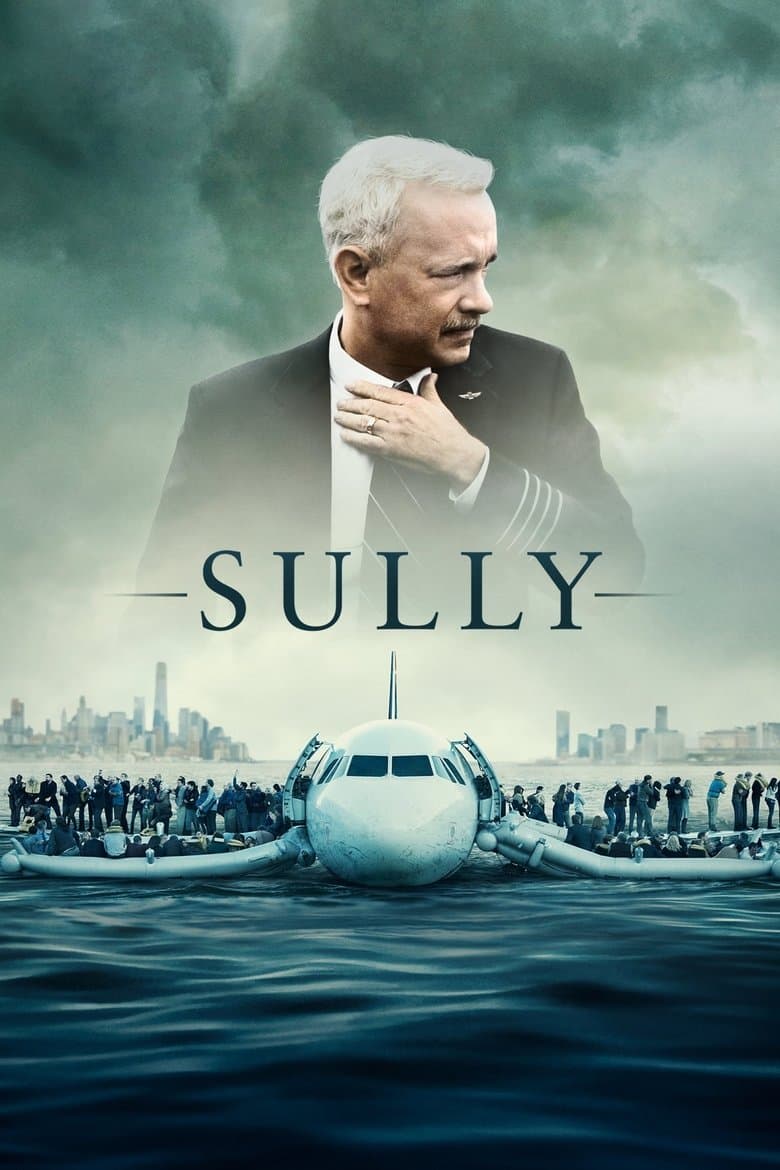
Movie · 2016
On 15 January 2009, the world witnessed the 'Miracle on the Hudson' when Captain 'Sully' Sullenberger glided his disabled plane onto the Hudson River, saving the lives of all 155…
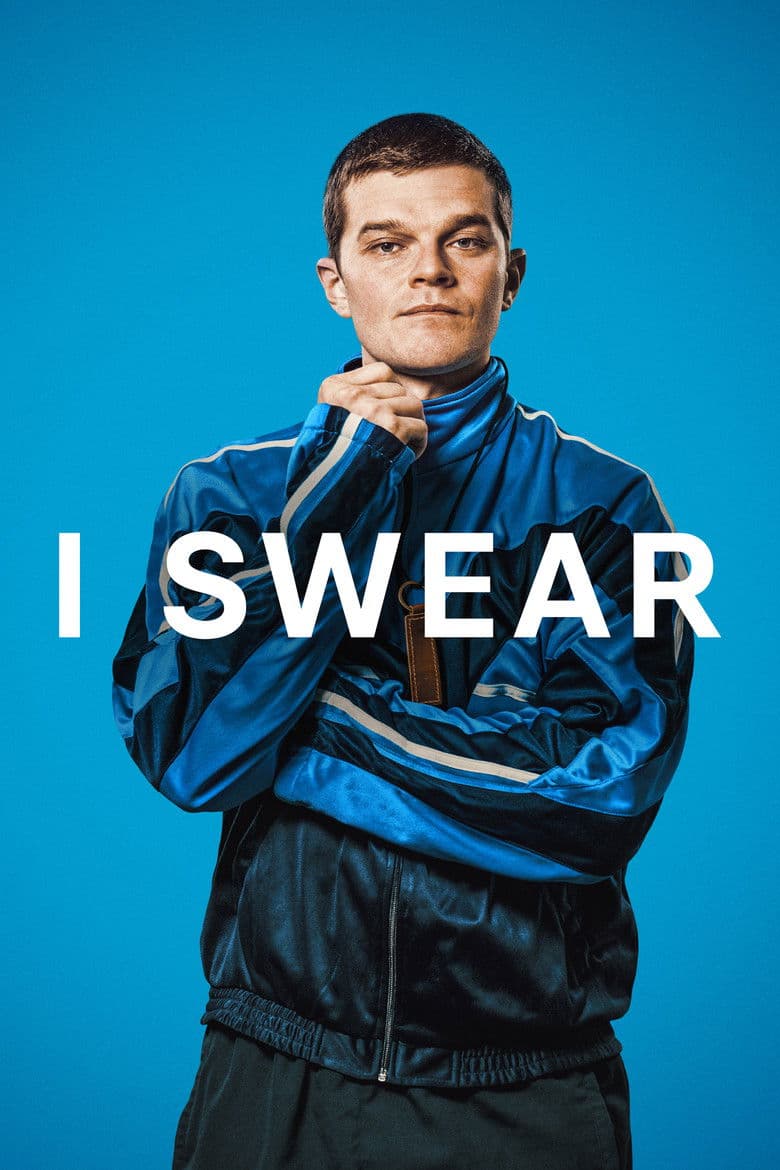
Movie · 2025
Diagnosed with Tourette Syndrome at 15, John Davidson navigates his way against the odds through troubled teenage years and into adulthood, finding inspiration in the kindness of…
Movie · 2022
A quiet, neglected girl is sent away from her dysfunctional family to live with relatives for the summer. She blossoms in their care, but in this house where there are meant to be…
