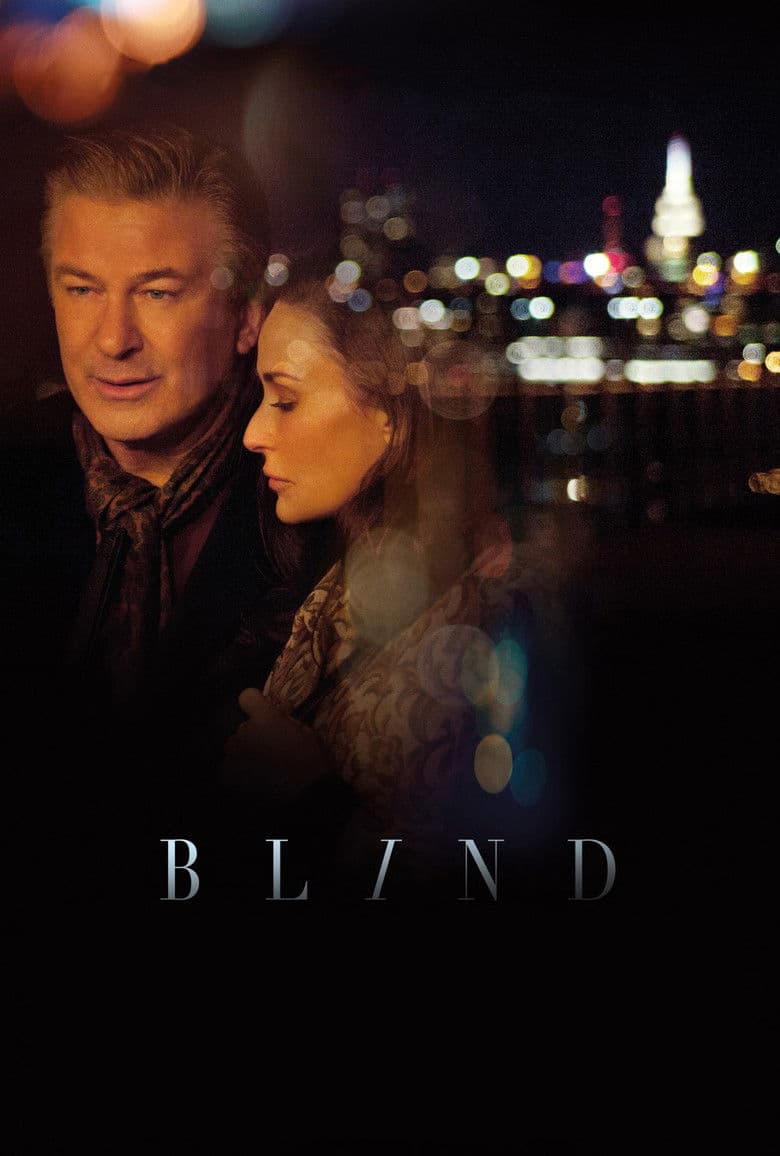
Bill Oakland is a novelist and college teacher who loses his wife and his sight in a car crash. Years later, he lives alone in New York and has stopped writing. Suzanne Dutchman is a wealthy man's wife who must read to Bill as court ordered service after her husband is sent to prison for business crimes. Their tense meetings grow into an affair that pulls both adults out of lonely and unhappy lives. The film mixes romance, sad drama, sharp jokes, and glossy New York scenes.
The film's clearest identity-related point is its focus on a blind lead, but the story uses blindness mainly as a personal loss and a way to talk about how people see each other. A sighted actor plays Bill, and the movie does not turn that choice into a wider message about diversity. Suzanne has a small self-discovery arc as she moves away from a husband who treats her like property and remembers the life she gave up. The story challenges one controlling marriage, but it does not build a larger message about gender, race, sexuality, or political activism. Most of the movie stays focused on grief, desire, fear, work, and the choice to risk love again.
Community feedback
Was our 23% Woke rating accurate?
Breakdown
These are the editorial factors and ratings behind our score for Blind.
Woke representation / casting
The film gives its central blind role to Alec Baldwin, a non-blind actor. The Ruderman Family Foundation publicly criticized that choice and called for disabled actors. The film does not frame the choice as a wider diversity campaign, and other main roles do not show a repeated identity pattern.
26%
Woke political dialogue
Not present. The film has no spoken message about race, gender politics, DEI, or activism. Its few social comments attack Mark's job cuts and greed, not a modern identity cause.
0%
Identity-driven story themes
Suzanne has a small self-discovery arc after years as a wealthy man's neglected wife. She questions a life built around her husband's wants and reconnects with goals she gave up. This mild female independence theme supports the romance, but the film does not make modern identity politics its main subject.
20%
Western institutional / cultural critique
Not present. The film blames Mark's personal greed, job cuts, and control of Suzanne. It does not make a wider attack on Western institutions, Christianity, family life, or traditional culture.
0%
Woke character or canon changes
Not relevant. The film is an original modern romance and does not change established characters, canon, or real historical figures.
0%
Anti-woke backlash and complaints
Not present. The X research pass found no anti-woke reaction. News coverage and audience comments criticized the disability casting, weak writing, and the romance, but they did not say that the film pushed woke or left-wing ideas.
0%
Creator track record context
Michael Mailer and John Buffalo Mailer have little documented record of identity-first or activist work, and Diane Fisher has almost no public record. Alec Baldwin has a strong progressive public profile, and producer Mallory Schwartz has backed several women-led and queer projects. Most of the other listed producers have low or mixed scores, and this background is not strongly visible in Blind itself.
24%
Production
Movie · 2018
German artist Kurt Barnert has escaped East Germany and now lives in West Germany, but is tormented by his childhood under the Nazis and the GDR regime.
Movie · 2017
In 1950s London, a renowned dressmaker's meticulous lifestyle begins drastically changing as his relationship with his young muse intensifies.
Movie · 2018
A man and a woman meet in the ruins of post-war Poland. With vastly different backgrounds and temperaments, they are fatally mismatched and yet drawn to each other.
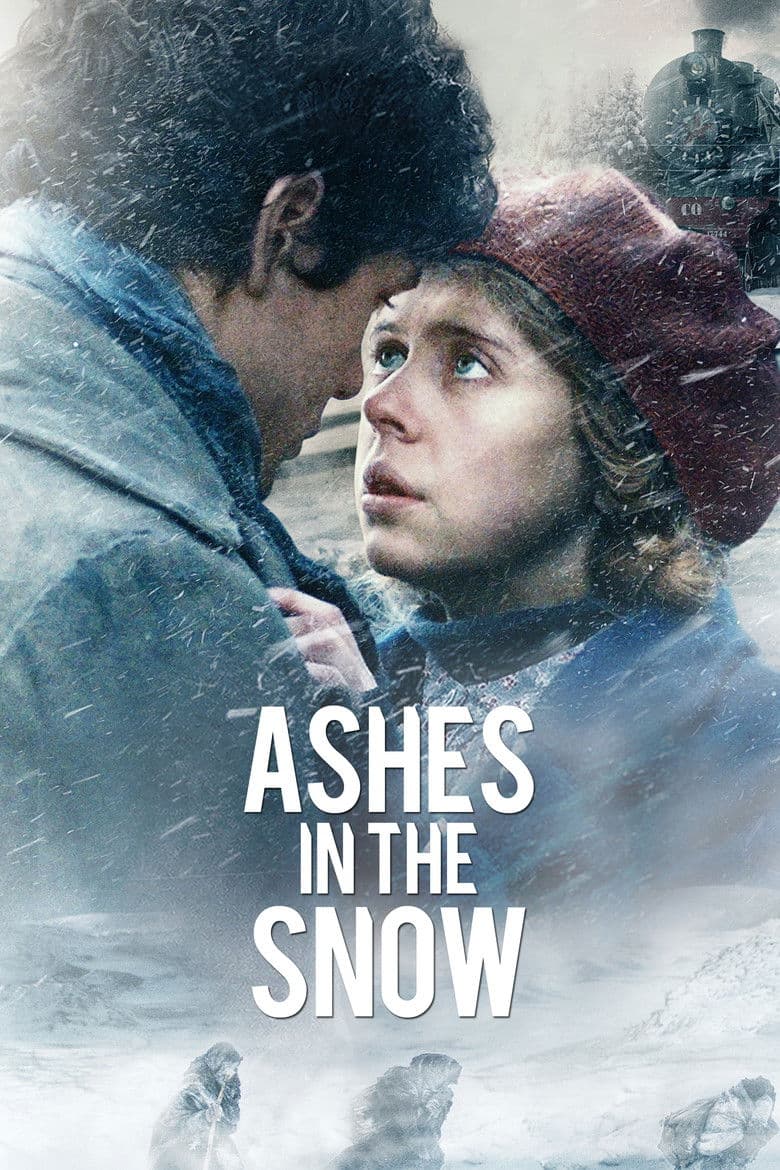
Movie · 2018
The coming-of-age tale of 16-year-old Lina Vilkas who is deported to Siberia amid Stalin's reign of terror in the Baltic region during WWII.
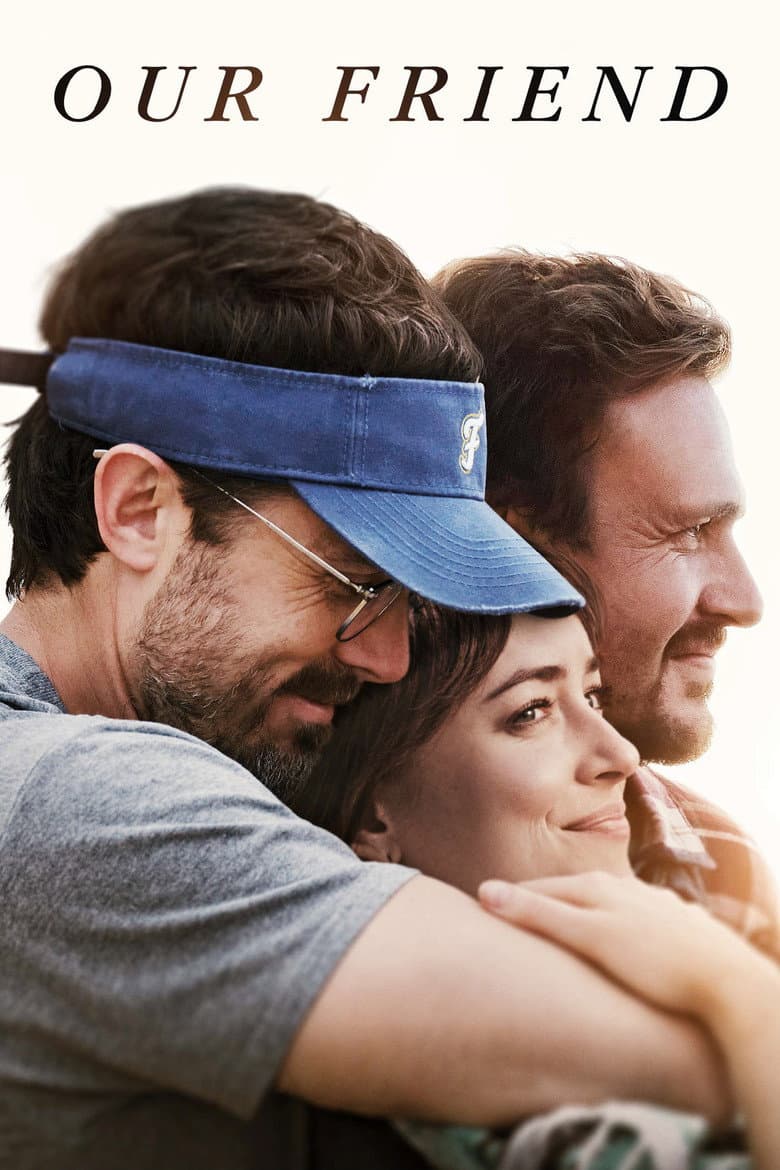
Movie · 2019
After learning that his terminally ill wife has six months to live, a man welcomes the support of his best friend who moves into their home to help out.
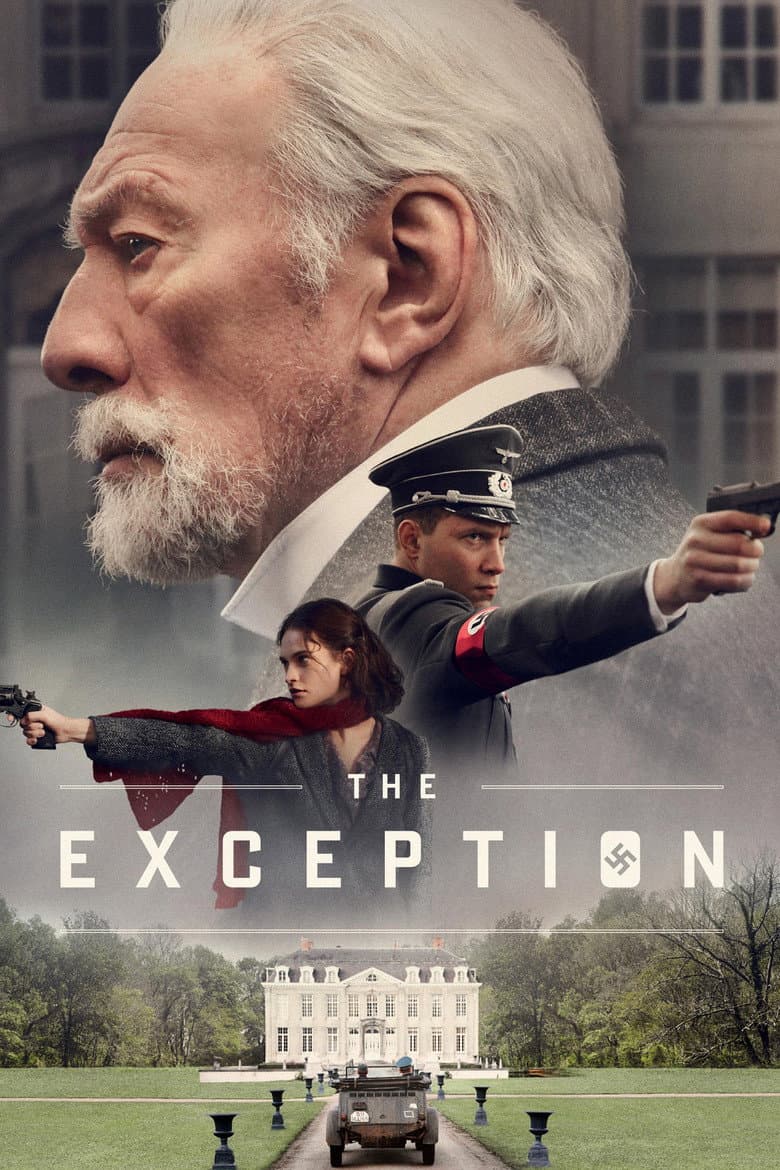
Movie · 2017
Nothing is as it seems in this riveting World War 2 thriller as a wary soldier goes to investigate a mysterious German monarch at his secluded mansion, leading him into a web of…
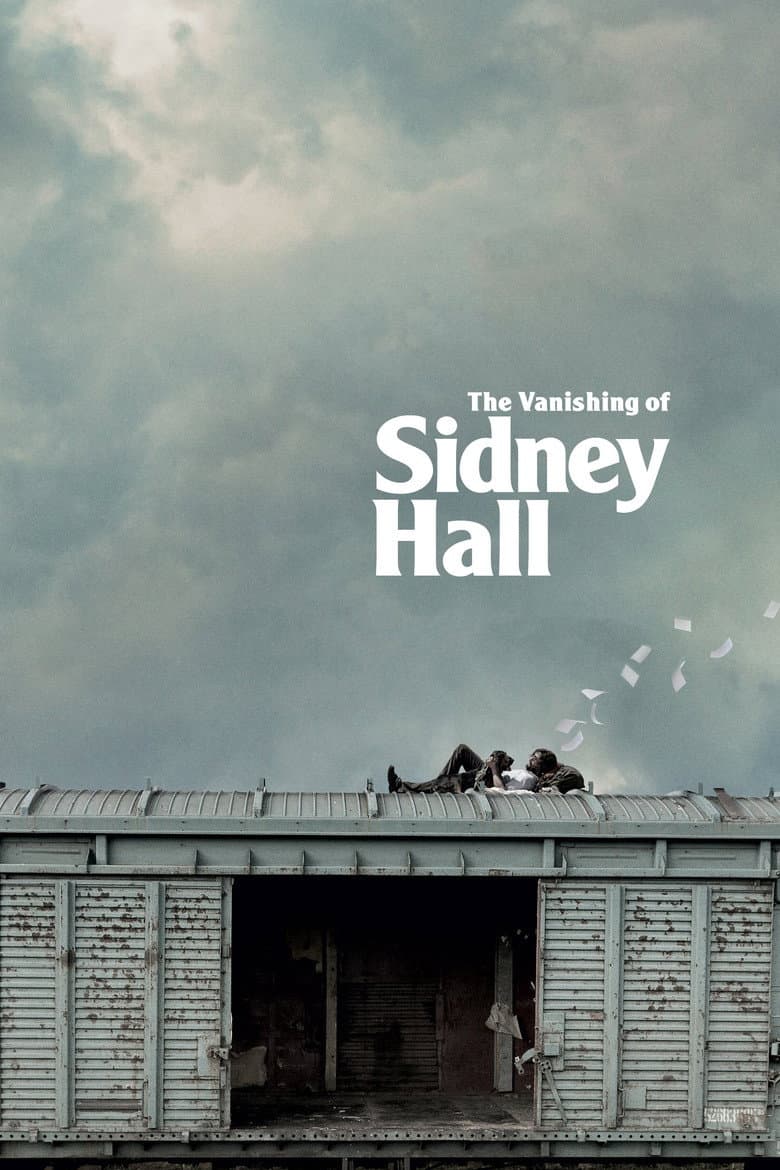
Movie · 2018
Over the course of 12 years, and three stages of life, Sidney Hall falls in love, writes the book of a generation and then disappears without a trace.

Movie · 2023
College freshman Abby tries to distance herself from her dark past while resisting her attraction to bad boy Travis.
