
Wiktor is a Polish music expert and pianist who travels through the countryside after World War II to collect folk songs. He helps build a state-backed singing and dance group, where he meets Zula, a bold young singer with a troubled past. Their love grows while communist officials take control of the group and while a hard border keeps Poland apart from the West. The film moves from Poland to East Berlin, Paris, and Yugoslavia, and its black-and-white images give the romance a sad, tense tone.
The film keeps its political focus on communist rule and the loss of artistic freedom. Officials force patriotic songs and loyalty tests on the performers, which makes the larger conflict personal for the couple. Zula keeps her own will and often challenges Wiktor, while both lovers make selfish and painful choices. Music, exile, national culture, and a love that cannot settle shape the film’s lasting message.
Community feedback
Was our 9% Woke rating accurate?
Breakdown
These are the editorial factors and ratings behind our score for Cold War.
Woke representation / casting
Not present. The main cast is Polish or European in a story set in post-war Poland and nearby Europe. The film does not frame casting as a diversity or identity statement.
0%
Woke political dialogue
Not present. The film has communist slogans and songs about agricultural reform and praise for Stalin. These lines belong to the period’s propaganda and are not modern identity or DEI arguments.
0%
Identity-driven story themes
Not present. Zula and Wiktor’s story centers on love, music, exile, and communist control. Their conflict does not center on modern race, gender, sexuality, or DEI politics.
0%
Western institutional / cultural critique
Not present. The film shows communist officials controlling artists and punishing escape. That period conflict does not become a modern activist attack on Western family life, religion, or social institutions.
0%
Woke character or canon changes
Not relevant. The characters are fictional creations loosely inspired by the director’s parents. The film does not change established characters or known historical figures.
0%
Anti-woke backlash and complaints
Not present. Public reaction mainly praises the romance, music, acting, and images, or criticizes the film’s fast time jumps. No sustained complaint says the film pushes woke or DEI ideas. The separate X evidence also lists no anti-woke complaints.
0%
Creator track record context
Pawlikowski has a recurring interest in migration, religion, sexuality, national identity, and painful European history. He has described his films as political but rejects direct lessons and activist filmmaking. Title-related interviews place this film’s politics in communist control of art and modern Polish nationalism, not in DEI or identity messaging. The wider creative team has mostly low or moderate cached scores and no strong activist profile.
45%
Production
Movie · 2017
Nothing is as it seems in this riveting World War 2 thriller as a wary soldier goes to investigate a mysterious German monarch at his secluded mansion, leading him into a web of…

Movie · 2024
Remi and Barnes, two very different teenagers, meet by chance in the winter of their senior year, then spend four days together over the course of a year that will change their…
Movie · 2018
Over the course of 12 years, and three stages of life, Sidney Hall falls in love, writes the book of a generation and then disappears without a trace.
Movie · 2018
The coming-of-age tale of 16-year-old Lina Vilkas who is deported to Siberia amid Stalin's reign of terror in the Baltic region during WWII.

Movie · 2020
When illness strikes two people who are polar opposites, life and death bring them together in surprising ways.

Movie · 2025
Two artistic souls find harmony through music despite their contrasting worlds. As feelings deepen, age and circumstances challenge their undeniable bond.
Movie · 2018
German artist Kurt Barnert has escaped East Germany and now lives in West Germany, but is tormented by his childhood under the Nazis and the GDR regime.
Movie · 2019
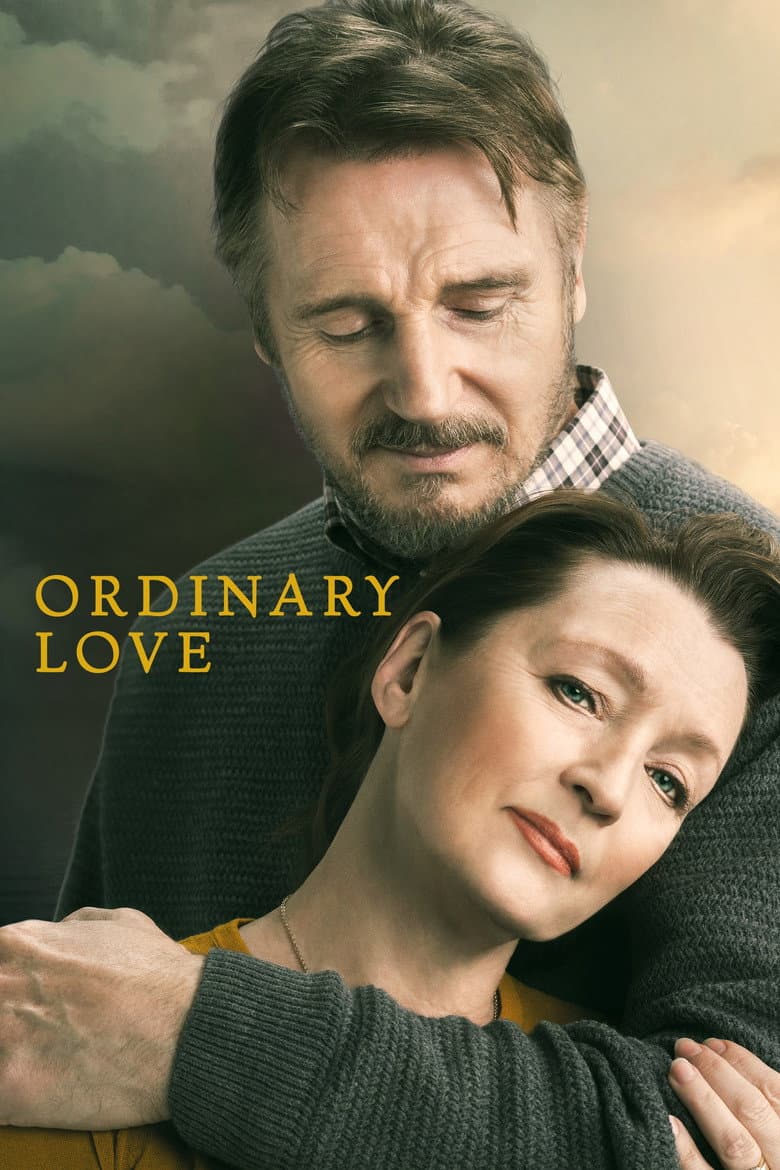
An extraordinary look at the lives of a middle-aged couple in the midst of the wife's breast cancer diagnosis.
