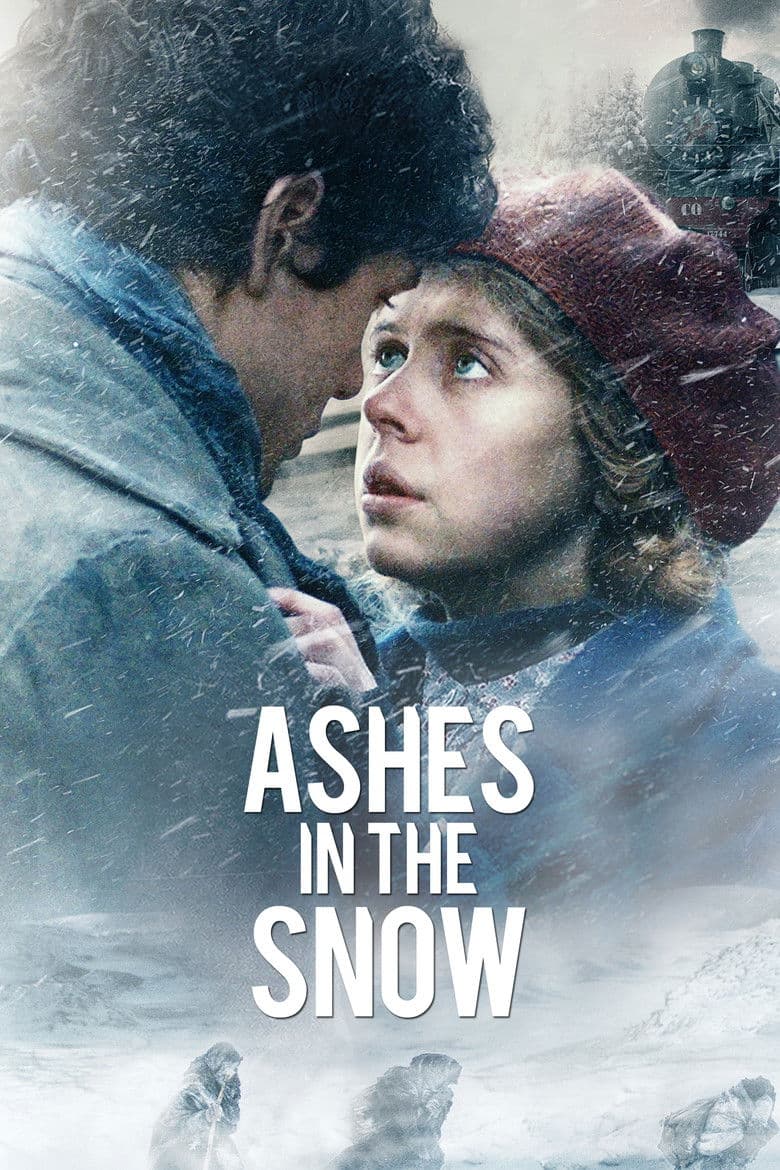
Lina Vilkas is a 16-year-old girl who dreams of studying art in Kaunas, Lithuania. In 1941, Soviet soldiers take Lina, her mother Elena, and her little brother Jonas from their home and send them to a work camp in Siberia. Lina tries to survive hunger, cold, beatings, and the loss of her family while her father is held somewhere else. The film is a grim growing-up drama about fear, love, courage, and the wish to remain human under a cruel government.
The story gives Lina and Elena much of the action, and both women resist orders that would make them admit to crimes they did not commit. Lina uses drawing to record the camp and send word to her father, so her art becomes her way to speak and resist. The film presents Lina as a brave young leader whose skill grows from her family’s training, danger, and suffering. Her romance with Andrius, the family bond, and the memory of Lithuanian life shape the story beside its themes of courage and survival.
Community feedback
Was our 10% Woke rating accurate?
Breakdown
These are the editorial factors and ratings behind our score for Ashes in the Snow.
Woke representation / casting
Not present. The main roles are European characters in a Lithuanian and Siberian setting. The film does not show a diversity-first cast pattern or an identity-based casting message.
0%
Woke political dialogue
Not present. The spoken lines focus on Stalin’s rule, forced labor, family, art, and survival. The film does not use modern identity, DEI, or activist language.
0%
Identity-driven story themes
The story gives a teenage girl a clear voice through her drawings and her fight to protect her family. Lina grows into a brave leader during the crisis. That creates a mild female empowerment message. The theme stays tied to her personal survival and Lithuanian history.
14%
Western institutional / cultural critique
Not present. The film attacks Stalin’s Soviet system and its prison camps. It does not target modern Western institutions, Christianity, family life, or traditional social roles.
0%
Woke character or canon changes
Not relevant. The film is an adaptation, but the reported changes are cuts and story changes. No race, gender, sexuality, or hero-role change is confirmed.
0%
Anti-woke backlash and complaints
Not present. No reliable anti-woke or right-leaning complaint about this film was found in the supplied X pass or broader coverage. Public criticism focused on pacing, history, language, and adaptation quality.
0%
Creator track record context
Director Marius Markevicius often makes work about Lithuanian history and national memory. Writer Ruta Sepetys often brings lesser-known suffering to young readers and wider audiences. This gives the creators a mild representation-focused context. There is no clear record of modern DEI activism among the key crew.
15%
Production
Movie · 2018
German artist Kurt Barnert has escaped East Germany and now lives in West Germany, but is tormented by his childhood under the Nazis and the GDR regime.
Movie · 2018
Over the course of 12 years, and three stages of life, Sidney Hall falls in love, writes the book of a generation and then disappears without a trace.

Movie · 2016
Lou Clark, a directionless 26-year-old from the English countryside, takes a job at the local castle as a caregiver and companion to a wealthy young banker, Will Traynor.

Movie · 2024
Remi and Barnes, two very different teenagers, meet by chance in the winter of their senior year, then spend four days together over the course of a year that will change their…

Movie · 2023
The dramatic comedy is based on the true story of writer and pinball wizard Roger Sharpe, chronicling his journey to overturn New York City’s 35-year ban on pinball.

Movie · 2025
Morgan Grant and her daughter Clara explore what's left behind after a devastating accident reveals a shocking betrayal and forces them to confront family secrets, redefine love…
Movie · 2025
Laura and Simon have been best friends since college. Over the years, they've realized their bond is more than platonic.

Movie · 2023
Hadley and Oliver begin falling in love on a flight from New York to London, but when they lose each other at customs, can they defy all odds to reunite?
