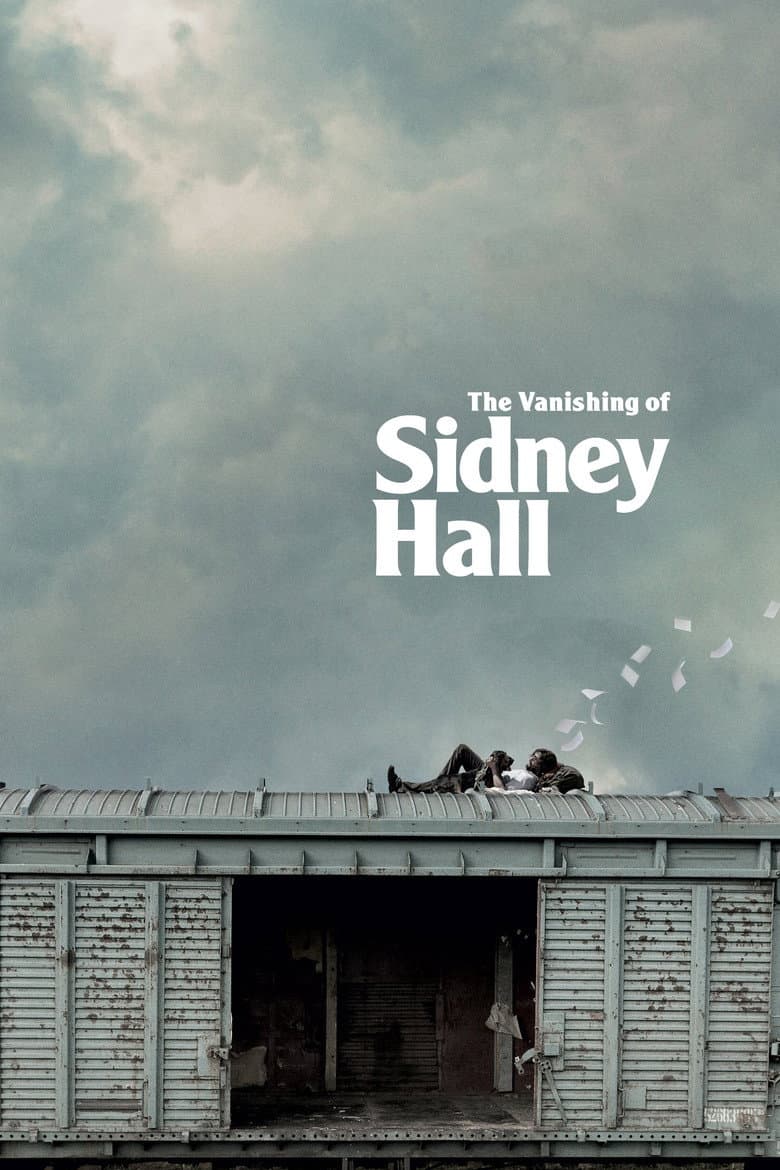
Sidney Hall is a gifted but troubled teenager who turns a painful event in his town into a bestselling novel. The story follows him at 18, 24, and 30 as he moves from a small American town to New York and then across the country. Fame brings money and praise, but it also brings guilt, drinking, broken trust, and a search for the truth. The film has a dark, sad tone and tells its mystery out of order.
Sidney's book is based on the death of his classmate, and readers give it meanings he never planned. One fan copies the book's violence, which makes Sidney question what a writer owes to other people. His marriage to Melody falls apart after he cheats, and her death leaves him unable to face his own life. The film focuses on grief, family abuse, mental illness, artistic fame, and the cost of turning real pain into a story.
Community feedback
Was our 2% Woke rating accurate?
Breakdown
These are the editorial factors and ratings behind our score for The Vanishing of Sidney Hall.
Woke representation / casting
Not present. The story is set in modern America and uses a mostly white lead group with a Black English teacher and other supporting characters. The cast is not framed in the film or its marketing as a diversity or identity statement.
0%
Woke political dialogue
Not present. The dialogue deals with writing, family, sex, grief, guilt, and fame. It does not push modern identity, DEI, or activist ideas.
0%
Identity-driven story themes
Not present. The story focuses on abuse, suicide, addiction, grief, mental illness, and artistic responsibility. It does not build its plot around race, gender, sexuality, or activist identity claims.
0%
Western institutional / cultural critique
Not present. The film shows a corrupt judge, family abuse, and pressure from the publishing world as personal plot problems. It does not turn them into a modern critique of patriarchy, capitalism, religion, or Western institutions.
0%
Woke character or canon changes
Not relevant. The film is an original story about a fictional writer. It does not change an established character, source, or real historical figure.
0%
Anti-woke backlash and complaints
Not present. No source reviewed reports viewers attacking the film for pushing woke, DEI, or identity politics. Public complaints focused on weak writing, confusing editing, and sexist treatment of women.
0%
Creator track record context
The director has no clear recurring identity activism. The writer's public work focuses on screenwriting rather than politics. The producers' cached records show some labor, charity, anti-racism, or arts support but no strong identity-politics campaign. The casting director has no known identity-quota advocacy.
8%
Production
Movie · 2018
A man and a woman meet in the ruins of post-war Poland. With vastly different backgrounds and temperaments, they are fatally mismatched and yet drawn to each other.
Movie · 2021
Eva, a mysterious doctor, searches for an answer to her urgent dilemma as she unravels Dr. Anmuth's Book of Vision.
Movie · 2017
Verena is a nurse who arrives at an old mansion in Italy to help a young boy who has fallen silent since the sudden passing of his mother.

Movie · 2026
Through unlikely bonds formed during night shifts at a local aquarium, Tova, an elderly widow, learns of a life-changing discovery that may bring her joy and wonder once again.
Movie · 2016
Meeting by chance when they return to their tiny California hometown, two former high-school sweethearts reflect on their shared past.
Movie · 2016
Set during the last days of the Ottoman Empire, a love triangle develops between Mikael, a brilliant medical student, the beautiful and sophisticated artist Ana, and Chris, a…
Movie · 2018
German artist Kurt Barnert has escaped East Germany and now lives in West Germany, but is tormented by his childhood under the Nazis and the GDR regime.
Movie · 2018
An up-and-coming journalist finds his world and faith increasingly challenged when he's granted the interview of a lifetime – with someone who claims to be God.
