
In 1940, Captain Stefan Brandt, a wounded German officer, is sent to a quiet estate in the Netherlands. He must guard the exiled Kaiser Wilhelm II while checking whether a spy is hiding in the household. Brandt soon falls for Mieke, a maid who is secretly Jewish and works with the Dutch resistance. The film mixes a tense spy story with a passionate romance and dark wartime danger.
Mieke’s Jewish identity is central to the danger because the Nazi state can kill her if her secret is exposed. The story also makes her a bold resistance agent who keeps a gun, carries messages, and helps choose the couple’s escape. Brandt is shown as a German soldier who turns against Nazi orders after seeing an SS massacre and learning who Mieke is. The film’s main message is that private loyalty and love can break a man’s tie to a brutal government, while the Kaiser and his wife struggle with lost power and the dream of restoring the monarchy.
Community feedback
Was our 3% Woke rating accurate?
Breakdown
These are the editorial factors and ratings behind our score for The Exception.
Woke representation / casting
Not present. The main characters are European characters in a 1940 Germany and Netherlands story, and the casting does not create a visible diversity pattern. The film does not sell its casting as a modern representation or empowerment statement.
0%
Woke political dialogue
Not present. The film includes Nazi speeches about Jews, Communists, disabled people, and mass killing, but those lines belong to the period setting. The dialogue does not promote modern identity politics, DEI, or activist ideas.
0%
Identity-driven story themes
Not present. Mieke’s Jewish identity drives the danger, but the film treats it as a World War II survival fact. The story does not turn that conflict into a modern activist message about identity, race, gender, or group power.
0%
Western institutional / cultural critique
Not present. The film condemns the Nazi state, the SS, and political tyranny in its 1940 setting. It does not make a modern attack on Western institutions, Christianity, family life, or traditional gender roles.
0%
Woke character or canon changes
Not relevant. The film is adapted from Alan Judd’s novel The Kaiser’s Last Kiss and fictionalizes Kaiser Wilhelm II. It does not visibly change a character’s race, gender, sexuality, or identity from the source story.
0%
Anti-woke backlash and complaints
Not present. No clear anti-woke backlash was found in the reviewed coverage. The small Reddit discussion and audience reviews focus on the strange romance, historical accuracy, pacing, and sympathy for a Nazi lead, while the supplied X pass found no anti-woke complaints or boycott talk.
0%
Creator track record context
The creative team has mostly low or neutral public records. The director has little record of political or identity activism. The writers are mainly linked to military, spy, and television work. Producer Jens Meurer has a stronger history of documentaries about race, migration, and political history, but that background does not give this film a clear activist frame.
15%
Production

Movie · 2018
German artist Kurt Barnert has escaped East Germany and now lives in West Germany, but is tormented by his childhood under the Nazis and the GDR regime.

Movie · 2017
In 1950s London, a renowned dressmaker's meticulous lifestyle begins drastically changing as his relationship with his young muse intensifies.

Movie · 2018
A man and a woman meet in the ruins of post-war Poland. With vastly different backgrounds and temperaments, they are fatally mismatched and yet drawn to each other.

Movie · 2019
After learning that his terminally ill wife has six months to live, a man welcomes the support of his best friend who moves into their home to help out.

Movie · 2017
A brilliant but impulsive young surgeon spirals into self-destruction after a painful breakup, struggling to cope with love, loss, and the consequences of his own temper.

Movie · 2017
The story of four characters whose lives intertwine amid the hustle and bustle of the Coney Island amusement park in the 1950s: Ginny, an emotionally volatile former actress now…
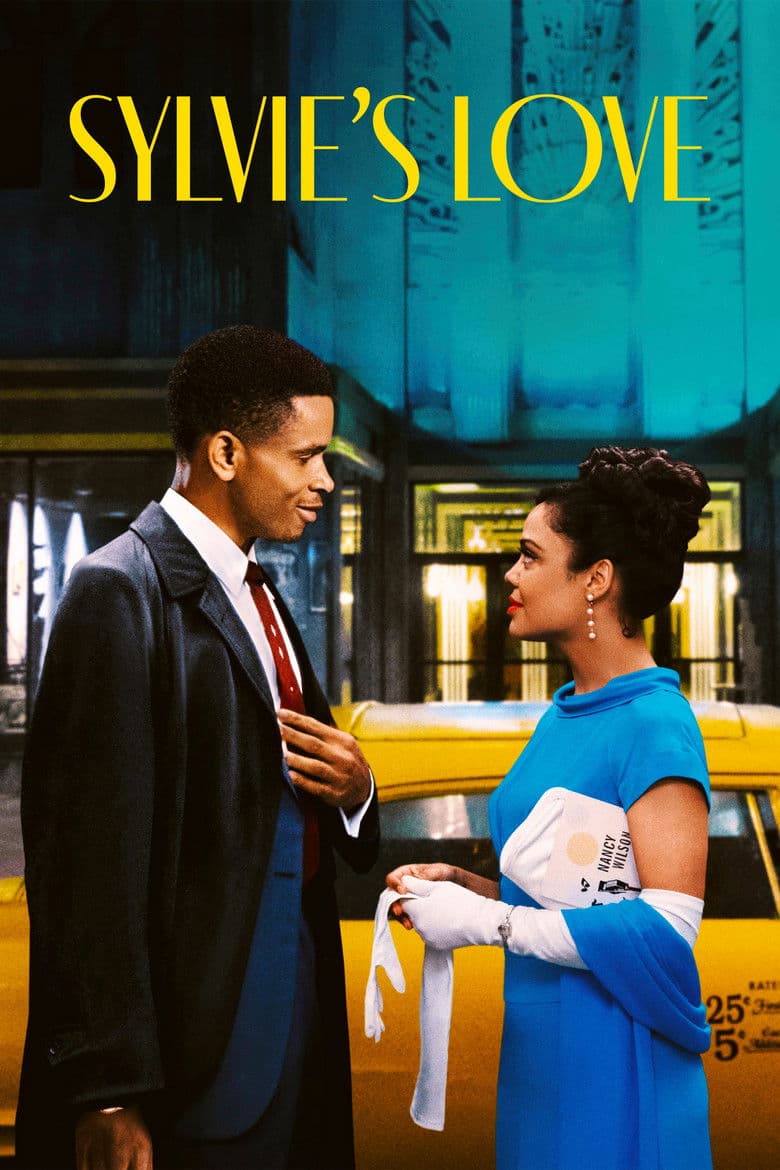
Movie · 2020
When a young woman meets an aspiring saxophonist in her father’s record shop in 1950s Harlem, their love ignites a sweeping romance that transcends changing times, geography, and…

Movie · 2025
Two artistic souls find harmony through music despite their contrasting worlds. As feelings deepen, age and circumstances challenge their undeniable bond.
