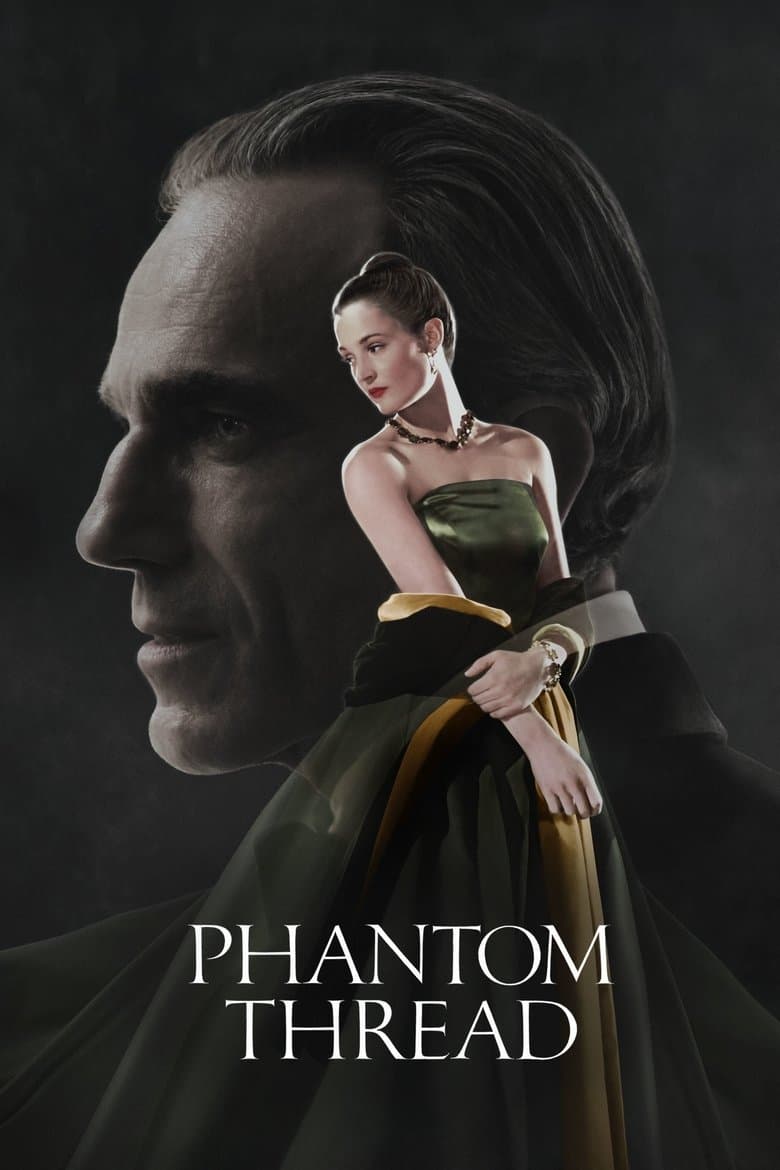
Phantom Thread is a psychological period drama set in 1950s London high fashion. Obsessive dressmaker Reynolds Woodcock runs a rigid household with his sister Cyril until waitress Alma becomes his muse, lover, and eventual wife. Their romance turns into a twisted power struggle. Reynolds’s control and cruelty meet Alma’s determination, including her repeated use of poisoned mushrooms to make him weak, dependent, and pliable. The film is a gothic, intimate study of appetite, control, illness, and a mutually accepted toxic bond.
It is not a modern identity-politics story. Gender power flips where Alma seizes the upper hand work as plot mechanics, and some viewers read them as empowerment, but the film does not build a modern activist identity thesis. Critics sometimes mapped Reynolds’s fall onto toxic masculinity and patriarchal crumble, with Me Too era timing amplifying that read. On screen it stays an ambiguous gothic romance, not a campaign against Western institutions, capitalism, faith, or conservatism as systems.
Community feedback
Was our 11% Woke rating accurate?
Breakdown
These are the editorial factors and ratings behind our score for Phantom Thread.
Woke representation / casting
Not present. Cast and identities fit 1950s London high fashion; Alma’s foreign waitress background is story-integrated, not a modern diversity showcase
0%
Woke political dialogue
Not present. Dialogue stays personal, period-flavored, and domestic with no activist slogans or present-day identity-politics speeches
0%
Identity-driven story themes
Spine is private artist–muse marriage and control compact; gender power flips are plot mechanics, not a modern activist identity thesis
12%
Western institutional / cultural critique
Reynolds is humbled as entitled male genius; critics map toxic masculinity, but on screen it remains ambiguous gothic romance, not a campaign against Western systems
12%
Woke character or canon changes
Not relevant. Original PTA screenplay about a fictional couturier, not an identity rewrite of franchise or real historical figures for DEI messaging
0%
Anti-woke backlash and complaints
Not present. No meaningful anti-woke campaign; much gender debate was left-leaning diversity or toxic masculinity complaints, not sustained anti-woke backlash
0%
Creator track record context
PTA politics secondary to craft with no sustained DEI campaigning; producers and casting also low and do not frame the title as activist product
12%
Production
Movie · 2017
Nothing is as it seems in this riveting World War 2 thriller as a wary soldier goes to investigate a mysterious German monarch at his secluded mansion, leading him into a web of…

Movie · 2024
Remi and Barnes, two very different teenagers, meet by chance in the winter of their senior year, then spend four days together over the course of a year that will change their…
Movie · 2018
German artist Kurt Barnert has escaped East Germany and now lives in West Germany, but is tormented by his childhood under the Nazis and the GDR regime.
Movie · 2018
The coming-of-age tale of 16-year-old Lina Vilkas who is deported to Siberia amid Stalin's reign of terror in the Baltic region during WWII.
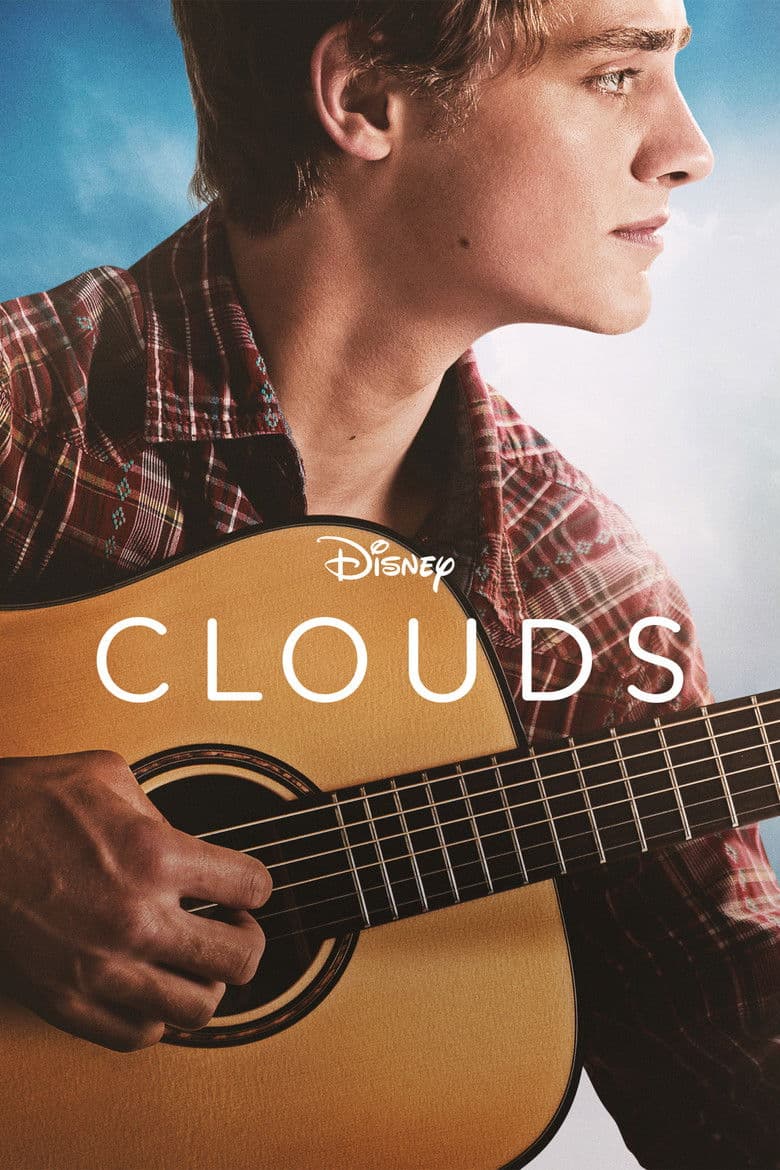
Movie · 2020
Young musician Zach Sobiech discovers his cancer has spread, leaving him just a few months to live. With limited time, he follows his dream and makes an album, unaware that it…
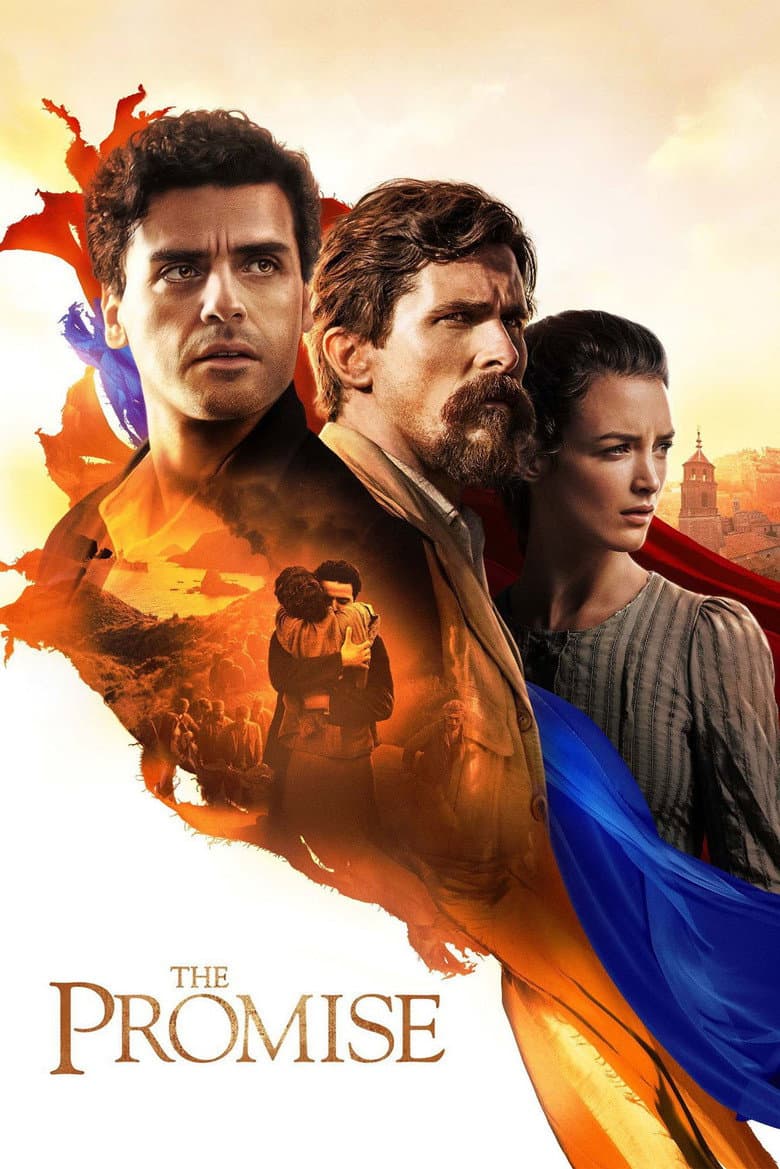
Movie · 2016
Set during the last days of the Ottoman Empire, a love triangle develops between Mikael, a brilliant medical student, the beautiful and sophisticated artist Ana, and Chris, a…

Movie · 2020
When illness strikes two people who are polar opposites, life and death bring them together in surprising ways.
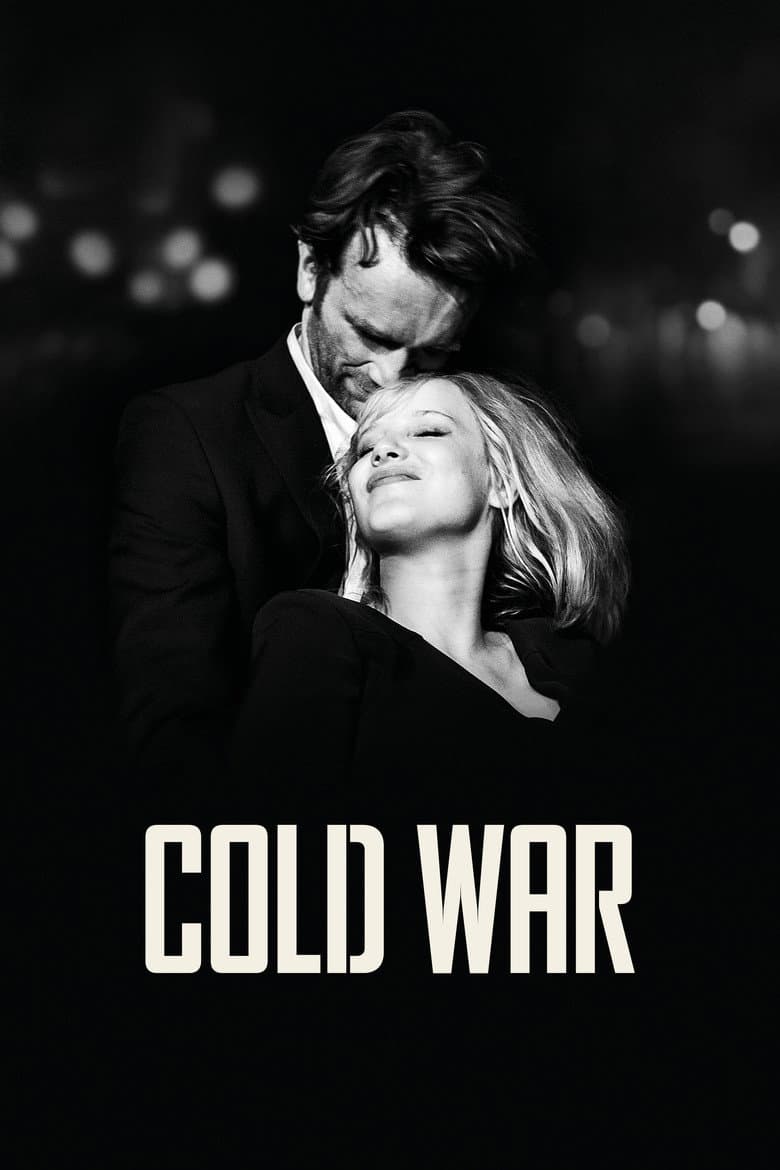
Movie · 2018
A man and a woman meet in the ruins of post-war Poland. With vastly different backgrounds and temperaments, they are fatally mismatched and yet drawn to each other.
