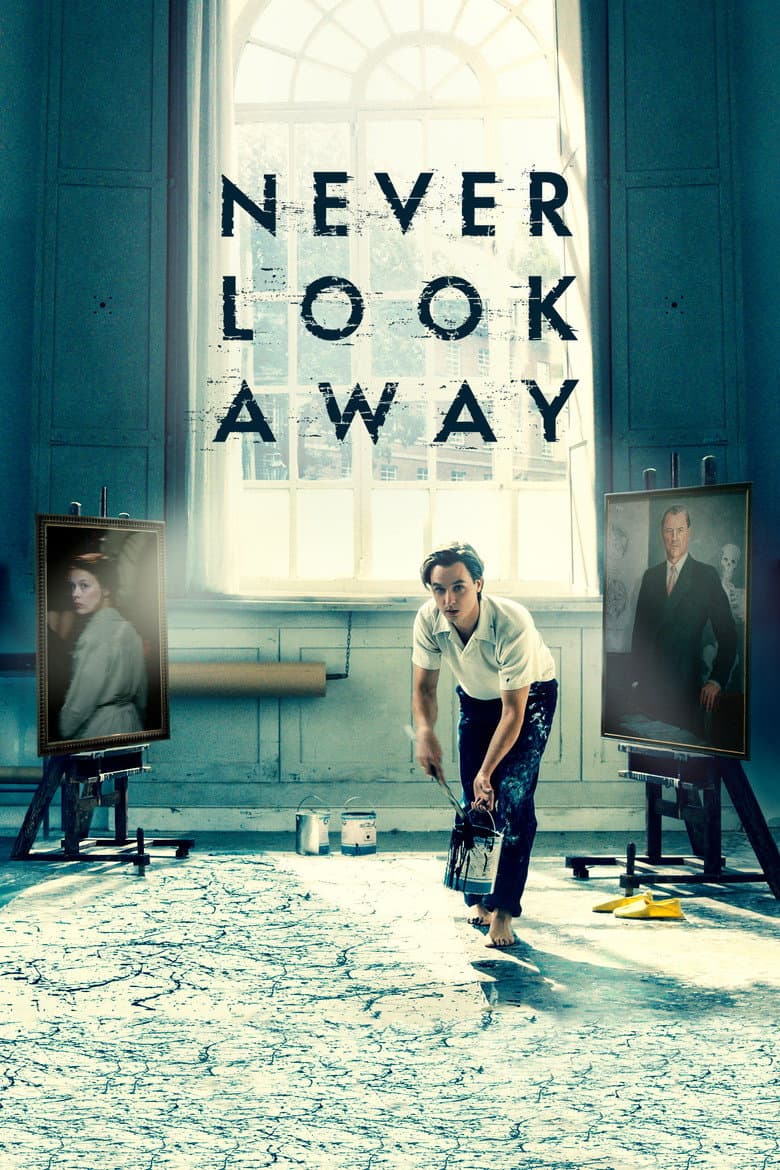
Kurt Barnert grows up in Dresden while Nazi rule turns his family and his love of art into sources of fear. As a young man, he studies painting in East Germany and falls in love with Ellie, a fashion student. Ellie's father, Carl Seeband, is a respected doctor who hides a terrible Nazi past and tries to end the relationship. Kurt and Ellie later escape to West Germany, where Kurt searches for an honest way to paint what he has lived through. The film is long, serious, romantic, and often grim, but it also treats art as a path toward healing.
The film shows the Nazi murder of people with mental illness and the forced control of their bodies, then shows how the same doctor survives by serving East Germany. It also shows East German art schools demanding socialist realism and West German artists arguing over freedom and meaning. These ideas belong to the story's historical setting and are presented as part of Kurt's struggle with memory, power, and truth. The main message is that personal pain can become art, while evil people and systems may change their names without changing their nature.
Community feedback
Was our 0% Woke rating accurate?
Breakdown
These are the editorial factors and ratings behind our score for Never Look Away.
Woke representation / casting
Not present. The main cast is German and the story is set in Germany across the Nazi and postwar periods. The roles fit the time and place, and the film does not present casting as a diversity message.
0%
Woke political dialogue
Not present. The film has many political lines, but they come from Nazi and East German rule in the historical story. The dialogue does not use modern identity, DEI, or activist ideas.
0%
Identity-driven story themes
Not present. The film follows trauma, family guilt, art, love, and life under two dictatorships. The Nazi eugenics plot is historical and is not turned into a modern identity-politics message.
0%
Western institutional / cultural critique
Not present. The film condemns Nazi and East German control as part of its period setting. It does not attack modern Western family life, Christianity, masculinity, or other Western institutions through activist framing.
0%
Woke character or canon changes
Not relevant. Kurt is a fictional artist loosely inspired by Gerhard Richter. The film changes biography for drama, but it does not make an identity-based race, gender, sexuality, or hero-role change.
0%
Anti-woke backlash and complaints
Not present. No sustained complaints said the film pushed woke, DEI, or identity-politics content were found. The supplied X pass found no anti-woke complaints and only a few right-leaning posts praising the film as not woke.
0%
Creator track record context
Not present. The supplied creator profiles show no sustained DEI or activist record among the director and producers. The title-related interviews focus on art, history, trauma, and human creativity.
0%
Production

Movie · 2018
A man and a woman meet in the ruins of post-war Poland. With vastly different backgrounds and temperaments, they are fatally mismatched and yet drawn to each other.
Movie · 2016
Canadian folk artist Maud Lewis falls in love with a fishmonger while working for him as a live-in housekeeper.

Movie · 2025
Based on a true story, two down-on-their-luck musicians form a joyous Neil Diamond tribute band, proving it's never too late to find love and follow your dreams.

Movie · 2025
Two artistic souls find harmony through music despite their contrasting worlds. As feelings deepen, age and circumstances challenge their undeniable bond.

Movie · 2025
Morgan Grant and her daughter Clara explore what's left behind after a devastating accident reveals a shocking betrayal and forces them to confront family secrets, redefine love…
Movie · 2019
An extraordinary look at the lives of a middle-aged couple in the midst of the wife's breast cancer diagnosis.

Movie · 2020
It was a chance meeting started by one of Sol’s friends trying to chat up Jennifer. However, in the end, it was those two who hit it off.

Movie · 2018
Katie, a 17-year-old, has been sheltered since childhood and confined to her house during the day by a rare disease that makes even the smallest amount of sunlight deadly.
