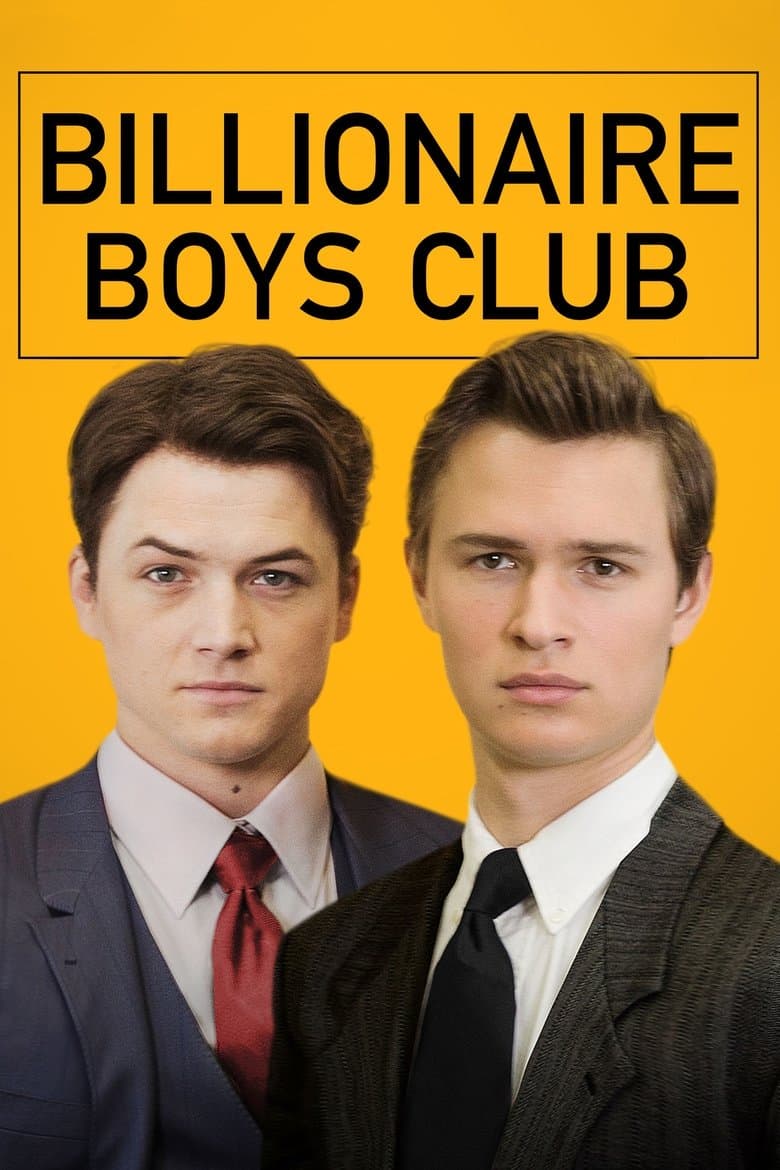
Joe Hunt is a young money expert in Los Angeles who wants respect as much as he wants wealth. In the early 1980s, he joins his former school friend Dean Karny and other rich young men to build the Billionaire Boys Club. The group promises huge returns from gold and other investments, but the plan depends on lies, borrowed money, and new investors. Ron Levin, a smooth con man, becomes both a helper and a threat. The film has a glossy crime-drama tone that turns from parties and fast success to drugs, fear, murder, and betrayal.
The film keeps its focus on greed, status, male friendship, and the danger of treating money as proof of worth. Joe uses ideas about perception and success to excuse risky choices, while Dean narrates the rise and collapse of the club. The story includes a short restaurant scene with Levin and Andy Warhol that uses gay-coded flirting and sexual jokes around young men. That moment is separate from the main scam and does not become a major character or relationship story. Women mostly appear as girlfriends, lovers, or family members while the criminal group remains male-led.
Community feedback
Was our 5% Woke rating accurate?
Breakdown
These are the editorial factors and ratings behind our score for Billionaire Boys Club.
Woke representation / casting
Not present. The film centers on rich young men in early-1980s Los Angeles, which fits the real case. The women mainly play girlfriends and family members, while Tim Pittman and the Eslaminia family come from the story being retold. The casting is not presented as a diversity or identity statement.
0%
Woke political dialogue
Not present. The characters talk about money, respect, business, and success. The film does not give a current political or activist message about race, gender, class, or institutions.
0%
Identity-driven story themes
The film includes a brief restaurant scene in which Ron Levin and Andy Warhol use gay-coded flirting and sexual jokes around young men. The scene is audience-visible but does not lead to a queer relationship or identity story. The main plot remains about fraud, greed, and murder.
10%
Western institutional / cultural critique
Not present. The story shows rich men cheating, taking drugs, and using violence. It treats these acts as personal greed and criminal failure, not as a current activist attack on Western institutions, family life, or traditional norms.
0%
Woke character or canon changes
Not relevant. The film retells a real 1980s crime case and changes or compresses details for a feature film. No identity-driven change to a real figure or established character was reported.
0%
Anti-woke backlash and complaints
Not present. The public dispute centered on Spacey's allegations, the release choice, box office, and film quality. No anti-woke or anti-DEI complaint about the title was found.
0%
Creator track record context
Not present. The cached summaries give Captain Mauzner, James Cox, and Stephen Cox a 0/100 woke score. The title-related coverage found no activist or identity-first framing from the named creators.
0%
Production
Movie · 2016
WWII American Army Medic Desmond T. Doss, who served during the Battle of Okinawa, refuses to kill people and becomes the first Conscientious Objector in American history to…
Movie · 2020
A man refuses all assistance from his daughter as he ages and, as he tries to make sense of his changing circumstances, he begins to doubt his loved ones, his own mind and even…
Movie · 2025
Diagnosed with Tourette Syndrome at 15, John Davidson navigates his way against the odds through troubled teenage years and into adulthood, finding inspiration in the kindness of…
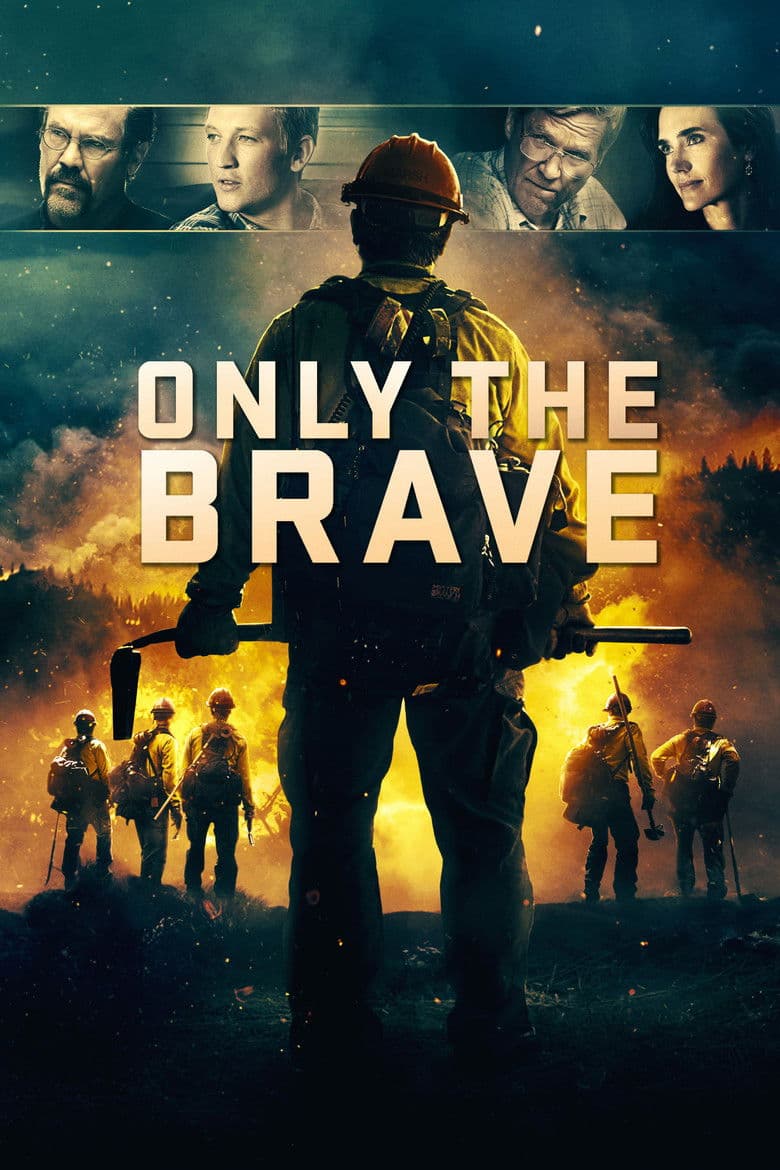
Movie · 2017
Members of the Granite Mountain Hotshots battle deadly wildfires to save an Arizona town.

Movie · 2018
German artist Kurt Barnert has escaped East Germany and now lives in West Germany, but is tormented by his childhood under the Nazis and the GDR regime.
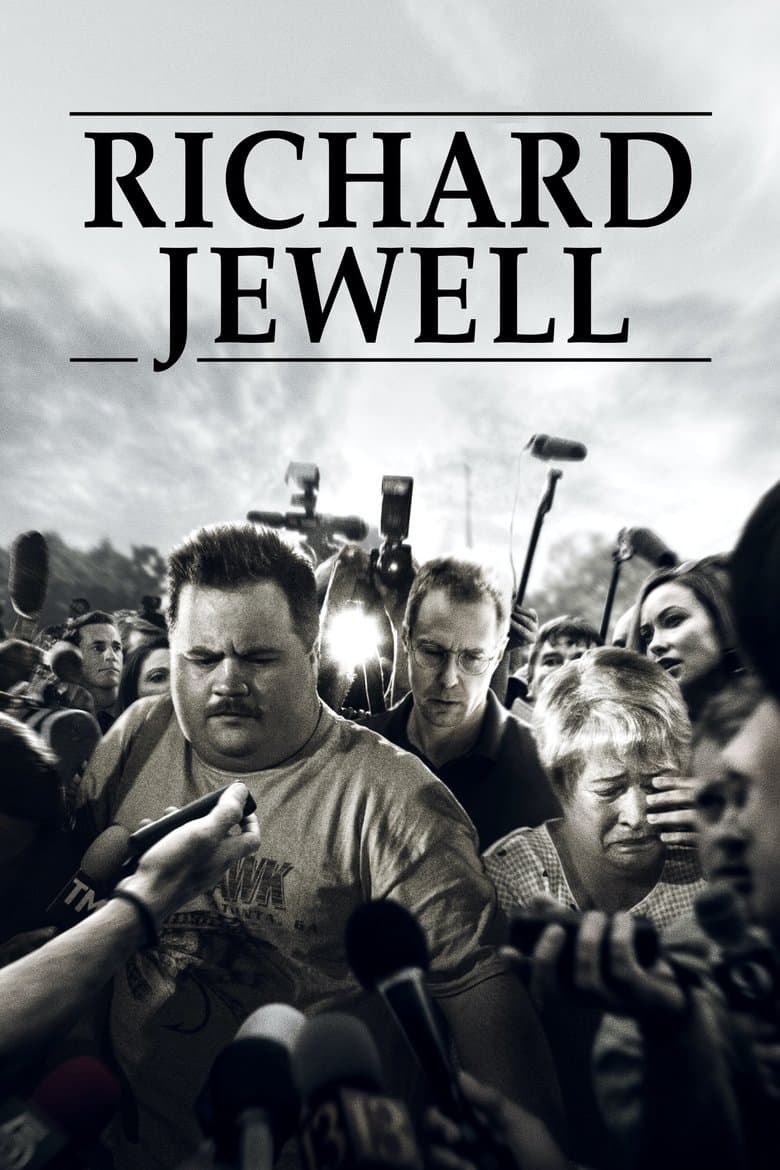
Movie · 2019
Richard Jewell thinks quick, works fast, and saves hundreds, perhaps thousands, of lives after a domestic terrorist plants several pipe bombs and they explode during a concert…

Movie · 2026
While people across 1990s Iraq struggle to survive the war and food shortages, Saddam Hussein requires each school in the country to prepare a cake to celebrate his birthday.

Movie · 2017
In 1950, amidst the ravages of the Korean War, Sergeant Süleyman stumbles upon a a half-frozen little girl, with no parents and no help in sight and he risks his own life to save…
