
Beware the Slenderman follows Morgan Geyser and Anissa Weier, two twelve-year-old girls in Waukesha, Wisconsin. The girls lure their friend Payton Leutner into the woods and stab her nineteen times because they believe the online figure Slender Man is real. Police videos, family interviews, court footage, and internet horror images show what happened and what followed. The mood is cold, frightening, and sad, with the case told as a modern fairy tale that became real.
The film focuses on how children can confuse online stories with real life. It also looks at Morgan’s mental illness, the girls’ loneliness, and the parents’ shock. The case raises a mild institutional critique of the justice and mental health systems by asking whether adult punishment can help troubled children. The film compares Slender Man with older tales such as the Pied Piper, while experts explain how online stories grow through games, pictures, and fan-made videos. Its main warning is about internet influence, weak judgment, and the danger of untreated mental illness.
Community feedback
Was our 14% Woke rating accurate?
Breakdown
These are the editorial factors and ratings behind our score for Beware the Slenderman.
Woke representation / casting
Not present. The documentary follows real people in a Wisconsin crime case. It does not build its cast around a diversity message.
0%
Woke political dialogue
Not present. The spoken material covers the crime, the internet, mental illness, parents, and court proceedings. It contains no confirmed identity, DEI, or activist lines.
0%
Identity-driven story themes
Not present. The story centers on online horror, child development, loneliness, mental illness, and a violent crime. It does not make race, sex, sexuality, or group identity a theme.
0%
Western institutional / cultural critique
The documentary questions how the justice system handles children who commit violent crimes. It gives attention to adult trials, mental illness, and child incarceration. This creates a mild institutional critique, but the points stay tied to the case. The film does not turn them into a broad attack on Western culture, family life, or religion.
22%
Woke character or canon changes
Not relevant. The documentary presents a real Wisconsin crime and the existing online Slender Man myth. It does not rewrite a known character or real event to make an identity point.
0%
Anti-woke backlash and complaints
Not present. The separate X research found no anti-woke reaction. Other posts and reviews focused on the stabbing, internet danger, mental illness, or the film’s use of fan footage, not DEI or identity politics.
0%
Creator track record context
Irene Taylor has a mild social-issues record through deafness and film-access work. Sophie Harris has made documentaries about health, poverty, disability, and other human problems. Their cached public context does not show a strong culture-war or identity-politics focus. Interviews about this title stress children, the internet, mental illness, family, and the justice system.
15%
Production
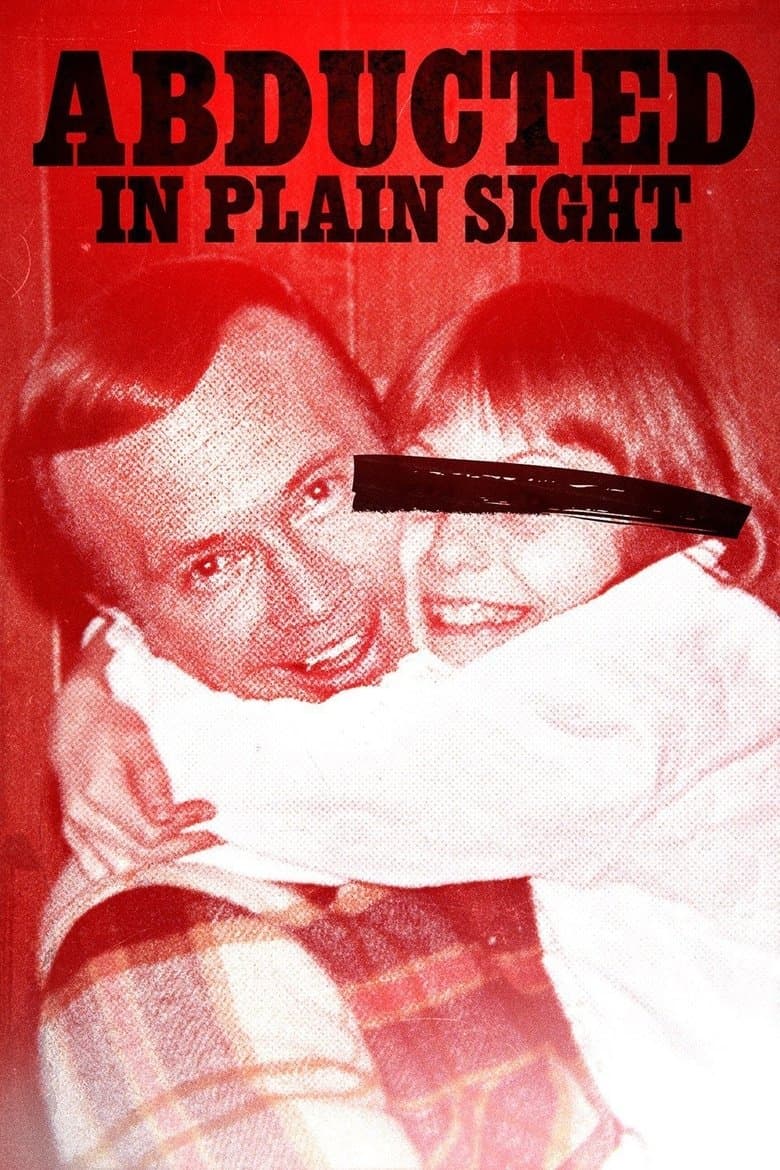
Movie · 2017
A family falls prey to the manipulative charms of a neighbor, who abducts their adolescent daughter. Twice.
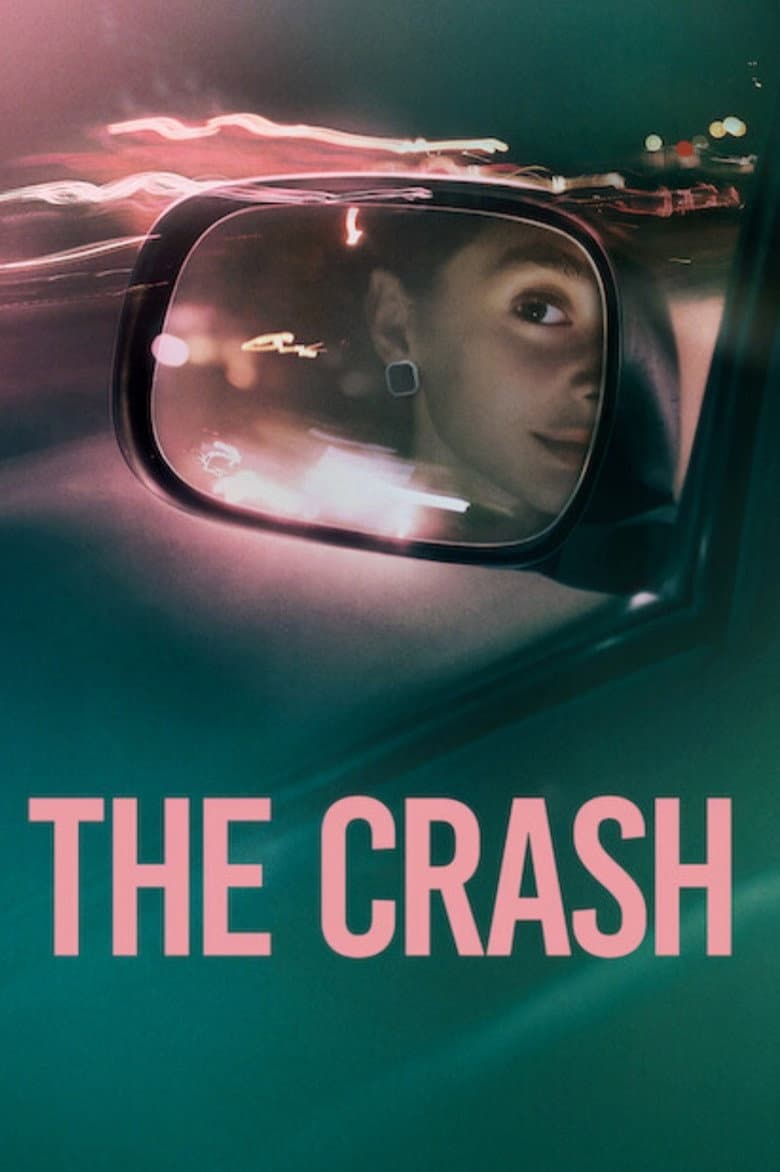
Movie · 2026
A teen slams her car into a building, killing her boyfriend and his friend. What seems like a tragic accident becomes a murder case.
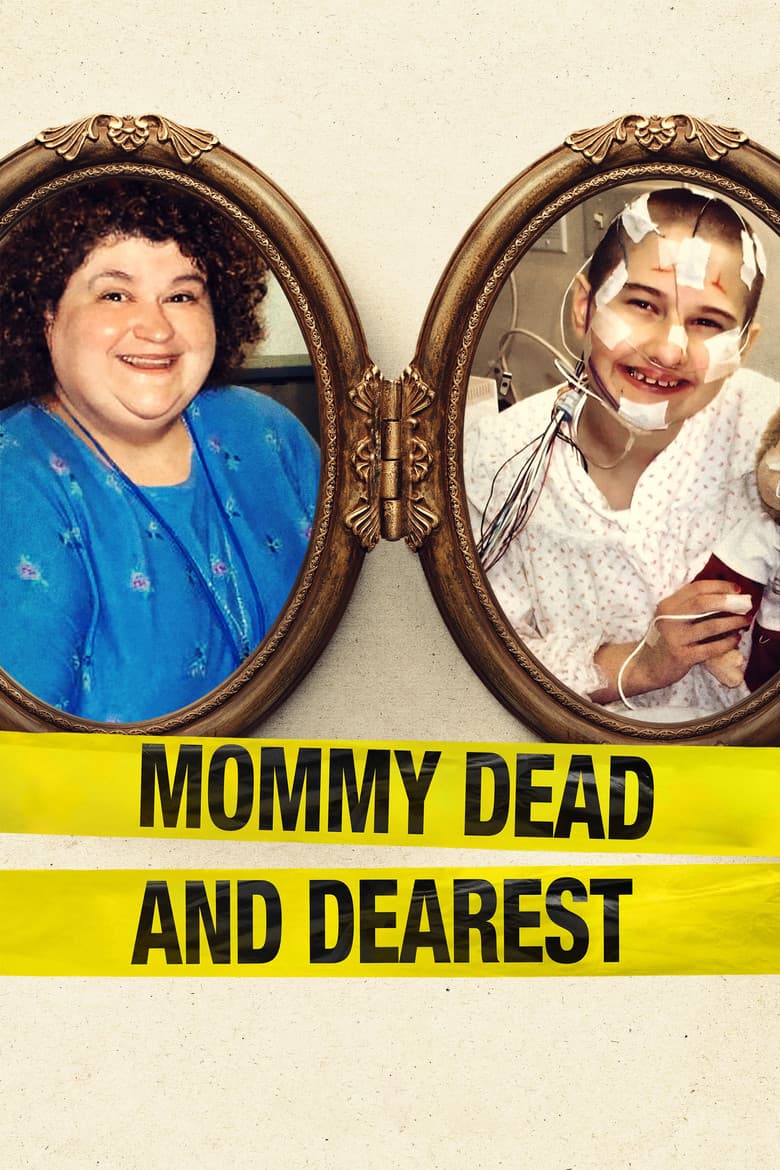
Movie · 2017
Child abuse, mental illness, and forbidden love converge in this mystery involving a mother and daughter who were thought to be living a fairy tale life that turned out to be a…

Movie · 2022
A young mother’s mysterious death and her son’s subsequent kidnapping blow open a decades-long mystery about the woman’s true identity, and the murderous federal fugitive at the…
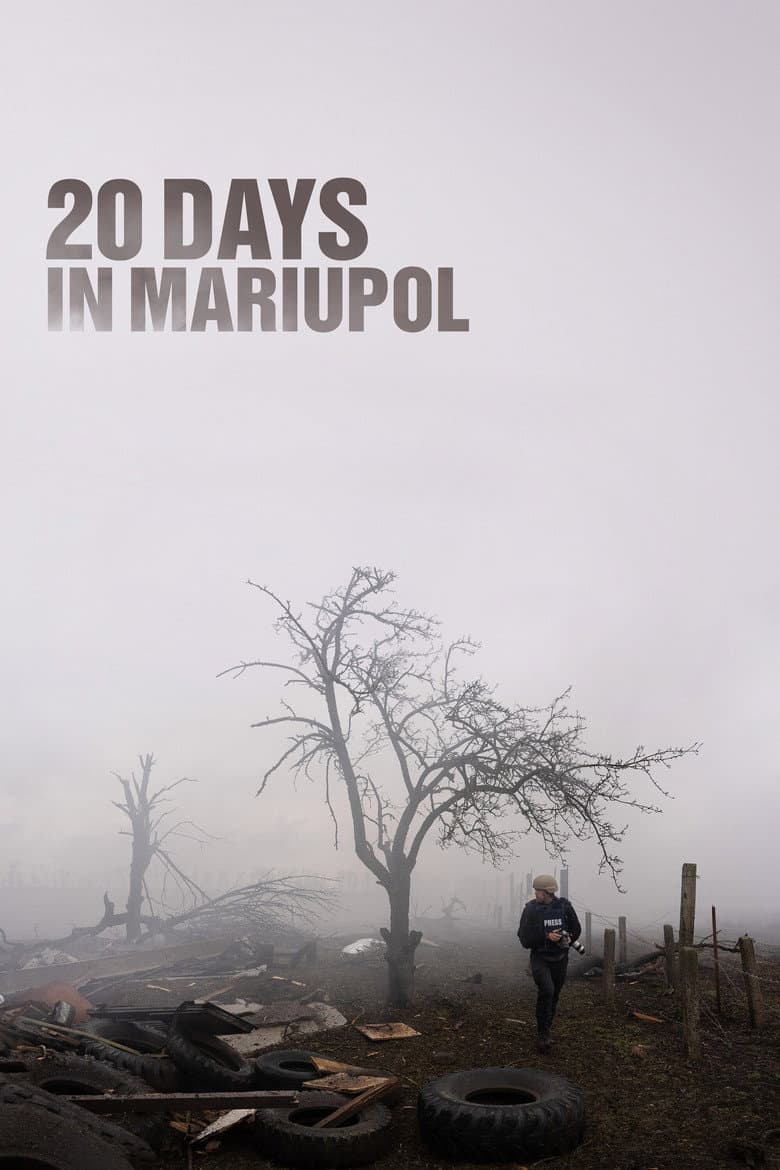
Movie · 2023
As the Russian invasion begins, a team of Ukrainian journalists trapped in the besieged city of Mariupol struggle to continue their work documenting the war's atrocities.
Movie · 2023
A courageous pastor uses his underground network to rescue and aid North Korean families as they risk their lives to embrace freedom.

Movie · 2019
Constructed from over 500 hours of never-before-seen footage, this documentary centers on the personal life and career of the controversial football player Diego Maradona who…
Movie · 2023
After Kai saves a woman's life, he turns into an overnight hero and viral sensation — until disturbing truths about his erratic behavior come to light.
