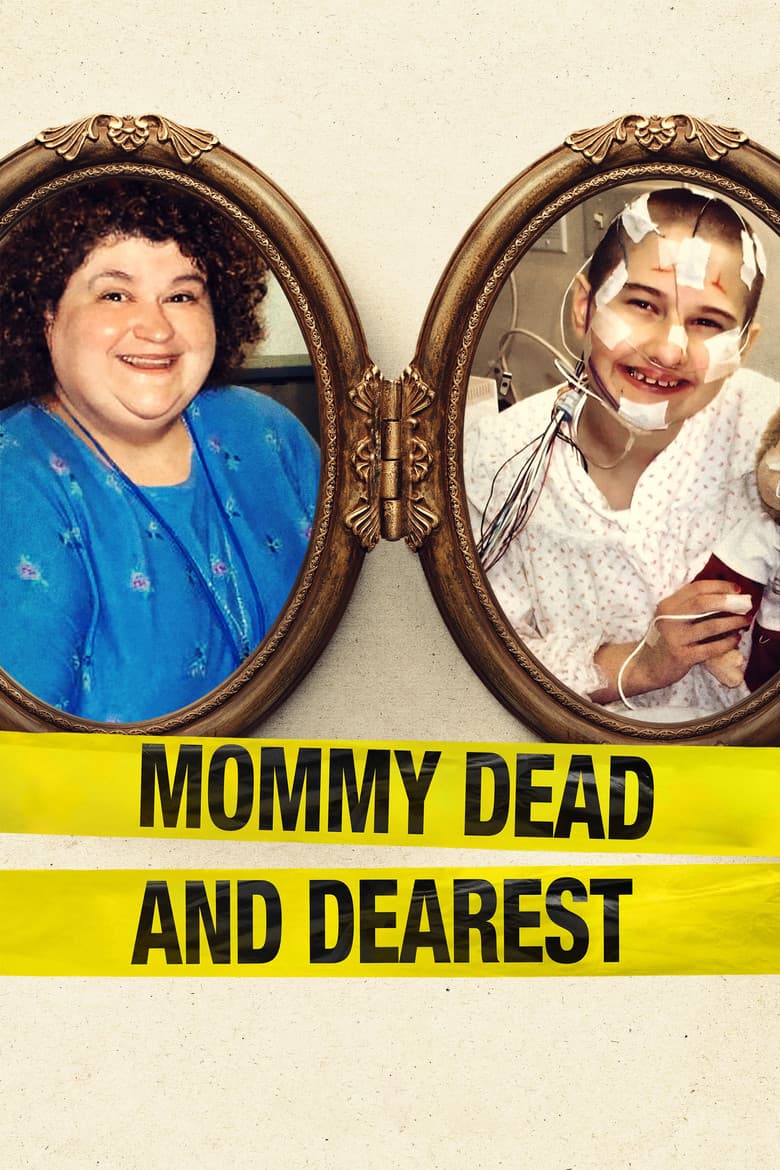
Mommy Dead and Dearest is an 82-minute true-crime documentary about Gypsy Rose Blanchard and her mother, Dee Dee. The film moves between Springfield, Missouri, home videos, police material, interviews, and Gypsy’s prison account. Gypsy says Dee Dee made her seem sick, kept her in a wheelchair, and controlled her life for years. The story then follows the secret online romance that led Gypsy and Nicholas Godejohn to plan Dee Dee’s murder. The tone is grim, shocking, and often sad.
The documentary follows the damage caused by child abuse, forced illness, and total control. Gypsy is shown as both a harmed daughter and a person who helped plan a killing. Dee Dee is shown as both a mother and the source of years of lies, fear, and harm. Doctors, relatives, police, lawyers, and journalists explain how the abuse was missed and how the case reached court.
Community feedback
Was our 8% Woke rating accurate?
Breakdown
These are the editorial factors and ratings behind our score for Mommy Dead and Dearest.
Woke representation / casting
Not present. The documentary uses the real people tied to the case and real interview subjects. It does not build a cast around diversity or identity messaging.
0%
Woke political dialogue
Not present. The interviews discuss abuse, crime, sex, mental illness, and the court case. They do not push modern identity, DEI, or activist ideas.
0%
Identity-driven story themes
Not present. The main themes are child abuse, control, fear, guilt, and moral responsibility. The mother-daughter focus is part of the case and is not turned into a modern identity message.
0%
Western institutional / cultural critique
Not present. The film shows doctors, charities, and family members missing signs of abuse. It treats those failures as facts of this case, not as a broad attack on Western institutions, capitalism, patriarchy, or family life.
0%
Woke character or canon changes
Not relevant. The film presents real people and recorded events rather than changing an established fictional character or source story. No identity-based swap or rewrite is shown.
0%
Anti-woke backlash and complaints
Not present. No qualifying complaints found. Public criticism focuses on whether the film favors Gypsy, leaves out some medical records, or uses the case for true-crime drama. That criticism is not about woke, DEI, or identity politics.
0%
Creator track record context
Erin Lee Carr’s prior work often covers femininity, sexual violence, mental health, and gender pressure. Sheila Nevins has a feminist public record and has backed work about women’s health and social issues. Andrew Rossi has made socially aware films about institutions, race, sexuality, and representation, but he has also said he is not an activist filmmaker. This gives the project a moderate creator track record context, while this movie stays focused on one crime case.
39%
Production
Movie · 2026
A teen slams her car into a building, killing her boyfriend and his friend. What seems like a tragic accident becomes a murder case.
Movie · 2023
After Kai saves a woman's life, he turns into an overnight hero and viral sensation — until disturbing truths about his erratic behavior come to light.
Movie · 2018
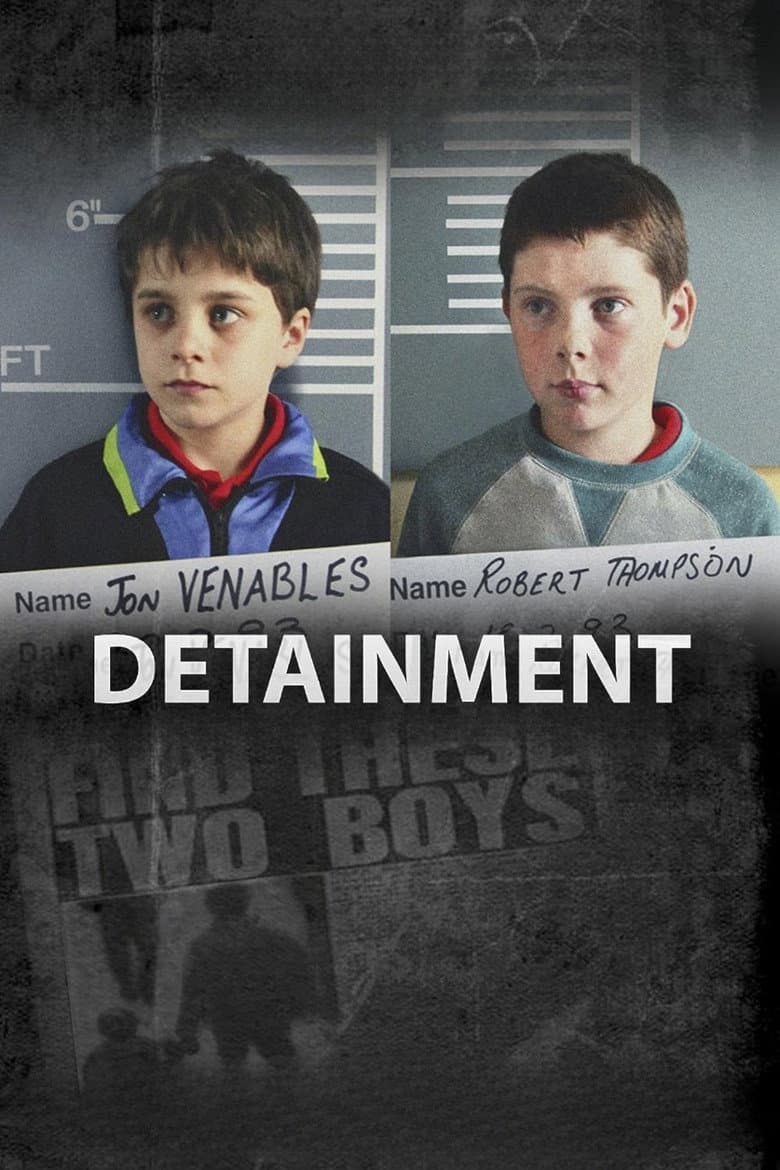
Two ten year-old boys are detained by police under suspicion of abducting and murdering a toddler.

Movie · 2022
Follows the man who survived an assassination attempt by poisoning with a lethal nerve agent in August 2020. During his months-long recovery, he makes shocking discoveries about…

Movie · 2022
A young mother’s mysterious death and her son’s subsequent kidnapping blow open a decades-long mystery about the woman’s true identity, and the murderous federal fugitive at the…
Movie · 2018
A documentary about World War I with never-before-seen footage to commemorate the centennial of Armistice Day, and the end of the war.

Movie · 2024
In this twisting documentary, a mechanic tries online dating for the first time and meets a woman who takes romantic obsession to a deadly extreme.
Movie · 2018
New York, 1980. Three complete strangers accidentally discover that they're identical triplets, separated at birth.
