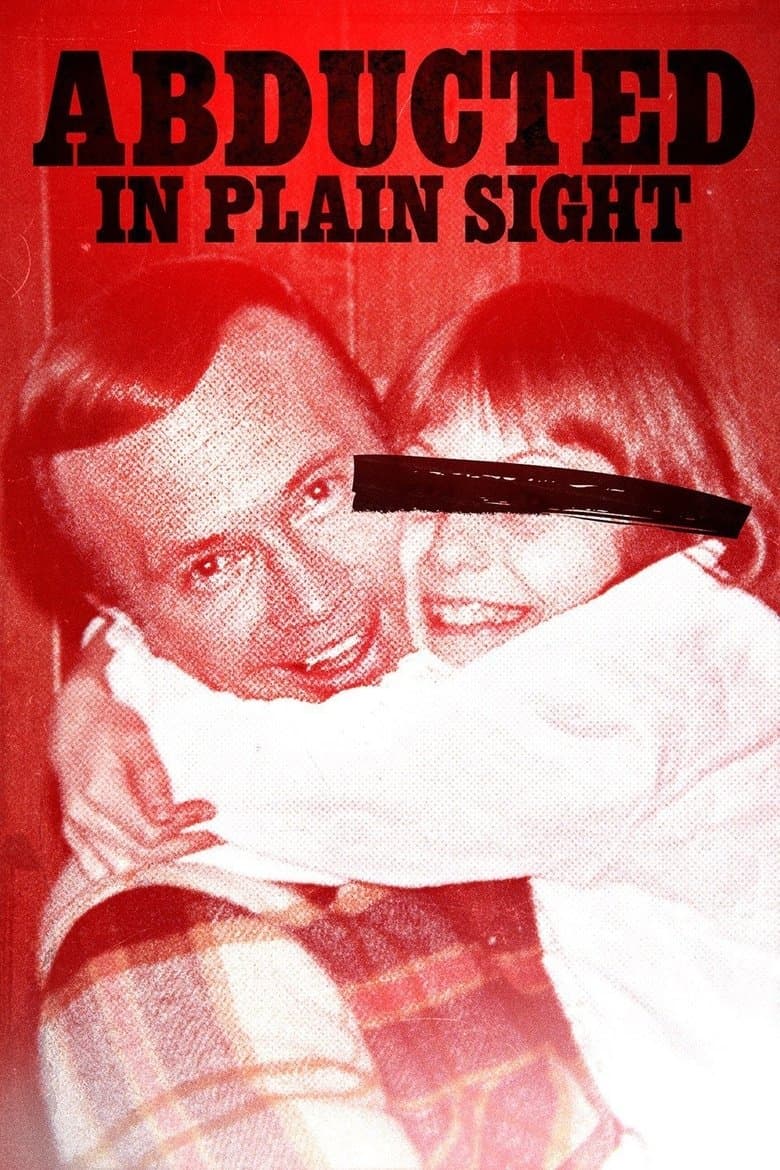
Abducted in Plain Sight is a true crime documentary about Jan Broberg, a 12-year-old girl in 1970s Idaho. A trusted neighbor named Robert Berchtold gains access to her family and uses lies, sexual abuse, threats, and strange alien stories to control them. He takes Jan to Mexico and later abducts her again after returning to the family’s circle. The film has a shocked, tense, and deeply disturbing tone.
The film focuses on child abuse, manipulation, family trust, shame, and the failure to protect a child. Jan speaks as an adult about the fear, confusion, and lasting pain caused by the abuse. The story shows how the Brobergs’ church community and strong trust in others helped Berchtold get close, while hidden sexual secrets gave him power over the parents. The film asks viewers to study how abuse can happen in an ordinary home and how victims and families can live with the damage.
Community feedback
Was our 4% Woke rating accurate?
Breakdown
These are the editorial factors and ratings behind our score for Abducted in Plain Sight.
Woke representation / casting
Not present. The documentary uses real people and does not make identity-based casting choices. Its subjects fit the real family and community shown in the case.
0%
Woke political dialogue
Not present. The spoken material covers abuse, family decisions, faith, and the investigation. It does not include modern DEI, identity, or activist talking points.
0%
Identity-driven story themes
Not present. The central themes are child abuse, manipulation, blackmail, family trust, and recovery. The story does not make race, gender politics, sexuality, or representation its message.
0%
Western institutional / cultural critique
Not present. The documentary shows a church community and family failing to protect Jan. It treats those failures as part of this case, not as a broad modern attack on Christianity, family life, or Western institutions.
0%
Woke character or canon changes
Not relevant. The film follows real people and real events instead of changing an established fictional character or historical figure. No identity-based rewrite appears.
0%
Anti-woke backlash and complaints
Not present. Online anger focused on the parents, the predator, and the shocking abuse. No clear complaint said that the film pushed woke, DEI, or identity politics, and the separate X pass found no anti-woke reaction.
0%
Creator track record context
Skye Borgman has a mild feminist and representation-focused work context. She has spoken about hiring women and diverse crews and about making stories about women. Emily Kincaid and Stephanie Tobey have low creator scores and no strong record of political or identity activism. This context is supporting evidence, while the film itself stays focused on a true-crime case.
18%
Production

Movie · 2022
A young mother’s mysterious death and her son’s subsequent kidnapping blow open a decades-long mystery about the woman’s true identity, and the murderous federal fugitive at the…

Movie · 2024
In this twisting documentary, a mechanic tries online dating for the first time and meets a woman who takes romantic obsession to a deadly extreme.
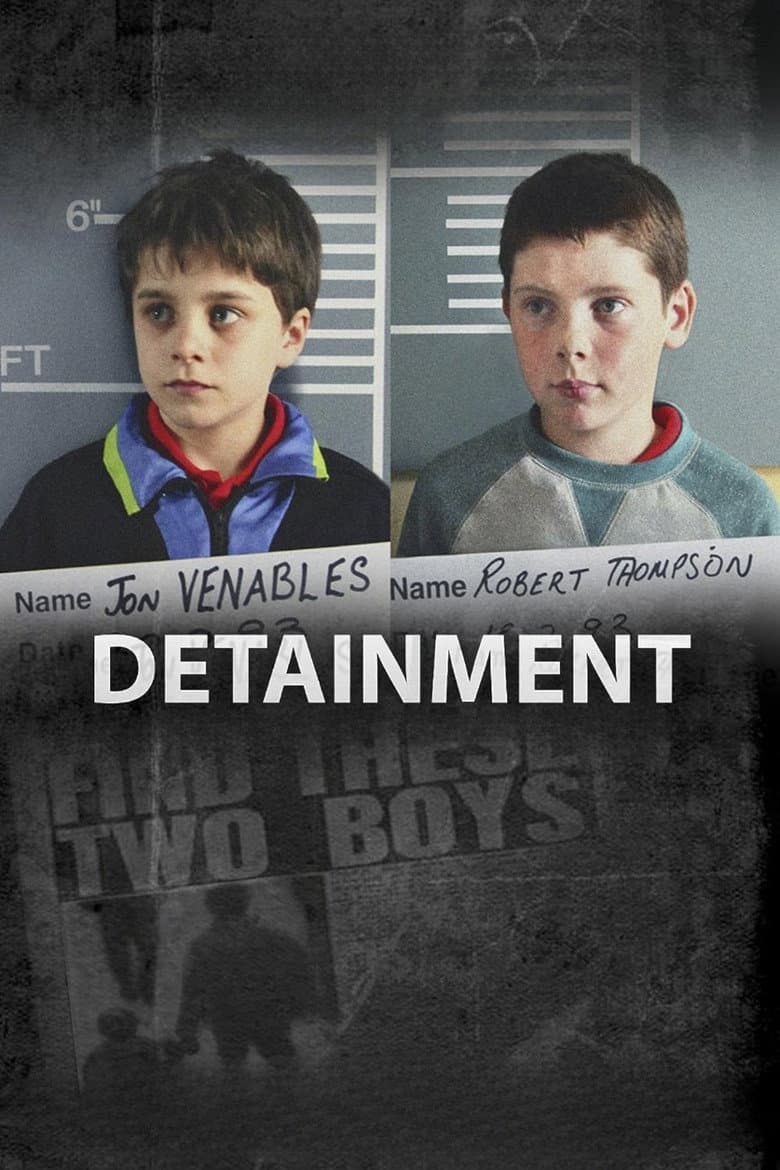
Movie · 2018
Two ten year-old boys are detained by police under suspicion of abducting and murdering a toddler.
Movie · 2023
After Kai saves a woman's life, he turns into an overnight hero and viral sensation — until disturbing truths about his erratic behavior come to light.
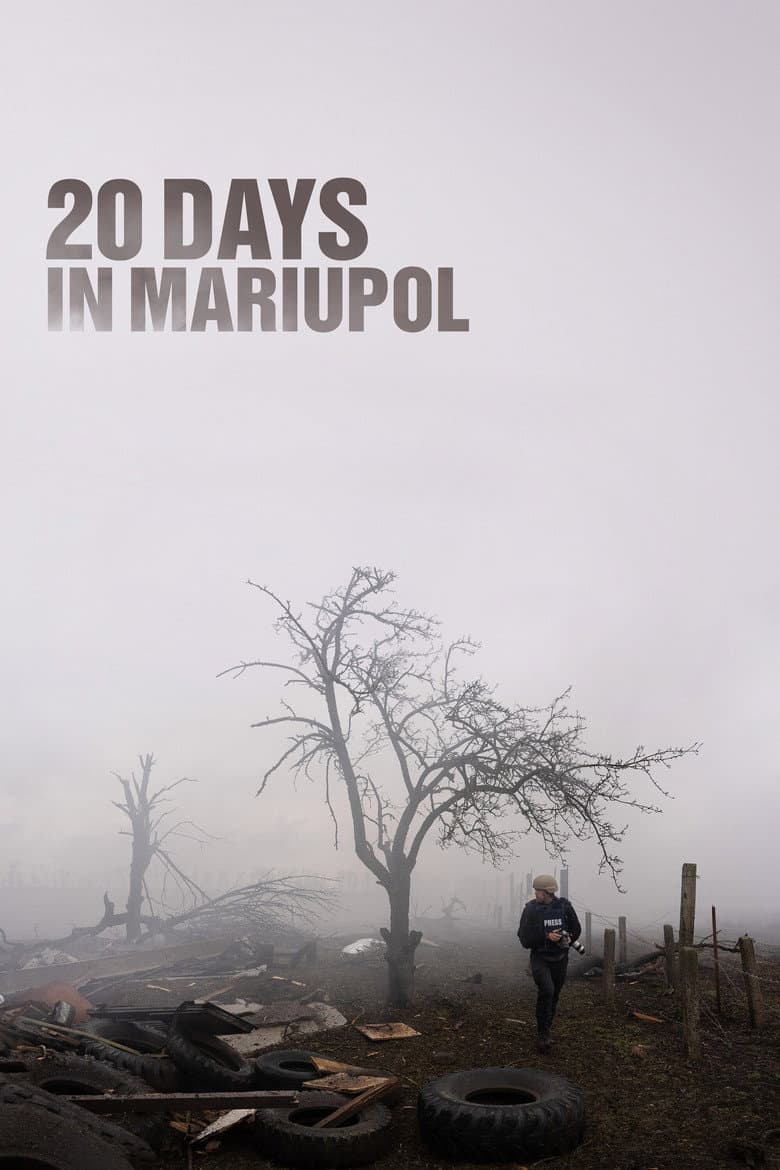
Movie · 2023
As the Russian invasion begins, a team of Ukrainian journalists trapped in the besieged city of Mariupol struggle to continue their work documenting the war's atrocities.

Movie · 2022
When the young founder of a collapsing cryptocurrency exchange dies unexpectedly, irate investors suspect there's more to his death than meets the eye.

Movie · 2018
A documentary about World War I with never-before-seen footage to commemorate the centennial of Armistice Day, and the end of the war.
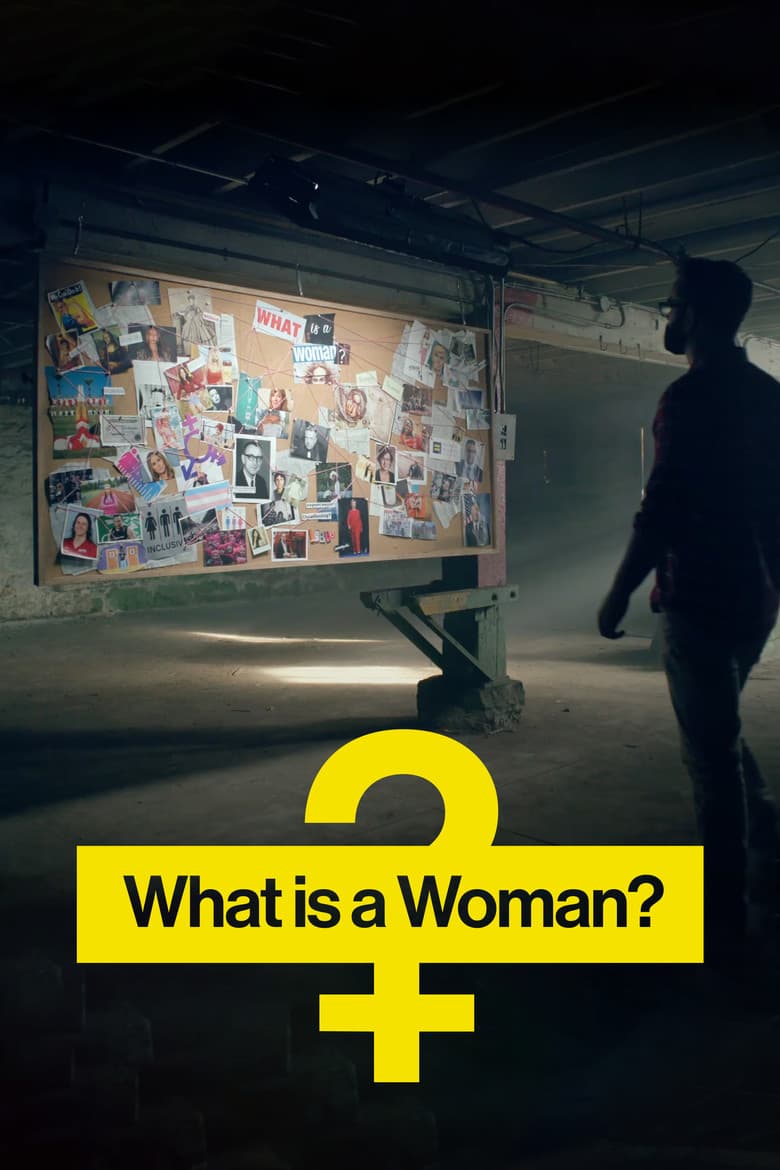
Movie · 2022
Matt Walsh's controversial doc challenges radical gender ideology through provocative interviews and humor.
