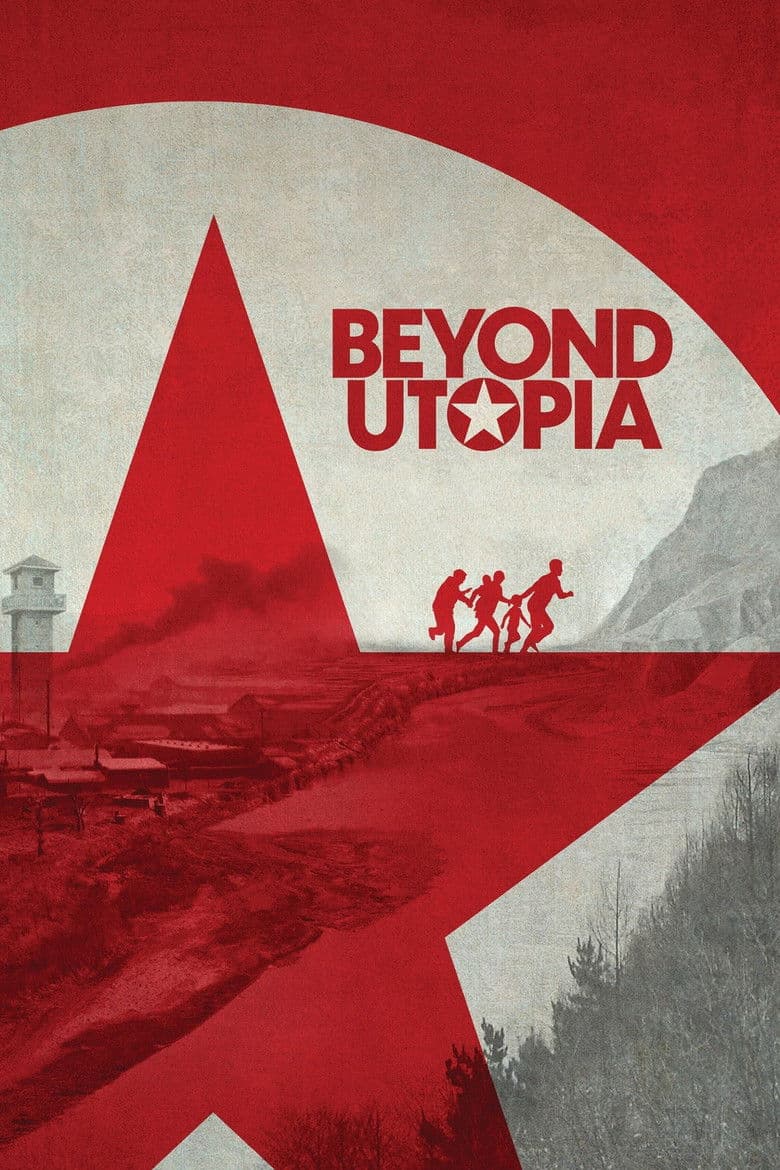
Beyond Utopia follows South Korean pastor Seungeun Kim as he helps North Korean families escape a harsh dictatorship. The film follows one family through China, Vietnam, Laos, and Thailand while another mother tries to reach the son she left behind. The families face guards, hidden guides, rough roads, fear, and the danger of being sent back. The tense film uses secret video, phone calls, interviews, and real escape footage to show the cost of seeking freedom.
The story centers on freedom of thought, family loyalty, and the courage to reject state lies. North Korea appears as a place where leaders demand worship, control news, punish disobedience, and keep people afraid. Kim's Christian faith gives the rescue work a clear moral purpose, and the film shows him praying with the families after dangerous journeys. The film also presents ordinary people as more important than the rulers who control them, while its strongest scenes stay with family fear, hope, and survival.
Community feedback
Was our 5% Woke rating accurate?
Breakdown
These are the editorial factors and ratings behind our score for Beyond Utopia.
Woke representation / casting
Not present. The film uses real North Korean families, a South Korean pastor, defectors, and experts in their real roles. The documentary does not stage a fictional cast or present identity as a reason for choosing people.
0%
Woke political dialogue
Not present. The dialogue explains the North Korean dictatorship, propaganda, and escape routes. The speakers do not argue about race, gender, sexuality, DEI, or modern activist politics.
0%
Identity-driven story themes
Not present. The families seek safety and reunion while the pastor helps them escape punishment. The film does not make race, gender, sexuality, or group representation the reason for the conflict.
0%
Western institutional / cultural critique
Not present. The film condemns North Korea's dictatorship, propaganda, and punishment system. It does not attack Western institutions, capitalism, traditional family life, Christianity, or patriarchy.
0%
Woke character or canon changes
Not relevant. The film is about real people and has no established fictional characters to rewrite for identity reasons.
0%
Anti-woke backlash and complaints
Not present. The separate X research pass found no anti-woke reaction or specific complaints. Web criticism focused on one-sided history, U.S. influence, or anti-North Korean framing, not on woke or identity politics.
0%
Creator track record context
Madeleine Gavin's earlier documentary focused on women survivors of violence and leadership programs. Geralyn White Dreyfous has produced social justice and human rights documentaries and helped fund films directed by women. Jana Edelbaum has backed documentaries about cultural debates, while Rachel Cohen has no documented activist record. Sue Mi Terry's work centers on security analysis. The mixed record gives the project mild activist context.
24%
Production

Movie · 2019
An Iraqi journalist joins an army of uneasy allies and unforgettable characters in the epic battle to liberate the city of Mosul from the Islamic State.

Movie · 2018
New York, 1980. Three complete strangers accidentally discover that they're identical triplets, separated at birth.
Movie · 2020
When Washington Post journalist Jamal Khashoggi disappears after entering Saudi Arabia’s consulate in Istanbul, his fiancée and dissidents around the world are left to piece…

Movie · 2022
An enchanting making-of story told through all-new in-depth interviews and cast conversations, inviting fans on a magical first-person journey through one of the most beloved film…
Movie · 2017
An intimate journey through the formative years of David Lynch's life. From his idyllic upbringing in small town America to the dark streets of Philadelphia, we follow Lynch as he…
Movie · 2022
Follows the man who survived an assassination attempt by poisoning with a lethal nerve agent in August 2020. During his months-long recovery, he makes shocking discoveries about…

Movie · 2020
Record-shattering Korean girl band BLACKPINK tell their story — and detail the hard fought journey of the dreams and trials behind their meteoric rise.

Movie · 2019
Constructed from over 500 hours of never-before-seen footage, this documentary centers on the personal life and career of the controversial football player Diego Maradona who…
